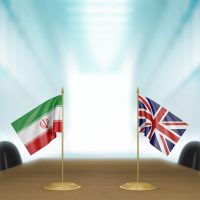
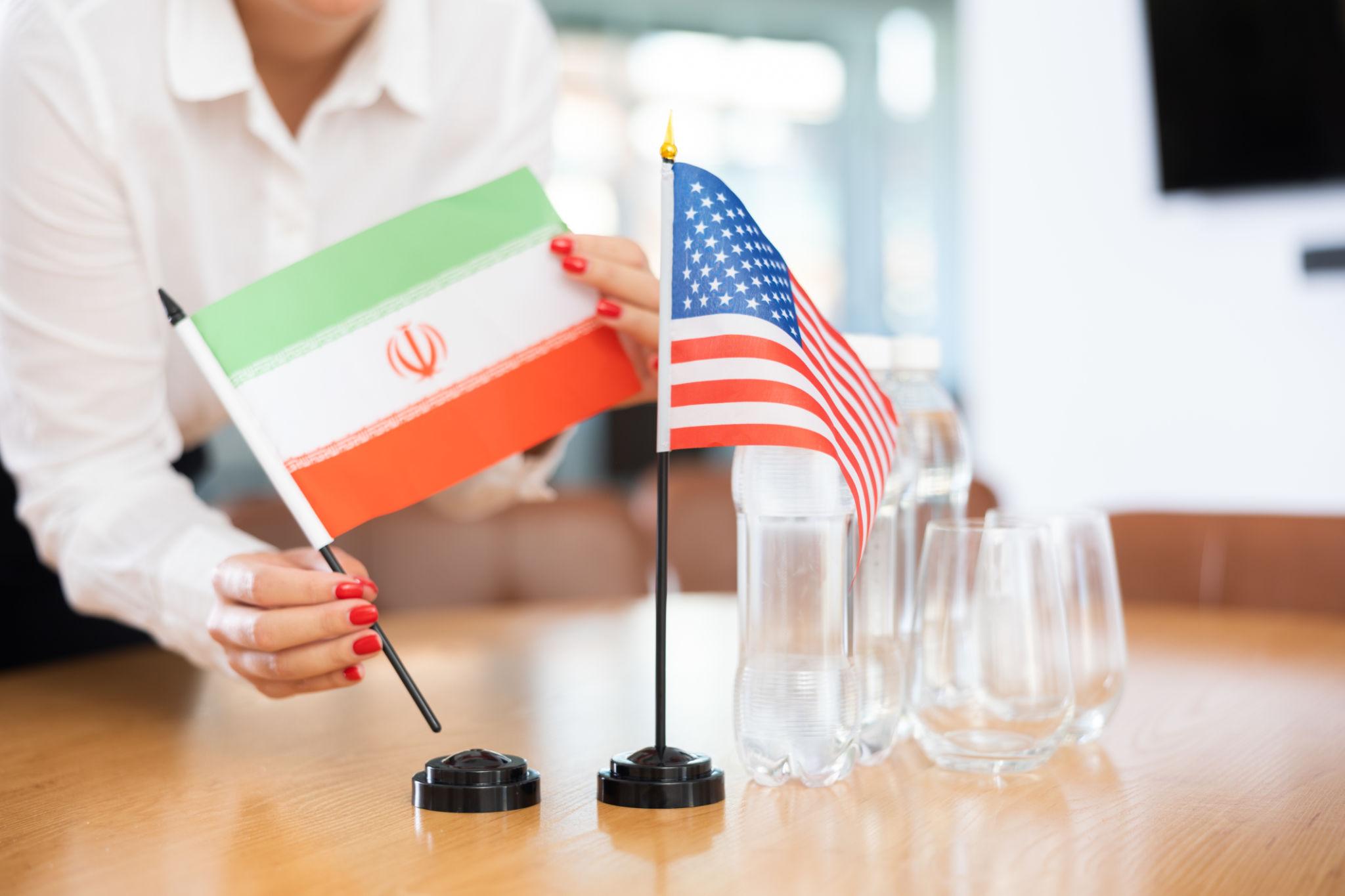
Washington, D.C., United States, Pakistan, April 12, 2026 — Brussels Morning Newspaper — US Iran conflict analysis indicates that there is no immediate prospect for direct talks between Washington and Tehran, as tensions continue to rise following failed negotiations and increasing military pressure. Recent diplomatic efforts, including high-level talks, ended without a breakthrough, reinforcing concerns about a prolonged standoff.
Officials confirmed that indirect communication channels remain active, but both sides remain far apart on key issues, including nuclear policy and sanctions relief. Analysts warn that the absence of direct engagement increases uncertainty and the risk of miscalculation.
A senior policy expert stated,
“US Iran conflict analysis shows a widening gap between expectations and reality. Without direct dialogue, the risks only increase.”
Diplomatic deadlock after failed talks
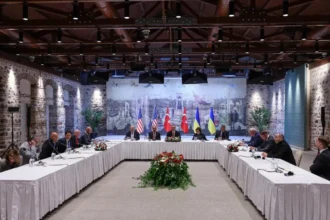
The current US Iran conflict analysis reflects a deepening diplomatic deadlock. After more than 20 hours of negotiations, talks concluded without agreement, highlighting persistent disagreements over core issues.
Key sticking points include nuclear commitments, sanctions relief, and regional influence. These unresolved issues continue to prevent meaningful progress, leaving both sides entrenched in their positions.
Experts suggest that without compromise, future negotiations may face similar outcomes.
Rising tensions and military signals
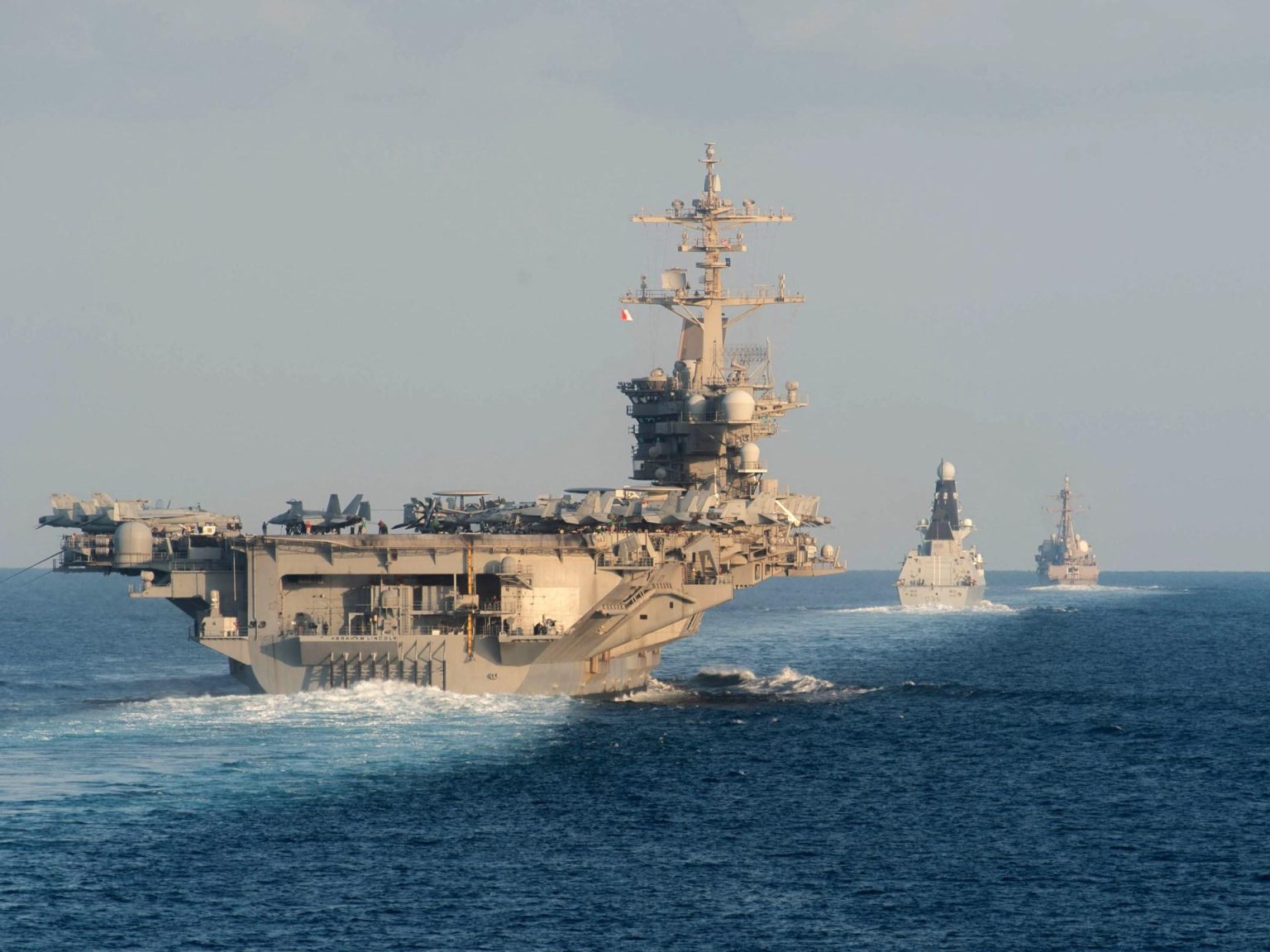
The US Iran conflict analysis is further complicated by rising military activity. Recent developments, including naval movements in strategic waterways, have increased tensions and drawn warnings from Tehran.
The Strait of Hormuz remains a focal point, with its importance to global energy supplies making any disruption a significant concern. Analysts warn that military signaling from both sides could escalate the situation further.
A defense analyst noted,
“US Iran conflict analysis reveals a dangerous mix of stalled diplomacy and active military positioning.”
Economic impact and global markets
The implications of the US Iran conflict analysis extend beyond geopolitics into the global economy. Financial markets have already shown signs of stress, with credit conditions tightening amid uncertainty.
Energy markets are particularly sensitive, as disruptions in the region can affect oil supply and prices. Countries dependent on energy imports are closely monitoring developments.
Economic analysts warn that prolonged instability could lead to broader financial consequences.
Human impact and civilian concerns
The US Iran conflict analysis also highlights the growing human cost of the conflict. Reports indicate that civilians in affected areas are experiencing increasing hardship, including infrastructure damage and economic disruption.
While political leaders focus on strategy, the impact on ordinary people continues to grow. Analysts emphasize that prolonged conflict often leads to long-term social and economic challenges.
A humanitarian observer said,
“The longer this conflict continues, the greater the toll on civilians who have little control over the situation.”
Indirect diplomacy continues
Despite the lack of direct talks, the US Iran conflict analysis shows that indirect diplomacy remains active. Third-party mediators and backchannel discussions are helping maintain communication between both sides.
However, experts caution that indirect engagement alone is unlikely to produce major breakthroughs. Without direct dialogue, progress may remain limited.
A policy analyst explained,
“Indirect talks can keep the door open, but they rarely resolve fundamental disagreements.”
Strategic risks and global implications
The broader US Iran conflict analysis underscores significant strategic risks. The conflict has already disrupted regional stability and raised concerns about wider escalation involving multiple actors.
Global trade routes, particularly through key waterways, remain vulnerable. The interconnected nature of modern geopolitics means that localized tensions can quickly have international consequences.
Experts warn that managing these risks will require coordinated international efforts.
What happens next?
Looking ahead, the US Iran conflict analysis suggests that the path forward remains uncertain. While diplomatic efforts are expected to continue, significant challenges remain.
Future progress will depend on changes in political conditions, strategic priorities, and willingness to compromise. Until then, the risk of escalation remains a key concern.
Observers emphasize the importance of maintaining communication and avoiding actions that could further inflame tensions.
Key facts
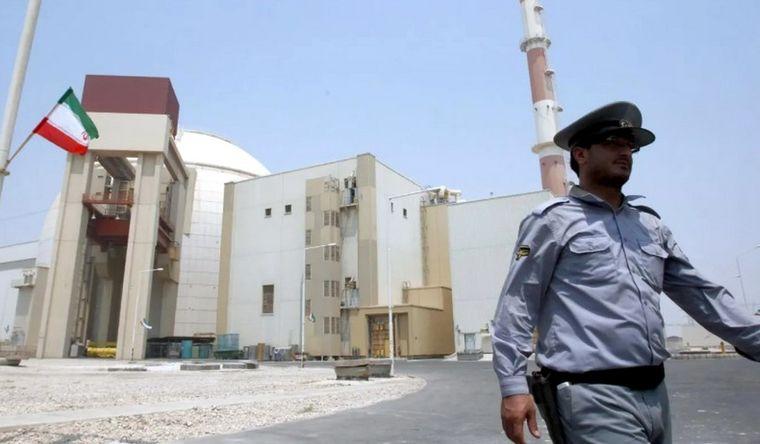
The latest US Iran conflict analysis highlights a complex and evolving situation marked by stalled diplomacy, rising tensions, and significant global implications.
Direct talks remain unlikely in the short term, while indirect channels continue to provide limited engagement. Meanwhile, military activity and economic pressures add to the uncertainty.
As the situation develops, the focus remains on preventing escalation and finding pathways toward meaningful dialogue. The stakes are high, with consequences that extend far beyond the immediate region.