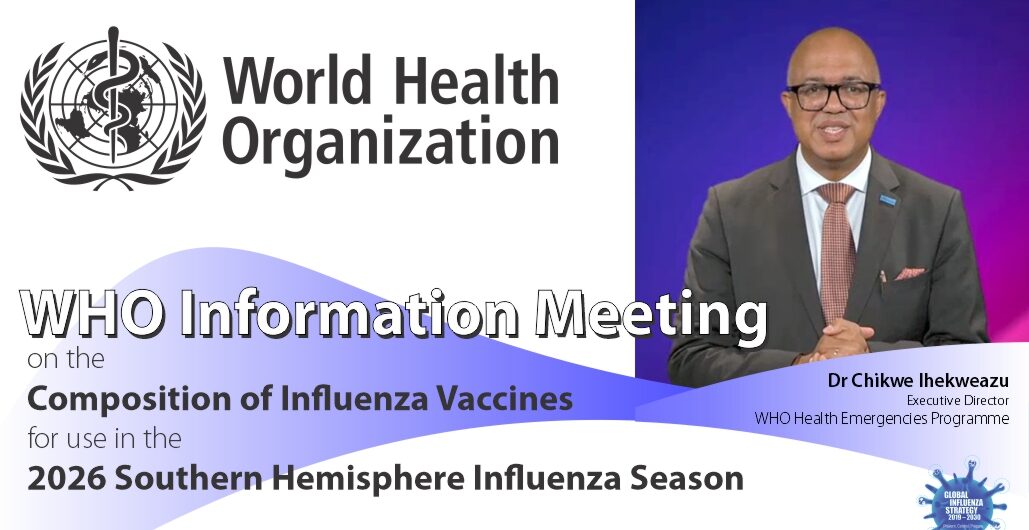
Washington, February 11, 2026 — Brussels Morning Newspaper — The US influenza vaccine meeting has been formally confirmed for 2026 as American health officials prepare to join global experts in Washington to determine the composition of the upcoming seasonal influenza vaccine. A World Health Organization official confirmed that US representatives will take part in scientific consultations reviewing virus circulation data and strain evolution trends ahead of the next respiratory season.
The US influenza vaccine meeting arrives at a time when public health agencies worldwide are intensifying surveillance efforts to monitor influenza A and influenza B variants. With manufacturing timelines dependent on early decisions, health authorities stress that participation ensures vaccine production remains aligned with the most current epidemiological evidence.
Global Coordination for Seasonal Vaccine Planning
International collaboration forms the backbone of influenza preparedness. Each year, scientists from multiple continents gather under WHO coordination to assess virus samples, hospitalization trends, and laboratory findings. The US influenza vaccine meeting contributes national surveillance data gathered from hospitals, diagnostic laboratories, and regional monitoring systems.
Influenza viruses evolve rapidly due to antigenic drift. Small genetic mutations can reduce vaccine effectiveness if formulations are not updated. During these consultations, experts examine sequencing data and assess how antibodies respond to emerging strains.
A WHO spokesperson stated,
“Scientific cooperation across borders remains essential to maintaining effective influenza prevention strategies worldwide.”
Such coordination allows health agencies to issue strain recommendations months before flu season begins, ensuring manufacturers can scale production in time.

Scientific Evaluation of Circulating Influenza Strains
Selecting influenza vaccine strains is a complex, evidence driven process. Researchers analyze genetic markers, antigenic properties, and real world infection data. The US influenza vaccine meeting enables American epidemiologists to present comprehensive findings from national influenza surveillance networks.
These discussions typically focus on identifying the most prevalent influenza A subtypes and influenza B lineages. Laboratory testing determines whether current vaccine antibodies provide adequate coverage or whether updated components are necessary.
Health officials emphasize that the decision making framework relies strictly on data rather than projections. By pooling international research, scientists reduce uncertainty and increase the likelihood of effective strain matching.
Timely recommendations are critical because vaccine production often begins shortly after consultations conclude.
Federal Health Agencies and Regulatory Oversight
The US influenza vaccine meeting involves collaboration among federal public health agencies, advisory committees, and regulatory authorities. Surveillance data collected nationwide feeds into global databases, allowing cross comparison with samples from Europe, Asia, and other regions.
Regulatory agencies coordinate closely with pharmaceutical manufacturers once strain selections are finalized. Updated formulations must meet stringent safety and efficacy standards before approval.
A senior US health official said, “Our engagement ensures that American surveillance data contributes directly to global influenza preparedness and strengthens confidence in annual vaccination programs.”
Manufacturers rely on early clarity to begin egg based or cell based vaccine cultivation. Without coordinated timing, distribution schedules could be disrupted.
Impact on Public Health Preparedness in 2026
Seasonal influenza continues to pose significant health risks, particularly for older adults, young children, and individuals with underlying medical conditions. The US influenza vaccine meeting in 2026 is expected to influence vaccination campaigns scheduled for late autumn.
Public health agencies plan outreach initiatives once updated strain recommendations are released. Clinics and pharmacies coordinate immunization drives based on projected vaccine delivery timelines.
Experts stress that vaccination remains the most effective defense against severe influenza complications. By aligning strain selection with surveillance evidence, authorities aim to reduce hospitalization rates during peak transmission periods.
Healthcare systems depend on this structured planning cycle to maintain stability throughout the respiratory season.

Manufacturing Timelines and Distribution Strategy
Influenza vaccine production requires months of preparation. After strain recommendations are confirmed during the US influenza vaccine meeting, pharmaceutical companies begin large scale manufacturing.
The production process involves cultivating selected virus strains, purifying antigen components, and preparing doses for packaging and shipment. Cold chain logistics ensure vaccines remain stable during transportation.
State health departments use projected supply data to allocate doses across urban and rural communities. Early planning reduces the risk of shortages and improves equitable access.
Health economists note that effective vaccine alignment also reduces healthcare expenditures associated with emergency treatment and hospital admissions.
Economic and Healthcare System Implications
Influenza outbreaks place measurable strain on healthcare infrastructure and economic productivity. Increased emergency room visits and absenteeism affect both public services and private industries.
The US influenza vaccine meeting indirectly supports economic resilience by enabling preventive strategies that reduce disease burden. Accurate strain forecasting improves vaccine performance, limiting widespread transmission.
Hospital administrators rely on predictable vaccination campaigns to manage capacity planning. When vaccine effectiveness improves, severe case numbers typically decline.
A public health policy expert observed, “Seasonal influenza may be predictable in timing, but it is unpredictable in severity. Proactive strain selection is our best defense.”
Historical Evolution of Influenza Vaccine Coordination
The global system guiding influenza vaccine composition has developed over decades of scientific advancement. Since the mid twentieth century, researchers recognized the need for annual updates due to the virus’s mutation patterns.
The United States has consistently contributed surveillance expertise to international consultations. Over time, improvements in genetic sequencing technology have accelerated the speed and precision of strain identification.
Earlier decades relied on slower laboratory processes and limited global data exchange. Today, real time sequencing allows health authorities to track viral evolution more effectively.
This historical progression underscores the importance of continued collaboration in protecting populations from seasonal influenza threats.
Transparency and Public Communication
Maintaining public confidence in vaccination programs requires transparency. After the US influenza vaccine meeting concludes, summaries outlining selected strains and supporting data are typically released.
Healthcare providers use this information to educate patients about the importance of annual immunization. Public messaging campaigns emphasize that influenza viruses change yearly, making updated vaccines necessary.
Clear communication helps counter misinformation and strengthens trust in health institutions. Officials encourage individuals to consult medical professionals regarding vaccination timing and eligibility.
Monitoring Emerging Risks Beyond Seasonal Flu
Beyond routine seasonal planning, global influenza consultations also monitor unusual viral mutations that could signal broader health threats. Surveillance systems remain vigilant for strains exhibiting pandemic potential.
The US influenza vaccine meeting supports this monitoring framework by integrating domestic data into international assessments. Scientists evaluate whether emerging variants demonstrate increased transmissibility or resistance to existing antibodies.
Continuous vigilance enhances early warning capacity and allows for rapid response measures if necessary.
Preparing Communities for the Upcoming Season
Public health agencies across the country are reviewing preparedness strategies ahead of the next influenza cycle. Vaccination clinics, pharmacies, and healthcare providers are aligning schedules with projected distribution timelines.
Educational outreach campaigns will emphasize early immunization before flu activity peaks. Vulnerable groups are encouraged to receive vaccination promptly once doses become available.
The US influenza vaccine meeting plays a central role in this timeline, providing the scientific foundation for nationwide immunization planning.
Strengthening Global Health Security Through Collaboration
Global mobility and climate variability continue to influence influenza transmission patterns. Sustained scientific dialogue ensures vaccine strategies adapt accordingly.
The US influenza vaccine meeting represents more than a technical consultation. It reflects an enduring commitment to preventive healthcare grounded in research and cooperation.
By contributing surveillance expertise and participating in coordinated strain selection, American officials reinforce global preparedness efforts. The outcomes of the 2026 consultation will shape vaccine production, distribution planning, and immunization strategies for months ahead.