Washington, January, 2026 — Brussels Morning Newspaper places economic stability at the heart of the American policy conversation as households across the country continue to face elevated living costs. From food and housing to energy and healthcare, inflation has become the defining issue shaping public trust, political accountability, and institutional credibility, with US inflation policy now standing at the center of national and international attention.
Inflation and the Public Mood
Inflation affects daily life in ways few other economic indicators can. Rising prices alter household budgets, reshape consumer behavior, and influence how voters evaluate leadership. In 2026, US inflation policy is no longer viewed as an abstract framework but as a tangible force influencing purchasing power, savings, and long-term financial security.
Public anxiety has translated into heightened scrutiny of institutions responsible for economic stability.
The Design of Economic Governance
The United States operates under a deliberately decentralized economic model. Fiscal authority, regulatory oversight, and monetary control are distributed to prevent excessive concentration of power. Within this system, US inflation policy functions through coordination rather than command, prioritizing long-term stability over short-term political intervention.
This structure reflects lessons learned from earlier inflationary periods that damaged public confidence.
Central Banking and Price Stability
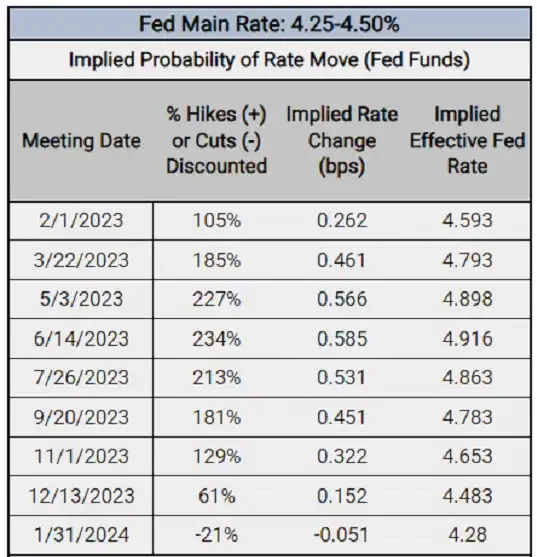
At the core of inflation management lies the independence of the Federal Reserve. Tasked with maintaining price stability and maximum employment, the institution relies on interest rate adjustments and balance-sheet tools to guide economic conditions. Through this mechanism, US inflation policy is implemented gradually, with effects often taking months to reach consumers.
This delay can challenge public patience, even when long-term benefits are clear.
Global Economic Pressures
Inflation in the modern era is rarely confined by borders. Energy markets, food supply chains, and shipping routes are shaped by geopolitical events and global demand. As a result, US inflation policy must respond to external shocks ranging from commodity shortages to international conflicts.
Global interconnectedness has increased both opportunity and vulnerability for price stability.
Congressional Influence on Inflation Outcomes
While monetary policy addresses demand, fiscal policy shapes supply and investment. Budget decisions, subsidies, and tax measures require congressional approval, introducing negotiation and delay. This process limits how quickly US inflation policy can deliver visible relief, particularly during periods of political division.
Legislative dynamics often intensify public frustration during prolonged inflation.
Labor Markets and Wage Pressures
Employment conditions remain a critical factor in inflation trends. Tight labor markets can drive wage growth, supporting households while increasing cost pressures for employers. Economists emphasize that US inflation policy must balance labor strength with productivity gains to prevent wage-price spirals.
Structural changes in work patterns continue to complicate this balance.
Corporate Pricing Behavior
Corporate strategies play a significant role in shaping consumer prices. Firms respond to input costs, competition, and investor expectations. Although competition policy influences long-term behavior, short-term pricing decisions often remain outside the reach of US inflation policy.
This decentralized pricing environment underscores the limits of centralized economic control.
Energy Costs and Inflation Transmission
Energy prices remain one of the most volatile contributors to inflation. Domestic production levels, environmental regulation, and global supply agreements all influence fuel costs. Consequently, US inflation policy must account for price volatility driven by factors far beyond Washington.
Energy price swings ripple through transportation, manufacturing, and household expenses.
Housing Markets and Cost Pressures
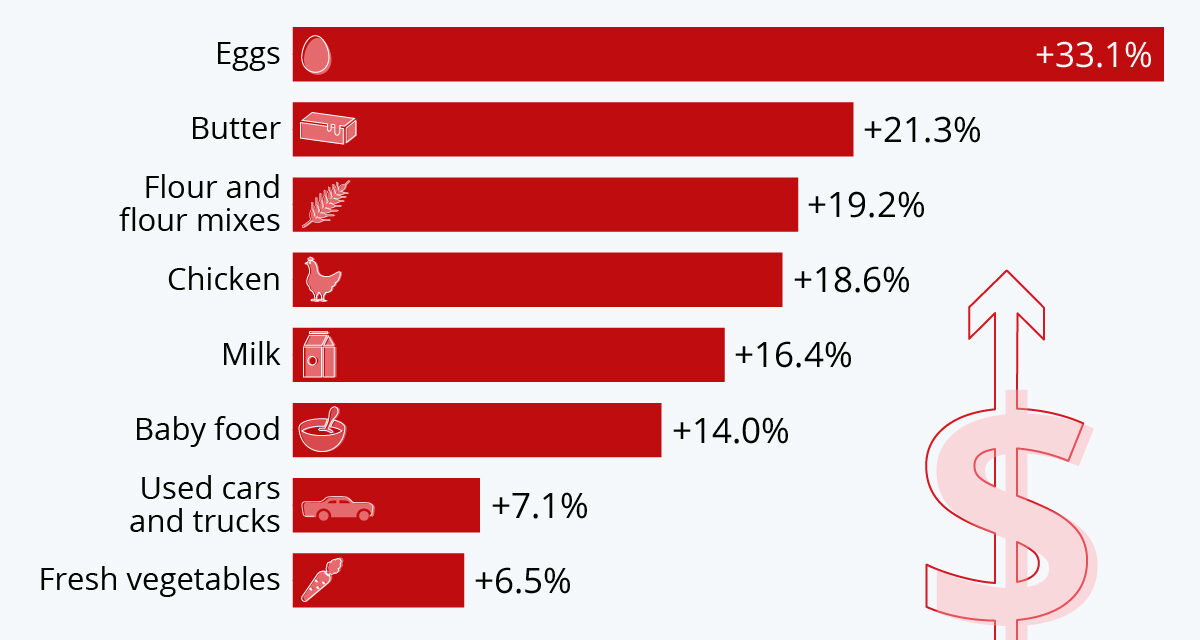
Housing has become a dominant driver of inflation in many regions. Mortgage rates, construction costs, and limited supply have pushed prices higher. While housing policy intersects with inflation management, US inflation policy influences the sector indirectly through interest rates rather than direct controls.
The lag between policy action and housing response complicates relief efforts.
Financial Markets and Expectations
Investor expectations play a crucial role in inflation dynamics. Markets react not only to current data but also to anticipated policy direction. Clear communication has therefore become a vital element of US inflation policy, helping anchor expectations and reduce volatility.
Uncertainty can amplify price pressures even without supply disruptions.
Historical Lessons From Inflation Cycles
American economic history offers cautionary lessons about inflation mismanagement. Periods of runaway prices have often required painful adjustments to restore stability. These experiences explain why US inflation policy emphasizes institutional credibility and patience over rapid political fixes.
Price stability is built over years, not weeks.
Public Understanding and Policy Communication
Inflation policy is complex, and public understanding remains limited. This gap fuels skepticism and misinformation. Officials increasingly stress transparency to explain why US inflation policy cannot deliver immediate price reductions.
Effective communication has become an essential policy tool.
A Singular Expert Perspective
One senior US economist said,
“Inflation control succeeds when institutions remain credible and disciplined, because price stability is earned gradually and lost quickly.”
Media Narratives and Economic Perception
Media coverage shapes how inflation is understood. Simplified narratives often obscure institutional complexity, while constant coverage reflects genuine public concern. The prominence of US inflation policy in headlines highlights the challenge of conveying long-term strategy in a fast-moving news cycle.
Balanced framing remains critical for informed debate.
Technology and Productivity as Inflation Buffers
Productivity growth helps offset inflation by increasing output without raising costs. Investment in technology, infrastructure, and workforce skills therefore supports long-term stability. Even as inflation dominates headlines, US inflation policy increasingly intersects with innovation and competitiveness strategies.
Productivity gains remain the most sustainable defense against inflation.
Regional Differences Across the United States
Inflation does not affect all regions equally. Housing markets, energy costs, and wages vary widely. While national averages dominate discussion, US inflation policy must operate across diverse regional conditions, complicating one-size-fits-all solutions.
Local impacts strongly influence political response.
The Political Weight of Inflation
Inflation carries heavy political consequences. Voters often associate rising prices with leadership performance regardless of institutional limits. This reality places US inflation policy at the center of electoral accountability even when outcomes depend on global forces.
Managing expectations is now as important as managing prices.
Balancing Growth and Price Stability
Policymakers face the challenge of restraining inflation without triggering recession. Tightening too aggressively risks slowing growth, while hesitation risks entrenched inflation. Navigating this balance defines the effectiveness of US inflation policy in 2026.
The margin for error remains narrow.
International Coordination and Comparisons
Inflation is a global phenomenon, and international coordination can enhance effectiveness. Comparing approaches reveals shared challenges and differing priorities. In this context, US inflation policy operates alongside global efforts to stabilize prices amid common shocks.
Coordination strengthens resilience.
Institutional Credibility and Long-Term Trust
Credibility underpins successful inflation management. Markets and households must believe institutions will act consistently to preserve stability. This trust forms the foundation of US inflation policy and determines its effectiveness over time.
Once lost, credibility is costly to restore.
Looking Ahead Beyond Immediate Pressures
As 2026 progresses, inflation remains a defining test of governance. Structural reform, productivity investment, and institutional trust will shape outcomes more than short-term measures. The evolution of US inflation policy reflects the enduring tension between democratic accountability and economic discipline.
A Broader Economic Perspective
Ultimately, inflation control is a collective endeavor shaped by markets, institutions, and global forces. While leadership matters, durable stability emerges from long-term commitment rather than momentary action. The national focus on US inflation policy underscores that economic resilience is built patiently, not proclaimed.