
In 2026, Washington DC, federal health officials released sweeping nutrition advice that could reshape how Americans eat and think about food. According to reporting by Brussels Morning Newspaper, the newly issued US health guidelines place a strong emphasis on increased protein consumption and a sharp reduction in added sugar. The announcement arrives amid growing concern over obesity, diabetes, and rising healthcare costs that continue to weigh heavily on the nation.
The updated framework is being presented as both a public health intervention and a long term investment in national well-being, with authorities stressing that the US health guidelines are designed to be practical rather than prescriptive.
Policy Background and Federal Review
The release follows an extensive federal review involving nutrition scientists, medical professionals, and public health advisers. Officials acknowledged that previous dietary advice struggled to keep pace with changing food environments and consumer behavior. The revised US health guidelines aim to correct that gap by focusing on dietary patterns most closely linked to modern chronic disease.
Health agencies involved in drafting the recommendations say the updated approach reflects lessons learned from years of population health data and clinical research.

Why National Nutrition Advice Is Changing
Public health data has consistently shown that diet related illness remains one of the most persistent challenges in the United States. Policymakers argue that without clearer guidance, preventable diseases will continue to strain the healthcare system. The revised US health guidelines are intended to address these trends directly by encouraging higher quality nutrition across all age groups.
Officials say the changes are not driven by ideology but by measurable health outcomes observed over time.
Protein Takes a Central Role
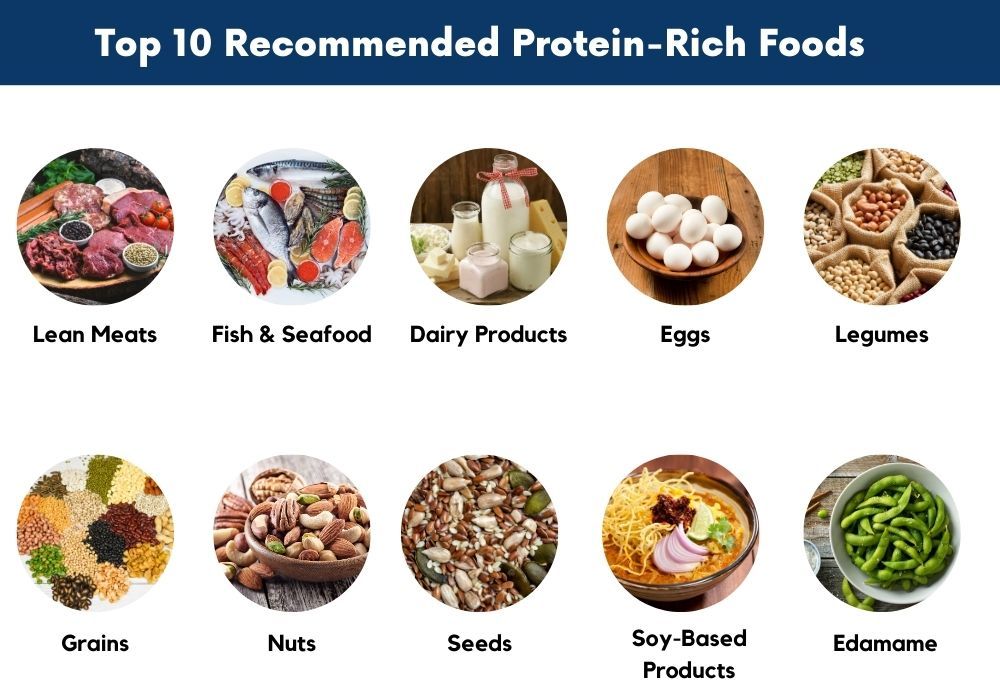
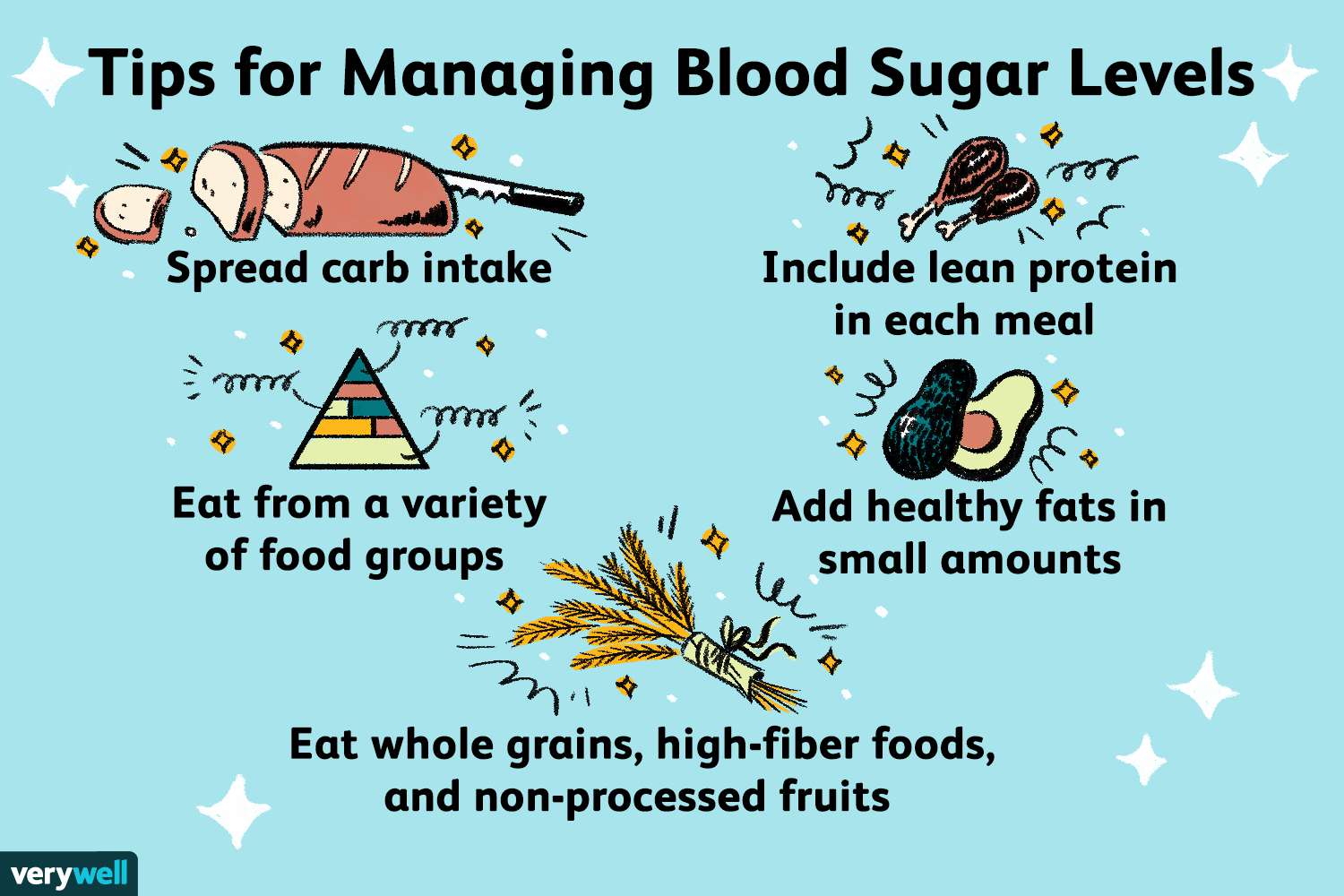
One of the most notable shifts in the revised US health guidelines is the elevated role of protein in daily meals. Health experts advising the government point to evidence showing that adequate protein supports muscle maintenance, metabolic health, and appetite control.
The guidance encourages a variety of sources, including lean meats, dairy, legumes, and plant based options, allowing flexibility while maintaining nutritional balance.
Sugar Reduction as a Health Priority
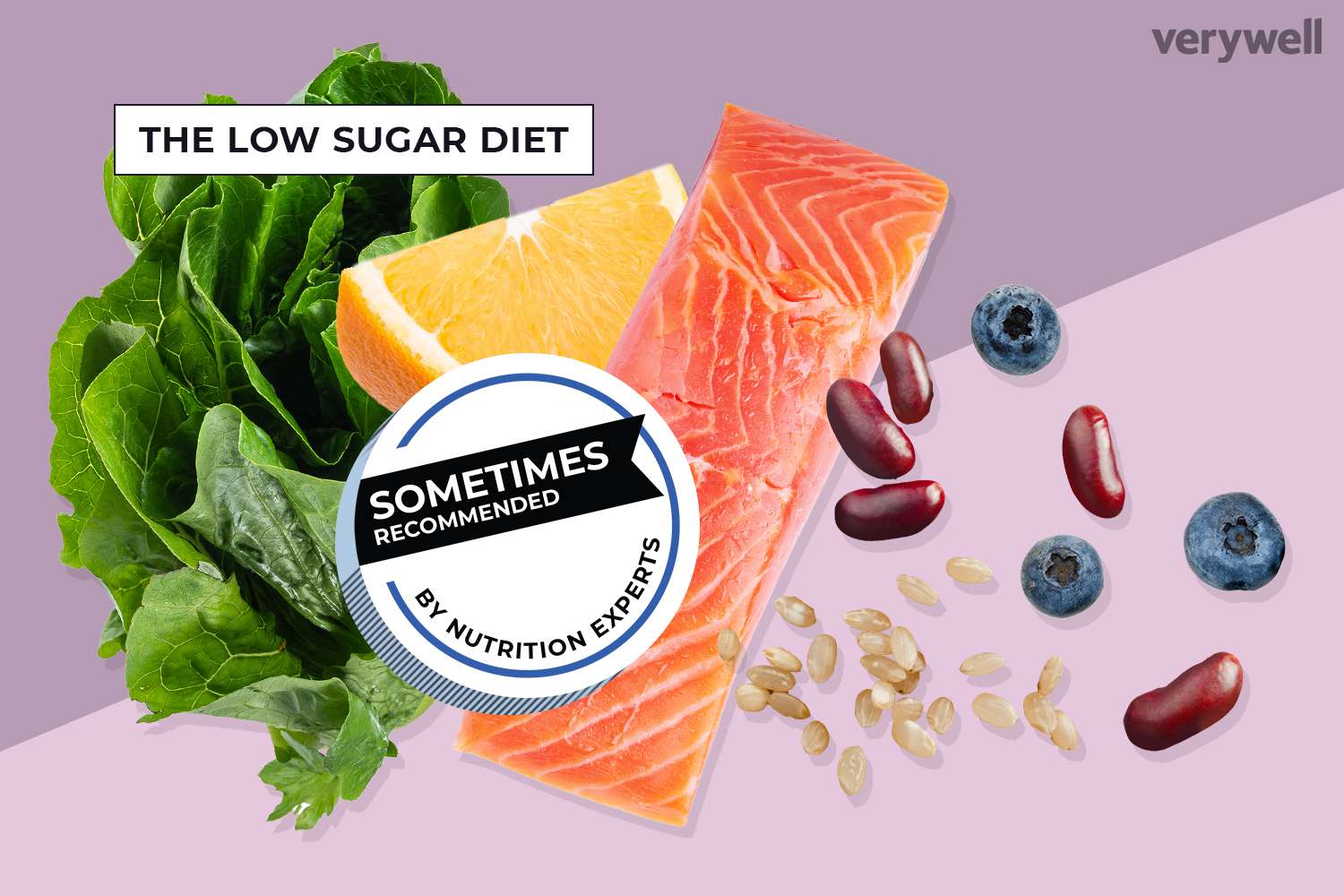
Excess sugar consumption has long been linked to weight gain and metabolic disorders. Under the revised US health guidelines, limiting added sugars is presented as essential to improving long term outcomes. Sugary beverages and processed snacks are singled out as key contributors to excess calorie intake.
Federal officials believe reducing sugar consumption at a population level could lead to meaningful declines in diabetes and cardiovascular disease.
Scientific Evidence and Expert Input
The advisory committee behind the US health guidelines reviewed hundreds of peer reviewed studies. Their findings consistently showed benefits from diets that emphasize nutrient density over highly processed foods.
Researchers involved in the process stress that the recommendations are adaptable and intended to guide choices rather than enforce rigid meal plans.
Impact on Schools and Public Institutions
Implementation of the US health guidelines will extend beyond households. School meal programs, military dining facilities, and hospitals are expected to adjust menus to reflect the updated advice.
Education officials view the changes as an opportunity to reinforce nutrition literacy among children, potentially shaping healthier habits from an early age.
Food Industry and Economic Effects
The food industry is already responding to the revised US health guidelines. Some manufacturers are reformulating products to reduce sugar content and highlight protein values on packaging.
Economists suggest the changes could gradually influence agricultural demand, favoring protein rich production while discouraging excessive use of sugar based ingredients.
Public Reaction and Health Advocacy
Reaction from health advocacy groups has been largely supportive. Many argue that clearer messaging will help consumers navigate conflicting diet trends. Still, some critics caution that access to affordable healthy food remains uneven, regardless of revised US health guidelines.
Federal agencies acknowledge these concerns and emphasize that nutrition advice must be paired with broader food access policies.
A Single Voice From the Debate
“This update reflects a more realistic understanding of modern eating habits and the health risks they create,”
Said one senior public health adviser involved in drafting the recommendations.
What the Changes Mean for Families
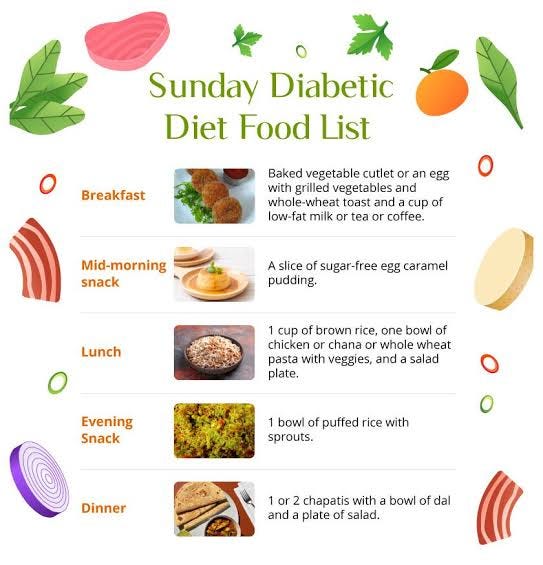
For households, the US health guidelines encourage gradual adjustments rather than drastic change. Officials recommend adding protein to breakfast meals, prioritizing whole foods, and reducing sugary drinks.
Dietitians note that following the guidance does not require expensive specialty products, as affordable staples remain central to balanced diets.
Long Term Health and Prevention Goals
Supporters argue that widespread adoption of the US health guidelines could significantly reduce rates of diet related disease over time. Improved nutrition is also linked to better energy levels, mental well-being, and productivity.
By focusing on prevention, officials hope to ease long term pressure on the healthcare system.
International Perspective
Public health experts note that the revised US health guidelines now align more closely with dietary advice issued in other developed nations. Emphasis on protein quality and sugar reduction reflects a broader global shift in nutrition science.
Observers believe the changes could influence international discussions on food policy and public health strategy.
Challenges to Nationwide Adoption
Despite broad support, implementing the US health guidelines consistently across communities remains a challenge. Income disparities, food deserts, and education gaps can all affect how easily households adopt healthier eating patterns.
Officials stress that collaboration across government, industry, and education sectors will be essential.
Monitoring Outcomes and Future Revisions
Federal agencies plan to monitor health indicators linked to the US health guidelines, including obesity rates and chronic disease prevalence. Future updates will be informed by emerging research and real world outcomes.
Authorities emphasize that adaptability will remain a core principle as dietary science evolves.
A Turning Point in American Nutrition
The 2026 update marks a significant moment in national nutrition policy. By prioritizing protein and reducing sugar, the US health guidelines signal a shift toward clearer, science driven advice.
Whether these changes deliver lasting improvements will depend on public engagement, access, and sustained commitment.
Beyond the Plate Shaping a Healthier Future
As Americans adjust to changing nutrition advice, the revised framework represents more than dietary guidance. The US health guidelines reflect a broader effort to confront chronic disease and strengthen national well-being for years to come.