

Washington, February 12, 2026 — Brussels Morning Newspaper — US controlled Venezuelan oil sales are projected to generate nearly $5 billion in the coming months, according to statements made by Energy Secretary Chris Wright during an interview with NBC News. The development signals a major shift in global energy flows and reflects a recalibrated economic relationship between the United States and Venezuela.
The announcement comes at a pivotal moment in 2026, as global oil markets continue to navigate geopolitical tension, production adjustments, and evolving trade alignments. With American oversight shaping the structure of these transactions, US controlled Venezuelan oil sales are emerging as one of the most consequential energy developments of the year.
A Turning Point in Energy Diplomacy
For more than a decade, Venezuela’s oil industry has struggled under political instability, sanctions, and infrastructure decline. Once producing more than two million barrels per day, the country saw output collapse to historic lows due to underinvestment and restricted access to international markets.
The new framework allowing US controlled Venezuelan oil sales reflects a controlled reentry of Venezuelan crude into mainstream global trade. The United States is overseeing transactions to ensure transparency and regulatory compliance while facilitating production growth.
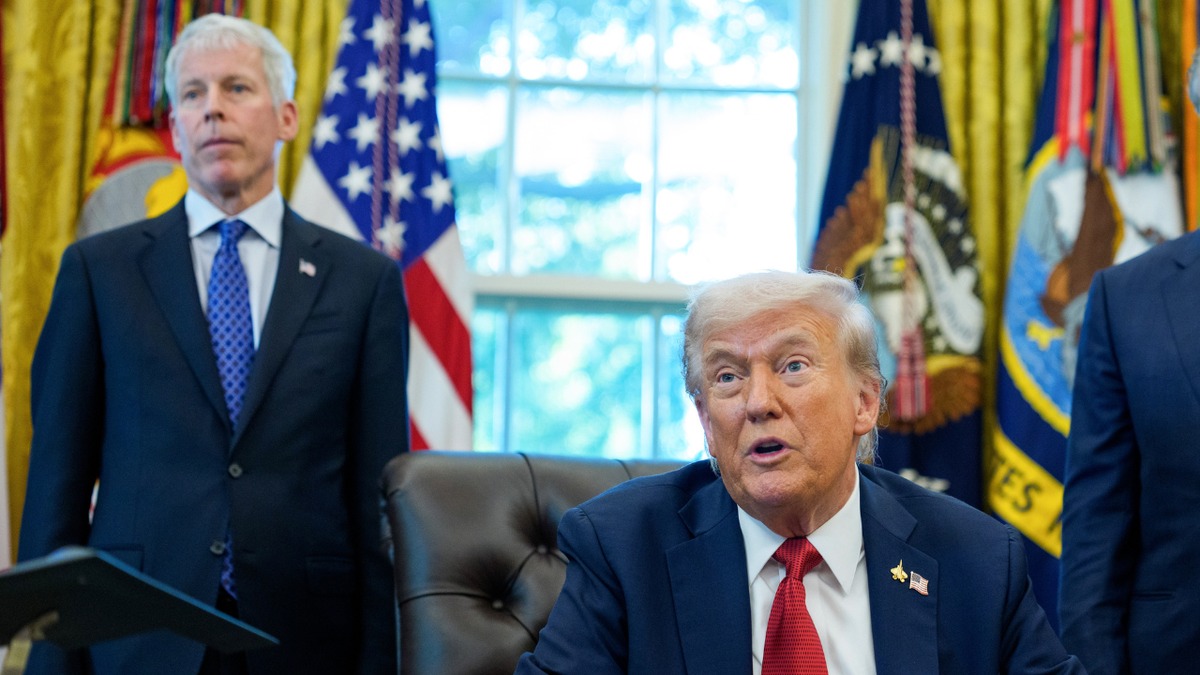
“This is about restoring responsible production and bringing stability to global energy flows,”
Wright said.
That statement captures the balancing act behind the initiative. The United States seeks to strengthen regional supply chains while also maintaining economic oversight. Venezuela, in turn, gains renewed access to critical export revenue.
Revenue Projections and Market Mechanics
Officials estimate that US controlled Venezuelan oil sales could produce approximately $5 billion in revenue within months if output and pricing trends remain stable. The calculation is based on projected export volumes, current global oil prices, and expected incremental production increases from rehabilitated fields.
Heavy Venezuelan crude is particularly valuable to U.S. Gulf Coast refineries, many of which were originally engineered to process similar grades. This compatibility provides an operational advantage and reduces logistical friction compared to sourcing alternative heavy crude supplies from more distant producers.
While the revenue forecast remains subject to market fluctuations, analysts believe it is attainable if production ramp-ups continue steadily throughout 2026.
Historical Collapse and Gradual Recovery
Venezuela’s oil wealth once fueled one of Latin America’s strongest economies. The country possesses some of the largest proven oil reserves in the world, largely concentrated in the Orinoco Belt. However, production deteriorated sharply beginning in 2014 amid political disputes, sanctions, and declining maintenance investment.
Refineries, pipelines, and drilling infrastructure suffered from neglect. Skilled labor migrated abroad. Output dropped below half a million barrels per day at its lowest levels.
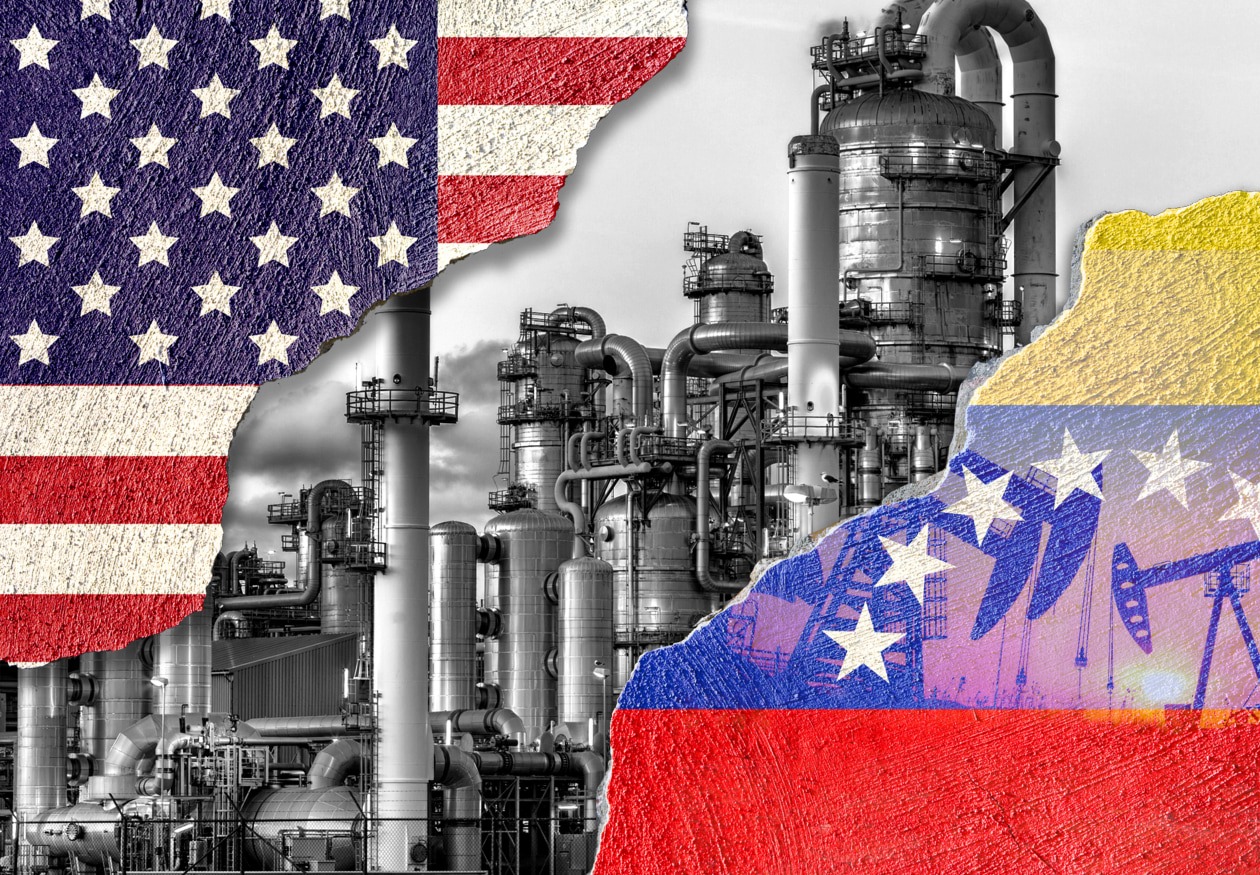
The introduction of US controlled Venezuelan oil sales represents an effort to reverse that downward spiral through structured, supervised engagement rather than sudden deregulation.
Recovery will not occur overnight. Infrastructure rehabilitation requires capital, technical expertise, and time. Still, energy economists note that even moderate increases in production can generate substantial revenue due to scale and price dynamics.
Impact on Global Oil Markets
Oil markets are highly sensitive to supply shifts. Even incremental increases in available crude can influence price stability, especially when other producing regions face uncertainty.
The presence of US controlled Venezuelan oil sales introduces additional supply into global circulation, potentially easing pressure on refineries seeking heavy crude blends. However, experts caution that the initiative alone will not dramatically reduce global prices. Instead, it may provide stabilizing support against volatility.
Energy traders are closely monitoring export data to assess whether volumes align with official projections. If output rises consistently, the initiative could contribute to moderate price equilibrium in 2026.
Role of American Energy Companies
Several American firms are positioned to benefit from renewed operations linked to US controlled Venezuelan oil sales. Companies with prior investments in Venezuelan fields have expressed interest in expanding production under revised agreements that provide clearer regulatory oversight.
Technical modernization will be central to sustained growth. Upgraded drilling technology, improved pipeline integrity, and enhanced safety protocols are necessary to ensure long-term output stability.
Energy executives remain cautious but optimistic. The presence of U.S. oversight reduces compliance uncertainty and may encourage gradual capital reinvestment in previously dormant assets.

Diplomatic Implications
Beyond economics, the initiative carries diplomatic significance. For years, relations between Washington and Caracas were characterized by tension and restricted engagement. The supervised reactivation of exports signals a measured recalibration rather than full normalization.
The structure of US controlled Venezuelan oil sales suggests a pragmatic approach designed to balance geopolitical concerns with economic realities. Washington maintains oversight authority while facilitating commercial activity that benefits both countries.
Political analysts note that domestic developments inside Venezuela will influence how durable this arrangement proves to be. Stability and governance reforms remain key variables in determining long-term viability.
Economic Consequences Inside Venezuela
For Venezuela, the projected revenue provides crucial fiscal support. Oil remains the nation’s primary export commodity and central revenue source. Renewed sales offer the possibility of funding infrastructure repair, stabilizing public finances, and restoring partial investor confidence.
Economists emphasize that sustainable recovery requires broader economic diversification. Nonetheless, US controlled Venezuelan oil sales create a foundation for incremental improvement in employment and public revenue streams.
If revenues are managed transparently and reinvested effectively, the impact could extend beyond short-term stabilization into longer-term structural rebuilding.
Infrastructure Realities and Production Limits
While optimism surrounds the $5 billion projection, operational realities remain complex. Years of equipment degradation have limited Venezuela’s production capacity. Wells require maintenance, pipelines need inspection, and export terminals must meet safety standards.
Production growth will likely occur in phases. Early gains may stem from reactivating previously idle wells rather than launching entirely new drilling campaigns. Over time, deeper field redevelopment could follow.
Energy engineers suggest that realistic growth targets depend on sustained cooperation and access to modern technology.
Strategic Significance for the United States
From an American perspective, the initiative strengthens regional supply diversification. Western Hemisphere sourcing reduces transportation risks and geopolitical exposure associated with distant suppliers.
US controlled Venezuelan oil sales align with broader energy security goals by expanding access to compatible crude supplies while maintaining oversight safeguards.
This approach reflects a pragmatic energy policy designed to balance domestic refining needs with international stability considerations.
Investor Sentiment and Forward Outlook
Financial markets have reacted with measured interest. Investors recognize the economic scale of renewed exports but remain cautious about political volatility.
If production increases match official expectations, confidence in the Western Hemisphere energy corridor could strengthen in the latter half of 2026. Energy equities, logistics providers, and refining operations may see incremental benefits tied to stable supply flows.
At the same time, market participants understand that oil prices depend on global supply dynamics far beyond any single bilateral arrangement.
A Controlled Energy Reentry
The broader narrative surrounding US controlled Venezuelan oil sales extends beyond immediate revenue. It represents a structured reentry of a major oil-producing nation into regulated trade channels under close supervision.
This framework aims to restore production discipline, reinforce market transparency, and reduce the unpredictability that has characterized Venezuelan exports in recent years.
Whether the initiative evolves into a long-term partnership or remains transitional will depend on sustained stability and consistent output growth.