
Brussels, the capital city of Belgium, holds a unique position on the European political map. It is home to both the European Union’s Parliament and the national Belgian Parliament. While these two legislative bodies share the same city, their roles, powers, scopes, and histories differ significantly. Understanding the distinction between the European Parliament and Belgium’s Parliament is essential for anyone interested in European politics, governance, or the administrative complexities of Brussels.
- The European Parliament in Brussels: Representing the European Union
- The Belgian Parliament in Brussels: Governing the Belgian Nation
- Fundamental Differences Between the EU Parliament and the Belgian Parliament
- The Historical Evolution of the Belgian Parliament in Brussels
- Brussels: The Capital Hub for National and European Powers
- Daily Operations and Public Perception
This article explores the fundamental differences between these two parliaments in Brussels, details the history of the Belgian Parliament, and offers insight into their significance at national and European levels.
The European Parliament in Brussels: Representing the European Union
The European Parliament is one of the main legislative bodies of the European Union, elected every five years by citizens across all 27 member states. It plays a critical role in shaping and approving EU laws, budgetary decisions, and supervising other EU institutions.
Structure and Powers
Unlike most national parliaments with a single fixed seat, the European Parliament operates across three cities: Strasbourg (France), Brussels (Belgium), and Luxembourg (administrative offices). Brussels hosts the majority of the committee meetings and additional plenary sessions apart from the official plenary meetings in Strasbourg.
The Parliament holds legislative power jointly with the Council of the European Union and supervises the European Commission. Its competencies span wide policy areas, inclusive of trade, environment, human rights, digital policies, and consumer protection—impacting all EU member states uniformly.
Representation and Seats
Members of the European Parliament (MEPs) are elected using proportional representation in their respective countries, representing European citizens as a whole. Brussels houses the Parliament’s main committee workspaces and a plenary hemicycle, emphasizing its central role within EU governance even though Strasbourg remains the official seat for certain plenary sessions.
The Belgian Parliament in Brussels: Governing the Belgian Nation
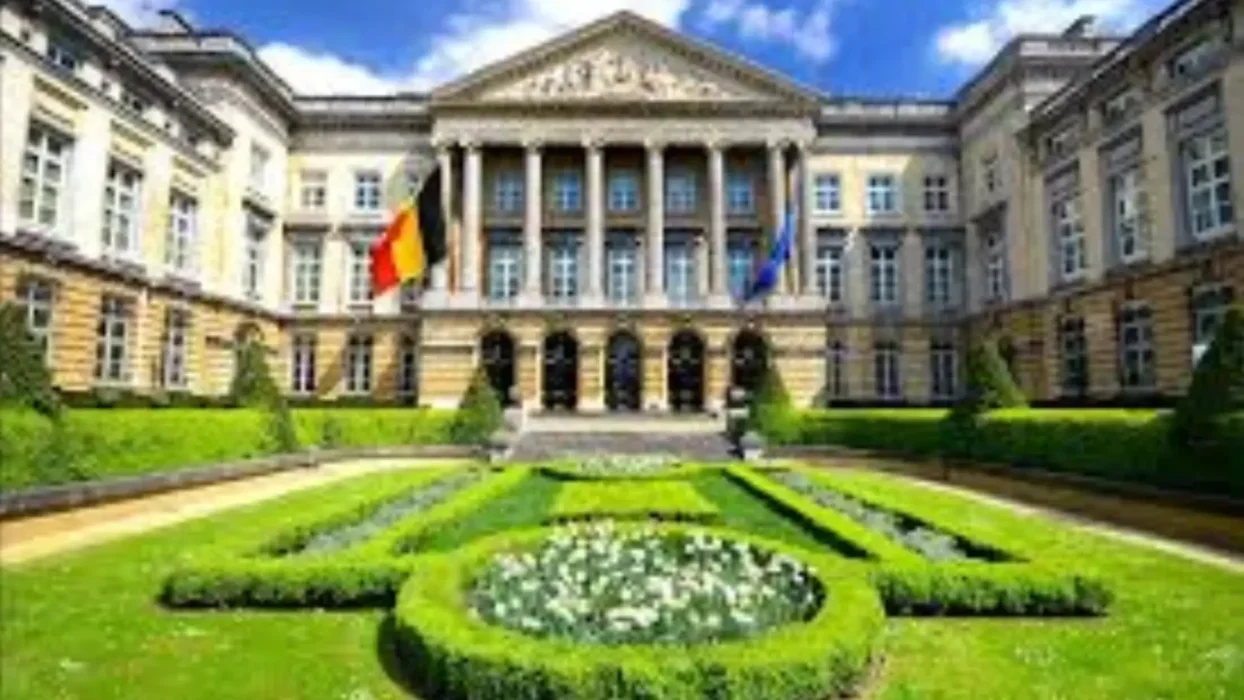
In contrast to the European Parliament’s supra-national role, the Belgian Parliament is the national legislature of the Kingdom of Belgium. It governs Belgian domestic affairs within the federal constitution, representing its citizens on national and federal issues.
Structure and Powers
The Belgian Parliament consists of two chambers: the Chamber of Representatives and the Senate. This bicameral parliament handles legislation on national matters, including justice, taxation, national security, social benefits, and internal governance. Belgium’s complex federal organization divides powers between federal, regional, and community governments, but the Belgian Parliament maintains prerogatives over nationwide legislation.
Elected members represent Belgium’s five Flemish and Walloon provinces, as well as the Brussels-Capital Region, reflecting the country’s multilingual and regional diversity. The Chamber holds primary legislative power, whereas the Senate serves more consultative and community representation functions following reforms.
History of the Belgian Parliament in Brussels
Belgium’s modern parliamentary system arose after the country gained independence in 1830. The Parliament has convened in Brussels since its inception, operating from the iconic Palace of the Nation. Over nearly two centuries, it has witnessed Belgium’s evolution from a unitary to a federal state, navigating linguistic tensions and regional autonomy within the capital region.
The Brussels Parliament symbolizes Belgium’s political and cultural complexities and continues to adapt to democratic and federal demands.
Fundamental Differences Between the EU Parliament and the Belgian Parliament
| Aspect | European Parliament | Belgium Parliament |
| Scope | Represents 27 EU member states, and supranational laws affecting all countries | Governs the Kingdom of Belgium nationally on federal matters |
| Legislative Powers | Co-legislates EU-wide laws, approves the EU budget, and supervises the EU executive | Legislates Belgian federal laws, oversees national governance |
| Representation | MEPs elected by citizens of all EU member countries | Representatives elected by Belgian citizens at the national level |
| Location in Brussels | Operates from the European Quarter, committee rooms, and plenary sessions | Meets in the Palace of the Nation in central Brussels |
| Language and Community | Multilingual, reflecting all EU languages | Reflects Belgium’s linguistic communities: Dutch, French,and German |
| Historical Origin | Emerged post-WWII with European integration efforts | Established 1830, following Belgian independence |
| Focus of Legislation | EU-wide policies: trade, environment, consumer protection, digital market | National matters: defense, taxation, social security, internal policies |
| Seats and Buildings | Parliament buildings are spread across Brussels, Strasbourg, and Luxembourg | Parliamentary sessions are centralized in the Palace of the Nation |
The Historical Evolution of the Belgian Parliament in Brussels
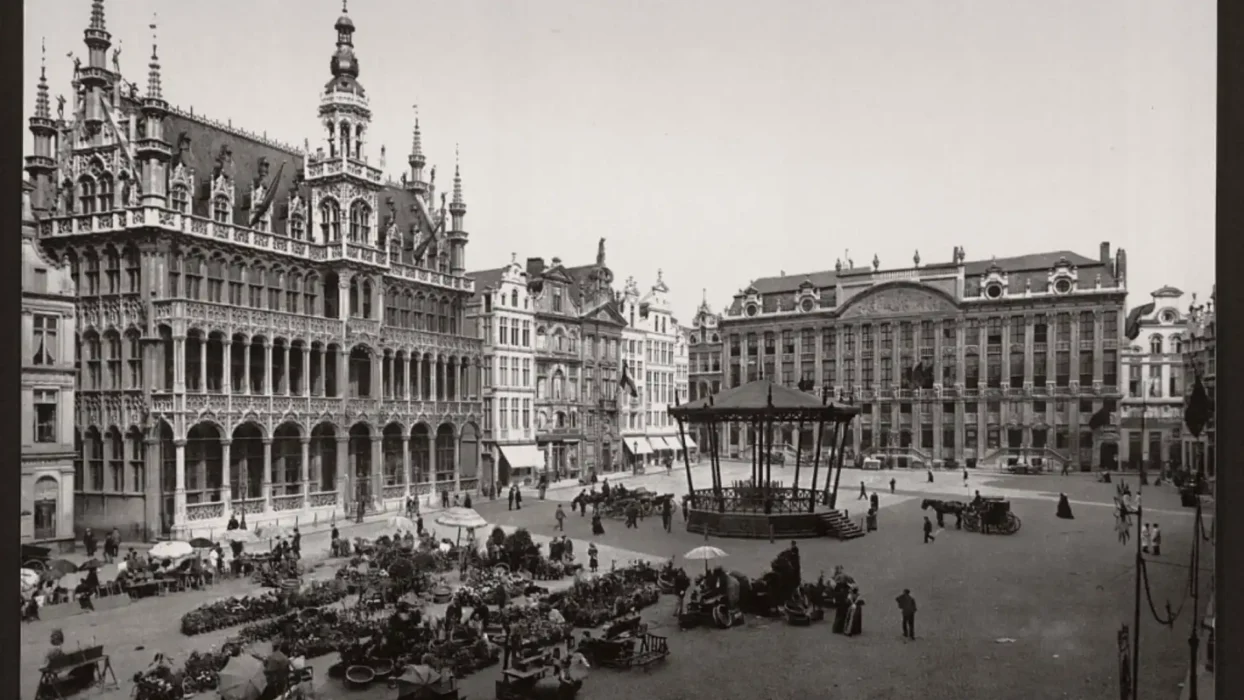
The Belgian national parliament’s journey began with the country’s independence from the Netherlands in 1830. Brussels was chosen as the capital and the political heart of the new nation, housing the Parliament within the Palace of the Nation. This building, rich with 19th-century architecture, stands as a testament to Belgium’s constitutional monarchy and evolving democracy.
Over the decades, Belgium’s political system has transformed substantially. The country embraced federalism to reconcile tensions between Dutch-speaking Flanders, French-speaking Wallonia, and the bilingual Brussels-Capital Region. This division introduced community parliaments, such as the Flemish and French Community Parliaments, operating alongside the federal Belgian Parliament in Brussels.
This intricate political structure preserves Belgium’s unity while honoring regional identities. Brussels, as a bilingual region, sits at the confluence of this dynamic, hosting multiple layers of governance.
Brussels: The Capital Hub for National and European Powers
Brussels’s status as the EU’s de facto capital stems from its hosting of core European institutions such as the European Commission, Council of the European Union, and European Council, alongside the European Parliament’s significant presence. The rationale for selecting Brussels included its geographic location at the heart of Western Europe and its historical neutrality between major European powers, facilitating cooperation and integration.
For Belgium, Brussels remains the seat of the national government branch, including the Belgian Parliament, the Federal Government, and the Constitutional Court, making it a unique city where regional, national, and supranational legislatures coexist.
This multi-layered political environment fuels Brussels’s economic vitality and international significance, providing tens of thousands of diplomatic, civil service, and political jobs to the city.
Daily Operations and Public Perception
In practice, the European Parliament holds committee meetings and some plenary sessions in Brussels due to the proximity of other EU institutions. Meanwhile, the Belgian Parliament meets regularly within the Palace of the Nation, addressing legislation specific to Belgium.
While the European Parliament deals with policy areas affecting all EU citizens, the Belgian Parliament oversees issues within Belgium’s national framework. Citizens elect representatives to the national parliament who legislate on nationality-specific concerns, whereas MEPs represent broader European interests.
Some residents and observers sometimes conflate these parliaments due to their physical proximity in Brussels, but their powers and electorates differ distinctly.
Understanding the difference between the EU Parliament and the Belgian Parliament in Brussels illuminates the complexity of governance in one of Europe’s most politically significant cities. The European Parliament operates on a supranational level, legislating for over 400 million people across member countries, influencing everything from trade to environmental policy. The Belgian Parliament functions nationally, shaping laws that reflect Belgium’s unique federal and bilingual character.
The histories of these institutions reflect Europe’s postwar reconciliation and Belgium’s complex internal dynamics. Together in Brussels, they symbolize the intricate tapestry of European and Belgian democracy coexisting side by side, each vital to the political landscape in its own right.
Dear reader,
Opinions expressed in the op-ed section are solely those of the individual author and do not represent the official stance of our newspaper. We believe in providing a platform for a wide range of voices and perspectives, even those that may challenge or differ from our own. We remain committed to providing our readers with high-quality, fair, and balanced journalism. Thank you for your continued support.