

The Feast Day of the French Community, celebrated annually on September 27th, is a special occasion deeply rooted in the history and culture of Belgium’s French-speaking population. Also called the Day of the French Community or French Community Day, this day commemorates a decisive moment during the Belgian Revolution of 1830 — the victory of the French-speaking Walloon revolutionaries over the Dutch army, marking Belgium’s path to independence.
More than a mere public holiday, the Feast Day is an expression of cultural pride and unity among the Walloon people and the French-speaking institutions of Belgium, manifesting itself through vibrant festivities that celebrate language, heritage, and communal identity.
Historical Background and Origins
The origins of the Feast Day trace directly to the Belgian Revolution, a pivotal uprising against Dutch rule that began in August 1830. Tensions came to a head during a performance of Daniel Auber’s opera La Muette de Portici, which stirred nationalist and revolutionary emotions among the audience. The crowd erupted into riots and stormed government buildings in Brussels, fuelling a citywide insurrection.
The Dutch royal army, under Prince Frederik, mounted successive attempts to suppress the revolt and recapture Brussels between September 23rd and 26th. Despite these efforts, the revolutionaries — largely those from the French-speaking Wallonia region — successfully defended the city.
On the night of September 26th to 27th, the Dutch forces withdrew, ending their control over the capital. This retreat was a critical turning point that led to Belgium’s declaration of independence and the establishment of a provisional government.
The Feast Day was officially designated on September 27th in 1975 following a proposal by Walloon politician Fernand Massart. Its purpose was to honor the French-speaking revolutionaries’ victory and to assert the distinct cultural and linguistic identity of the French Community within the emerging federal structure of Belgium.
Cultural and Social Significance
Today, the Feast Day of the French Community symbolizes the resilience, pride, and rich cultural heritage of Belgium’s francophone population. It serves as a day to celebrate the French language, cultural traditions, and the contributions of French-speaking Belgians to the national mosaic. Schools are closed across the French-speaking areas, and public institutions often observe the holiday.
Festivities include large-scale concerts featuring francophone artists, theatrical performances, sporting events, and community gatherings. The Walloon flag, featuring the iconic “Rooster” emblem, is prominently displayed as a symbol of local identity and unity. Beyond entertainment, the event reinforces a sense of belonging and intergenerational transmission of the French-speaking cultural legacy.
The day is not just historical remembrance; it is a vibrant celebration of language and culture that fosters solidarity among the French Community and invites a wider appreciation of Belgium’s linguistic diversity.
The Belgian Revolution and Its Impact on National Identity
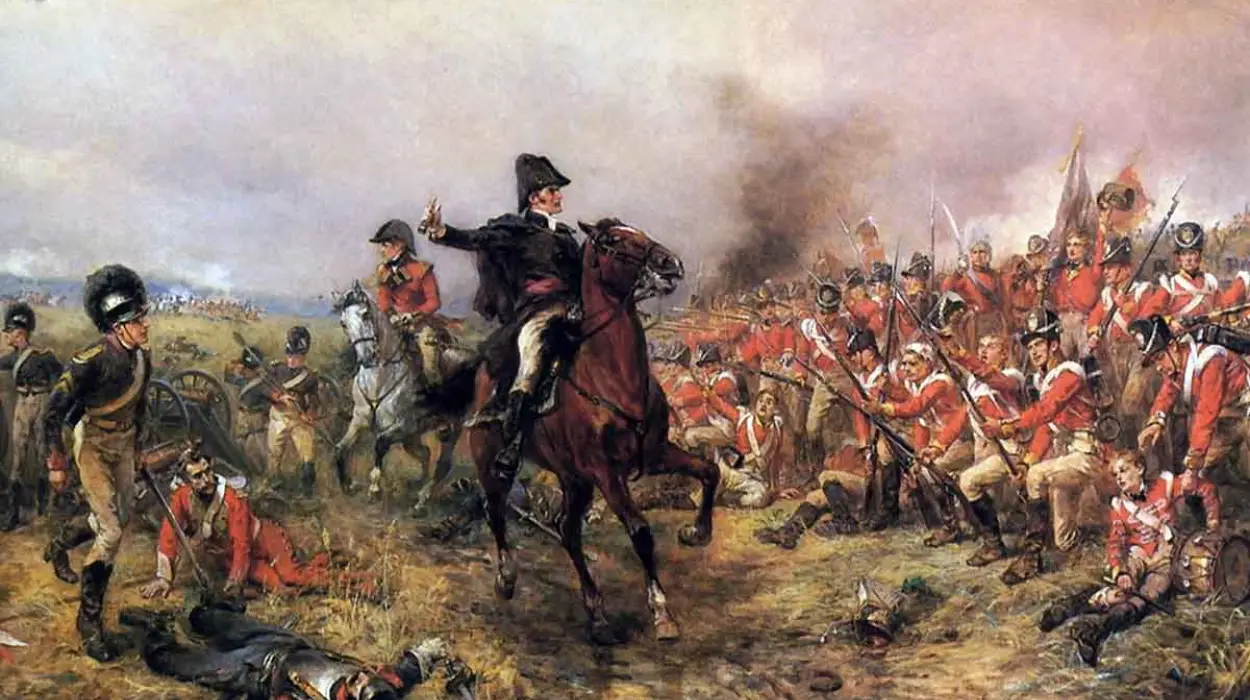
This section delves deeper into the Belgian Revolution of 1830, exploring how the French-speaking Walloons played a critical role in the struggle for independence. It discusses how this historic victory not only shaped Belgium’s political landscape but also laid the groundwork for the cultural autonomy celebrated on the Feast Day of the French Community.
Walloon Symbols and Traditions Associated with the Feast Day
Here, the focus is on the use of cultural symbols like the Walloon Rooster and traditional customs observed during the Feast Day. It explains how these symbols foster a sense of pride and belonging within the French Community and how they reinforce linguistic and cultural identity through rituals and public displays.
Regional Context in Belgium
Belgium is a federal state segmented into linguistic communities: the French Community, the Flemish Community, and the German-speaking Community. The Feast Day specifically celebrates the French Community, which comprises around 40% of the Belgian population, primarily residing in Wallonia and Brussels.
While September 27th marks the French Community Day, other communities have their own commemorative days rooted in regional history, such as the Flemish Community’s holiday on July 11th, dedicated to the Battle of the Golden Spurs.
This overlapping but distinct commemoration of regional identities illustrates Belgium’s complex sociolinguistic fabric and the delicate balance of cultural autonomy within shared national sovereignty.
Celebration Activities and Public Life
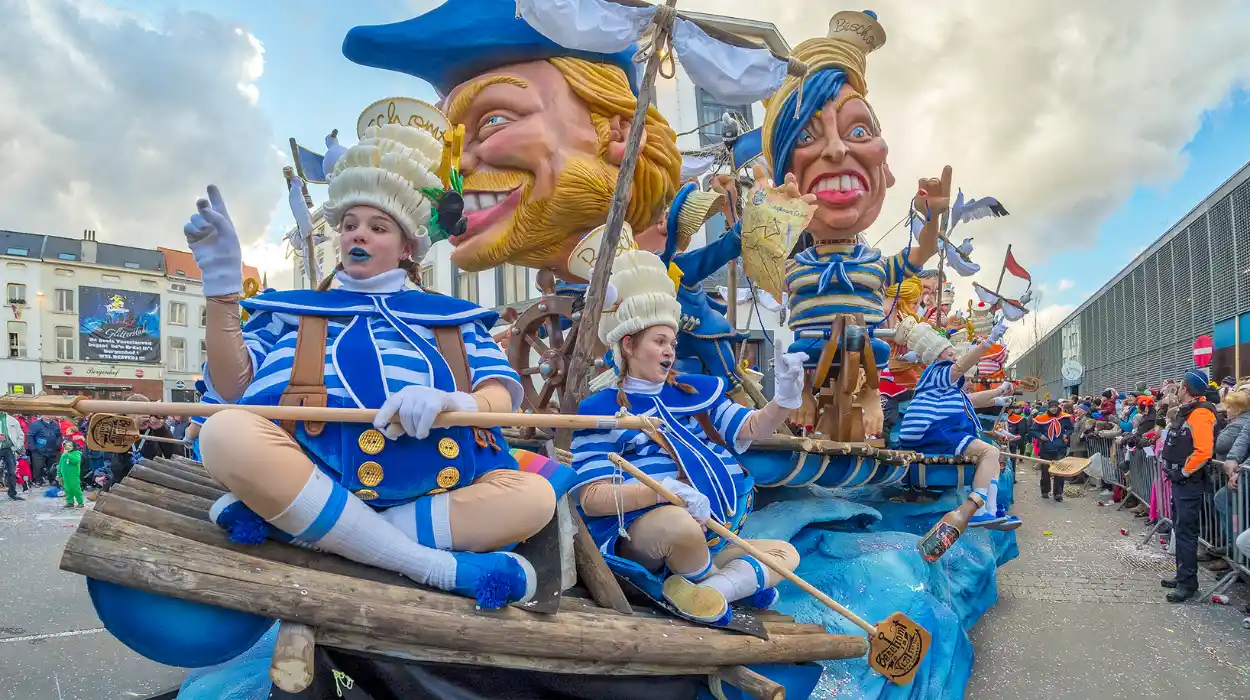
Communities engage in a rich variety of cultural activities to mark the day. Music concerts showcasing a blend of classical francophone and contemporary artists dot the calendar. Theater stage plays explore themes of identity and history, while sports clubs organize matches and tournaments, promoting community engagement.
Parades and gatherings provide opportunities for citizens to display traditional dress, culinary specialties, and locally crafted goods, turning streets and public spaces into vibrant cultural hubs. Media coverage and educational programs further amplify the day’s significance, explaining the historical background and contemporary relevance to wider audiences.
While government offices typically close in official regions, most businesses remain operational, blending normal civic life with cultural celebration.
Facts About the Feast Day of the French Community
The Feast Day of the French Community is observed every year on September 27th exclusively within Belgium’s French-speaking community. This day commemorates a significant event during the Belgian Revolution of 1830 when the French-speaking Walloon revolutionaries achieved a decisive victory against the Dutch army in Brussels, a triumph that played a pivotal role in Belgium gaining its independence.
Officially established as a public holiday in 1975, the Feast Day was intended to celebrate and affirm the cultural and linguistic identity of the French Community within Belgium’s federal structure.
The celebrations on this day are vibrant and multi-faceted, encompassing concerts that showcase francophone artists, theatrical performances, sporting events, and cultural exhibitions that draw widespread participation from the community. During the festivities, the Walloon flag, distinguished by the emblem of a Rooster, is prominently displayed as a potent symbol of regional pride and identity.
Schools are closed across the French-speaking regions to mark the occasion, although many businesses continue normal operations. This day serves not only as a public holiday but also as an occasion to promote and cherish the preservation of the French language and cultural heritage within Belgium, reinforcing the communal bonds and cultural pride of the French Community.
Dear reader,
Opinions expressed in the op-ed section are solely those of the individual author and do not represent the official stance of our newspaper. We believe in providing a platform for a wide range of voices and perspectives, even those that may challenge or differ from our own. We remain committed to providing our readers with high-quality, fair, and balanced journalism. Thank you for your continued support.