The Ukraine Russia conflict entered a new phase after Ukrainian officials confirmed a strike on a synthetic rubber production facility located in Russia’s Tula region. The announcement signals a widening scope of the war, extending beyond active front lines and border areas into Russia’s industrial interior. As the conflict continues to evolve, industrial and economic infrastructure is increasingly becoming part of the strategic battlefield.
According to Ukrainian sources, the targeted facility plays a role in producing materials that can support both civilian manufacturing and military logistics. By striking such infrastructure, Ukraine appears to be pursuing a strategy aimed at disrupting supply chains that help sustain Russia’s long-term war capabilities.
Where the Strike Took Place
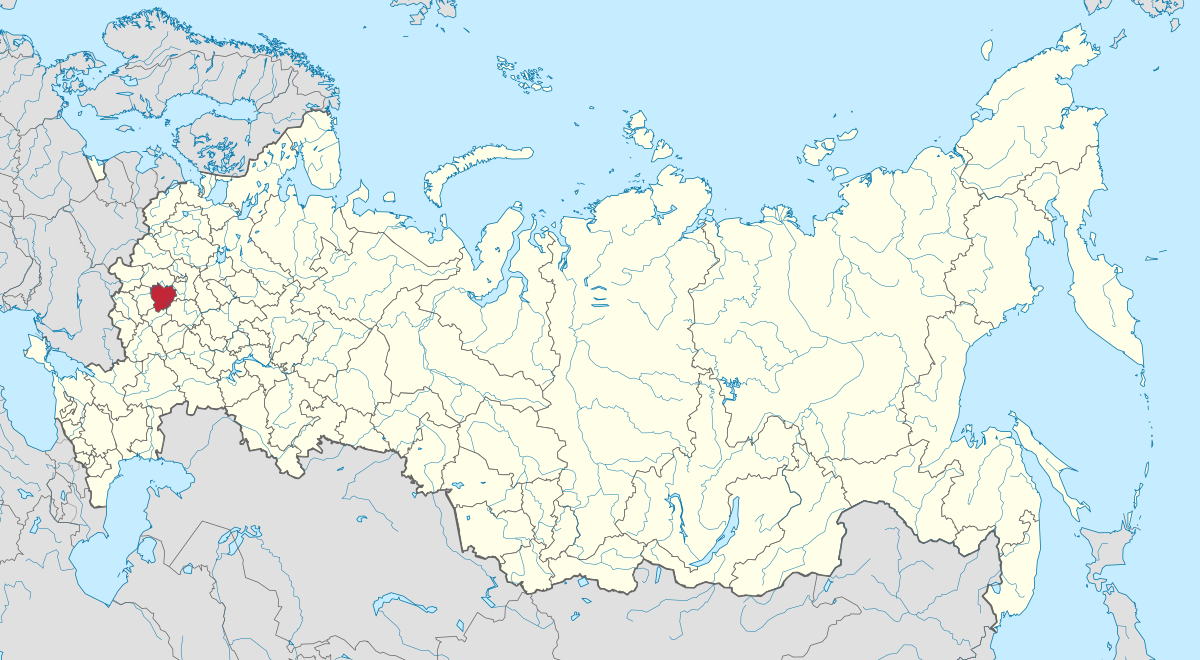
The reported strike occurred in Tula Oblast, a region located south of Moscow with a long history of heavy industry and defense manufacturing. Tula has traditionally been known for arms production, chemical processing, and industrial manufacturing, making it a strategically sensitive area.
The fact that the Ukraine Russia conflict has now reached this region highlights a growing ability by Ukraine to conduct operations far beyond the immediate battlefield. Tula’s distance from active combat zones underscores the expanding geographic reach of the conflict.
What Is a Synthetic Rubber Plant
Synthetic rubber plants produce essential materials used in tires, seals, hoses, gaskets, and various industrial components. In a wartime economy, these materials are often critical for maintaining military vehicles, aircraft, and logistical equipment.
Ukrainian officials suggested that the facility had dual-use significance. In the context of the Ukraine Russia conflict, such dual-use facilities are increasingly viewed as legitimate targets because they support military readiness even if they also serve civilian industries.
Ukraine’s Strategic Intent
Ukrainian military planners have consistently emphasized targeting infrastructure that supports Russia’s ability to sustain prolonged military operations. Rather than focusing solely on troop concentrations or frontline equipment, Ukraine has increasingly aimed at energy sites, transport hubs, and industrial facilities.
By striking the Tula plant, Ukraine demonstrated that the Ukraine Russia conflict is not limited to territorial defense but also includes efforts to weaken Russia’s industrial and logistical backbone. This approach aligns with a broader strategy of increasing economic and operational pressure over time.
How the Strike Was Carried Out
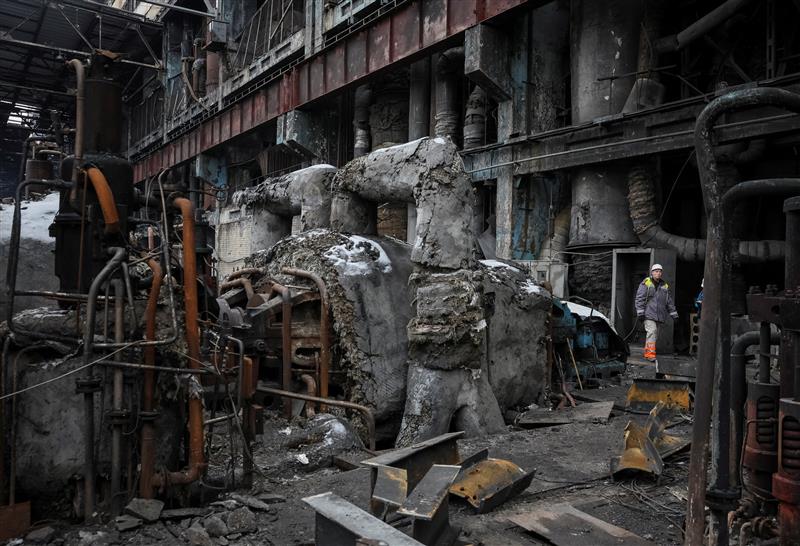
While Ukraine did not release specific technical details, many recent operations inside Russia have involved long-range drones. These systems allow for precision strikes at relatively low cost while minimizing risk to personnel.
Drone warfare has become a defining feature of the Ukraine Russia conflict, allowing both sides to strike targets deep behind enemy lines. Analysts note that drones are particularly effective against fixed industrial sites, where even limited damage can disrupt operations.
Russian Response
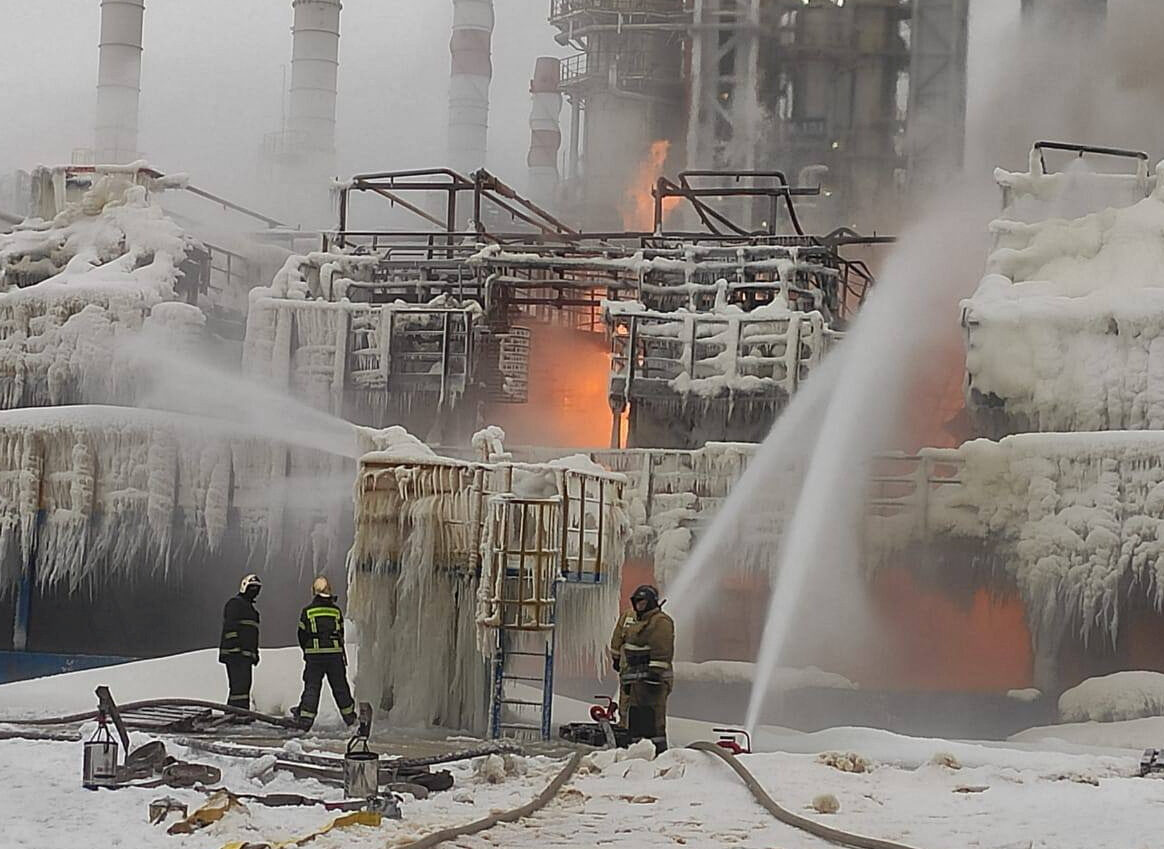
Russian authorities acknowledged an incident in the Tula region, confirming that emergency services responded to a fire at an industrial site. Officials emphasized that damage was contained and that there were no reported mass casualties.
Despite these assurances, industrial disruptions can have lasting effects. In the context of the Ukraine Russia conflict, even temporary shutdowns of key facilities can ripple through supply chains and delay production schedules.
Economic Impact of Industrial Strikes
Industrial attacks carry consequences far beyond physical damage. Synthetic rubber production supports automotive manufacturing, heavy machinery, and defense maintenance. Any interruption can lead to shortages, increased costs, and delayed output.
As the Ukraine Russia conflict increasingly targets economic infrastructure, Russia faces added strain on an economy already affected by sanctions, export restrictions, and rising military expenditures.
Psychological and Symbolic Significance
Strikes deep inside Russia also carry psychological weight. They challenge perceptions of internal security and demonstrate vulnerabilities far from the front lines.
For Ukraine, such actions reinforce domestic morale and signal resilience. In the broader Ukraine Russia conflict, psychological impact is often as important as physical damage, shaping public perception and political narratives on both sides.
International Reaction
Governments and analysts worldwide closely monitor developments as the conflict expands into new domains. While many countries refrain from direct commentary on specific strikes, observers note that attacks on industrial facilities reflect a shift toward economic warfare.
The widening scope of the Ukraine Russia conflict raises questions about escalation thresholds and the long-term implications for regional stability.
Legal and Strategic Considerations
Under international humanitarian law, facilities that contribute to military operations may be considered lawful targets. However, determining whether an industrial plant qualifies as a military objective often depends on intelligence assessments and dual-use evaluations.
Ukraine has consistently stated that its actions comply with international norms. Within the Ukraine Russia conflict, legal arguments surrounding infrastructure targeting remain contentious and politically sensitive.
Pattern of Industrial Targeting
The strike in Tula follows earlier attacks on energy facilities, transport networks, and logistics hubs across Russia. These operations suggest a coordinated campaign aimed at weakening structural capacity rather than achieving symbolic victories.
As the Ukraine Russia conflict continues, industrial targets appear likely to remain a focus, particularly those linked to defense supply chains.
Local Impact in the Tula Region
Residents in the Tula region reported temporary disruptions, including increased security measures and industrial inspections following the incident. Workers at nearby facilities faced uncertainty as safety assessments were conducted.
In areas affected by the Ukraine Russia conflict, even indirect exposure can affect employment stability and regional economic confidence.
Military Supply Chain Implications
Synthetic rubber is essential for maintaining vehicles, aircraft components, and logistical equipment. Disruptions to production can affect maintenance cycles and readiness.
Within the Ukraine Russia conflict, pressure on supply chains compounds existing logistical challenges, potentially affecting operational tempo over time.
Escalation Risks
As Ukraine demonstrates the ability to strike deeper targets, concerns about escalation naturally arise. Russia may respond by reinforcing internal defenses or adjusting its own targeting strategies.
The evolving nature of the Ukraine Russia conflict suggests a continued cycle of adaptation, with each side responding to new tactics and capabilities.
Future Outlook
The Tula strike indicates that industrial infrastructure will likely remain within the scope of future operations. Ukraine’s expanding long-range capabilities increase the probability of additional strikes aimed at economic and logistical nodes.
If similar incidents continue, the Ukraine Russia conflict may increasingly resemble a war of attrition targeting not only forces but also the systems that sustain them.
The confirmed strike on a synthetic rubber plant in Russia’s Tula region marks a significant moment in the ongoing war. By extending operations into Russia’s industrial heartland, Ukraine underscores a strategy focused on disrupting supply chains and increasing economic pressure.
As the Ukraine Russia conflict continues to evolve, industrial facilities are emerging as critical battlegrounds alongside traditional military targets. The long-term impact of such strikes will depend on their frequency, effectiveness, and the responses they provoke, but their significance in shaping the conflict’s trajectory is already clear.