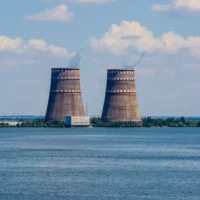
Ukraine power outages have intensified following the latest wave of Russian missile and drone attacks targeting critical energy infrastructure across the country. Entire regions were plunged into darkness within hours, disrupting daily life for millions of civilians already enduring the hardships of war. As winter temperatures drop, Ukraine power outages now represent not only an infrastructure challenge but a growing humanitarian crisis.
Ukraine power outages are affecting major cities and rural communities alike, exposing vulnerabilities in centralized energy systems and testing the resilience of emergency services. Despite rapid repair efforts, repeated strikes continue to undermine restoration work, leaving the power grid under constant strain.
Scope of the Latest Attacks on Energy Infrastructure
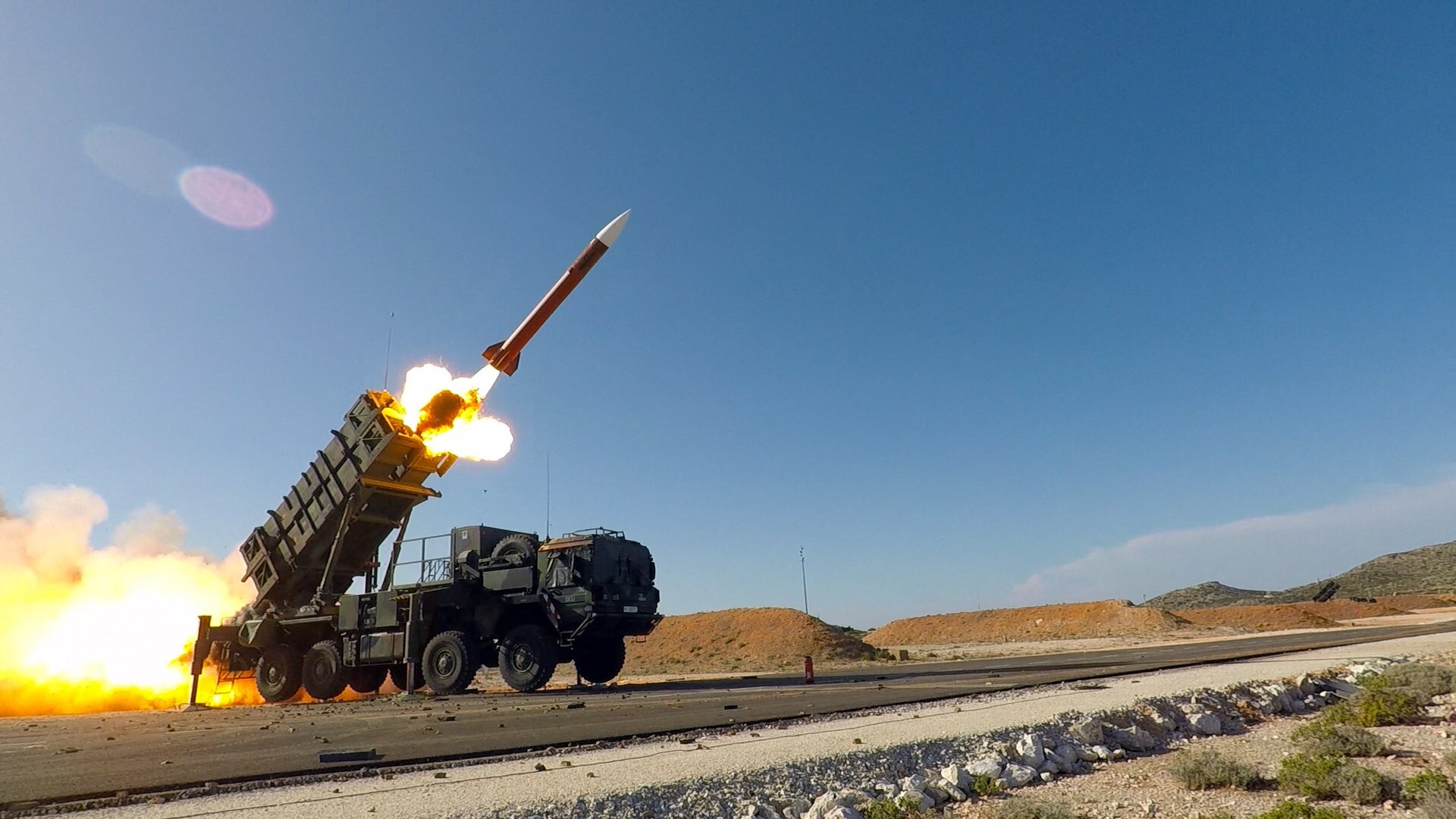
Ukraine power outages expanded significantly after coordinated strikes hit power plants, substations, and transmission lines. Officials reported that dozens of missiles and drones were launched in a concentrated effort to overwhelm air defenses and maximize damage. Although many were intercepted, enough struck key facilities to trigger widespread electricity losses.
In several regions, Ukraine power outages occurred simultaneously, complicating grid balancing and forcing authorities to implement emergency shutdowns to prevent further damage. This cascading effect shows how interconnected the power network remains, even after months of defensive adjustments.
Daily Life Disrupted by Ukraine Power Outages
For civilians, Ukraine power outages mean far more than lights going out. Homes lose heating, water pumps fail, and mobile networks become unreliable. Families depend on candles, portable chargers, and generators to maintain basic routines.
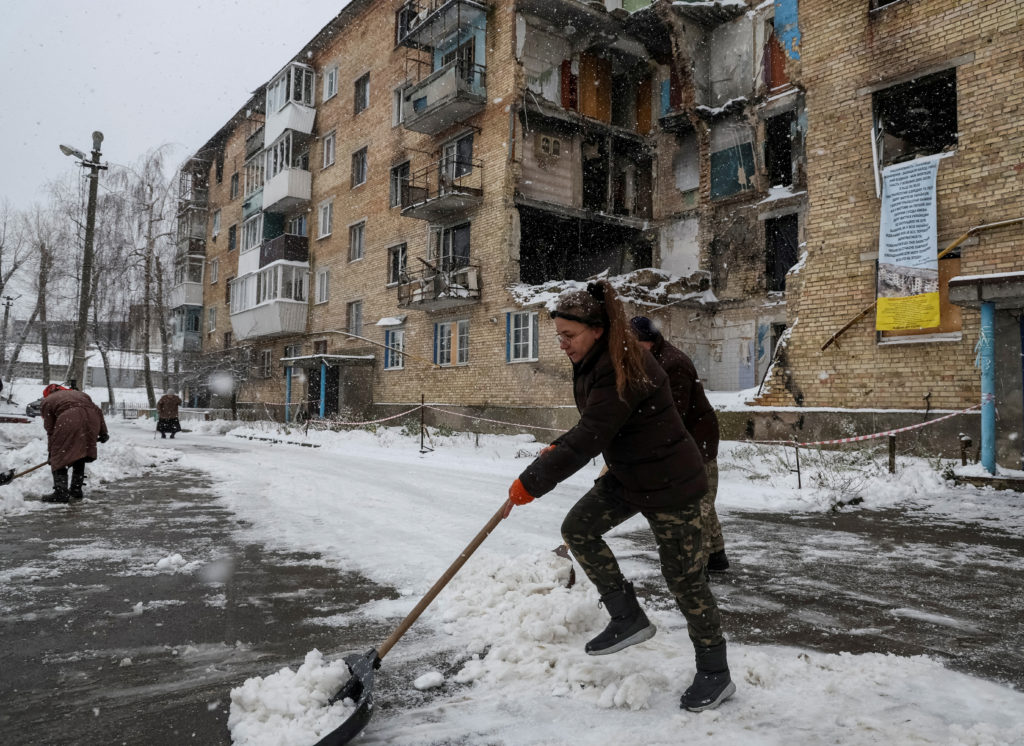
Apartment buildings face particular challenges as elevators stop working and upper floors become inaccessible for elderly residents. Traffic lights shut down, increasing accident risks, while shops and pharmacies struggle to operate without stable electricity. Ukraine power outages have turned routine tasks into daily obstacles.
Hospitals and Critical Services Under Pressure
Ukraine power outages place immense pressure on hospitals and emergency responders. Most major medical facilities rely on backup generators, but fuel supplies are finite and continuous operation strains equipment. Diagnostic machines, refrigeration for medicines, and life support systems all depend on uninterrupted power.
Smaller clinics and rural health centers are especially vulnerable. Prolonged Ukraine power outages in these areas reduce access to care and delay emergency treatment, raising concerns for patients with chronic conditions.
Energy Infrastructure Damage and Repair Challenges
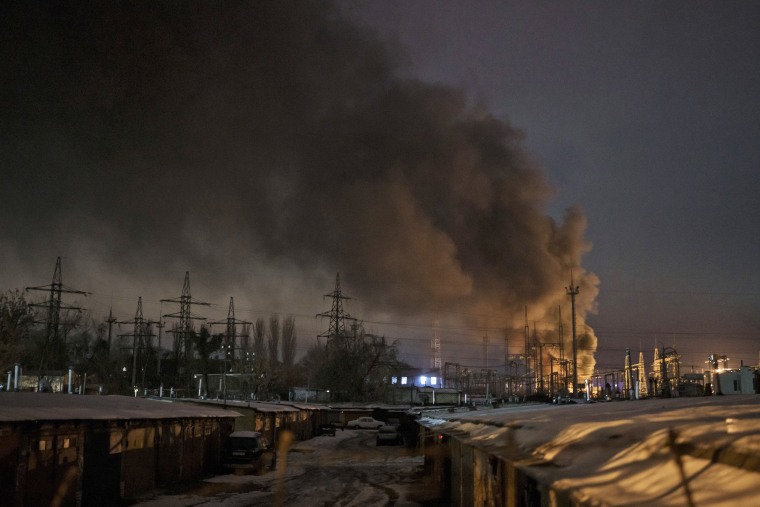
Ukraine power outages highlight the complexity of repairing energy infrastructure during active conflict. Power stations and substations require specialized parts that are difficult to replace quickly. Even limited damage can knock entire facilities offline for days.
Engineers often work under threat of renewed attacks, making repairs dangerous and time consuming. Repeated strikes on the same sites suggest a deliberate attempt to delay restoration and deepen Ukraine power outages across multiple regions.
Winter Amplifies the Impact
As temperatures fall, Ukraine power outages become increasingly dangerous. Without electricity, heating systems fail, water pipes freeze, and shelters reach capacity as people seek warmth. Cold weather transforms power cuts into life threatening situations, particularly for children and the elderly.
Local authorities have opened emergency warming centers equipped with generators, blankets, and hot meals. While these centers provide essential relief, they are often overcrowded during prolonged Ukraine power outages.
Economic Fallout of Widespread Power Loss
Ukraine electricity shortage carry heavy economic consequences. Manufacturing plants halt production, small businesses close temporarily, and supply chains are disrupted. Digital payment systems and banking services struggle to function during extended blackouts.
Agriculture and food processing also suffer as storage facilities require constant electricity. Each new round of Ukraine power outages compounds economic losses and slows recovery efforts already strained by the ongoing conflict.
Government Response and Grid Management
To manage damaged power grid Ukraine, authorities have introduced rolling blackout schedules designed to stabilize the grid and prioritize essential services. Hospitals, water treatment plants, and defense facilities receive first access to limited electricity supplies.
Public information campaigns encourage energy conservation during peak hours and urge citizens to prepare emergency kits with flashlights, batteries, and power banks. These measures aim to reduce strain on the grid while repairs continue.
International Assistance and Energy Support
Ukraine power outages have prompted renewed international assistance focused on energy resilience. Allies have supplied transformers, generators, and technical equipment to support rapid repairs. Air defense systems are also critical in reducing future damage by protecting key energy sites.
Experts increasingly advocate for decentralized energy solutions. Smaller, localized power systems are harder to disable entirely and can help reduce the scale of Ukraine power outages during large scale attacks.
Psychological and Social Effects
Beyond physical hardship, Ukraine electricity shortage have a profound psychological impact. Repeated blackouts disrupt sleep, increase anxiety, and erode a sense of normalcy. Families struggle to maintain routines, especially when outages last for many hours.
Despite these challenges, community solidarity remains strong. Neighbors share generators, charge devices together, and support vulnerable residents. This collective resilience helps communities cope with ongoing Ukraine power outages.
Communication Challenges During Blackouts
Ukraine power outages complicate access to information. Internet connectivity and television broadcasts can be disrupted, making it harder for citizens to receive timely alerts. Authorities rely on radio, SMS messages, and local networks to communicate during emergencies.
Maintaining clear communication is essential to prevent misinformation and panic, especially when Ukraine power outages coincide with active air raid warnings.
Long Term Outlook for Ukraine Energy Security
Ukraine winter energy crisis underscore the urgent need for long term investment in energy security. Rebuilding damaged infrastructure while defending it from future attacks is a costly and complex task. Analysts warn that power disruptions may continue as long as hostilities persist.
However, each restoration effort strengthens experience and adaptability. Over time, Ukraine’s energy system may become more resilient, diversified, and less vulnerable to centralized failures that cause widespread Ukraine power outages.
Ukraine power outages following the latest Russian attacks reveal how critical infrastructure has become a central battlefield. Electricity shortages affect healthcare, safety, education, and economic stability, especially during winter months.
While emergency responses and international support provide vital relief, the situation remains fragile. The determination of engineers, emergency workers, and civilians facing repeated Ukraine power outages reflects resilience under extraordinary pressure as the country continues to defend both its territory and its essential services.