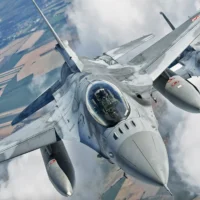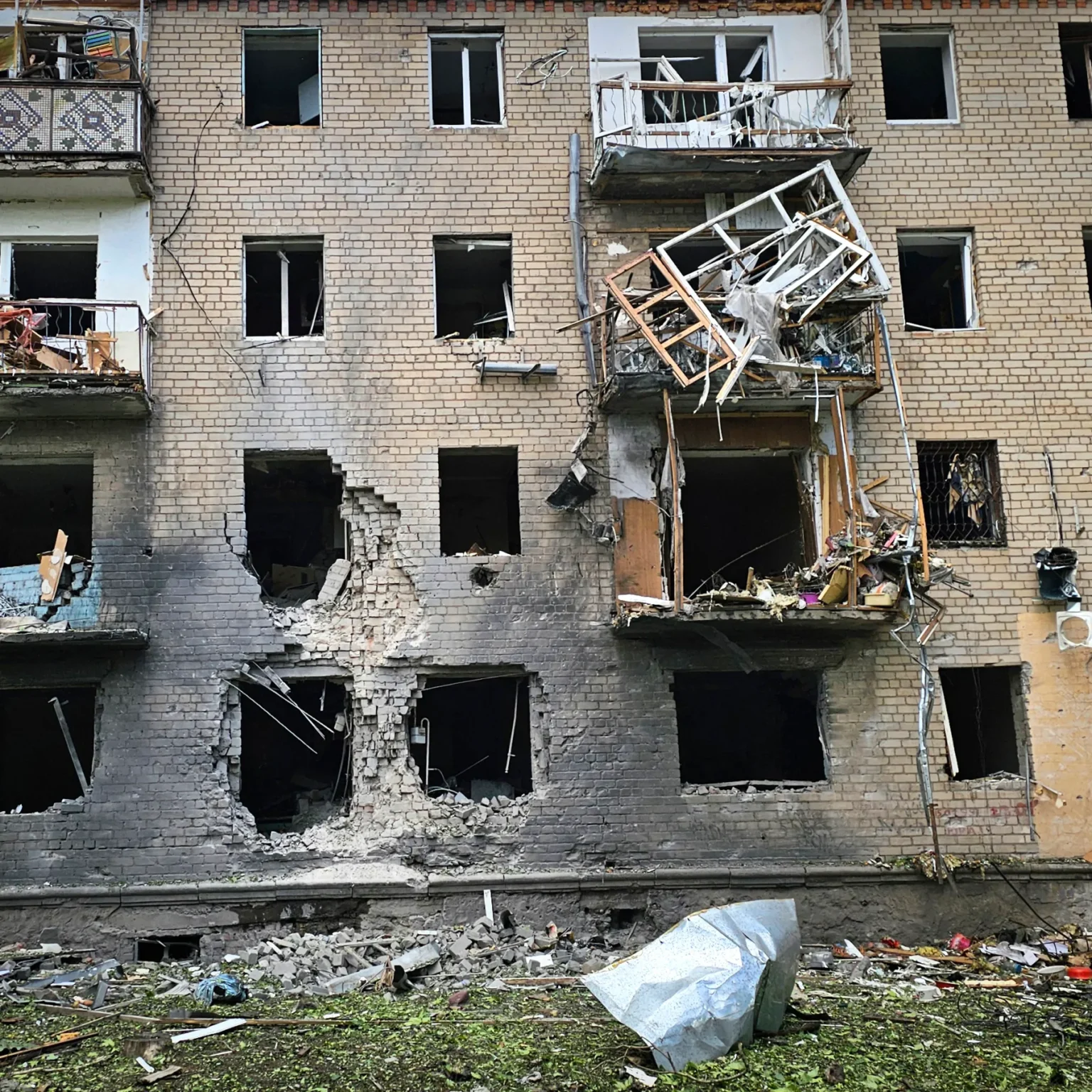
Renewed strikes across Ukraine have heightened fears of escalation at a time when diplomatic efforts remain fragile. Explosions reported overnight in major cities once again forced civilians into shelters, underscoring how Ukraine air attacks continue to shape daily life across the country. As air defense systems were activated and emergency crews rushed to damaged areas, the latest developments reinforced concerns that the conflict is entering another dangerous phase.
Beyond immediate destruction, these events have regional implications. Neighboring countries have increased vigilance, while international leaders warned that continued violence could undermine any remaining prospects for dialogue.
Overnight Bombardment in Urban Areas
Several urban centers reported explosions as incoming threats were detected and intercepted. In Kyiv, residents described loud blasts and flashes in the night sky as air defenses responded. Authorities said residential neighborhoods and infrastructure were affected, though assessments were ongoing.
For many civilians, the persistence of Ukraine air attacks has normalized emergency routines that would once have been unthinkable. Families move quickly to underground shelters, carrying essentials and hoping each alert will pass without tragedy.
Emergency Services Under Strain
Firefighters, paramedics, and utility workers were deployed throughout the night to respond to damage and injuries. Power outages disrupted transportation and communication in parts of the city, complicating rescue efforts.
Repeated Ukraine air attacks place enormous strain on emergency services that must operate under constant threat. Officials acknowledged that while response systems remain functional, fatigue and resource limitations are growing concerns.
Pressure on Air Defense Networks
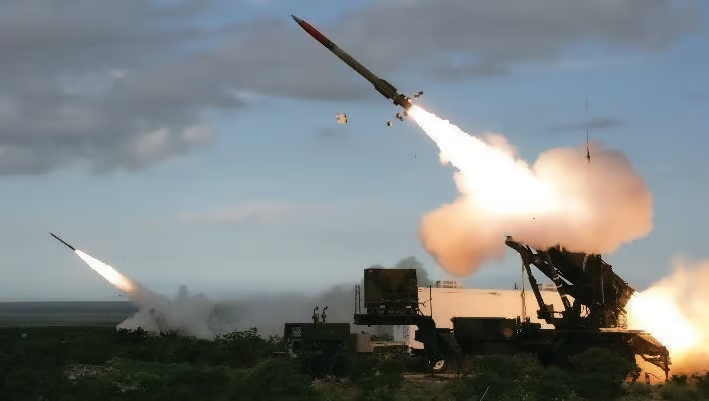
Ukraine’s air defense systems intercepted several projectiles, according to military officials. Analysts note that interception rates remain high but emphasize that no system can provide complete protection, especially during sustained barrages.
During prolonged Ukraine air attacks, defense crews operate at intense tempo, requiring rapid coordination and constant readiness. This pressure highlights both the resilience and vulnerability of national defense infrastructure.
Civilian Life Amid Constant Risk
Beyond physical damage, the psychological toll on civilians continues to mount. Parents spoke of children struggling with fear and disrupted sleep, while older residents described exhaustion from repeated alerts.
Living under recurring Ukraine air attacks has reshaped everyday behavior. Schools adjust schedules, workplaces adapt to interruptions, and communities learn to function despite uncertainty.
Infrastructure Damage and Economic Impact
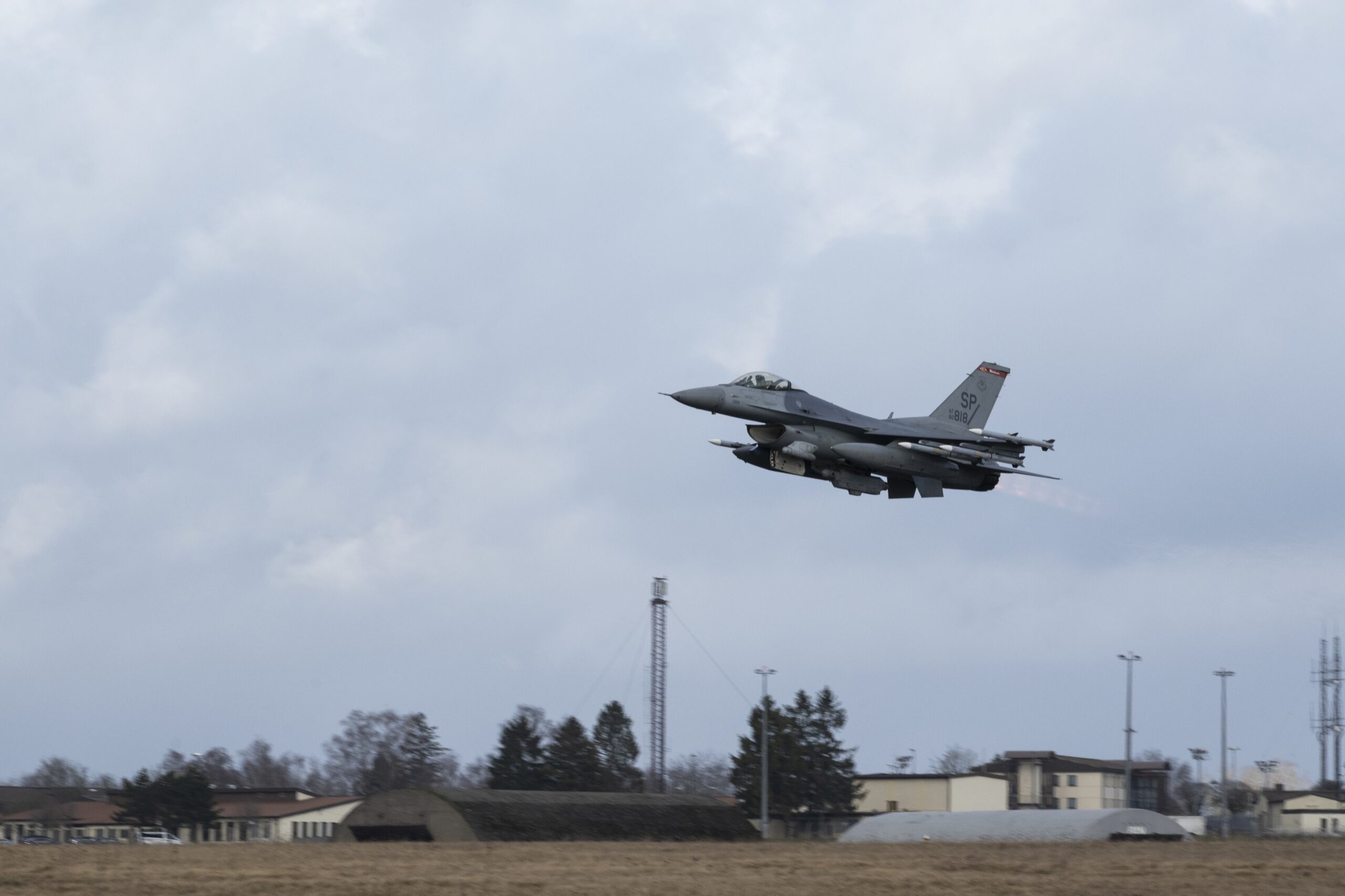
Energy facilities, transport hubs, and industrial sites have been damaged in recent strikes, officials said. Repair teams work quickly but face challenges due to ongoing insecurity.
As Ukraine air attacks persist, economic disruption deepens. Businesses face losses, supply chains are strained, and long term recovery becomes increasingly difficult amid continued instability.
Regional Security Concerns
The latest strikes prompted heightened alert levels in neighboring countries. Airspace monitoring was intensified, and military units were placed on standby to respond to any spillover risks.
Observers note that when Ukraine air attacks occur near borders, regional security frameworks are tested. Even without direct incursions, the proximity of violence raises fears of miscalculation.
International Responses and Condemnation
Governments across Europe and beyond condemned the strikes and renewed calls for restraint. Diplomatic statements emphasized the protection of civilians and respect for international humanitarian law.
The continuation of Ukraine air attacks has prompted renewed engagement among international partners seeking to prevent further escalation through diplomatic channels.
Diplomatic Efforts Under Pressure
Peace efforts remain ongoing, though expectations are limited. Mediators continue to push for dialogue, even as violence undermines confidence.
The timing of renewed Ukraine air attacks complicates negotiations by hardening positions and reducing trust. Diplomats acknowledge that sustained hostilities make meaningful progress difficult.
Humanitarian Conditions Worsen
Aid organizations warn that continued strikes exacerbate humanitarian needs. Damage to water systems, hospitals, and housing leaves vulnerable populations at greater risk.
As Ukraine air attacks continue, humanitarian agencies call for safe access corridors and greater protection for civilians caught in conflict zones.
Media Coverage and Global Perception
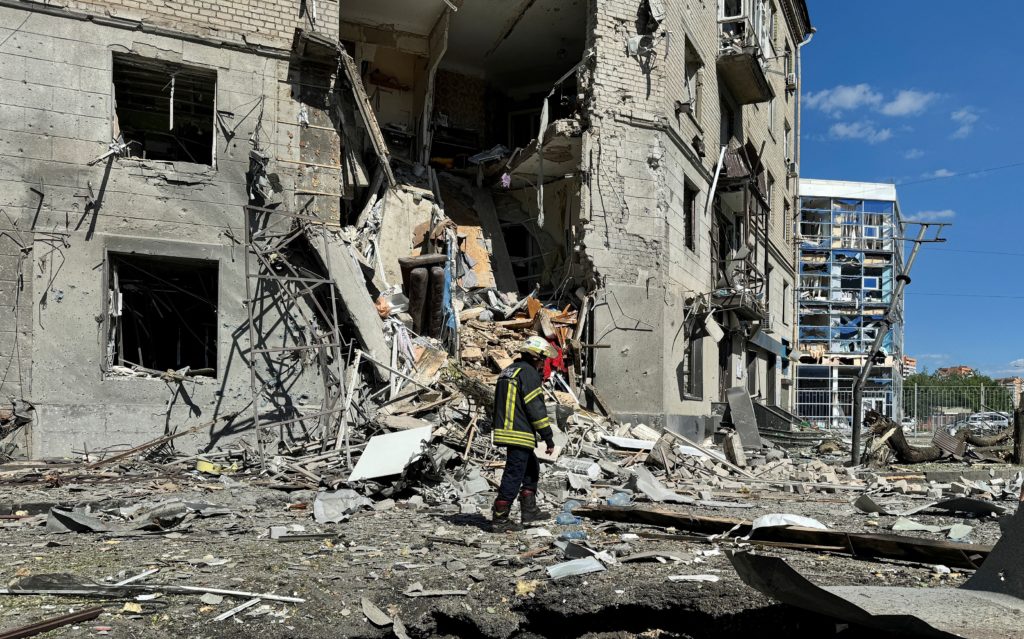
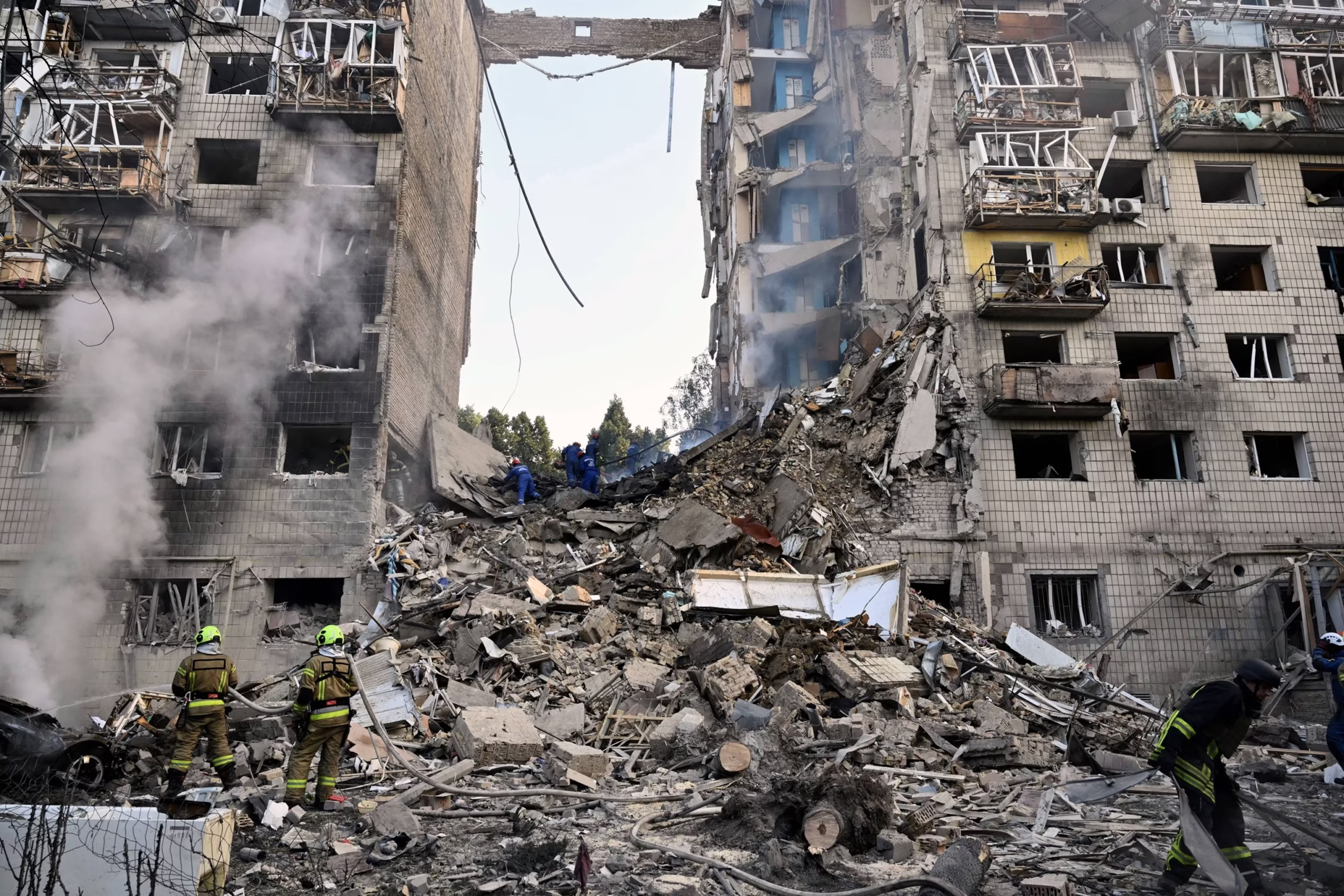
Images of damaged buildings and civilians sheltering spread quickly across global media. Coverage has focused on the human cost of the conflict and the risk of wider instability.
Reporting on Ukraine air attacks has intensified public concern and placed renewed pressure on international leaders to pursue de-escalation.
Military Strategy and Signaling
Defense analysts suggest that air strikes serve multiple purposes beyond immediate tactical goals. They can signal resolve, test defenses, or attempt to influence negotiations.
The pattern of Ukraine air attacks is closely studied by military planners assessing both battlefield effects and political messaging.
Impact on Displacement and Migration
Renewed violence has driven additional displacement, with families fleeing affected areas in search of safety. Shelters and host communities face growing pressure as numbers increase.
Continued Ukraine air attacks contribute to population movement that strains resources both inside the country and across borders.
Education and Social Services Disrupted
Schools and universities have faced closures or schedule changes due to security concerns. Remote learning remains an option for some, but access is uneven.
Children growing up amid Ukraine air attacks face disruptions that extend beyond education, affecting social development and mental health.
Regional Stability at Stake
Security experts warn that prolonged instability could have lasting consequences for Eastern Europe. Economic ties, trade routes, and political relationships are affected by ongoing conflict.
As long as Ukraine air attacks remain frequent, prospects for regional stabilization remain uncertain.
The Role of International Law
Human rights organizations continue to document alleged violations and emphasize obligations to protect civilians. Calls for accountability grow louder as evidence accumulates.
The persistence of Ukraine air attacks underscores the importance of international legal frameworks designed to limit harm in conflict.
Looking Ahead
Despite the grim outlook, diplomatic channels remain open. Mediators stress that dialogue, however limited, is essential to preventing further escalation.
Whether Ukraine air attacks continue at their current pace will shape the immediate future of both military operations and peace efforts.
The latest strikes highlight the volatility of the conflict and the fragility of regional security. Civilians remain at the center of the crisis, bearing the cost of continued violence.
As Ukraine air attacks persist, the challenge for leaders will be balancing defense, diplomacy, and humanitarian responsibility in a conflict with no easy resolution.