LONDON, United Kingdom – June 2 – Brussels Morning Newspaper — UK renewable energy expansion has become the cornerstone of Britain’s latest climate strategy after the government set an ambitious target to reduce greenhouse gas emissions by 87% below 1990 levels during the 2038-2042 period. The proposal marks one of the most aggressive climate commitments among major economies and is expected to reshape the nation’s energy, transportation, housing, and industrial sectors over the next two decades.
- Britain Raises Climate Ambitions for the Next Decade
- Renewable Energy Becomes the Foundation of Future Growth
- Electric Vehicles Expected to Drive Major Emissions Reductions
- Industry Faces Major Transformation
- Housing and Heating Systems Under Review
- Economic Opportunities Emerge From Green Investments
- Historical Context Shows Major Progress
- Challenges Remain Despite Strong Momentum
- Britain’s Global Position in Climate Policy
- Looking Ahead to 2040
The new target forms part of Britain’s long-term pathway toward achieving net-zero emissions by 2050. Policymakers believe the plan will accelerate investment in clean energy infrastructure while reducing dependence on fossil fuels and improving energy security.
“The transition to cleaner energy is not only an environmental necessity but also an economic opportunity for future generations.”
Britain Raises Climate Ambitions for the Next Decade
The proposed carbon budget covering 2038-2042 establishes a clear framework for reducing emissions across the economy. Government advisors have recommended significant reductions in carbon output while maintaining economic growth and energy reliability.
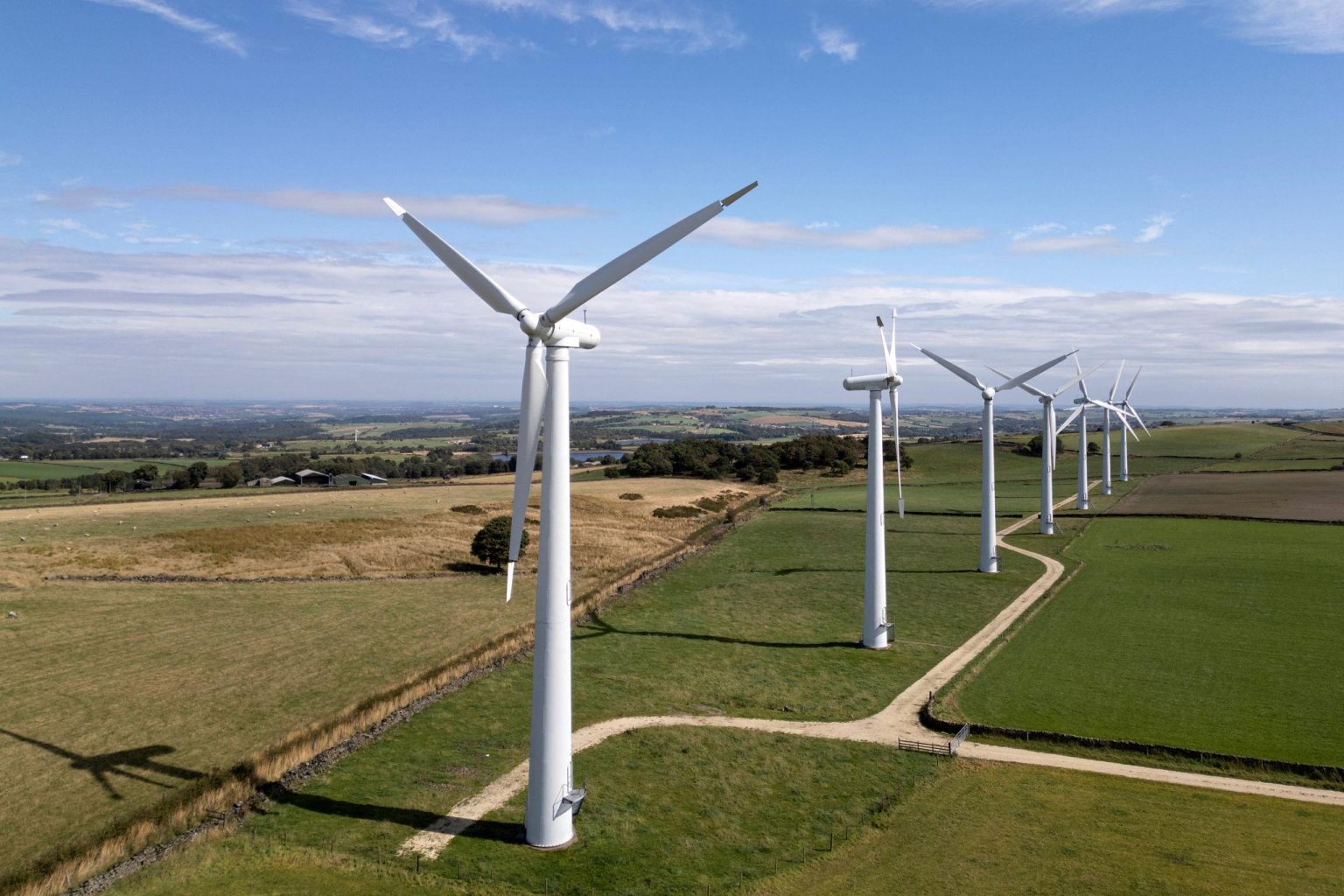
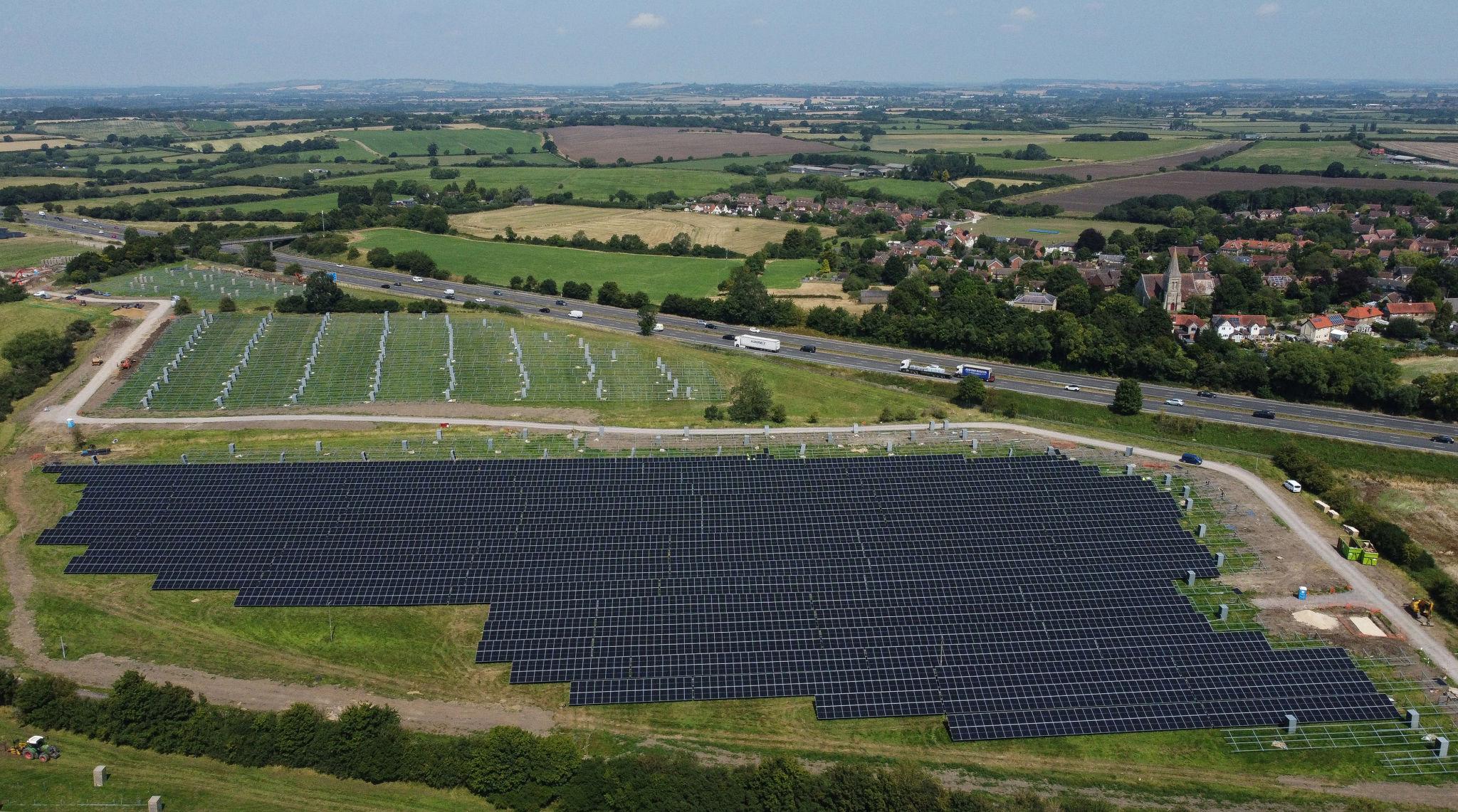
The UK renewable energy expansion strategy is expected to play a decisive role in reaching the target. Wind farms, solar installations, battery storage systems, and modern electricity networks are all expected to see major investment under future climate plans.
Officials argue that stronger climate policies will position Britain as a global leader in clean energy technology while supporting domestic industries that are expected to grow rapidly over the coming years.
Renewable Energy Becomes the Foundation of Future Growth
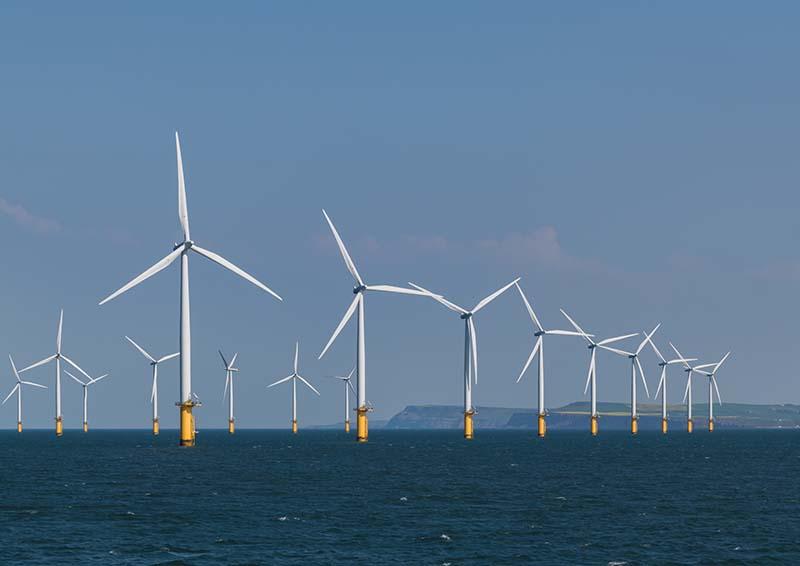
Renewable energy sources have already transformed Britain’s electricity sector over the past decade. Coal-fired power generation has declined dramatically, while offshore wind projects have become a significant source of electricity production.
The government’s latest proposals indicate that UK renewable energy expansion will continue at an accelerated pace through the 2030s and beyond. New offshore wind developments are expected to provide a large share of future electricity demand, while solar energy projects continue to become more cost-effective.
Energy analysts believe the transition could strengthen national energy security by reducing exposure to global fuel price volatility and geopolitical disruptions.
Electric Vehicles Expected to Drive Major Emissions Reductions
Transportation remains one of the largest contributors to greenhouse gas emissions in Britain. As a result, widespread adoption of electric vehicles is considered essential for meeting long-term climate objectives.
The UK renewable energy expansion plan aligns closely with efforts to increase electric vehicle ownership. As more renewable electricity enters the national grid, electric vehicles are expected to become even cleaner alternatives to conventional gasoline and diesel-powered transportation.
Government forecasts suggest that electric vehicles could dominate new vehicle sales well before 2040, supported by expanded charging infrastructure and declining battery costs.
Industry Faces Major Transformation
Heavy industry represents another critical area for emissions reductions. Manufacturing facilities, steel production, cement plants, and chemical processing operations will likely require substantial technological upgrades to comply with future carbon reduction goals.
The UK renewable energy expansion initiative provides cleaner electricity that industries can utilize as they transition away from carbon-intensive fuels.
Businesses are increasingly exploring hydrogen technology, carbon capture systems, and energy efficiency improvements as part of broader sustainability efforts. Many experts believe innovation within industrial sectors will be essential to achieving national climate targets.
Housing and Heating Systems Under Review
Residential heating accounts for a significant portion of Britain’s emissions profile. Millions of homes currently rely on natural gas heating systems.
Future climate policies linked to the UK renewable energy expansion agenda are expected to encourage wider adoption of heat pumps, improved insulation, and energy-efficient building standards.
Government advisors argue that modernizing homes could reduce long-term energy costs while helping households lower their environmental impact.
However, policymakers continue to debate how to balance climate objectives with affordability concerns, particularly during periods of economic uncertainty.
Economic Opportunities Emerge From Green Investments
Supporters of the climate plan emphasize potential economic benefits associated with clean energy investments.
The UK renewable energy expansion strategy could generate thousands of jobs across engineering, manufacturing, construction, and technology sectors. New infrastructure projects may stimulate regional economic development while attracting private investment.
Many investors view renewable energy as one of the fastest-growing industries globally, creating opportunities for British companies to compete in international markets.
“Countries that lead the clean energy transition today may enjoy significant economic advantages tomorrow.”
Analysts note that renewable energy technologies have become increasingly competitive, improving the financial case for long-term investment.
Historical Context Shows Major Progress
Britain has already achieved substantial emissions reductions since 1990. Much of this progress resulted from the transition away from coal-fired power generation and improvements in energy efficiency.
Historical Climate Progress
- 1990: Baseline year for emissions measurements.
- 2000s: Significant expansion of renewable energy projects.
- 2010s: Rapid decline in coal power generation.
- 2020s: Growth of electric vehicles and offshore wind capacity.
- 2038-2042: Proposed period for achieving an 87% reduction target.
The UK renewable energy expansion effort builds upon decades of policy development and technological progress that have steadily reduced Britain’s carbon footprint.
Challenges Remain Despite Strong Momentum
While climate advocates welcome the proposed target, significant challenges remain.
Achieving an 87% reduction will require unprecedented coordination between government agencies, private industry, local authorities, and consumers. Infrastructure investments must be delivered on schedule, while businesses and households must adapt to evolving regulations and technologies.
The UK renewable energy expansion roadmap also faces questions regarding grid modernization, supply chain capacity, workforce development, and project financing.
Despite these challenges, climate experts generally agree that early action improves the likelihood of meeting long-term goals while reducing future costs.
Britain’s Global Position in Climate Policy
Britain continues to position itself as a leading advocate for international climate action. The proposed emissions target exceeds many commitments made by other developed economies and reflects growing pressure for governments to accelerate decarbonization efforts.
The UK renewable energy expansion program is likely to attract attention from policymakers worldwide as countries evaluate strategies for balancing economic growth with environmental responsibility.
Success could strengthen Britain’s influence in global climate negotiations and reinforce its reputation as a pioneer in renewable energy development.
Looking Ahead to 2040
The coming years will determine whether Britain can successfully implement one of the world’s most ambitious emissions reduction programs.
The UK renewable energy expansion strategy will influence decisions affecting transportation networks, electricity generation, industrial production, housing policy, and infrastructure investment for decades to come.
Government leaders, businesses, investors, and consumers all have important roles to play as Britain moves toward its long-term net-zero objectives.