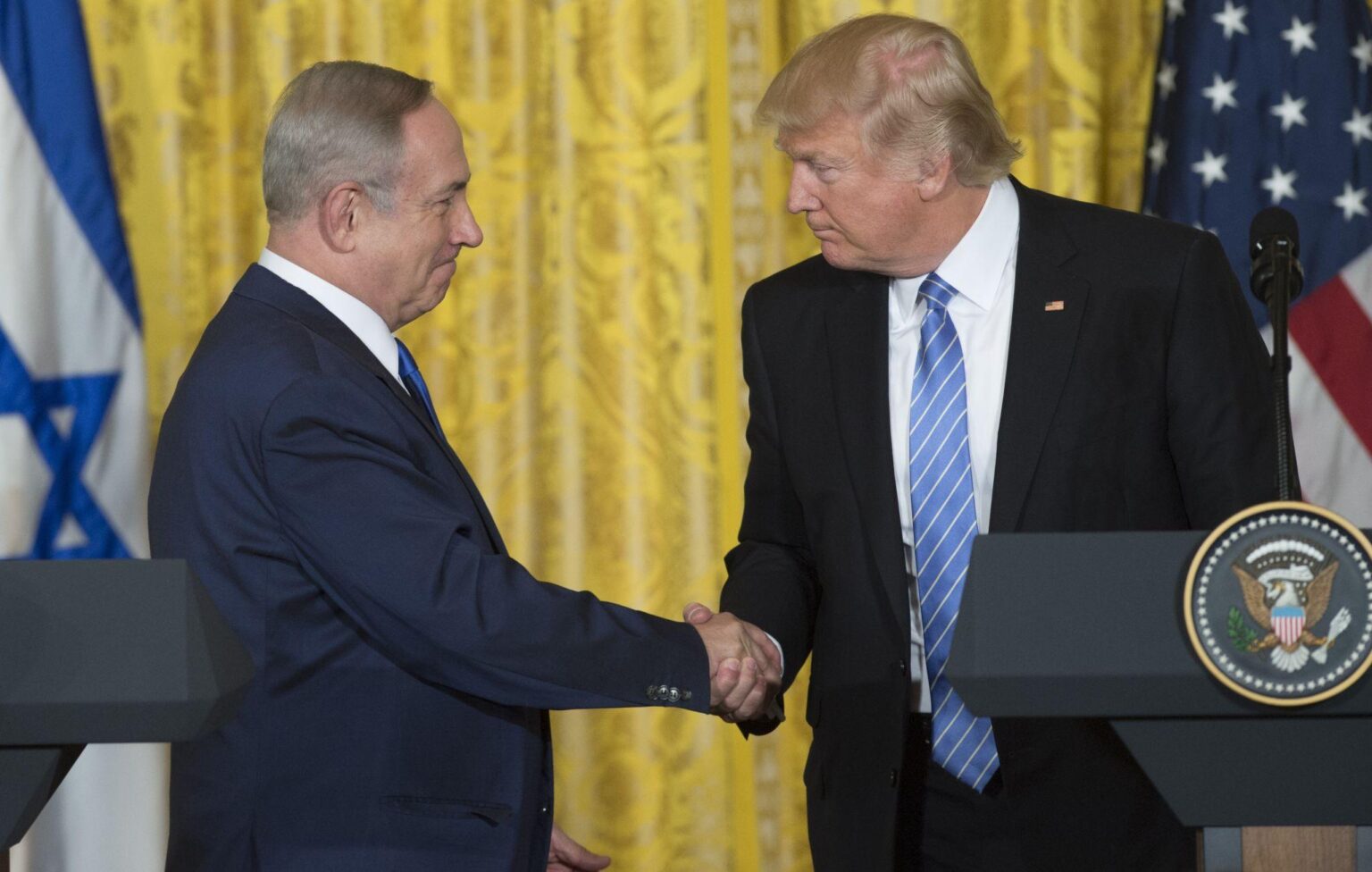
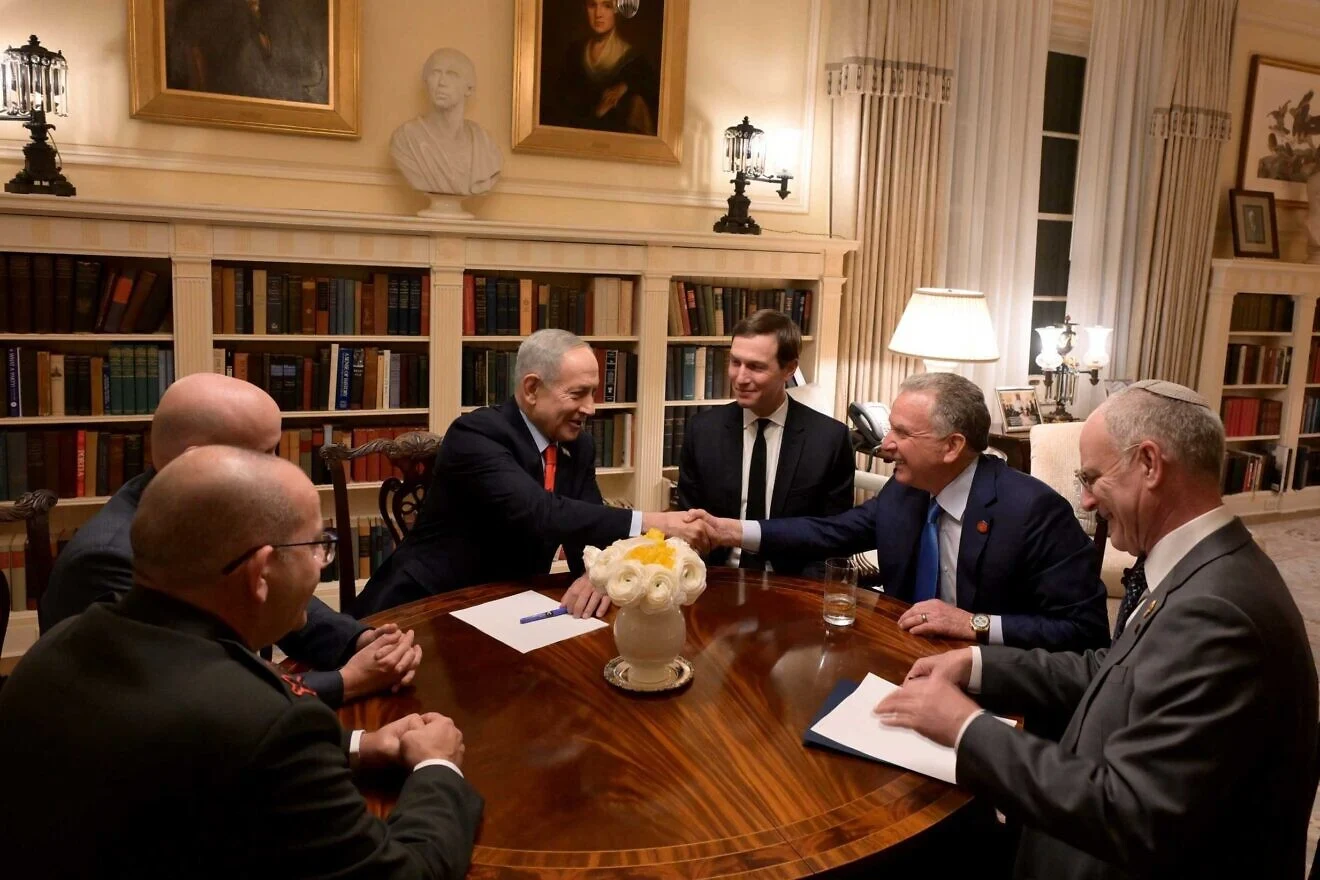
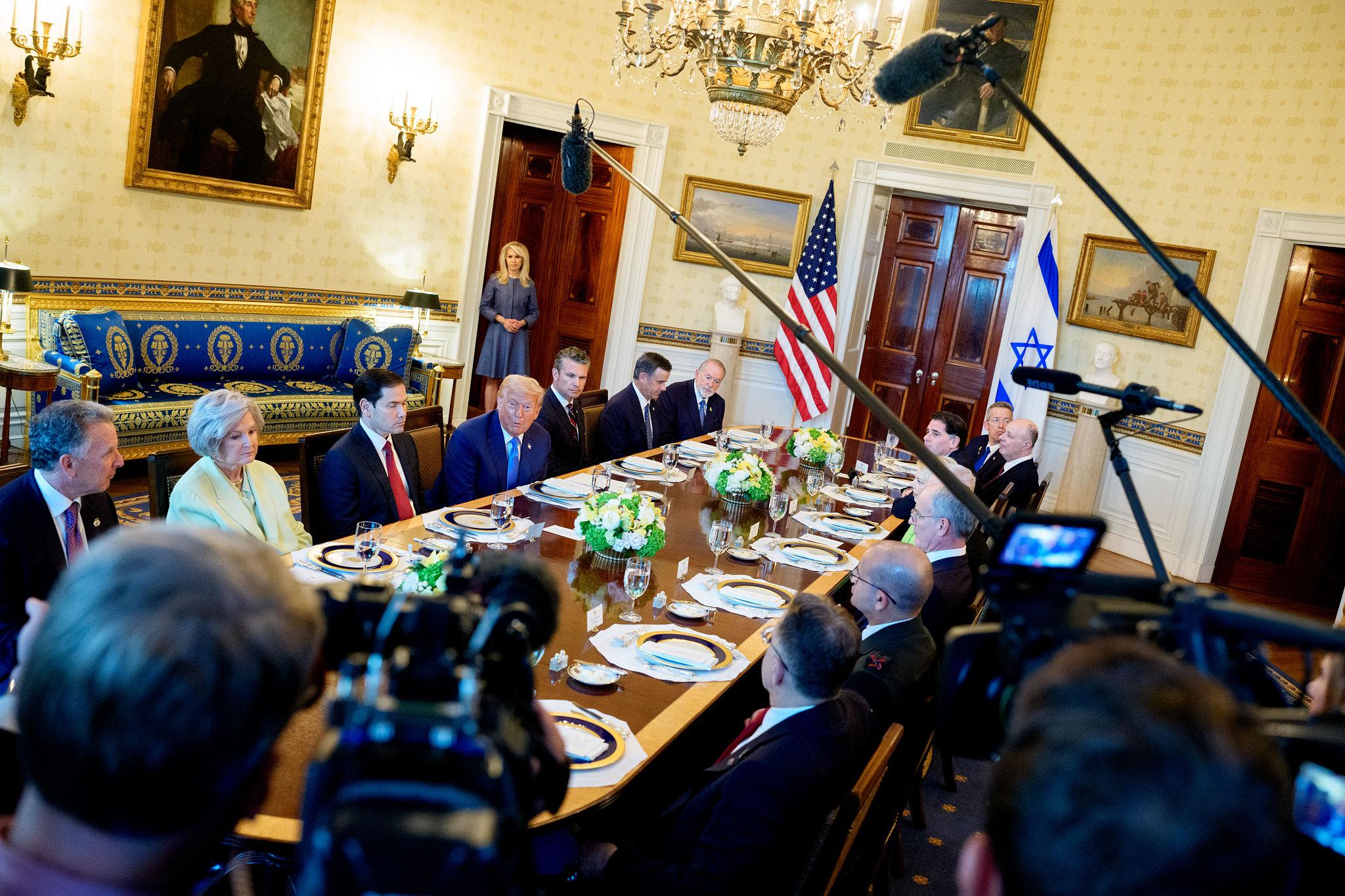
Washington, February 11, 2026 — Brussels Morning Newspaper — The Trump Netanyahu meeting held in Washington in 2026 brought renewed international attention to Iran nuclear negotiations and the evolving security situation in Gaza. Convened at the White House, the high level summit highlighted the depth of US Israel coordination at a time of rising geopolitical uncertainty across the Middle East.
Officials from both governments described the talks as comprehensive and strategic. The Trump Netanyahu meeting focused on nuclear nonproliferation, regional deterrence, humanitarian access in Gaza, and long term security planning. Diplomatic observers suggest the outcomes may influence broader Middle East policy decisions throughout 2026.
Strategic Priorities Define the Washington Summit
The Trump Netanyahu meeting took place amid accelerating diplomatic engagement surrounding Iran’s nuclear program and ongoing security challenges in Gaza. International stakeholders have been closely monitoring Washington’s policy direction, particularly regarding verification standards and sanctions mechanisms.
Senior US officials reaffirmed that preventing nuclear proliferation remains a central objective. Israeli leadership stressed that any diplomatic pathway must include strict compliance and credible enforcement. The Trump Netanyahu meeting underscored shared security priorities while acknowledging the complexity of negotiations involving multiple global actors.
A senior US official stated,
“Our partnership remains grounded in shared democratic values and an unshakable commitment to regional security.”
The comment reflected the tone of coordination emphasized during the summit.
Iran Nuclear Diplomacy at the Forefront
Iran nuclear policy dominated the agenda of the Trump Netanyahu meeting. Intelligence assessments and diplomatic options were reviewed in detail, with particular focus on uranium enrichment levels and inspection access.
Washington reiterated its preference for diplomacy supported by enforceable compliance measures. Israeli representatives raised concerns about verification gaps and technological advancements within Iran’s nuclear infrastructure. The Trump Netanyahu meeting provided a direct channel for strategic consultation and contingency planning.
Experts note that diplomatic momentum depends on balancing engagement with leverage. The discussions in Washington highlighted the importance of maintaining deterrence while preserving negotiation channels. Regional analysts argue that coordination at this level reduces uncertainty and clarifies policy direction for allies.
Gaza Security and Humanitarian Stability
Security developments in Gaza formed another key component of the Trump Netanyahu meeting. Periodic escalations have placed strain on infrastructure and civilian populations, prompting international calls for sustained humanitarian access.
Leaders examined ceasefire frameworks, cross border security measures, and aid delivery mechanisms. The Trump Netanyahu meeting emphasized the dual objective of ensuring Israeli security while addressing humanitarian concerns.
An Israeli official familiar with the discussions noted,
“Stability requires vigilance, but it also demands practical solutions that protect civilians.”
The statement illustrated the delicate balance discussed during the summit.
Policy analysts observe that Gaza remains a focal point of regional diplomacy. Efforts to de escalate tensions often hinge on close coordination between Washington and Jerusalem, particularly during periods of heightened volatility.
Defense Cooperation and Intelligence Sharing
Beyond immediate regional concerns, the Trump Netanyahu meeting reinforced long standing defense cooperation frameworks. Joint missile defense systems, cybersecurity initiatives, and intelligence coordination were central topics of discussion.
Military analysts point out that sustained technological collaboration enhances deterrence while enabling rapid response capabilities. The Trump Netanyahu meeting reaffirmed commitments to innovation in defense systems and operational readiness.
Strategic planners emphasize that cooperation in intelligence sharing strengthens situational awareness across the Middle East. The summit highlighted the interconnected nature of regional security challenges and global stability.
International Response and Diplomatic Signals
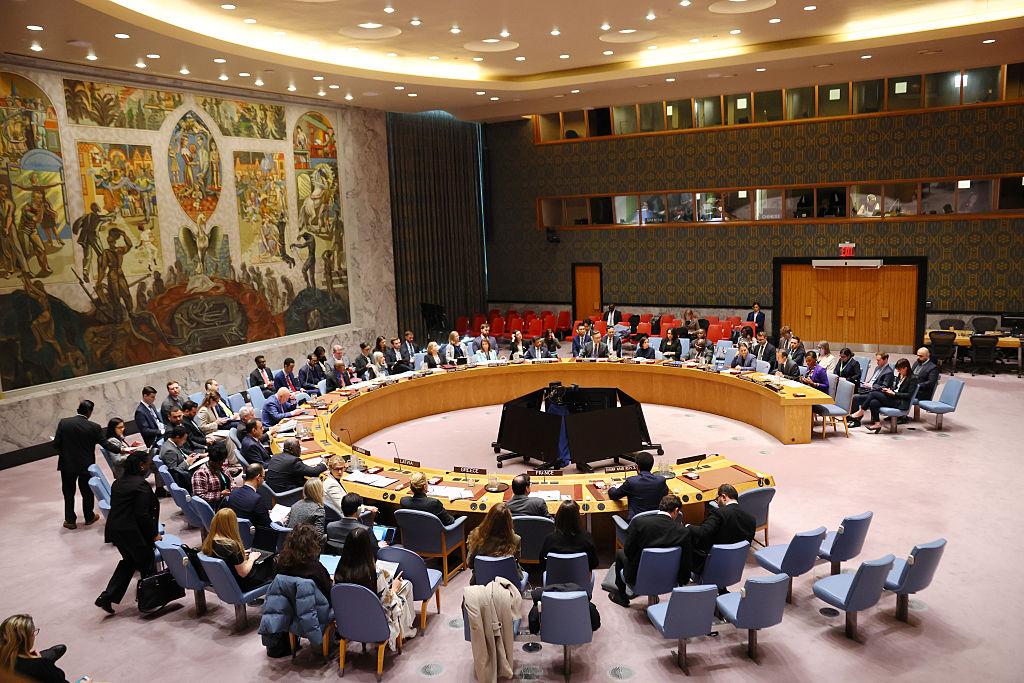
The Trump Netanyahu meeting attracted significant attention from European capitals, Gulf partners, and international organizations. Governments worldwide are assessing how renewed US Israel coordination may shape ongoing negotiations with Tehran and influence broader diplomatic efforts.
European officials reiterated the importance of multilateral frameworks. Gulf leaders expressed interest in stability mechanisms that prevent escalation. The Trump Netanyahu meeting signaled continuity in strategic alignment during a period of geopolitical flux.
Diplomatic observers suggest that high level summits often carry symbolic weight beyond policy details. The Washington gathering reinforced the resilience of US Israel relations while sending a message of unified strategic intent.
Domestic Political Context in 2026
In both the United States and Israel, the Trump Netanyahu meeting carries domestic political implications. In Washington, lawmakers continue to debate sanctions policy, defense funding, and diplomatic engagement strategies related to Iran and regional security.
In Israel, national security remains central to public discourse. The Trump Netanyahu meeting was viewed domestically as an opportunity to strengthen bilateral ties while navigating complex regional dynamics.
Public opinion reflects diverse perspectives on the best approach to Iran negotiations and Gaza stabilization. Nevertheless, bipartisan support for close US Israel coordination remains a consistent feature of political life in both countries.
Economic and Energy Market Considerations
Geopolitical developments in the Middle East frequently influence global markets. The Trump Netanyahu meeting occurred against a backdrop of fluctuating energy prices and evolving supply chain pressures.
Economists note that diplomatic clarity can contribute to reduced market volatility. The Trump Netanyahu meeting signaled to investors that strategic dialogue remains active and coordinated at the highest levels.
Energy analysts are closely monitoring developments related to Iran’s nuclear negotiations and regional security. Stability in shipping corridors and energy production routes often depends on sustained diplomatic engagement.
Historical Context of Leadership Engagement
High level meetings between US presidents and Israeli prime ministers have historically shaped regional diplomacy. From security agreements to peace initiatives, leadership summits often define the trajectory of Middle East policy.
The Trump Netanyahu meeting aligns with this historical pattern of strategic consultation during pivotal moments. Past engagements have influenced arms control frameworks, counterterrorism cooperation, and multilateral negotiations.
Historians argue that such meetings serve as stabilizing mechanisms during periods of uncertainty. The 2026 summit continues that tradition by reinforcing channels of communication and shared strategic planning.
Long Term Strategic Outlook
As 2026 progresses, policymakers will evaluate the tangible outcomes of the Trump Netanyahu meeting. Implementation of discussed frameworks, continued diplomatic outreach, and effective crisis management will determine its lasting impact.
Analysts emphasize that durable stability requires sustained dialogue, credible deterrence, and coordinated humanitarian efforts. The Washington summit demonstrated an effort to integrate these elements into a cohesive regional strategy.
Looking ahead, continued engagement between Washington and Jerusalem is expected as developments unfold in Iran and Gaza. The evolving geopolitical environment underscores the importance of maintaining open communication channels and strategic alignment.
A Defining Diplomatic Moment in 2026
The Trump Netanyahu meeting stands as a defining diplomatic engagement of 2026. By addressing Iran nuclear negotiations, Gaza security challenges, and long term defense coordination, the summit reinforced the enduring partnership between the United States and Israel.
While significant challenges remain, the discussions in Washington highlighted shared objectives and mutual commitments. Observers agree that sustained leadership level dialogue will be essential in navigating the complexities of Middle East diplomacy in the months ahead.