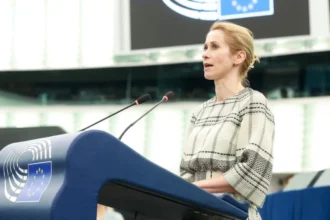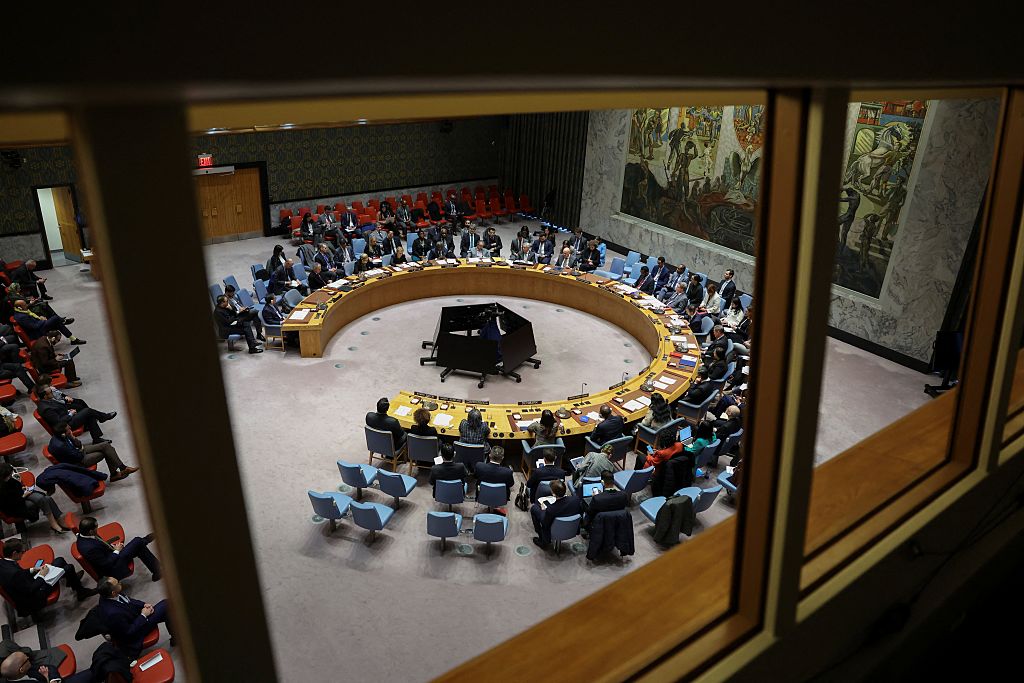
Washington, United States — January — The Trump Iran conflict has entered a renewed phase as U.S. policymakers reassess strategic pressure, regional stability, and diplomatic restraint amid evolving global conditions. The current posture reflects lessons learned from past confrontations while signaling that Washington remains prepared to influence outcomes without committing to direct escalation.
The Trump Iran conflict now sits at the intersection of military deterrence, economic leverage, and psychological signaling, reshaping how influence is projected in an era defined by uncertainty.
Strategic Context Driving Washington’s Decisions
The Trump Iran conflict is unfolding within a broader strategic re-calibration inside Washington. Officials are weighing how visible strength, when paired with restraint, can shape behavior without triggering irreversible consequences. This approach reflects a growing preference for controlled pressure rather than open confrontation.
Rather than rapid action, policymakers are emphasizing positioning, readiness, and long-term leverage. The goal is to maintain influence while preserving flexibility in a rapidly changing geopolitical environment.
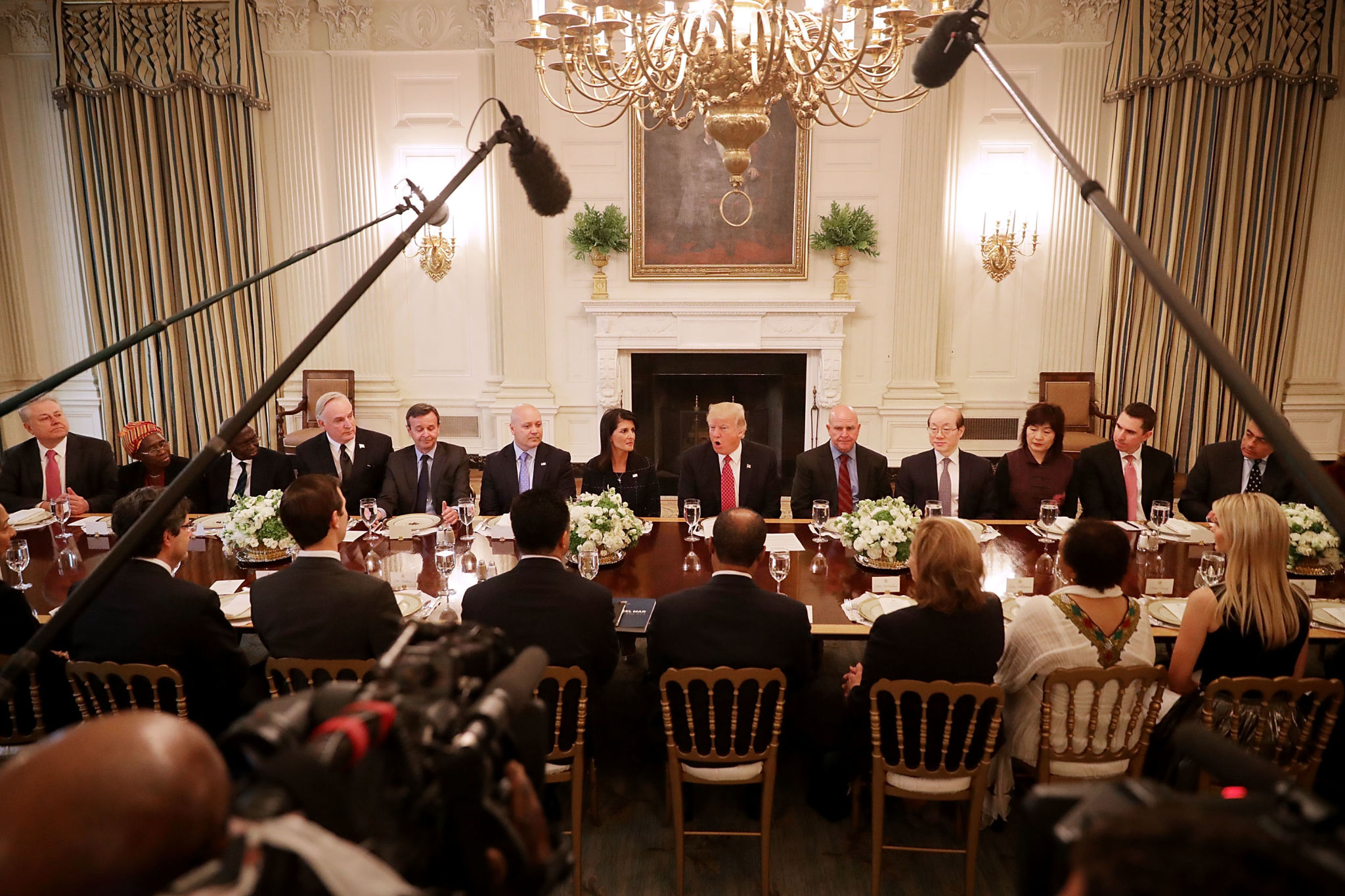
Iran’s Internal Pressures and Economic Reality
At the heart of the Trump Iran conflict lies Iran’s internal economic strain. Inflationary pressure, constrained trade access, and limited foreign investment continue to affect daily life. These challenges place stress on governance structures and public confidence.
Economic hardship has historically amplified dissatisfaction, but it has also fueled national resilience narratives. External pressure can accelerate unrest, yet it can also unify resistance depending on timing and perception.
Military Signaling Without Immediate Escalation
The Trump Iran conflict illustrates how military capability can function as a signal rather than a trigger. Readiness, visibility, and posture are being used to communicate resolve without crossing thresholds that lead to direct engagement.
Defense planners stress deterrence credibility while avoiding actions that would lock both sides into retaliatory cycles. Strategic ambiguity remains a key element of this posture.
Diplomatic Channels Behind the Scenes
Despite public tension, the Trump Iran conflict has not eliminated diplomatic engagement. Quiet channels, indirect intermediaries, and regional partners continue to play roles in managing risk.
One U.S. official familiar with diplomatic discussions stated,
“Pressure is most effective when it leaves space for dialogue rather than eliminating it.”
Regional Implications Across the Middle East
The Trump Iran conflict affects far more than bilateral relations. Neighboring states monitor developments closely, aware that instability can disrupt trade routes, energy markets, and internal security.
Regional governments remain cautious, balancing alignment with Washington against domestic concerns over escalation. Stability remains a shared priority, even as strategic interests diverge.
Energy Markets and Global Economic Sensitivity
Global markets remain sensitive to developments tied to the Trump Iran conflict. Even without military engagement, shifts in rhetoric and posture can influence oil pricing, shipping insurance, and investor sentiment.
Energy-dependent economies closely watch signals from Washington and Tehran, recognizing that perception alone can move markets as decisively as action.

Information Strategy and Narrative Control
The Trump Iran conflict demonstrates how modern statecraft relies heavily on information strategy. Messaging is carefully calibrated to project strength, resolve, and control without provoking immediate retaliation.
Statements, timing, and tone are used strategically to shape both domestic and international perception. Narrative management has become as influential as physical assets.
Historical Lessons Shaping Current Strategy
The Trump Iran conflict cannot be separated from decades of accumulated mistrust. Past confrontations, sanctions regimes, and failed negotiations inform expectations on both sides.
Strategists acknowledge that history shapes interpretation, making miscalculation one of the greatest risks. Understanding past outcomes is essential to managing present decisions.
Domestic Political Considerations in Washington
The Trump Iran conflict also carries domestic political weight. Foreign policy decisions are scrutinized not only for international impact but for how they resonate with voters, institutions, and allied partners.
Balancing firmness with caution has become a political as well as strategic necessity. Leaders must demonstrate resolve without exposing the nation to unnecessary risk.
The Role of Allies and International Coordination
Allied coordination remains a key factor in the Trump Iran conflict. While partners broadly support stability, approaches differ regarding the appropriate level of pressure.
Maintaining unity requires careful diplomacy, especially when national interests diverge on timing, enforcement, and engagement strategies.
Risk Management in a Multipolar World
The Trump Iran conflict unfolds within a multi-polar global system where actions are interpreted through multiple lenses. Strategic moves influence not only Iran but also competitors and partners worldwide.
Risk management now involves anticipating second- and third-order effects, from cyber implications to shifts in regional alliances.
Cyber and Asymmetric Considerations
Modern conflict rarely remains confined to conventional domains. The Trump Iran conflict includes concerns over cyber capabilities, proxy actors, and asymmetric responses.
These dimensions complicate decision-making, as responses may emerge outside traditional battlefields and timelines.
Public Sentiment and Domestic Stability in Iran
Public perception within Iran remains a critical variable in the Trump Iran conflict. Economic frustration, generational expectations, and social pressures interact in unpredictable ways.
External pressure may influence internal debate, but outcomes depend heavily on domestic narratives and leadership responses.
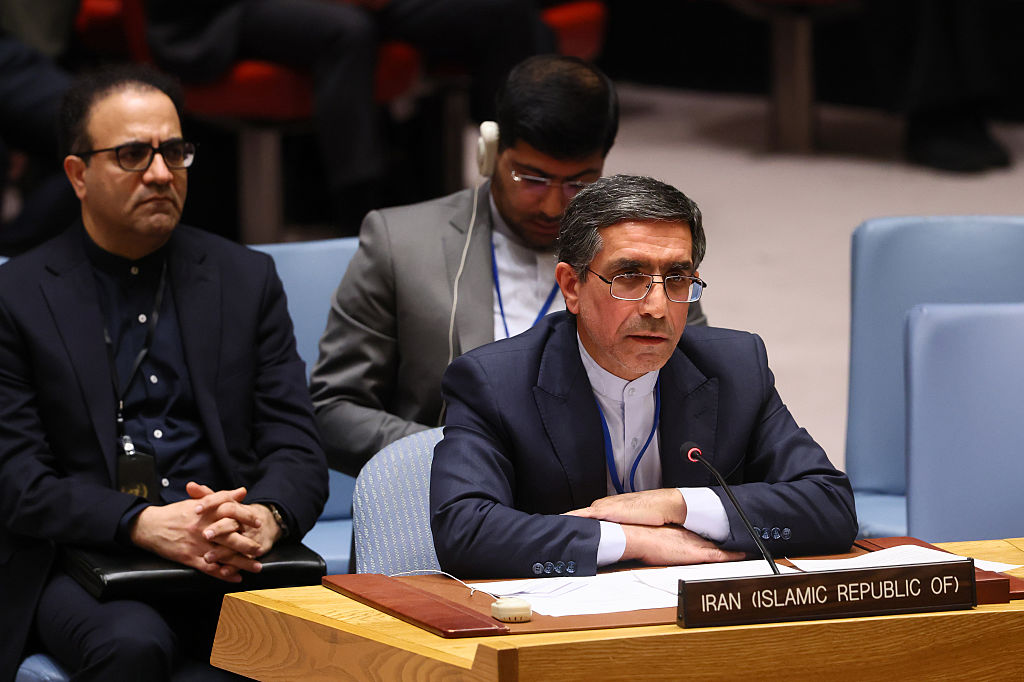
Strategic Patience as a Policy Tool
The Trump Iran conflict highlights the growing role of strategic patience. Rather than immediate results, policymakers emphasize sustained positioning and gradual influence.
Patience allows room for re-calibration while maintaining pressure mechanisms that can be adjusted as conditions evolve.
Intelligence Assessments and Decision Support
Intelligence analysis plays a central role in shaping the Trump Iran conflict. Assessments focus on intent, capability, and perception rather than solely on force deployment.
Understanding how actions are interpreted is as important as understanding material capability.
Media Coverage and Public Understanding
Public understanding of the Trump Iran conflict is shaped by media framing, expert analysis, and official communication. Clarity and consistency remain essential to maintaining credibility.
Misinformation and speculation can escalate tensions, making accurate communication a strategic necessity.
Long-Term Strategic Outcomes
The Trump Iran conflict is unlikely to be resolved quickly. Its trajectory will be measured in years rather than weeks, shaped by economic endurance, diplomatic adaptability, and strategic discipline.
Success will depend on managing pressure without closing pathways to stability.
When Influence Matters More Than Force
The Trump Iran conflict represents a defining test of modern power projection, where influence, patience, and perception increasingly outweigh direct confrontation. In 2026, the challenge is not whether power can be exercised, but whether it can be exercised wisely.
The outcome will shape regional stability, global confidence, and the future framework of U.S. foreign policy.