Ostend (Brussels Morning Newspaper) November 10, 2026 – Thirteen migrants were brought ashore to Ostend after an extensive multi-agency maritime search and rescue operation off the French-Belgian coast. The emergency response was initiated on Monday evening following reports of a small vessel carrying two individuals, one of whom was suffering from severe hypothermia. Information provided by the initial survivors led a search helicopter to locate eleven additional people clinging to a sea buoy in French territorial waters. The rescue represents the second consecutive day of migrant vessel incidents along the maritime border between France and Belgium.
Ostend, Belgium – Emergency services and maritime authorities in Belgium and France conducted a coordinated sea rescue operation on Monday, 10 November 2026, recovering 13 migrants from the North Sea off the French-Belgian coast.
The Maritime Rescue and Coordination Centre (MRCC), based in the Belgian port city of Ostend, was first alerted to a vessel in distress at approximately 17:30 local time. The initial notification indicated that a small boat carrying two individuals was adrift near the maritime border.
Coastguard vessels dispatched to the scene retrieved both individuals from the water. Upon being taken aboard, medical personnel noted that one of the rescued migrants was suffering from hypothermia and required immediate stabilization.
How Did Emergency Services Discover Eleven Additional Migrants Clinging to a Buoy?
During the initial extraction, the two rescued individuals informed Belgian coastguard officers that eleven other members of their group remained stranded at sea.
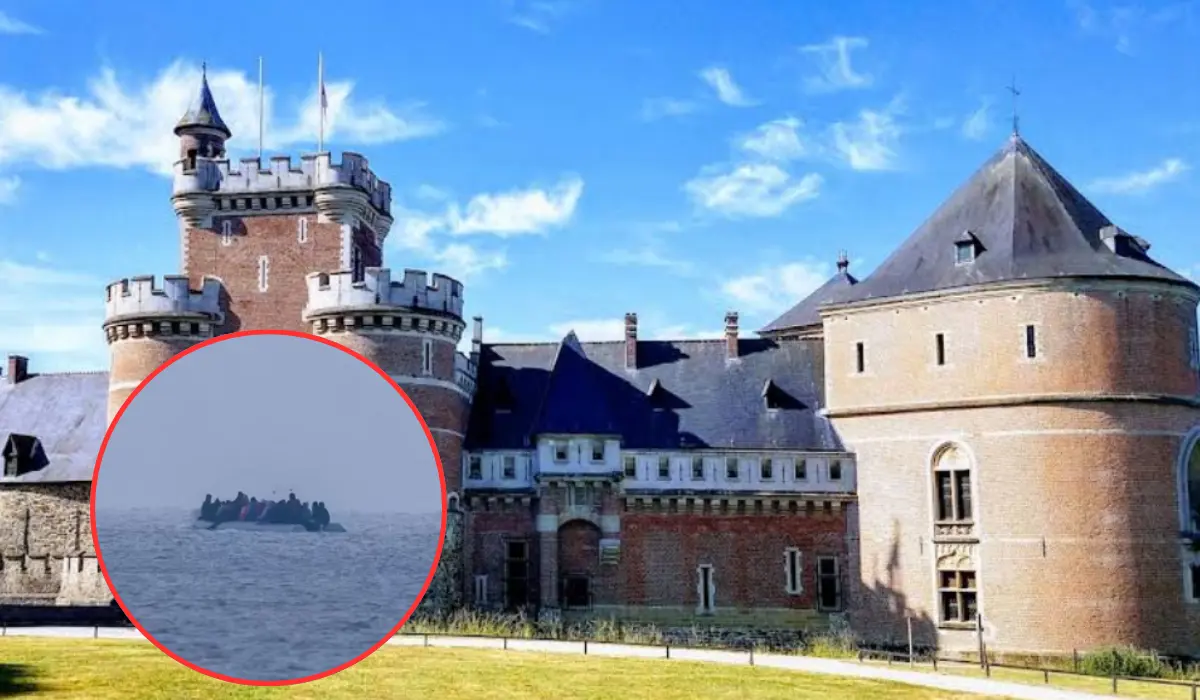
Following the alert, the MRCC initiated an immediate air and sea search operation, coordinating with French maritime agencies to survey the surrounding waters along the maritime border. A search-and-rescue helicopter deployed to the area subsequently located eleven individuals holding onto a large black-and-yellow navigational buoy situated in French territorial waters.
Dries Derudder, spokesperson for the Belgian Agency for Maritime and Coastal Services (MDK), confirmed the operational details of the extraction. Speaking to Belgian public broadcaster VRT NWS, Dries Derudder stated: “All thirteen are being taken to Ostend, where they will receive the necessary medical care.”
Authorities have not confirmed whether the eleven individuals found on the navigational marker had originally departed in the same small craft as the first two survivors or how long they had been exposed to sea conditions before being spotted by the search helicopter.
What Occurred During the Preceding Migrant Vessel Incident Near Dunkirk?
The rescue on Monday marked the second consecutive day that emergency services were called to handle small migrant vessels attempting to navigate the North Sea near the French-Belgian border.
On Sunday, 9 November 2026, maritime tracking services monitored a separate inflatable boat carrying approximately 30 migrants as it drifted for several hours near the border between French and Belgian waters. According to police reports provided to local media, the occupants of the vessel initially refused assistance and resisted attempts by coastguard units to disembark them.
Additionally, law enforcement officers monitoring the coastline observed approximately 50 more individuals waiting in the water just across the French border, attempting to board the overcrowded vessel while it remained near the shoreline.
Following prolonged negotiations and monitoring by French and Belgian emergency units, all individuals aboard the vessel were safely brought ashore at the French port of Dunkirk, where local administrative and medical services took charge of the group.
How Are Belgian and French Authorities Managing Border Safety and Emergency Protocols?
The waters between northern France, western Belgium, and the United Kingdom remain subject to continuous air and sea patrols by European border authorities due to the frequency of small boat crossings in the English Channel and North Sea transit corridors.
Under existing international maritime law and regional search-and-rescue protocols, the MRCC in Ostend operates in close coordination with the French Maritime Prefecture of the Channel and the North Sea, based in Cherbourg-en-Cotentin. When vessels in distress cross the maritime boundary line, both nations deploy assets—including naval vessels, lifeboats, and air support—to execute extractions and transport survivors to the nearest medical facilities.
Following the arrival of the 13 migrants at the port of Ostend on Monday night, local medical teams, police, and immigration services established receiving facilities to evaluate their health statuses and process their administrative records. Further investigations by Belgian and French federal authorities are underway to determine the point of departure for the vessel and establish the circumstances leading to the group becoming stranded on the offshore buoy.