

The Treaty of Ghent stands as a pivotal milestone in early 19th-century history, marking the formal end of hostilities between the United States and Great Britain in the War of 1812. This agreement not only restored peace but also set the stage for future diplomatic relations and territorial stability in North America.
- Introduction: Setting the Stage for Peace
- Understanding the Treaty of Ghent: What Was It?
- When Was the Treaty of Ghent Signed?
- The War of 1812: Background to the Treaty
- Key Provisions of the Treaty
- The Event That Occurred After the Treaty Was Signed
- The Aftermath and Long-Term Impact of the Treaty
- The Treaty of Ghent in Historical Perspective
- Why the Treaty of Ghent Remains Relevant Today
Introduction: Setting the Stage for Peace
The early 1800s were marked by intense conflict on the global stage, particularly between Britain and its former colonies, the United States. The War of 1812, often dubbed America’s “second war of independence,” reflected unresolved tensions from the Revolutionary War, maritime disputes, and territorial ambitions.
Negotiations to end these hostilities culminated in the Treaty of Ghent, a carefully crafted agreement that reaffirmed sovereignty and peace without addressing every contentious issue, yet laid the foundation for future diplomacy.
Understanding the Treaty of Ghent: What Was It?
The Treaty of Ghent was a diplomatic accord that officially ended the War of 1812 between the United States and Great Britain. Signed in the city of Ghent, located in present-day Belgium, this treaty effectively restored relations to their pre-war status. Both nations agreed to cease hostilities, release prisoners, and return territorial possessions captured during the conflict.
Significantly, the treaty avoided addressing the maritime issues and trade restrictions that initially sparked the war, choosing instead to restore the pre-war boundaries, a status quo ante bellum arrangement. This approach underscored a mutual desire to prevent further bloodshed and solidify peace without exacerbating existing disputes.
When Was the Treaty of Ghent Signed?
Negotiations for peace began in late 1814 after several years of intermittent battles. Representatives from both sides met in Ghent in August 1814 and worked through complex discussions over several months. The treaty was formally signed on December 24, 1814, effectively ending the War of 1812. However, due to slow transatlantic communications, news of the treaty did not reach North American battlefields immediately.
This delay had a significant impact, as some major confrontations occurred even after the treaty’s signing, underscoring the logistical challenges of diplomacy in the early 19th century.
The War of 1812: Background to the Treaty

Understanding why the Treaty of Ghent was necessary requires a closer look at the War of 1812 itself. Often overshadowed by larger global conflicts, this war was rooted in several critical disputes:
- Maritime Rights: Britain’s Royal Navy enforced blockades and engaged in impressment, forcibly recruiting American sailors into British service. This infringement on American sovereignty was a major cause of conflict.
- Territorial Ambitions: Both nations vied for control over parts of North America, particularly along the US-Canada border.
- Native American Alliances: Britain supported native tribes resisting American expansion, adding another layer of contention.
The war saw battles on land and water, with neither side achieving a decisive victory. Despite fierce fighting, the conflict largely ended in a military stalemate, which contributed to the decision to negotiate peace through the Treaty of Ghent.
Key Provisions of the Treaty
The Treaty of Ghent reflected compromise and a return to previous conditions rather than sweeping changes. Its main provisions included:
- Restoration of Territory: All captured land and possessions were to be returned to their pre-war owners, effectively resetting boundaries.
- Prisoner Release: Both countries agreed to release prisoners taken during the war.
- Commission Establishment: A joint commission was created to resolve future boundary disputes, notably between the U.S. and Canada.
- Native American Land Recognition: Although native land issues had fueled part of the conflict, the treaty did not specifically address claims of indigenous tribes, a significant omission with lasting consequences.
- End of Hostilities: Formal cessation of warfare was declared, and efforts toward improved relations were encouraged.
Notably absent were provisions on maritime rights and commercial regulations, which remained unresolved but were largely rendered moot by the winding down of the Napoleonic Wars in Europe.
The Event That Occurred After the Treaty Was Signed
Despite the treaty’s signing in late December 1814, news traveled slowly across the Atlantic. Consequently, the Battle of New Orleans—one of the most famous and decisive battles of the War of 1812—occurred in January 1815, after the treaty was signed but before it had been ratified and communicated to the forces involved.
Led by General Andrew Jackson, American troops decisively defeated British forces in this battle, which elevated national morale and fostered a sense of American unity. This occurrence underscored the disconnect between diplomatic progress and warfare realities due to the era’s communication limitations.
The Aftermath and Long-Term Impact of the Treaty
The Treaty of Ghent ushered in a period of durable peace and cooperation between the United States and Great Britain, marking a significant turning point with several lasting implications. One of the most notable outcomes was the improvement in diplomatic relations, as the treaty paved the way for stronger bilateral ties and future alliances, moving both nations beyond the hostilities that had defined their early 19th-century interactions.
In addition, the establishment of ongoing boundary commissions helped ensure stability along the US-Canada border, eventually leading to the peaceful resolution of territorial disputes between the United States and British Canada.
This newfound stability also created favorable conditions for economic growth and trade; post-war, commercial relations gradually improved, benefiting the economies of both countries. On a national level, the war and its conclusion through the treaty fostered a stronger sense of American identity, reinforcing the young republic’s resilience and durability. However, the treaty’s legacy was not without its complexities.
The absence of provisions protecting Native American land rights resulted in further losses for indigenous peoples, contributing to increased displacement and ongoing conflicts. Together, these consequences highlight the treaty’s dual legacy as both a foundation for peace and a source of enduring challenges.
The Treaty of Ghent in Historical Perspective
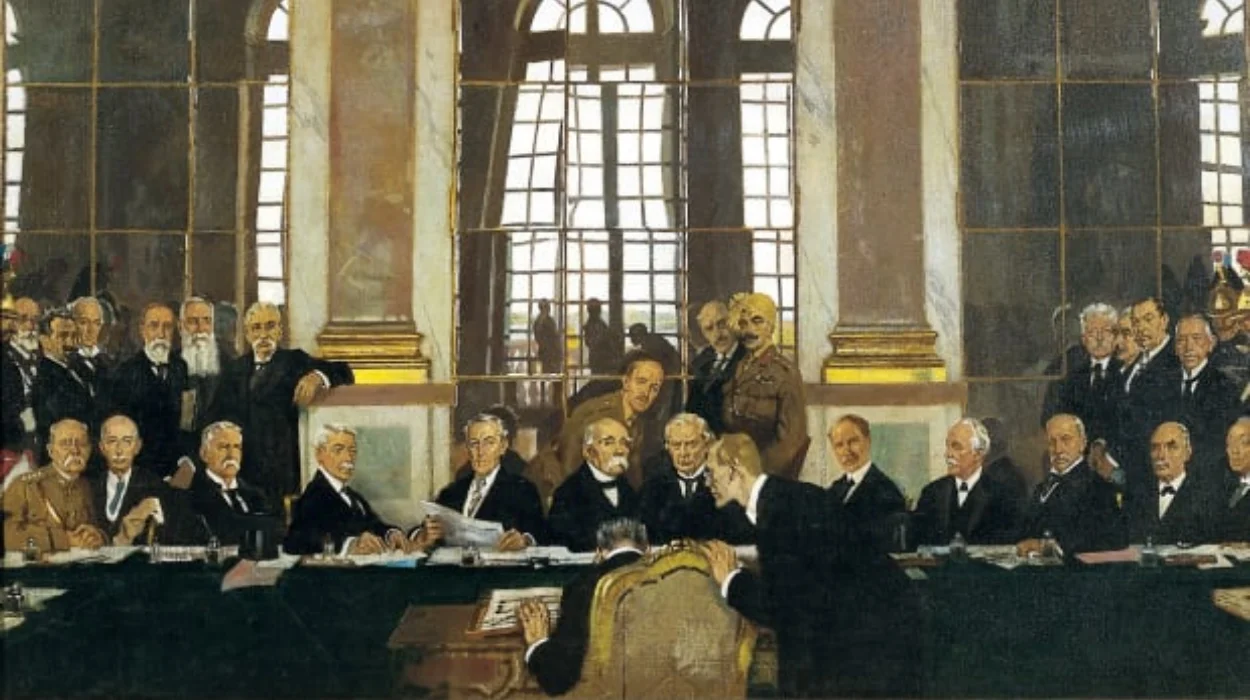
Historically, the Treaty of Ghent is viewed as a pragmatic resolution rather than a triumphant victory for either side. It exemplifies the challenges of diplomacy during wartime and the necessity of compromise. The agreement illustrated early 19th-century limitations in communication and negotiated multitiered diplomacy that managed to avert further large-scale conflict.
The treaty also demonstrated the soft power potential of diplomatic negotiation—a lesson that echoes in contemporary international relations where peace accords often preserve stability even absent resolution of all disputes.
Why the Treaty of Ghent Remains Relevant Today
In today’s geopolitical climate, the Treaty of Ghent remains an important case study:
- Conflict Resolution: It underscores the importance and effectiveness of negotiated settlements even amidst prolonged conflict.
- International Law Foundations: The treaty helped solidify principles of territorial sovereignty and peaceful dispute resolution.
- Cross-Border Cooperation Model: The use of commissions to address border issues prefigured modern mechanisms for resolving international disputes.
- Historical Lessons on Communication: The delayed awareness of peace highlights how timely information exchange is critical in warfare and diplomacy.
Its historical legacy enriches understanding of diplomacy’s role in shaping peaceful international order.
The Treaty of Ghent stands as a testament to diplomacy’s power to restore peace after a divisive and inconclusive war. Signed at a moment when tensions between the United States and Great Britain could have escalated further, it effectively ended the War of 1812 and laid the groundwork for a century of peaceful relations and cooperation.
While the treaty did not address every contentious issue that led to the war, its pragmatic approach allowed both nations to move forward. The delayed post-signing events, including the Battle of New Orleans, highlight early 19th-century communication challenges but also underscore the resilience of diplomacy.
Today, the Treaty of Ghent remains a model of conflict resolution and a significant chapter in the histories of both nations.
Dear reader,
Opinions expressed in the op-ed section are solely those of the individual author and do not represent the official stance of our newspaper. We believe in providing a platform for a wide range of voices and perspectives, even those that may challenge or differ from our own. We remain committed to providing our readers with high-quality, fair, and balanced journalism. Thank you for your continued support.