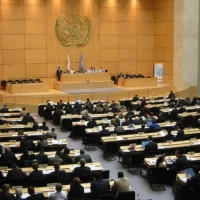

Saudi Arabia’s foreign policy is currently characterized by a dynamic and multifaceted approach aimed at securing its national interests amid shifting global power dynamics. The Kingdom pursues strategic multi-alignment by maintaining strong traditional alliances, chiefly with the United States, while expanding partnerships with other major global powers like China, Russia, and the European Union. Its foreign policy objectives focus on regional stability, diplomatic mediation, economic diversification beyond oil dependence, and safeguarding sovereign autonomy in its international dealings.
Strategic Multi-Alignment and Global Partnerships
Saudi Arabia‘s foreign policy embraces pragmatic multi-alignment, engaging diverse global powers to enhance geopolitical flexibility and avoid overreliance on any single actor. The longstanding US-Saudi alliance remains a cornerstone, particularly in security and defense cooperation, but Riyadh has broadened its sphere of influence with deeper ties to China and Russia, reflecting a recognition of the multipolar world order. The kingdom’s engagement with emerging and established global economies extends to cooperation in infrastructure, energy, finance, and technology sectors. This diversified diplomatic portfolio allows Saudi Arabia to safeguard its interests amid geopolitical uncertainties and assert itself as a key international player.
Regional Stability and Mediation Efforts
At the core of Saudi Arabia’s foreign strategy is a firm commitment to peace and stability in the Middle East. The kingdom seeks to mediate long-standing regional conflicts and actively participates in diplomatic initiatives to resolve tensions involving neighboring countries. Saudi Arabia advocates non-aggression, non-interference, and respect for state sovereignty as guiding principles. While the kingdom has been involved in regional conflicts, including the intervention in Yemen, it increasingly pursues a more balanced role in addressing security challenges, aiming to contain threats and promote stability crucial to its own development and interests.
Economic Diversification and Energy Diplomacy
Economic diversification away from oil dependency is a fundamental driver of Saudi foreign policy. The kingdom is leveraging its diplomatic relations to promote energy diplomacy that balances oil market stability with investments in renewable energy and new technologies. As a founding member of OPEC, Saudi Arabia targets moderate, stable oil prices to sustain revenues while not triggering alternative energy adoption that could weaken demand. Moreover, Riyadh’s foreign policy supports attracting foreign investment and strengthening economic ties worldwide to foster innovation and infrastructure development critical to Vision 2030’s goals.
Sovereign Autonomy and Diplomatic Flexibility
Independent decision-making is a key feature of Riyadh’s foreign policy outlook. Saudi Arabia is assertive about its sovereignty, emphasizing that states should determine their internal affairs without external interference. This stance shapes the kingdom’s bilateral relations and multilateral engagements. It aims to balance cooperative internationalism with protecting national interests, navigating global power shifts without compromising its autonomy. This diplomatic flexibility enables Saudi Arabia to adapt to evolving regional dynamics and global uncertainties to maintain its leadership role in the Gulf, Arab world, and broader Islamic community.
Saudi Arabia’s Global Role and Islam Promotion
Saudi Arabia also positions itself as a global Islamic leader, promoting religious solidarity and cooperation in the Muslim world. The kingdom contributes significant development aid to Muslim countries and funds Islamic institutions worldwide, promoting its conservative religious interpretation. This soft power complements its economic and diplomatic efforts, enhancing its influence in Asia, Africa, and beyond. However, Saudi Arabia balances its religious diplomacy with pragmatic international relations, including controversial stances such as supporting China’s policies in Xinjiang to safeguard broader strategic ties.
Dear reader,
Opinions expressed in the op-ed section are solely those of the individual author and do not represent the official stance of our newspaper. We believe in providing a platform for a wide range of voices and perspectives, even those that may challenge or differ from our own. We remain committed to providing our readers with high-quality, fair, and balanced journalism. Thank you for your continued support.