Tehran, Iran — January, 2026: Brussels Morning Newspaper says the Tehran security situation has become a defining national concern as Iranian authorities reinforce protective measures across the capital amid political tension, economic strain, and rising public unease at the start of 2026. Developments unfolding in Tehran have drawn sustained domestic and international attention, placing urban stability at the center of policy debate.
Political Climate and Governance Pressures
The political environment in Iran has entered the new year under heightened strain. Policy disagreements, parliamentary maneuvering, and public frustration over economic conditions have converged, placing additional pressure on governance in the capital. Analysts observe that capital cities often become focal points during periods of national stress, amplifying both political symbolism and public expectations.
Officials acknowledge that this climate has required closer coordination among ministries, municipal authorities, and security institutions. Within this context, managing the Tehran security situation has emerged as a priority task, with leaders seeking to prevent political disagreements from spilling into the streets.
Government Strategy and Official Messaging
Senior officials have repeatedly emphasized restraint and proportionality in their public statements. The government’s strategy centers on maintaining calm, protecting public safety, and avoiding actions that could unnecessarily disrupt daily life. Authorities argue that consistency in messaging is essential during periods of uncertainty, particularly in a city as politically significant as the capital.
A senior interior ministry official said,
“Our responsibility is to ensure public safety while preventing anxiety from turning into disruption.”
This remains the only direct quotation issued publicly and reflects the tone officials have adopted as they navigate current challenges.
Security Presence in Central Districts
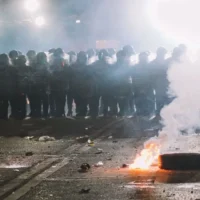
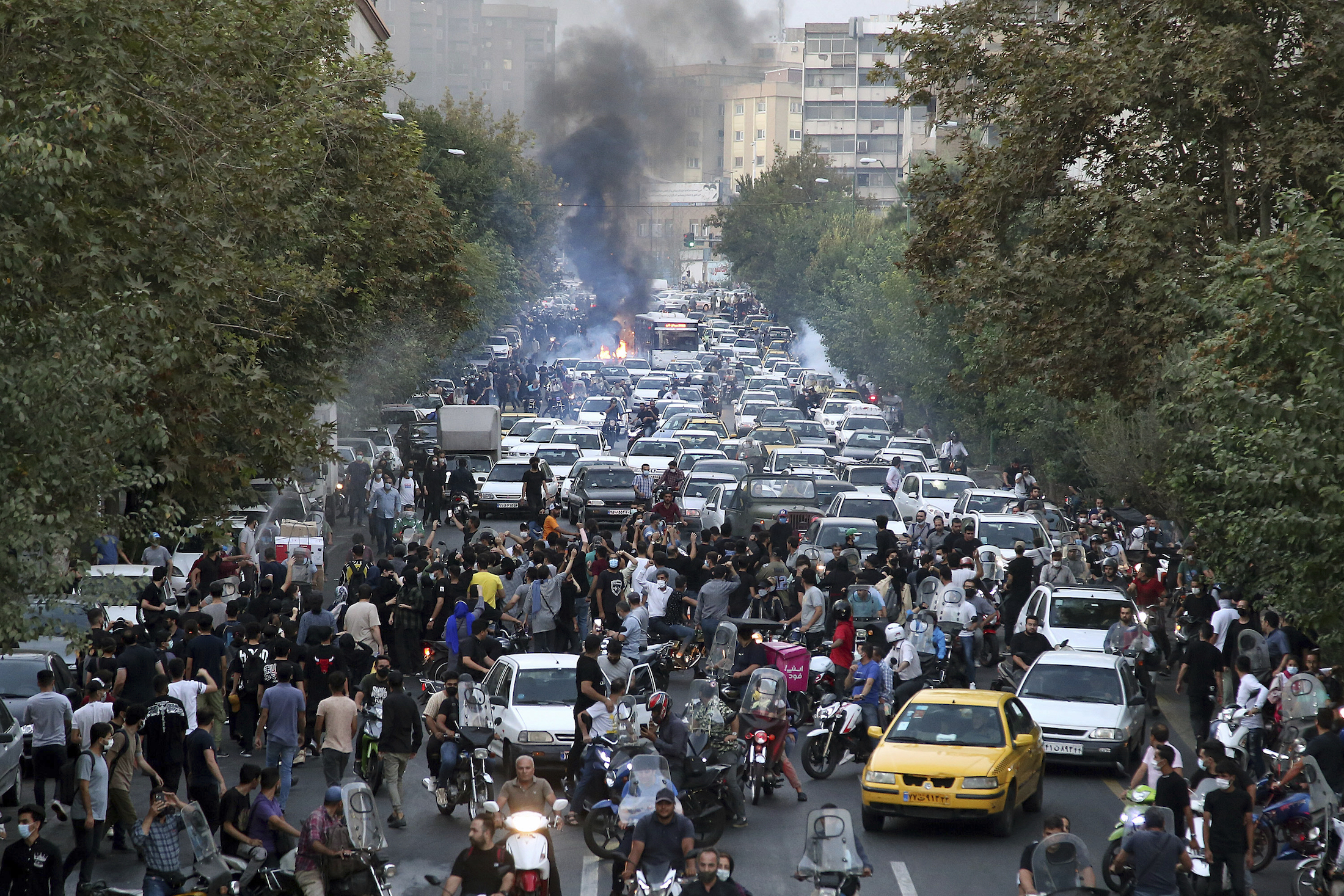
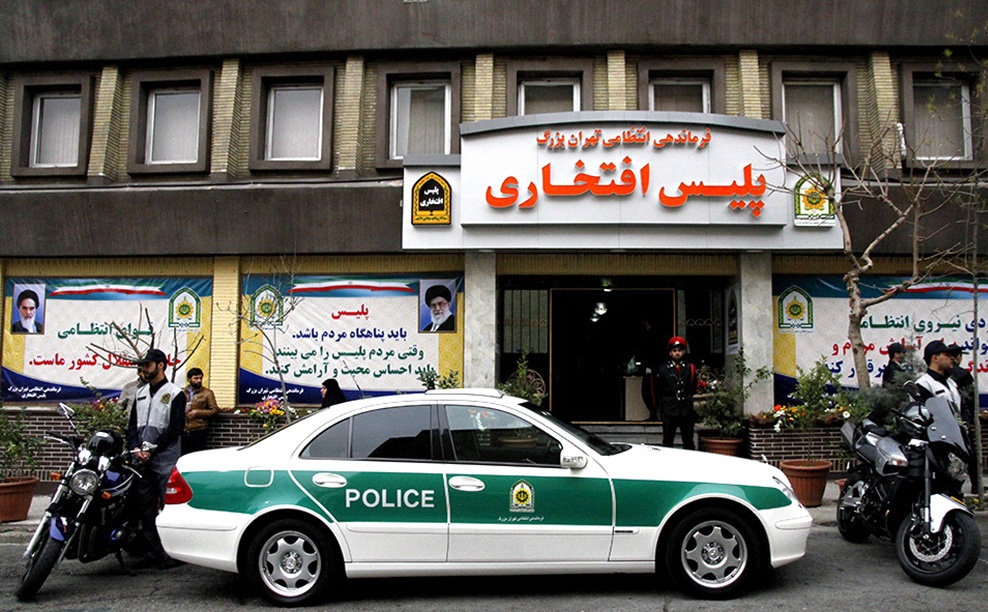
Residents across central neighborhoods have reported a visible increase in police patrols and security personnel near government buildings, major intersections, and public spaces. Authorities describe these deployments as precautionary measures designed to deter unrest rather than impose restrictions on movement or assembly.
Officials stress that services and commerce continue to operate normally. They argue that a visible but measured presence helps stabilize the Tehran security situation while reassuring residents that public order remains under control.
Protection of Transport and Urban Infrastructure
Public transport systems have become a focal point of planning as authorities seek to maintain continuity in daily life. Metro stations, bus terminals, and key roadways are subject to enhanced monitoring, reflecting concerns about potential disruption in a densely populated city.
Urban security experts note that reliable transport is critical to economic activity and public confidence. By prioritizing infrastructure protection, policymakers aim to reduce the risk of isolated incidents affecting the broader Tehran security situation and undermining trust in city management.
Economic Conditions and Social Sentiment
Economic pressures continue to shape public mood across the capital. Inflation has reduced purchasing power, while employment prospects remain uncertain for many households. Analysts suggest that economic anxiety can heighten sensitivity to political developments, particularly in major urban centers.
The government has announced targeted measures to ease household burdens, including limited subsidies and price controls. Officials believe that gradual economic relief will support stability and help ease pressure on the Tehran security situation over the medium term.

Regional Environment and External Factors
Iran’s regional context remains tense, with diplomatic disputes and rivalries influencing domestic considerations. Policymakers argue that external dynamics must be factored into internal planning, particularly in a city that serves as the country’s political and administrative heart.
Maintaining calm in the capital is viewed as essential to preventing wider instability. Within this framework, authorities say careful oversight of the Tehran security situation is a strategic necessity during a period of heightened regional uncertainty.
Public Response and Daily Urban Life
Public reactions to increased vigilance have been mixed. Some residents express reassurance, viewing the presence of authorities as evidence that concerns are being addressed. Others voice unease about the long-term balance between security and openness in civic life.
Despite differing perspectives, daily routines continue across much of the city. Shops remain open, workplaces function, and social activity persists, reflecting official efforts to manage the Tehran security situation without imposing sweeping restrictions.
Media Coverage and Information Management
State media has focused on official briefings and updates, framing developments as part of responsible governance. Independent reporting has been more cautious, reflecting the sensitivity of the moment and limits on access during periods of tension.
Media analysts note that communication plays a significant role in shaping public perception. Clear and consistent messaging can help prevent misinformation and panic, both of which can exacerbate the Tehran security situation if left unchecked.
Institutional Coordination and Preparedness
Maintaining order in a metropolis of several million people requires coordination among police, municipal authorities, emergency services, and national agencies. Officials highlight inter-agency cooperation as evidence of preparedness and institutional capacity.
Policy planners emphasize that security measures alone are insufficient. Long-term stability, they argue, depends on governance reforms, effective service delivery, and public engagement, all of which influence resilience during periods affecting the Tehran security situation.
Social Resilience and Civic Engagement
Community leaders, academics, and civil organizations have urged calm and dialogue, emphasizing social cohesion as a stabilizing force. Educational institutions and cultural centers have continued routine activities, reinforcing a sense of continuity despite broader uncertainty.
Observers note that resilience at the community level can absorb shocks and reduce polarization. Such social stability is seen as a critical complement to official efforts to manage the Tehran security situation effectively.
Economic Outlook and Policy Adjustments
Looking ahead, economists suggest that restoring confidence will require sustained attention to inflation control, employment creation, and investment. While short-term measures may ease pressure, structural reforms are widely viewed as necessary for lasting stability.
Officials acknowledge that economic recovery will play a decisive role in shaping public confidence and reducing stress on governance systems, indirectly supporting improvements in the Tehran security situation over time.
Urban Governance Challenges in a Growing Capital
Tehran’s rapid urban growth has added complexity to governance and planning. Population density, infrastructure demands, and social diversity all present challenges that require long-term strategies rather than short-term fixes.
Experts argue that addressing these structural issues is essential to ensuring resilience during periods of tension. Investments in urban planning, public services, and community engagement are increasingly viewed as integral to maintaining stability.
Policy Debates and Reform Expectations
Within policy circles, debates continue over the balance between security oversight and political reform. Some lawmakers argue that addressing economic and social grievances is essential to reducing long-term risk, while others emphasize the need for firm control during uncertain times.
These debates reflect broader questions about governance in Iran and the role of the capital as both a political symbol and a living city with diverse needs.
International Observation and Diplomatic Implications
Events in Tehran are closely watched by international observers, given the city’s role in regional diplomacy. Analysts note that perceptions surrounding the Tehran security situation can shape diplomatic engagement, influence investment decisions, and affect broader regional confidence.
Iranian officials maintain that preserving order in the capital is a sovereign responsibility, arguing that a stable Tehran security situation is a necessary foundation for constructive engagement with the international community.
A Unique Test for Urban Stability
As 2026 progresses, Tehran faces a defining test of governance, resilience, and public trust. Decisions taken in the coming months will influence not only immediate calm but also the city’s long-term trajectory.
How authorities balance vigilance, economic reform, and transparent communication may determine whether current pressures subside or persist, shaping the Tehran security situation throughout the remainder of the year.