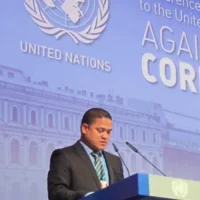

Judicial corruption in institutions poses a serious obstacle to justice, equality, and the rule of law worldwide. When judicial systems lack integrity, it undermines public trust, weakens democratic governance, and fuels wider societal corruption. This article explores the nature and impact of corruption within judicial institutions, the challenges faced in addressing it, and global efforts aimed at promoting transparent and accountable justice systems.
- Understanding Judicial Corruption in Institutions
- The Scope and Impact of Judicial Corruption
- Factors Contributing to Judicial Corruption
- Global and Regional Trends in Judicial Corruption
- Strategies to Combat Judicial Corruption
- The Role of Judicial Independence and Integrity
- Challenges in Implementing Reforms
- Promising Developments and Innovations
Understanding Judicial Corruption in Institutions
Judicial corruption occurs when judges, court officials, or related actors use their positions for improper personal gain. This can include bribery, favoritism, nepotism, manipulation of case outcomes, embezzlement of court funds, or undue influence from political or private interests. Since judicial institutions are essential guardians of law and rights, any corruption here strikes at the core of societal fairness and accountability.
Unlike other sectors, judicial corruption uniquely compromises impartiality and the fundamental right to a fair trial. This can manifest in delayed justice, biased rulings, the denial of legal remedies, or the perpetuation of illegitimate power structures. It damages both individual lives and the integrity of institutional frameworks meant to uphold law and order.
The Scope and Impact of Judicial Corruption
Judicial systems globally are vulnerable to corruption due to their discretionary powers, complex procedures, and sometimes low transparency. In some regions, corruption within courts ranks as a leading concern among citizens. For instance, Transparency International surveys in South Asia reveal that after law enforcement, the judiciary is frequently seen as one of the most corrupt public institutions.
The consequences of judicial corruption extend beyond the legal sphere:
- Erosion of Rule of Law: Corruption erodes confidence in the legal system, diminishing its capacity to enforce laws fairly and consistently.
- Economic Harm: Unjust rulings affect business environments, deter investment, and funnel resources away from equitable development.
- Social Inequality: Marginalized and poor populations are disproportionately harmed when justice is denied or bought, exacerbating inequality.
- Weak Governance: When courts fail to hold powerful actors accountable, corruption spreads unchecked into other sectors.
According to the World Bank and the World Economic Forum, judicial integrity is a vital component of strong governance, directly linked to economic growth and social stability. When judicial corruption prevails, countries face challenges in achieving sustainable development and protecting human rights.
Factors Contributing to Judicial Corruption
Multiple systemic and contextual factors create fertile ground for corruption in judicial institutions:
- Lack of Transparency: Closed-door decisions without clear accountability allow corrupt practices to flourish.
- Insufficient Oversight: Weak judicial disciplinary bodies or ineffective complaint mechanisms limit detection and sanctioning of misconduct.
- Political Interference: Unlawful influence from governments or vested interests can sway judicial outcomes.
- Poor Remuneration and Resources: Inadequate salaries and understaffing sometimes drive officials to solicit bribes.
- Cultural Norms: In some environments, bribery and favoritism are normalized or tacitly accepted.
- Complex Bureaucracy: Complicated legal processes create opportunities for rent-seeking behavior under the guise of procedural delays or technicalities.
Global and Regional Trends in Judicial Corruption
Analysis by organizations like Transparency International points to significant variations in the prevalence and perception of judicial corruption across regions. In South Asia, for example, surveys found extremely high instances of bribery demanded in interactions with courts, often second only to police corruption. In Pakistan, India, Sri Lanka, Bangladesh, and Nepal, judicial corruption remains a persistent barrier to equitable justice.
In other parts of the world, similar patterns exist, although manifestations and scale may differ. The OECD and UNODC report that while some countries have successfully improved judicial integrity through reforms and technology, others still face serious challenges.
Strategies to Combat Judicial Corruption
Addressing corruption in judiciary institutions requires a multi-faceted, holistic approach:
- Strengthening Legal Frameworks: Laws must clearly criminalize corrupt judicial conduct and provide effective penalties.
- Enhancing Transparency: Opening up court procedures, publishing decisions, and making judicial appointments and evaluation criteria public reduce opacity.
- Empowering Oversight Bodies: Independent judicial councils or commissions should monitor conduct, investigate complaints, and enforce discipline.
- Protecting Whistle-blowers: Robust protections encourage reporting of unethical behavior without fear of reprisal.
- Improving Judicial Training: Educating judges and officials on ethics, anti-corruption standards, and procedural safeguards builds resilience.
- Increasing Salaries and Resources: Fair compensation and well-funded courts reduce the temptation and opportunity for bribery.
- Utilizing Technology: Digital case management, remote hearings, and e-filing minimize face-to-face corrupt exchanges.
- Promoting Civic Engagement: Public awareness campaigns and civil society oversight help hold judicial institutions accountable.
Several international initiatives support these efforts. The United Nations Office on Drugs and Crime (UNODC) provides technical assistance and frameworks through instruments like the United Nations Convention against Corruption (UNCAC). The World Bank and regional development organizations fund judicial reforms that integrate anti-corruption measures.
The Role of Judicial Independence and Integrity
Judicial corruption undermines the essential principle of judicial independence the impartial application of law free from external pressure. True independence, however, must be paired with accountability. Judicial integrity means maintaining ethical standards and transparency to earn public confidence.
For example, disciplinary bodies for judges must balance protecting judicial freedom with investigating potential misconduct. Effective oversight without political interference is key to this balance, preserving both fair adjudication and public trust.
Challenges in Implementing Reforms
Despite known strategies, implementing anti-corruption reforms in judicial institutions is fraught with challenges:
- Resistance from Within: Entrenched interests and cultural acceptance of corruption slow reform momentum.
- Political Dynamics: Governments may manipulate or undermine judicial reforms to protect allies.
- Resource Constraints: Many countries struggle to allocate adequate funding for effective oversight and training.
- Complex Legal Traditions: Diverse legal systems and historical legacies require tailored approaches.
- Limited Data: Underreporting and lack of transparency obscure the full extent of judicial corruption.
Addressing these requires sustained international support, civil society pressure, and clear political will.
Promising Developments and Innovations
Several countries and regions are pioneering promising innovations to tackle judicial corruption:
- Implementation of E-Justice Systems: Digitalizing case processes reduces opportunities for bribery and enhances transparency.
- Public Judicial Performance Reporting: Some jurisdictions are publishing judges’ performance metrics to increase accountability.
- Culturally Adapted Whistle-blowing Platforms: Incorporating local norms and languages helps protect whistle-blowers more effectively.
- International Peer Reviews: Exchanges between judicial authorities promote best practices and review reforms rigorously.
For example, artificial intelligence tools are increasingly leveraged to detect patterns indicative of corrupt behavior or case fixing, introducing new potential for ethical oversight.
Judicial corruption in institutions poses a profound risk to rule of law, justice, and democratic governance worldwide. It perpetuates inequality, fosters broader corruption, and damages public confidence in government systems. Tackling these challenges demands multi-dimensional reforms that combine legal safeguards, transparency, oversight, education, technology, and public engagement.
Global frameworks like UNCAC and technical support from the UNODC, alongside regional and national commitments, offer pathways toward more accountable and effective judiciaries. Ultimately, reinforcing judicial integrity protects not only legal institutions but also the fundamental rights and dignity of individuals within society.
Dear reader,
Opinions expressed in the op-ed section are solely those of the individual author and do not represent the official stance of our newspaper. We believe in providing a platform for a wide range of voices and perspectives, even those that may challenge or differ from our own. We remain committed to providing our readers with high-quality, fair, and balanced journalism. Thank you for your continued support.