Washington, United States (Brussels Morning Newspaper) January 9, 2026 —More than a decade after Syria’s conflict began, the conviction that Washington must lead Syria toward peace is gaining renewed urgency among diplomats, analysts, and humanitarian organizations. While violence has receded in parts of the country, Syria remains fractured politically, economically strained, and deeply scarred by years of war. Observers argue that without decisive and sustained leadership from the United States, fragile calm risks hardening into prolonged instability rather than evolving into a durable peace.
The coming months of 2026 are widely seen as a pivotal period. Diplomatic windows have opened, regional actors show signs of fatigue with conflict, and Syrians themselves are increasingly focused on survival and rebuilding rather than confrontation.
Why Syria’s Conflict Still Demands Leadership
Despite reduced fighting, Syria’s crisis is far from resolved. Millions remain displaced, infrastructure lies in ruins, and political divisions continue to block comprehensive settlement. Fragmented diplomacy has produced temporary arrangements but no lasting framework.
Policy experts stress that Washington must lead Syria toward peace because no other actor possesses comparable diplomatic reach, alliance networks, and economic leverage. Without coordination from Washington, peace initiatives risk remaining piecemeal and ineffective.
Washington’s Unique Role in Global Diplomacy
The United States occupies a distinctive position in international diplomacy. Its relationships with European allies, regional governments, and global institutions enable it to convene talks and shape agendas in ways others cannot.
Analysts emphasize that leadership does not imply unilateral action. Rather, when Washington must lead Syria toward peace, it means guiding multilateral engagement, aligning interests, and ensuring that negotiations remain focused on sustainable outcomes rather than short term gains.
Lessons From Years of Inconsistent Engagement
Past efforts in Syria reveal the costs of inconsistent involvement. Shifting priorities and fluctuating commitment undermined trust among negotiating parties and weakened enforcement of agreements.
Critics argue these lessons demonstrate why Washington must lead Syria toward peace through long term engagement. Diplomatic credibility, they note, is built not on announcements but on persistence.
The Humanitarian Imperative at the Center
Humanitarian conditions remain severe. Food insecurity, limited healthcare access, and economic hardship affect millions across Syria. Aid organizations warn that without political progress, humanitarian needs will persist indefinitely.
Advocates stress that Washington must lead Syria toward peace with civilians at the forefront. Diplomatic success, they argue, should be measured not only by agreements signed but by tangible improvements in daily life.
Regional Stability and the Broader Middle East
Syria’s instability continues to reverberate across the Middle East. Refugee pressures, cross border security concerns, and economic strain affect neighboring countries and beyond.
Regional analysts say Washington must lead Syria toward peace to help balance competing regional interests and prevent Syria from remaining a fault line for wider instability.
The Role of International Institutions
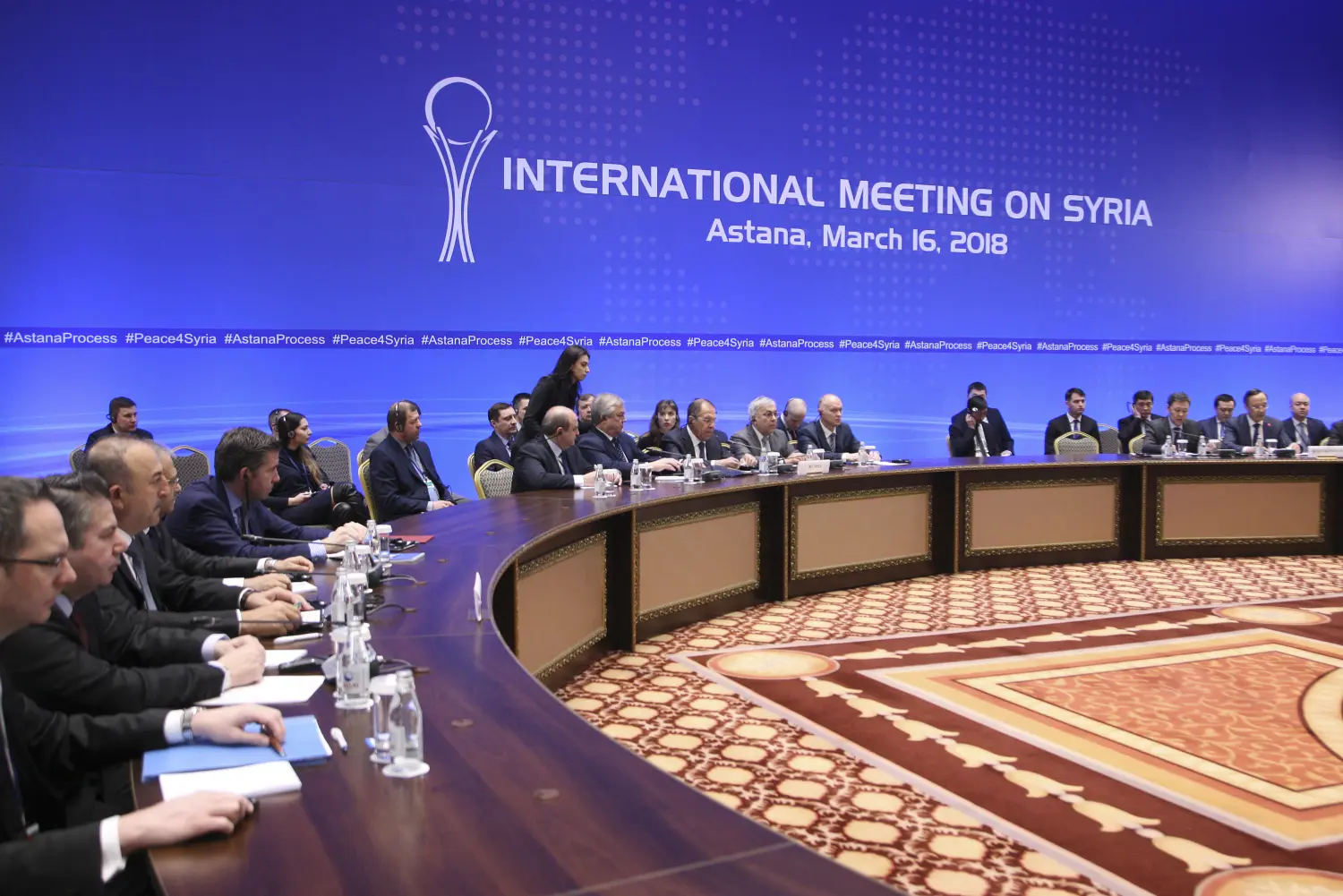
International organizations have facilitated talks, monitored ceasefires, and delivered aid, yet their effectiveness depends heavily on backing from major powers.
Diplomatic sources argue that Washington must lead Syria toward peace by reinforcing international frameworks, mobilizing resources, and ensuring sustained political support for negotiations.
Voices From Policy Circles
Within policy circles, Syria is increasingly framed as a test of diplomatic resolve. Many warn that disengagement could allow entrenched divisions to become permanent.
One senior policy analyst said,
“Peace in Syria will not happen on its own. It requires coordination, patience, and leadership that does not fade when headlines move on.”
The observation reflects why many insist Washington must lead Syria toward peace with consistency rather than urgency alone.
Economic Recovery as a Peace Catalyst
Reconstruction is inseparable from peace. Roads, hospitals, schools, and power systems require investment that cannot materialize without political stability.
Economists note that Washington must lead Syria toward peace by shaping reconstruction frameworks that encourage reform, transparency, and equitable recovery rather than entrenching divisions.
Balancing Principles With Practical Realities
US policymakers face complex choices. Accountability, sanctions, and human rights concerns remain central, yet rigid positions risk stalling dialogue.
Supporters of engagement argue Washington must lead Syria toward peace by blending principle with pragmatism, ensuring that negotiations neither ignore past abuses nor become immobilized by them.
Syrian Civil Society and Local Perspectives
Syrian voices emphasize that peace cannot be imposed from outside. Civil society groups stress inclusion, local governance, and community reconciliation.
Advocates say Washington must lead Syria toward peace in ways that amplify Syrian participation rather than substitute external solutions for local agency.
The Risks of Continued Fragmentation
Without coherent leadership, Syria risks settling into permanent fragmentation. Divided authority, economic stagnation, and unresolved grievances could ignite future instability.
Security analysts warn that delay increases costs, reinforcing why Washington must lead Syria toward peace before fragile calm hardens into chronic crisis.
Diplomatic Opportunities in 2026
Shifts in regional dynamics and growing fatigue with conflict have created new diplomatic openings. Quiet communication channels have expanded, and incentives for escalation have diminished.
Supporters argue these conditions strengthen the case that Washington must lead Syria toward peace by consolidating gains and preventing relapse.

What Leadership Looks Like in Practice
Effective leadership involves coordination rather than domination. Convening stakeholders, sustaining dialogue, and maintaining focus define successful diplomacy.
Experts say if Washington must lead Syria toward peace, it should prioritize continuity, humanitarian access, and inclusive political engagement over symbolic gestures.
Domestic Challenges and Global Priorities
Domestic politics and competing international crises complicate sustained focus on Syria. Public attention is limited, and resources are stretched.
Yet analysts caution that neglect carries long term consequences, reinforcing why Washington must lead Syria toward peace despite competing demands.
A Defining Moment for the Years Ahead
As 2026 unfolds, Syria’s future remains uncertain but not predetermined. Reduced violence offers space for diplomacy, but momentum must be maintained.
Many conclude that Washington must lead Syria toward peace to align diplomacy, aid, and reconstruction into a coherent long term strategy.
When Leadership Determines Whether Calm Becomes Peace
Syria’s conflict has demonstrated that peace does not emerge spontaneously. It requires sustained leadership, careful coordination, and willingness to invest political capital.
The call that Washington must lead Syria toward peace reflects recognition that without such leadership, fragile calm may endure but true peace will remain out of reach.