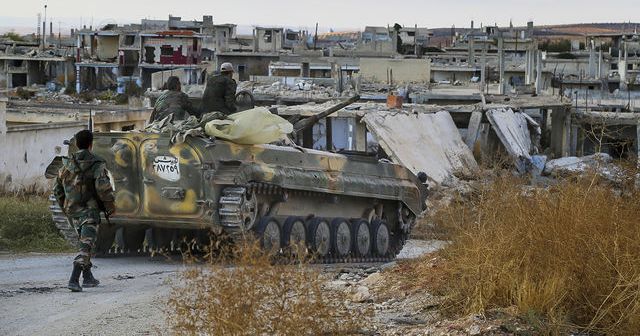
Damascus, Syria — January 2026. Brussels Morning Newspaper notes that Syrian authorities have accelerated security deployments across northern and central districts following the withdrawal of Kurdish-led forces, marking a decisive phase in the Syria security crackdown as the government seeks to eliminate power vacuums and prevent militant resurgence.
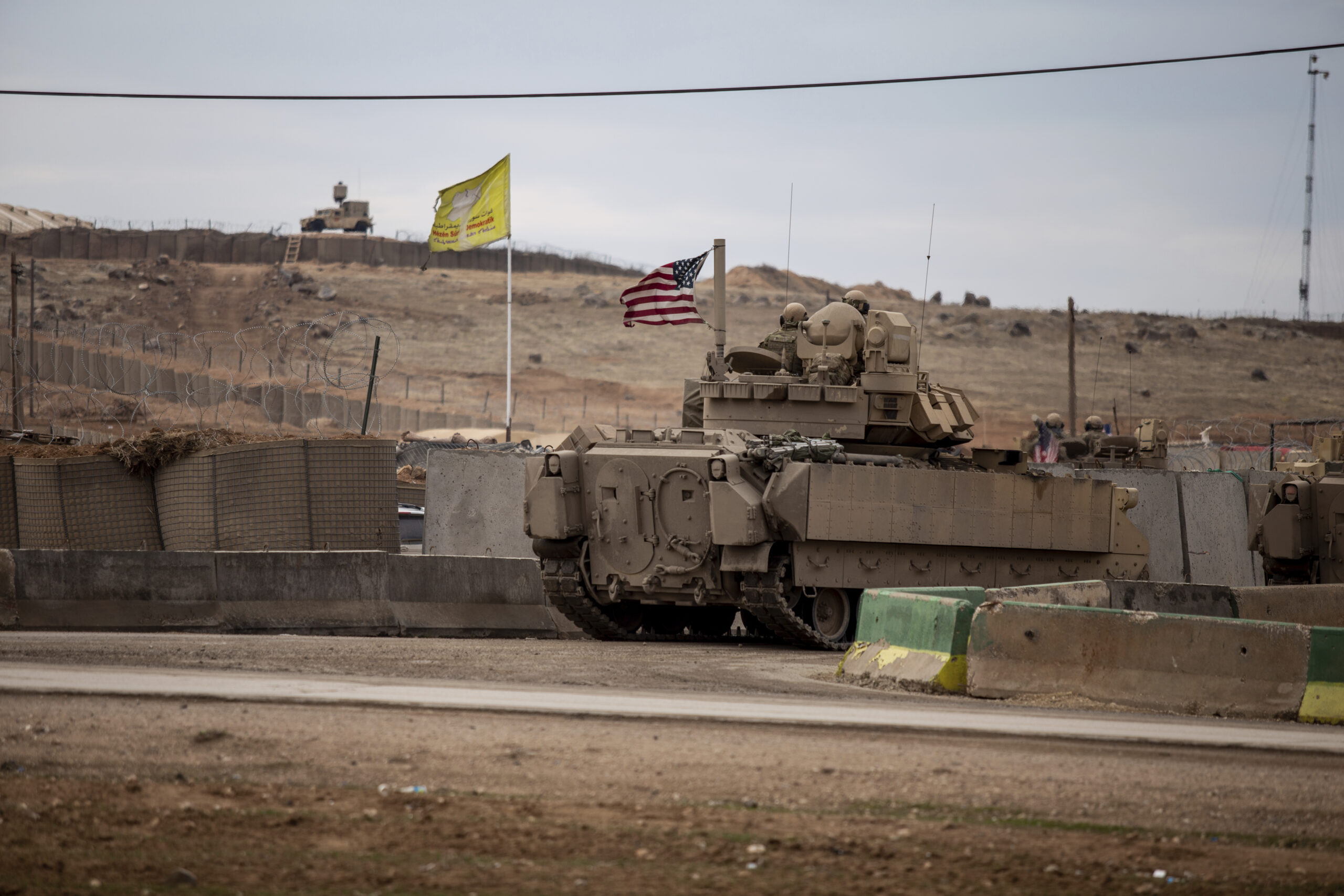
Armored vehicles now guard strategic junctions, checkpoints regulate civilian movement, and intelligence patrols operate around former autonomous zones. Officials describe the measures as stabilizing steps, while residents observe a transformed security landscape unfolding within days rather than weeks.
Strategic Context Behind the Escalation
The recent Kurdish pullback reshaped local governance structures that had existed for years. With the departure of Kurdish internal security units, Damascus moved to fill the gap quickly, citing concerns that armed networks could exploit uncertainty.
Analysts say the Syria security crackdown reflects lessons learned from earlier phases of the conflict, when delayed responses allowed extremist groups to regroup. Speed, coordination, and visibility now define the government’s approach.
Transition of Authority in Northern Regions
Government administrators have replaced Kurdish-run councils in several towns, assuming control of municipal services, taxation, and civil registries. Syrian flags have returned to public buildings, and national identification protocols are being reinstated.
Residents report that while essential services continue, the Syria security crackdown has introduced stricter oversight of public gatherings, travel permits, and communications infrastructure.
Detention Facility Incident Raises Alarm
Security officials confirmed that an assault was reported near a detention site holding suspected members of Islamic State. The attack was repelled, but its timing during the Syria security crackdown heightened concerns over coordinated attempts to destabilize the transition.
Detention centers housing IS suspects remain among the most sensitive targets in the country, given past attempts to free experienced militants.
Why Detention Sites Remain High-Risk
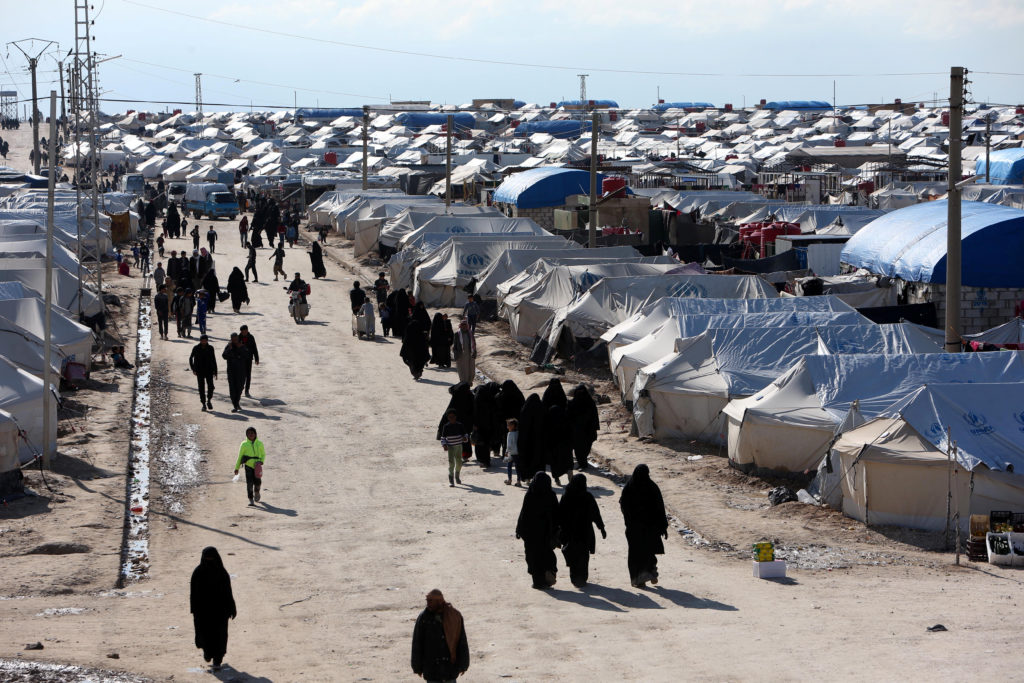
Thousands of detainees remain in custody across Syria, many held since the territorial defeat of IS. These facilities require continuous guarding, layered intelligence, and rapid response capabilities.
As part of the Syria security crackdown, authorities reinforced detention compounds with surveillance drones, additional perimeter forces, and emergency lockdown protocols. Security planners say these measures aim to prevent a repeat of past prison-break attempts.
Daily Life Under Heightened Security
For civilians, daily routines now include document checks and restricted nighttime movement. Markets operate under closer supervision, and inter-district travel requires additional approvals.
Some residents welcome the order brought by the Syria security crackdown, saying it has reduced theft and armed intimidation. Others worry that prolonged restrictions could strain livelihoods and social cohesion.
Civil Movement and Public Spaces Face New Controls
Across several urban centers, public movement has slowed as authorities expand verification procedures at transit hubs and neighborhood access points. Residents report longer commute times and increased document checks, particularly in districts that recently transitioned from Kurdish oversight.
Public spaces such as parks, markets, and transport terminals remain open, but security presence is more visible than in recent years. Analysts say this level of enforcement reflects a strategy aimed at deterrence rather than reaction, designed to prevent unrest before it materializes.
Educators and medical workers have been issued special passes to ensure continuity of essential services, while municipal offices operate under revised schedules to accommodate inspections.
Kurdish Communities Express Caution
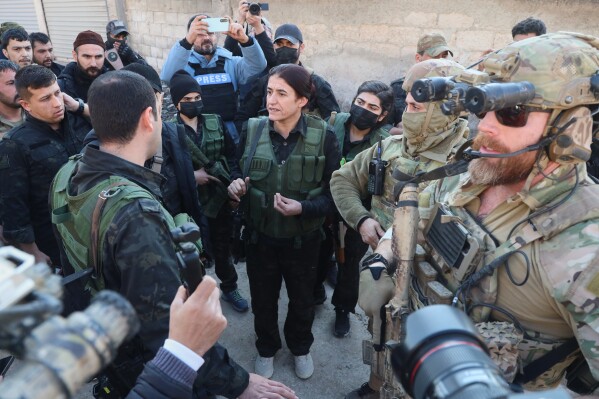
Kurdish leaders have urged Damascus to ensure that security operations respect local populations and avoid reprisals. Community elders emphasize dialogue over force, warning that mistrust could undermine stability.
Observers say the Syria security crackdown will be judged not only by arrests made but by whether it avoids fueling grievances in areas long accustomed to self-administration.
Intelligence Coordination Expands
Security services have increased coordination between military intelligence, police, and local informant networks. Surveillance efforts now focus on sleeper cells, weapons caches, and cross-border smuggling routes.
Officials claim the Syria security crackdown is intelligence-driven, prioritizing targeted operations rather than mass detentions, though independent verification remains limited.
Economic Impact of Security Measures
Traders report longer transport times due to checkpoints, while agricultural producers face delays moving goods to urban markets. Economists warn that extended controls could deepen economic stress if not eased gradually.
Authorities insist the Syria security crackdown is temporary and will be adjusted as threats diminish, but timelines remain unclear.
Trade Routes and Supply Chains Adjust to New Reality
Merchants operating between northern towns and Damascus say supply routes have been rerouted to comply with new checkpoint protocols. Agricultural shipments, particularly grain and vegetables, face delays that traders warn could affect pricing if prolonged.
Fuel distribution has remained stable so far, though transport unions caution that increased inspections raise operating costs. Small businesses express concern that uncertainty, rather than direct restriction, may discourage commercial activity in the short term.
Economic observers note that maintaining predictable trade flow will be essential to prevent civilian frustration from escalating into broader discontent.
Regional and International Attention
Neighboring states and Western governments are monitoring developments closely, concerned about spillover effects. Stability in northern Syria is critical to preventing renewed extremist activity across borders.
Security analysts say the Syria security crackdown could strengthen centralized control if paired with governance reforms, but risks international criticism if human rights concerns escalate.
Legal and Human Rights Scrutiny
Rights organizations have called for transparency and legal safeguards, urging Damascus to balance security with civilian protections. Past crackdowns in Syria have drawn condemnation, making current actions particularly sensitive.
Officials respond that the Syria security crackdown operates within national law and targets armed threats, not political expression.
Military Presence and Urban Security
Urban centers have seen increased patrols, surveillance cameras, and rapid response units. Military commanders say visibility deters attacks and reassures residents.
The Syria security crackdown has also expanded training programs for local auxiliary forces to improve coordination and response times.
Humanitarian Access Challenges
Aid groups report new layers of authorization required to access certain districts. Negotiations with authorities continue to ensure assistance reaches vulnerable populations.
Observers warn that if humanitarian access becomes too restricted under the Syria security crackdown, civilian hardship could intensify.
Political Calculations Behind the Move
Analysts believe the security push strengthens Damascus’s negotiating position in any future political talks. Control on the ground remains a key leverage point in Syria’s fragmented landscape.
Whether the Syria security crackdown translates into long-term political stability remains uncertain.
How This Phase Compares to Previous Security Campaigns
Unlike earlier nationwide crackdowns earlier in the conflict, the current measures are geographically concentrated and operationally selective. Security deployments focus on transit corridors, detention facilities, and former administrative centers rather than residential sweeps.
This shift suggests an attempt to balance control with continuity, avoiding widespread disruption while asserting authority. Regional experts say the approach reflects lessons learned from past campaigns that proved costly both economically and politically.
The coming months will test whether selective enforcement can maintain order without triggering renewed instability.
What Comes Next
Officials say security deployments will be reviewed periodically. Dialogue with Kurdish representatives is expected to continue, though progress has been slow.
A senior regional analyst summarized the moment by saying:
“Security can close gaps quickly, but lasting stability requires trust, inclusion, and time.”
The coming months will reveal whether the Syria security crackdown becomes a foundation for calm or a new source of tension in a country still healing from years of conflict.