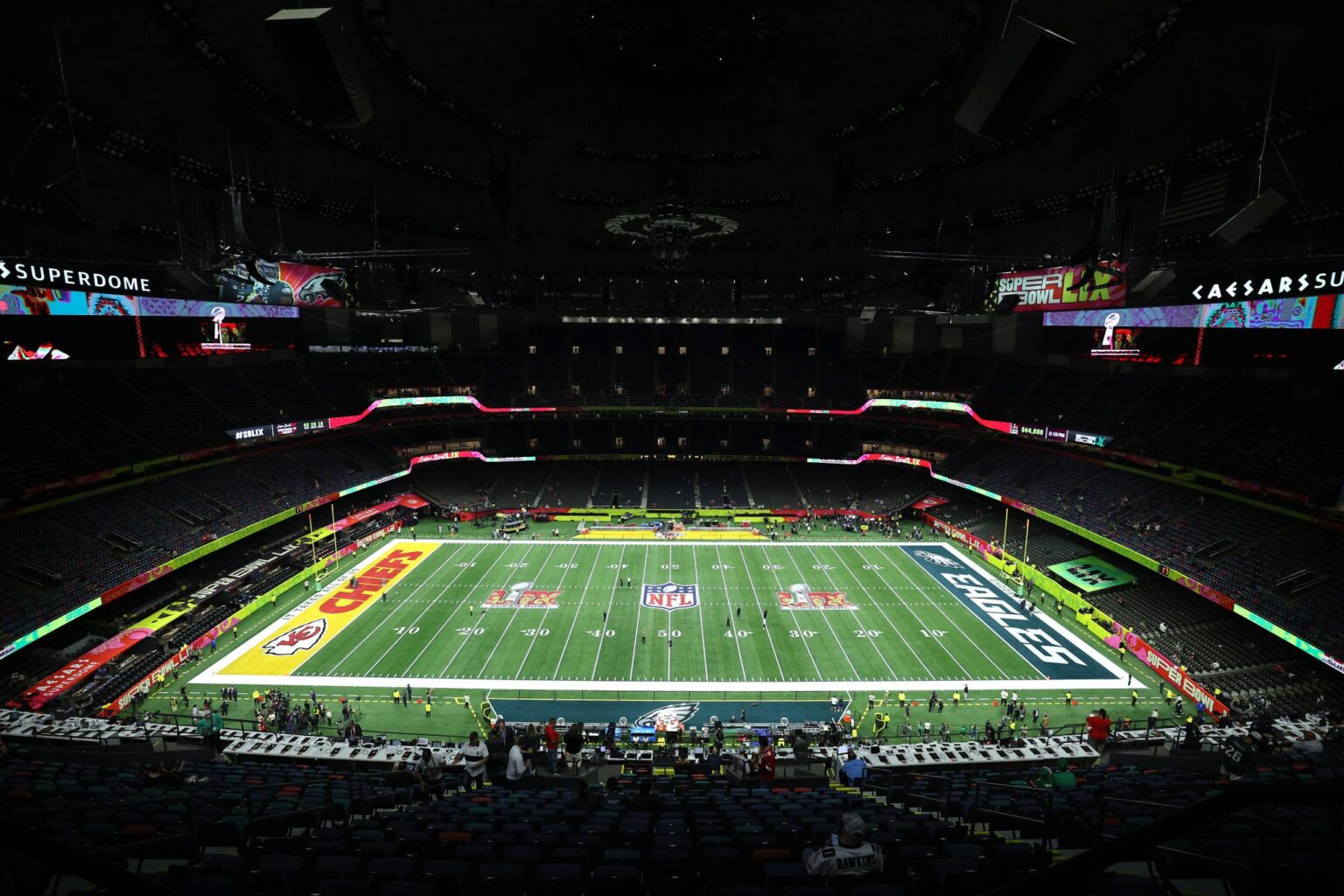
New Orleans, United States, February 4, 2026 — As preparations intensify for Super Bowl 2026, digital security has emerged as a central concern alongside crowd safety and logistics. According to Brussels Morning Newspaper, officials overseeing the event are addressing an AI cybersecurity threat that experts say reflects the evolving risks facing globally connected sporting spectacles.
The Super Bowl, scheduled to take place in New Orleans, represents one of the most technologically complex live events in the world. With millions of attendees, broadcasters, sponsors, and remote viewers relying on interconnected digital platforms, cybersecurity planning has become a defining feature of modern event management.
Digital Dependence Reshapes Super Bowl Operations
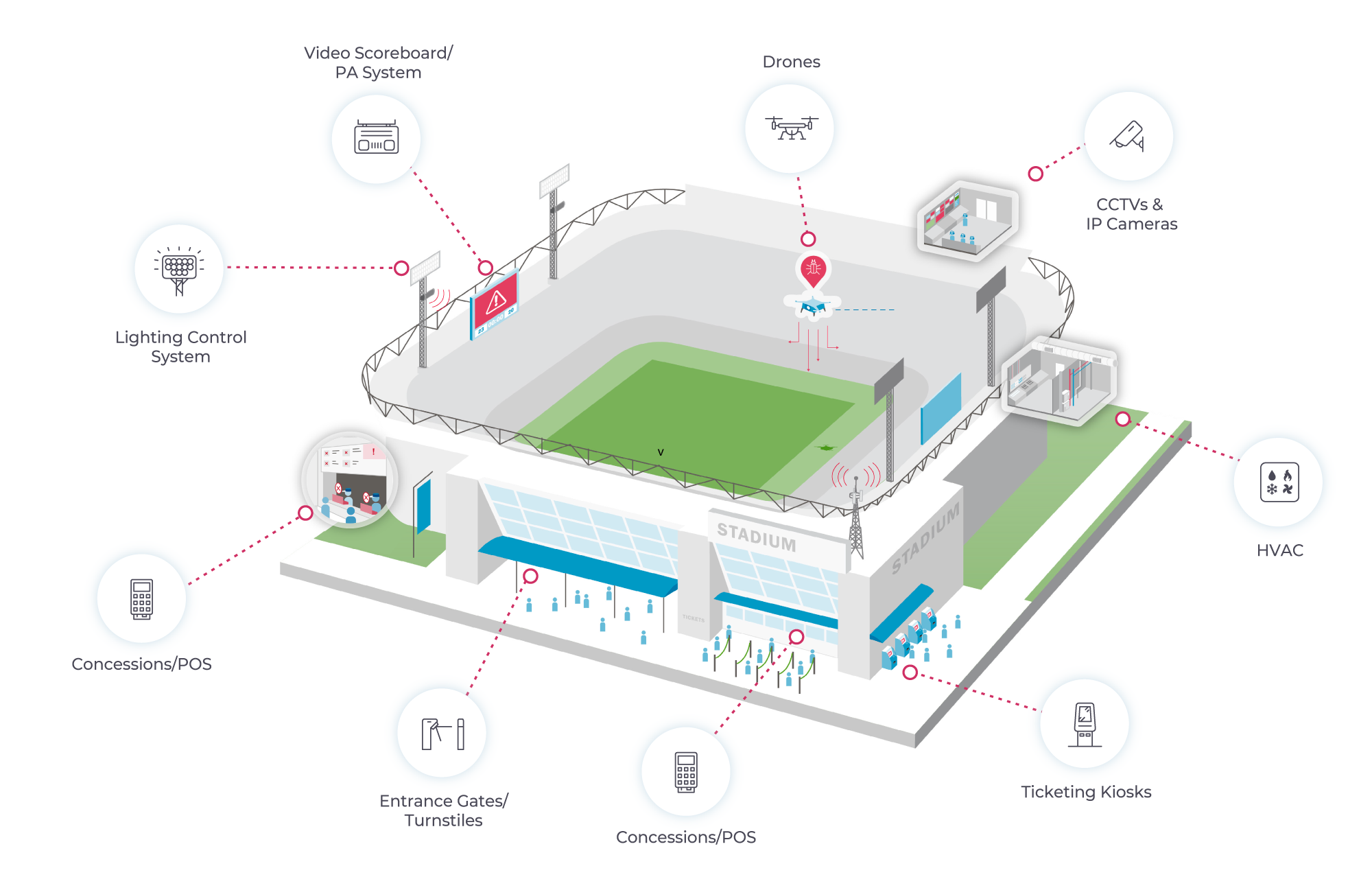
The Super Bowl is no longer limited to the physical boundaries of a stadium. Ticketing, merchandise, payments, media distribution, and fan engagement are powered by vast digital ecosystems. Mobile applications authenticate entry, cashless systems handle transactions, and data analytics drive real time decision making.
This growing dependence on digital infrastructure has expanded the potential exposure to an AI cybersecurity threat, particularly as artificial intelligence tools become more accessible to malicious actors.
Why Artificial Intelligence Elevates Cyber Risk
Artificial intelligence has changed the mechanics of cyber activity. Unlike traditional attacks, AI driven systems can operate continuously, testing defenses and adapting instantly to countermeasures.
Security professionals note that an AI cybersecurity threat can autonomously scan networks, imitate legitimate user behavior, and exploit subtle vulnerabilities that would otherwise remain undetected.
Super Bowl Visibility Makes It a Strategic Target
The global attention surrounding the Super Bowl creates a unique risk environment. Any digital disruption, even one lasting minutes, could generate international headlines and financial consequences.
Cybersecurity analysts explain that the symbolic value of the event makes it attractive to threat actors seeking attention or leverage. The potential impact of an AI cybersecurity threat is magnified by the event’s scale and visibility.
Federal and Private Sector Coordination Intensifies
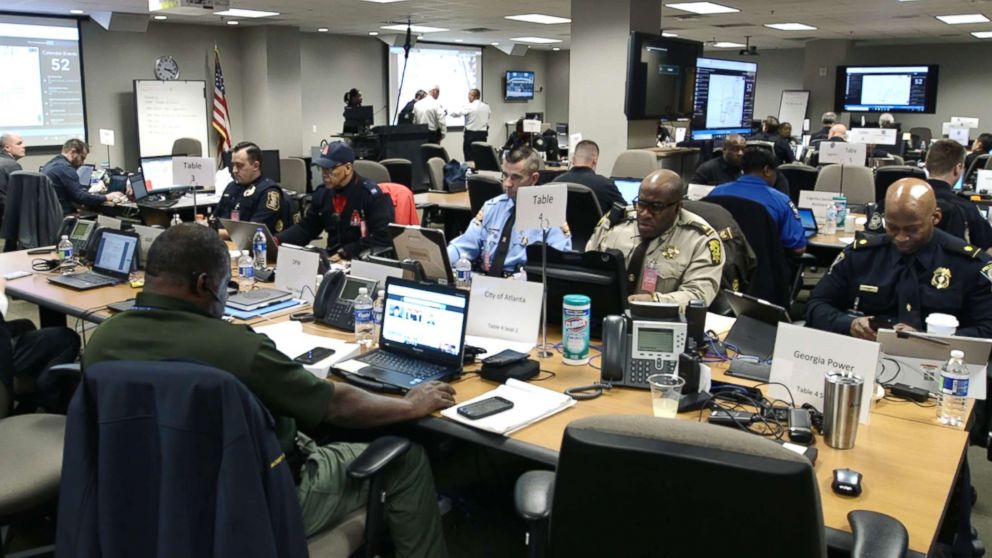
In response, Super Bowl organizers have expanded collaboration with federal agencies, technology providers, and private cybersecurity firms. Joint monitoring centers have been established to oversee network traffic, system health, and external threat intelligence.
These partnerships are designed to ensure rapid detection and containment should indicators of an AI cybersecurity threat emerge during pre event preparations or on game day.
Protecting Fan Information and Payment Systems
For fans, the Super Bowl experience is increasingly digital. Entry passes, concessions, transportation services, and merchandise purchases rely on secure online platforms.
Officials emphasize that safeguarding personal and financial data is a priority, particularly as cybercriminals use AI to target high volume consumer systems. Preventing an AI cybersecurity threat from compromising fan trust is viewed as essential to the event’s success.
Broadcast Infrastructure Under Heightened Scrutiny
The Super Bowl broadcast network spans multiple continents and platforms, including satellite transmission, fiber networks, and streaming services. Any interference could disrupt coverage for hundreds of millions of viewers.
Media security teams have implemented layered protections to isolate critical systems and prevent unauthorized access linked to an AI cybersecurity threat.

Artificial Intelligence as a Defensive Asset
While artificial intelligence introduces new challenges, it also strengthens defenses. Security teams are deploying AI powered analytics to monitor network behavior and detect anomalies in real time.
These systems can identify subtle indicators of compromise associated with an AI cybersecurity threat, enabling faster responses than manual monitoring alone.
History of Cybersecurity at Major Sporting Events
Cybersecurity has gradually become a core concern for major sporting events over the past two decades. Early incidents focused on website defacement and ticketing disruptions, often carried out by small groups or individuals.
As technology advanced, attacks became more sophisticated, targeting broadcast feeds, data centers, and financial systems. The emergence of AI marked a turning point, introducing automated capabilities that significantly increased the scale and speed of cyber operations. This historical evolution explains why today’s planners treat an AI cybersecurity threat as a strategic risk rather than a technical inconvenience.
Lessons Applied to Super Bowl 2026 Planning
Organizers have drawn heavily from past experiences at international tournaments and previous Super Bowls. Scenario testing, redundancy planning, and real time response drills are now standard components of preparation.
One cybersecurity official involved in planning said,
“The objective is resilience, not just prevention, because digital systems must continue functioning even under sustained pressure.”
Economic Stakes for New Orleans
Hosting the Super Bowl delivers significant economic benefits to New Orleans, from tourism revenue to global exposure. A cyber incident could undermine confidence in the city’s ability to host future large scale events.
Local authorities are coordinating closely with national partners to ensure that an AI cybersecurity threat does not overshadow the economic and cultural significance of the event.
Regulatory and Compliance Considerations
Super Bowl security planning must also align with data protection laws and industry standards. Compliance frameworks guide how data is collected, stored, and protected throughout the event lifecycle.
Meeting these requirements helps reduce legal and reputational risks associated with an AI cybersecurity threat affecting regulated systems.
The Role of Staff Training and Awareness
Technology alone cannot address every risk. Event staff, vendors, and partners receive training to recognize suspicious activity and follow secure protocols.
Human awareness remains a critical line of defense against an AI cybersecurity threat, particularly in environments where access privileges vary widely.
Global Implications for Sports and Entertainment
The cybersecurity measures implemented for Super Bowl 2026 are expected to influence how future sporting and entertainment events are managed worldwide.
Industry observers believe the lessons learned in New Orleans will shape best practices for defending against an AI cybersecurity threat in other high profile gatherings.
Preparing for an Unpredictable Digital Landscape
Cyber risk evolves constantly, and planners acknowledge that no system is entirely immune. The goal is to reduce vulnerabilities, respond rapidly, and maintain continuity under pressure.
This mindset reflects a broader shift in event security philosophy, recognizing that managing an AI cybersecurity threat requires adaptability as much as technology.
Confidence Built Through Preparation
As kickoff approaches, officials express confidence in the layered defenses now in place. Continuous testing and coordination aim to ensure a seamless experience for fans and broadcasters alike.
A senior security advisor noted,
“Preparation is what turns uncertainty into manageable risk.”
When Technology and Tradition Intersect
The Super Bowl remains a celebration of sport, culture, and community. Behind the spectacle, however, lies an intricate digital framework that must perform flawlessly.
Ensuring that systems remain secure against an AI cybersecurity threat allows the focus to remain on the game itself rather than unseen disruptions.
A Quiet Victory Beyond the Scoreboard
If Super Bowl 2026 concludes without digital disruption, that success may go largely unnoticed by the public. Yet for those tasked with security, it will represent months of planning and vigilance paying off.
In that silence, free from interruption, the effort to counter an AI cybersecurity threat will have achieved its purpose.