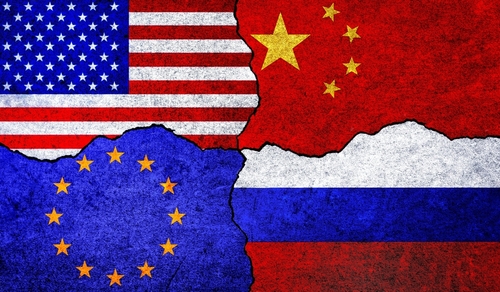
The war in Ukraine continues to evolve into a conflict defined not only by territorial battles but by technology, diplomacy, and global political pressure. Recent claims by Russia that it intercepted seven long range weapons have reignited debate about escalation risks and the effectiveness of advanced military systems. At the heart of this moment are Storm Shadow missiles, weapons that represent both tactical capability and strategic consequence.
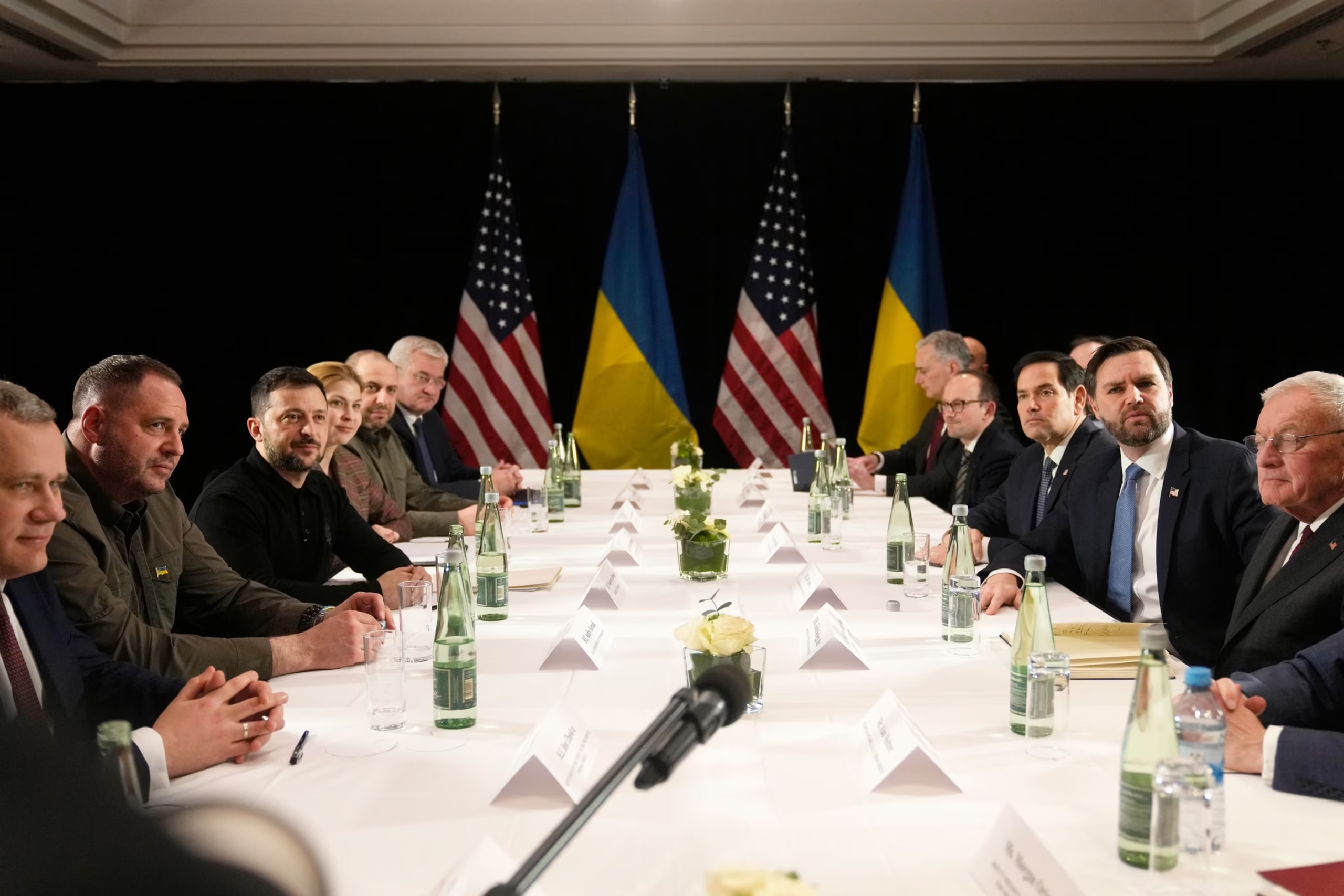
Russia’s announcement came at a sensitive time, as Ukrainian President Volodymyr Zelenskyy prepares for high level political discussions with former United States President Donald Trump. The combination of battlefield developments and political engagement has placed renewed international attention on the future direction of the conflict.
What Makes These Missiles Strategically Important
Storm Shadow missiles are air launched cruise weapons designed to strike fortified targets from significant distances. Their guidance systems allow them to fly at low altitudes, avoiding radar detection while maintaining accuracy. These characteristics make them particularly effective against command centers, ammunition depots, and logistical hubs located far from front line fighting.
For Ukraine, access to such weapons provides a way to offset Russia’s advantages in manpower and industrial capacity. Rather than relying solely on ground advances, Ukrainian forces can target infrastructure that sustains military operations. This shift has forced Russia to strengthen air defenses around key locations.
Russia’s Interception Claims and Messaging
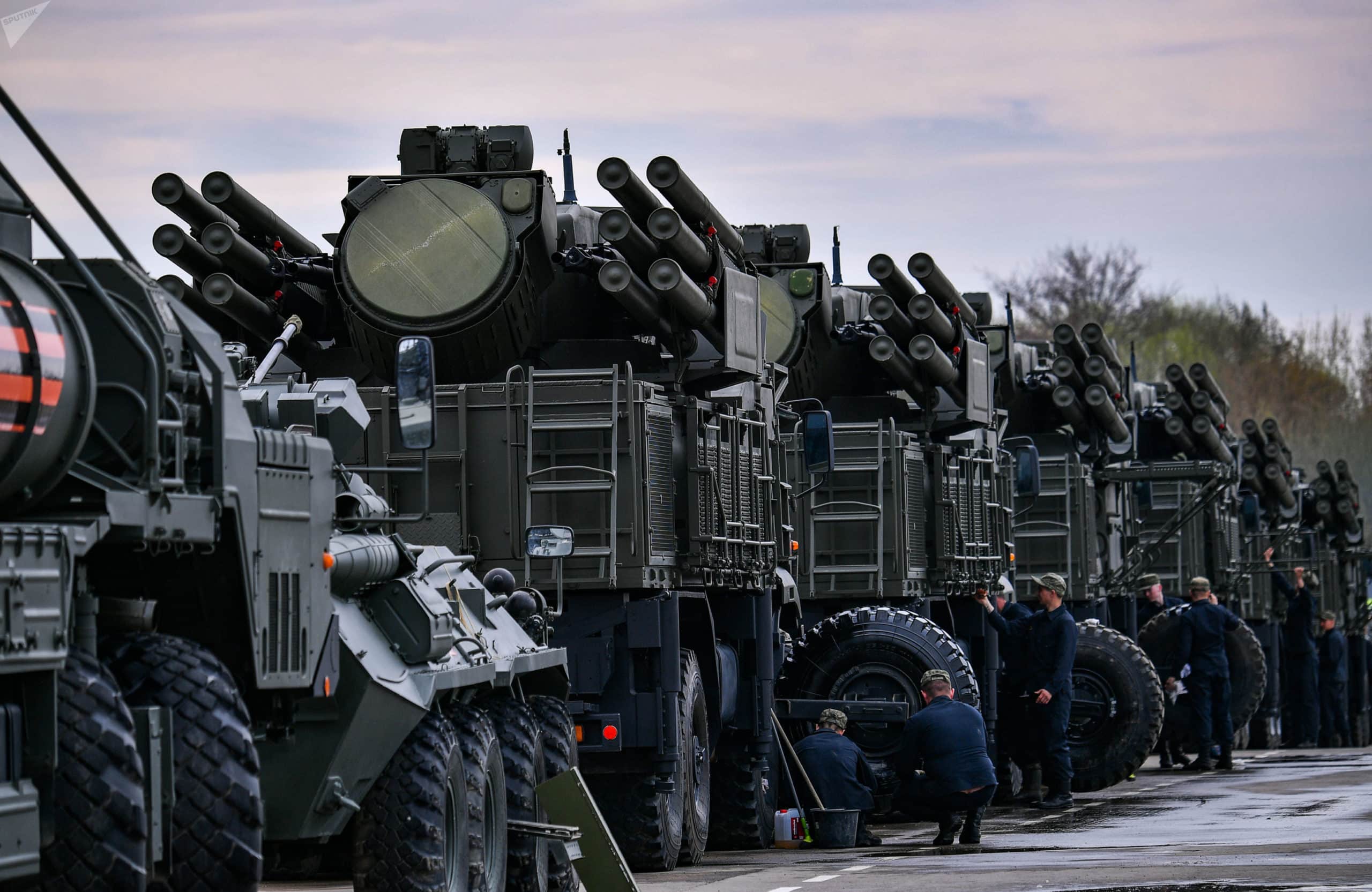
Russian officials stated that layered air defense systems successfully detected and destroyed incoming threats before they reached their intended targets. The claim that Storm Shadow missiles were intercepted serves as a message to both domestic and international audiences. Internally, it reinforces confidence in military preparedness. Externally, it signals that Russia believes it can counter Western supplied technology.
Independent verification remains difficult due to restricted access and competing narratives. However, in modern warfare, the announcement itself is often as important as the physical outcome. Public statements shape perception, influence policy debates, and affect morale on all sides.
Ukraine’s Rationale for Long Range Strikes
Ukrainian officials argue that long range strikes are a defensive necessity. Russia’s deep logistical networks and industrial base allow it to sustain prolonged operations. Advanced weapons give Ukraine a means to disrupt those networks without engaging in costly frontal assaults.
Supporters of Kyiv maintain that Storm Shadow missiles enable precision targeting that minimizes civilian harm while degrading military capability. Critics warn that such strikes risk escalation, particularly if they are perceived as expanding the scope of the conflict.
Military Pressure Meets Political Reality
As military operations continue, political calculations are becoming increasingly central. Ukrainian President Volodymyr Zelenskyy is scheduled to meet former U.S. President Donald Trump in talks that could influence future American policy toward Ukraine.
The backdrop of missile activity, including reports involving Storm Shadow missiles, adds urgency to the meeting. Ukraine is seeking assurances that political changes in Washington will not weaken military assistance or diplomatic support at a critical stage of the war.
Trump’s Position and Its Global Impact
Donald Trump remains a powerful figure in U.S. politics, particularly regarding foreign aid and military spending. His past statements on Ukraine have raised concerns among European allies who fear a shift toward reduced involvement.
The upcoming discussion is expected to address accountability, costs, and potential pathways toward ending the conflict. With Storm Shadow missiles dominating recent headlines, the meeting could shape how future military aid is debated and justified.

Western Allies Watch Carefully
European governments and NATO partners are closely monitoring developments. Advanced weapons systems represent both commitment and risk. Each deployment increases the possibility of escalation while also strengthening deterrence.
If Storm Shadow missiles continue to challenge Russian defenses, allies may face pressure to expand support. If interception claims prove accurate, discussions may shift toward alternative strategies and defensive systems.
Information Warfare and Narrative Control
The conflict is also being fought through information and messaging. Public claims about missile interceptions serve to reinforce narratives of strength and control. Russia’s emphasis on defeating Storm Shadow missiles supports its portrayal of resilience against Western technology.
Ukraine counters by highlighting the necessity of advanced weapons to defend sovereignty and deter aggression. Both sides understand that international opinion influences diplomatic leverage and long term support.
Escalation Risks and Strategic Uncertainty
Each exchange involving advanced weaponry narrows the margin for error. Long range strikes can be misinterpreted, increasing the risk of retaliation or unintended escalation.
The presence of Storm Shadow missiles underscores how technological sophistication compresses decision making timelines. Faster weapons and rapid responses leave little room for diplomacy to de escalate crises once they begin.
War and Diplomacy at a Crossroads
The overlap of military action and high level diplomacy defines the current phase of the conflict. Decisions made in political meetings can have immediate battlefield consequences, while military events can redefine negotiation positions overnight.
As Zelenskyy engages with global leaders, the effectiveness and symbolism of Storm Shadow missiles remain central to discussions about leverage, deterrence, and security guarantees.
What Comes Next
The coming weeks may determine whether the conflict moves toward stabilization or further escalation. Diplomatic engagement could slow military operations, while stalled talks may encourage continued reliance on advanced weapons.
The future role of Storm Shadow missiles will depend on their effectiveness and political impact. Allies, adversaries, and neutral observers are watching closely.
Russia’s claim of intercepting advanced weapons has intensified scrutiny of the Ukraine conflict. Storm Shadow missiles now represent more than military hardware. They symbolize the intersection of war, diplomacy, and global politics.
As leaders prepare for critical discussions and military planners adapt to evolving threats, the choices made now will shape not only Ukraine’s future but the broader security landscape for years to come.