KYIV, Ukraine, June 9 – Brussels Morning Newspaper — Steel sector employment has become the center of a growing economic debate after industry groups and labor unions warned that a proposed increase in rail freight tariffs could place significant pressure on Ukraine’s industrial workforce. Union representatives argue that rising transportation costs could affect competitiveness and potentially threaten hundreds of thousands of jobs connected to the country’s steel and mining industries.
The warning comes as Ukraine continues efforts to strengthen its economy while maintaining export capacity in key industrial sectors. Business leaders say rail transportation remains critical to moving raw materials and finished products throughout the country and to international markets.
The discussion has attracted attention from policymakers, investors, and workers concerned about the long-term implications for industrial production and employment.
Rail Costs Remain Critical for Industry
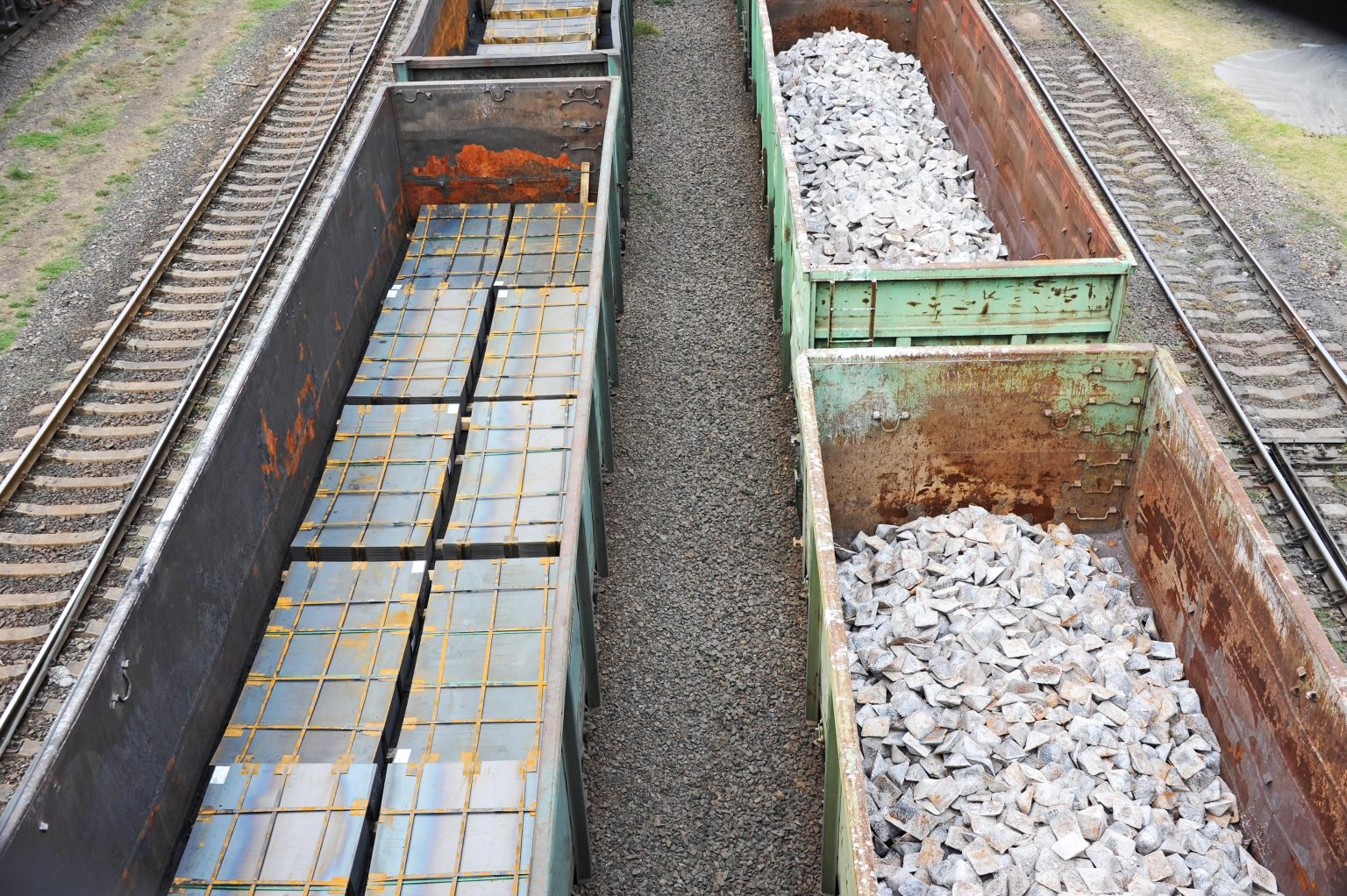
Ukraine’s steel industry depends heavily on rail transportation to move iron ore, coal, steel products, and other industrial materials. Because these goods are transported in large volumes, freight costs represent a significant portion of overall operating expenses.
Industry representatives argue that any increase in transportation charges could reduce profit margins and place additional strain on companies already operating in a competitive global market.
The proposed tariff adjustments have therefore raised concerns among manufacturers that rely on efficient logistics networks to remain competitive with producers in other countries.
Business groups warn that transportation expenses directly influence production decisions, export pricing, and future investment plans.
Labor Unions Warn of Job Risks
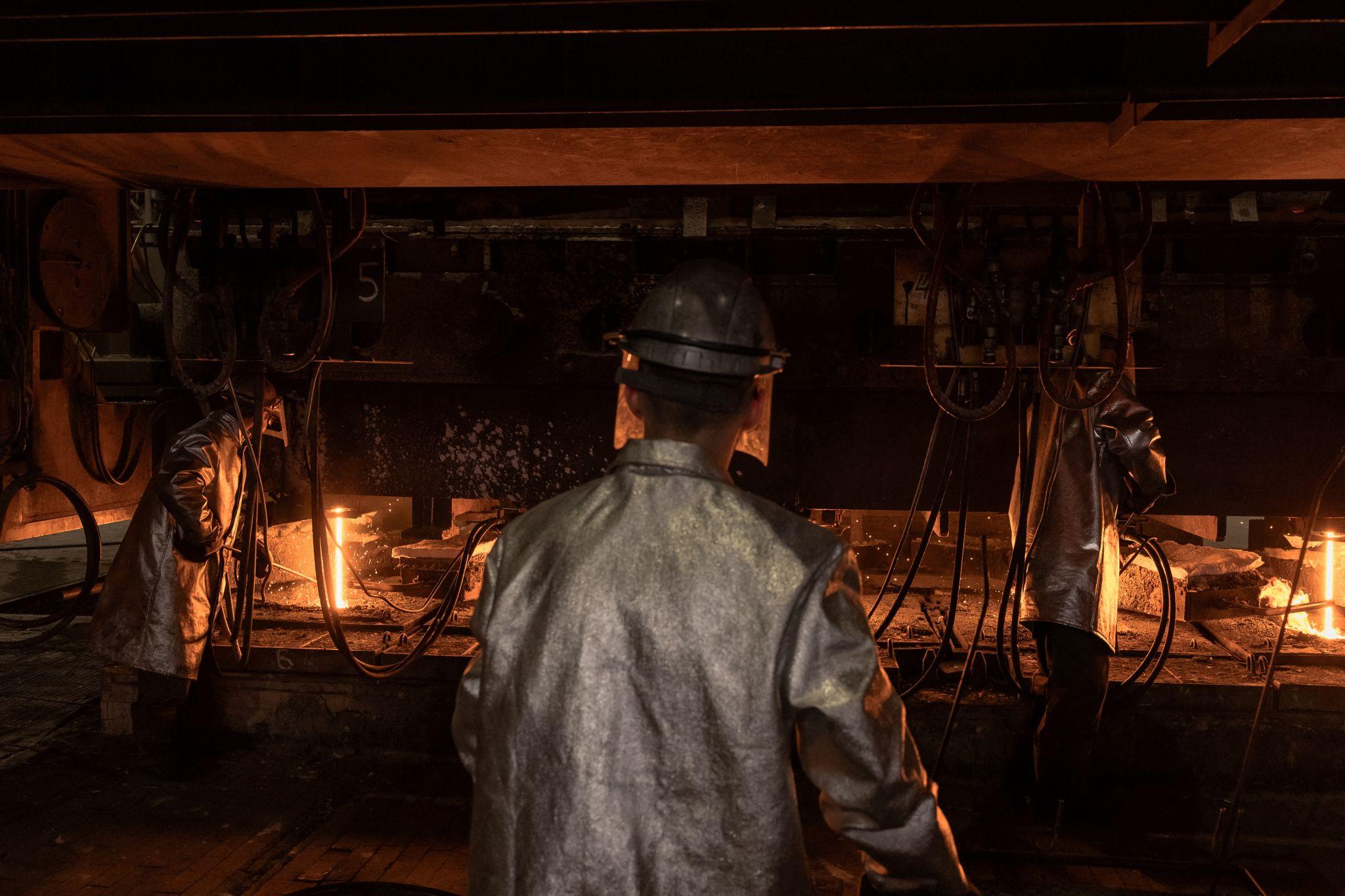
The debate surrounding steel sector employment intensified after labor organizations suggested that higher transportation costs could affect up to 300,000 jobs across steel production, mining, logistics, and related industries.
Union leaders argue that industrial competitiveness and workforce stability are closely connected. If operating expenses increase significantly, some companies may be forced to reduce production, delay investments, or reconsider hiring plans.
One union representative stated,
“Protecting industrial competitiveness is essential for protecting jobs and maintaining long-term economic stability.”
The statement reflects broader concerns among workers who depend on heavy industry for employment and economic security.
Labor organizations continue to call for careful evaluation of the potential consequences before any final decisions are made.
Steel Industry Highlights Competitive Challenges
Global steel markets remain highly competitive, with producers constantly seeking ways to control costs and improve efficiency. Industry experts note that transportation expenses can have a direct impact on a company’s ability to compete in export markets.
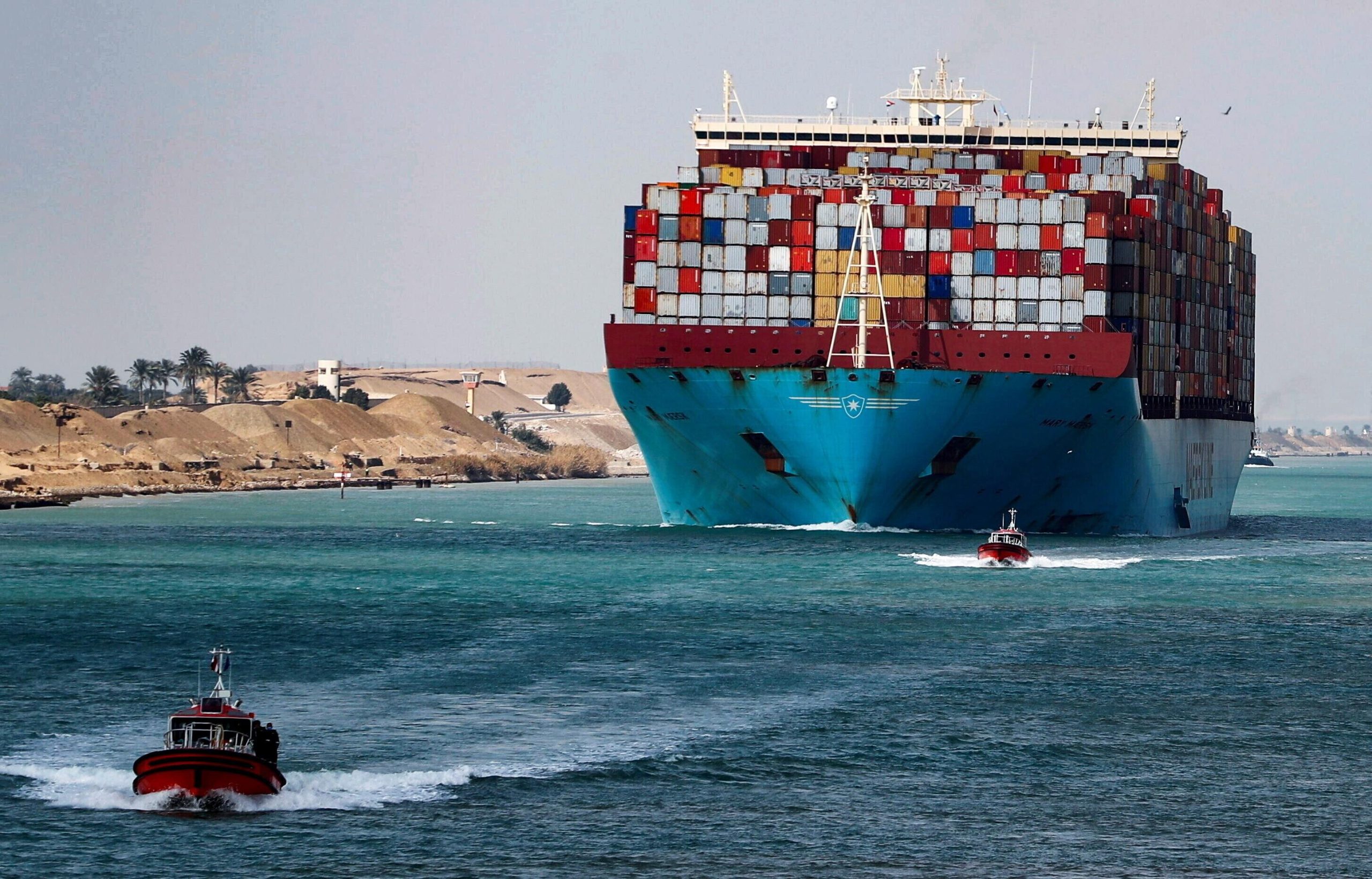
Ukrainian steel producers sell products to customers around the world, making logistics efficiency an important factor in maintaining market share. Increased freight costs could influence pricing strategies and affect demand in key export destinations.
Manufacturers argue that maintaining cost-effective transportation systems is essential for supporting production and preserving employment opportunities throughout the sector.
The issue has therefore become a major topic within the broader industrial community.
Economic Impact May Extend Beyond Steel
While the focus remains on steel production, analysts say the effects of higher freight costs could extend into other sectors of the economy. Mining companies, agricultural exporters, and manufacturing businesses also rely heavily on rail transportation.
Economic experts suggest that changes affecting transportation costs often create ripple effects throughout supply chains. Businesses facing higher logistics expenses may need to adjust operations, budgets, and investment plans.
The broader industrial economy could therefore feel the impact of decisions related to freight pricing and infrastructure funding.
Policymakers continue to assess how best to balance transportation system needs with economic competitiveness.
Investors and Businesses Monitor Developments
The proposed tariff increase is also being closely watched by investors evaluating Ukraine’s industrial outlook. Transportation infrastructure plays an important role in attracting investment because reliable logistics systems support production growth and export activity.
Analysts note that predictable operating costs help businesses make long-term planning decisions. Uncertainty regarding transportation expenses can influence future investment strategies and industrial expansion projects.
For many companies, maintaining efficient freight networks remains a key factor in supporting competitiveness and employment growth.
Outlook Remains Uncertain
As discussions continue, steel sector employment remains a major concern for labor unions, industry leaders, and policymakers. Businesses are seeking clarity regarding transportation costs while officials evaluate the potential economic effects of the proposed tariff changes.
The outcome of the debate may influence jobs, investment activity, and industrial competitiveness across Ukraine. Stakeholders throughout the steel industry continue to emphasize the importance of balancing infrastructure funding needs with the goal of preserving employment and supporting economic growth.