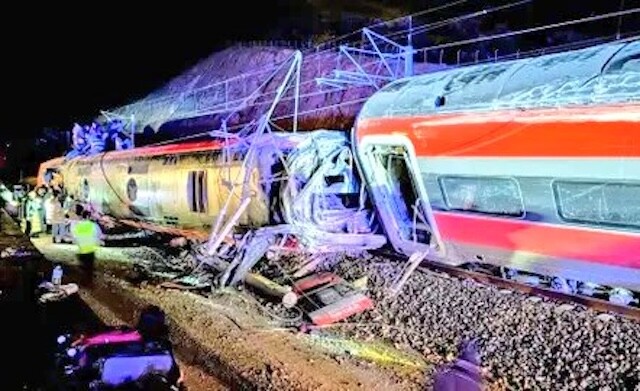
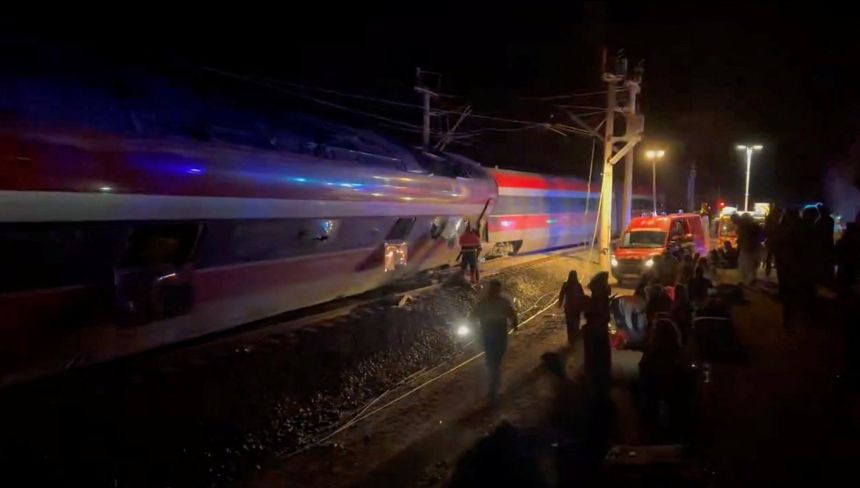
Spain, January 2026, Brussels Morning Newspaper — The confirmation that the Spain train collision death toll 39 has plunged the country into mourning, marking one of the most devastating rail disasters in recent history. The fatal crash involved a high-speed passenger service traveling along a major national corridor, where the force of the impact derailed multiple carriages and left scenes of widespread destruction.
Emergency officials said recovery operations continued as investigators worked to establish how such a catastrophic failure occurred on a modern rail network trusted by millions each year.
How the Collision Unfolded
According to preliminary assessments, the collision occurred when two trains entered the same stretch of track under circumstances still being examined. The high speed involved amplified the severity of the impact, causing carriages to buckle and overturn.
As details emerged, authorities confirmed that the Spain train collision death toll 39 reflected injuries sustained at the moment of impact, with several victims unable to be rescued in time due to the scale of destruction.
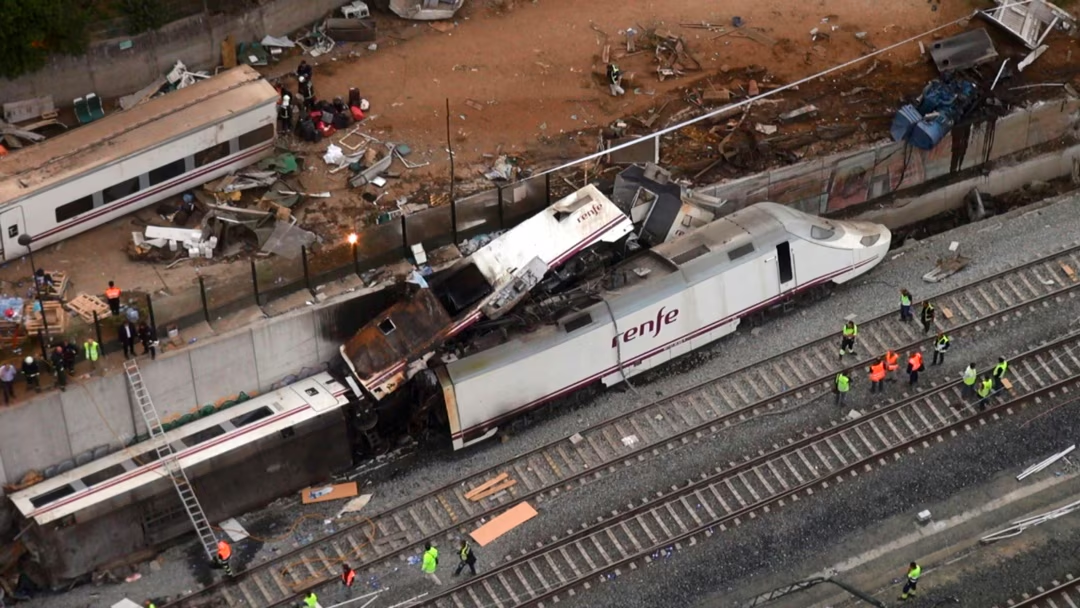
Emergency Response Under Extreme Conditions
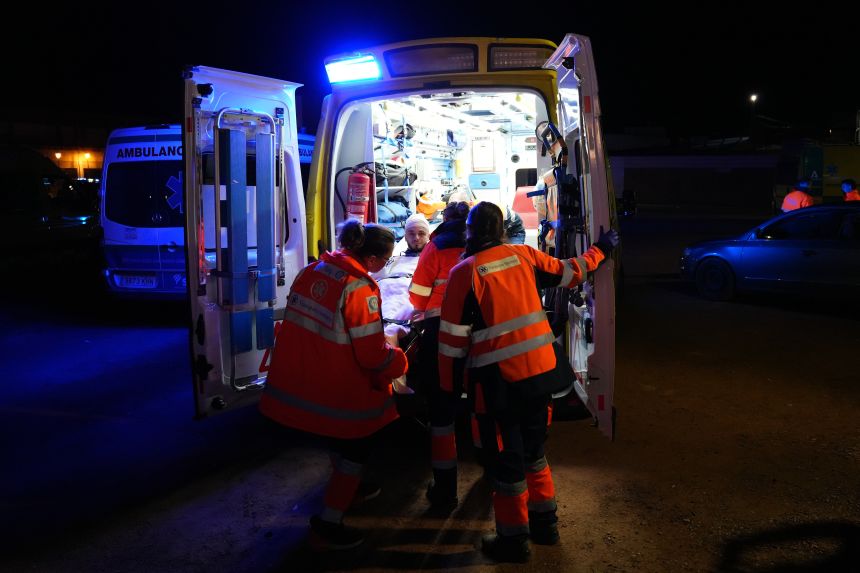
First responders described a challenging rescue environment, with twisted metal and unstable debris complicating access to trapped passengers. Firefighters and medical teams worked for hours using specialized equipment to reach survivors.
Officials credited the rapid response with saving lives, even as the Spain train collision death toll 39 continued to rise during the initial recovery phase. Air ambulances and trauma units were mobilized across the region.
Hospitals and Medical Services Overwhelmed
Hospitals activated mass-casualty protocols to manage the influx of injured passengers. Medical staff worked through the night to perform emergency surgeries and stabilize critical patients.
Despite these efforts, health authorities confirmed that the Spain train collision death toll 39 represented the final number of fatalities, while dozens of survivors remained hospitalized with serious injuries.
National Leadership Responds
Spain’s political leadership issued statements expressing condolences to victims’ families and pledging a thorough investigation. Transport officials emphasized accountability and transparency, promising that all findings would be made public.
One senior official said,
“The country deserves clear answers, and we will examine every detail to prevent such a tragedy from ever happening again.”
This single comment captured the official tone following confirmation of the Spain train collision death toll 39.
Rail Safety Systems Under Scrutiny
The disaster has raised urgent questions about safety systems, signaling technology, and operational oversight. Spain’s high-speed rail network is among the largest in Europe, making the incident particularly alarming.
Experts note that when the Spain train collision death toll 39 became clear, it intensified calls for independent safety audits and immediate reviews of automated control systems.
Impact on National Rail Services
Following the collision, authorities suspended high-speed services along several routes. Passengers across the country faced delays and cancellations as inspections were carried out.
Transport operators said services would only resume after comprehensive safety checks, underscoring the seriousness of the Spain train collision death toll 39 and its implications for public confidence.
Families Search for Closure
Family members gathered at designated assistance centers, where counselors and officials provided updates and support. Many waited hours for confirmation about missing loved ones.
The emotional toll deepened as the Spain train collision death toll 39 was officially announced, transforming private grief into a shared national tragedy.
Investigators Seek Technical Answers
Rail investigators recovered data recorders from the trains involved, which are expected to shed light on speed, braking systems, and communication between operators.
Authorities said the findings would be crucial in understanding how the Spain train collision death toll 39 occurred on a network designed with multiple layers of safety.
Political and Parliamentary Reaction
Lawmakers across the political spectrum called for hearings and policy reviews. Several demanded increased funding for rail maintenance and stricter oversight.
The confirmation of the Spain train collision death toll 39 has turned the incident into a focal point for broader debates about infrastructure investment and public safety.
Public Mourning and Memorials
Vigils were held in cities across Spain, with citizens lighting candles and observing moments of silence. Flags were lowered on public buildings as a mark of respect.
As communities came together, the Spain train collision death toll 39 became a symbol of collective loss and national reflection.
Economic and Social Implications
Beyond the immediate tragedy, the collision carries economic consequences. Disrupted transport networks affect commerce, tourism, and daily commuting patterns.
Analysts say the shock from the Spain train collision death toll 39 may influence public transport usage and prompt long-term investment decisions.
Comparisons With Past Rail Accidents
Spain has experienced rail accidents in the past, but few have matched the scale of this disaster. Safety improvements implemented after earlier incidents are now being reassessed.
The Spain train collision death toll 39 has renewed debate over whether existing safeguards are sufficient in the face of increasing rail traffic.
Psychological Impact on Survivors
Survivors described lasting trauma, with many receiving psychological support alongside physical treatment. Mental health professionals warned that recovery will take time.
The scale of the Spain train collision death toll 39 has highlighted the need for long-term care for survivors and families affected by the tragedy.
International Attention and Solidarity
Messages of condolence arrived from leaders across Europe and beyond, reflecting Spain’s close ties through international rail and transport networks.
The Spain train collision death toll 39 resonated beyond national borders, prompting discussions about rail safety standards across the continent.
Rebuilding Trust in Rail Travel
Restoring public confidence will be a key challenge for authorities. Clear communication, visible safety upgrades, and accountability are expected to play central roles.
Experts say trust can be rebuilt, but only through decisive action following the Spain train collision death toll 39.
Long-Term Safety Reforms
Transport analysts predict that the disaster will accelerate reforms, including enhanced automation, stricter operator training, and more frequent system audits.
The legacy of the Spain train collision death toll 39 may ultimately be measured by how effectively it drives improvements in rail safety.
When a Tragedy Redefines National Priorities
The collision has forced Spain to confront uncomfortable questions about infrastructure, oversight, and risk. While investigations continue, the focus has shifted toward preventing future loss of life.
As the country mourns, the moment defined by the Spain train collision death toll 39 stands as a turning point that may reshape transport policy and public expectations for years to come.