Aleppo (Brussels Morning Newspaper) January 08, 2026 — Syrian troops entered the first residential and administrative buildings in Sheikh Maqsoud Ashrafieh on Wednesday, marking a significant shift in control in northern Aleppo and signaling a new phase in the government’s efforts to consolidate security in long sensitive neighborhoods.
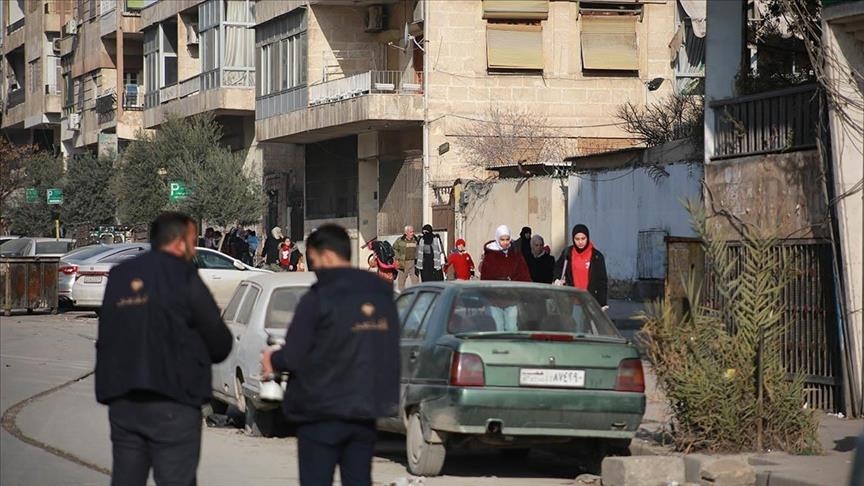
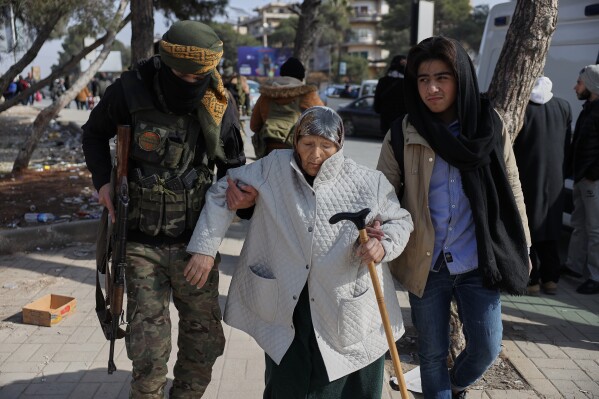
Local sources said the deployment unfolded in an orderly manner, with Syrian troops moving into selected buildings and securing key intersections across Sheikh Maqsoud Ashrafieh. No major clashes were reported during the initial phase, and security forces were seen setting up checkpoints and conducting patrols.
Residents described a tense but calm atmosphere. “There was fear at first, but no fighting,” one resident said, noting that people watched quietly as troops established their presence. The absence of violence helped prevent panic in districts long shaped by uncertainty.
Understanding Sheikh Maqsoud and Ashrafieh
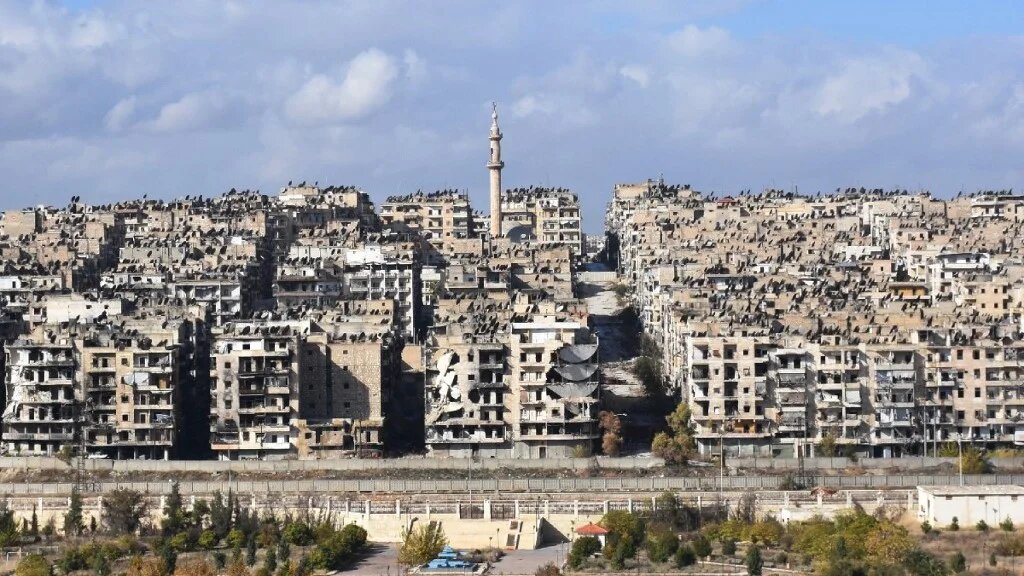
Sheikh Maqsoud and Ashrafieh are two adjoining districts in northern Aleppo that have long occupied a unique position in the city’s conflict map. Unlike many other areas, they avoided full scale destruction during the war through a combination of negotiated arrangements and localized security structures.
For years, Sheikh Maqsoud Ashrafieh functioned under semi autonomous conditions, shaped by complex relationships between local authorities, armed groups, and the Syrian state. This arrangement allowed tens of thousands of civilians to remain in their homes, even as much of Aleppo experienced devastation.
How the Troop Entry Unfolded
According to local sources, Syrian troops entered selected buildings in Sheikh Maqsoud Ashrafieh during the early hours, establishing checkpoints and securing key intersections. The deployment was described as orderly, with no reports of direct confrontation during the initial phase.
Residents said soldiers focused on administrative buildings and strategic points rather than private homes. One local shopkeeper said the streets were tense but calm, noting that people watched quietly as events unfolded.
Strategic Motives Behind the Move
Security analysts say the entry into Sheikh Maqsoud Ashrafieh reflects Damascus’s broader effort to consolidate authority in Aleppo while avoiding renewed conflict. The districts’ location near important transport routes gives them strategic value beyond their residential character.
By entering these areas, the government signals an intention to reduce fragmentation and reinforce centralized control. However, analysts stress that success depends on maintaining cooperation with local communities and preventing heavy handed security practices.
Civilian Reactions on the Ground
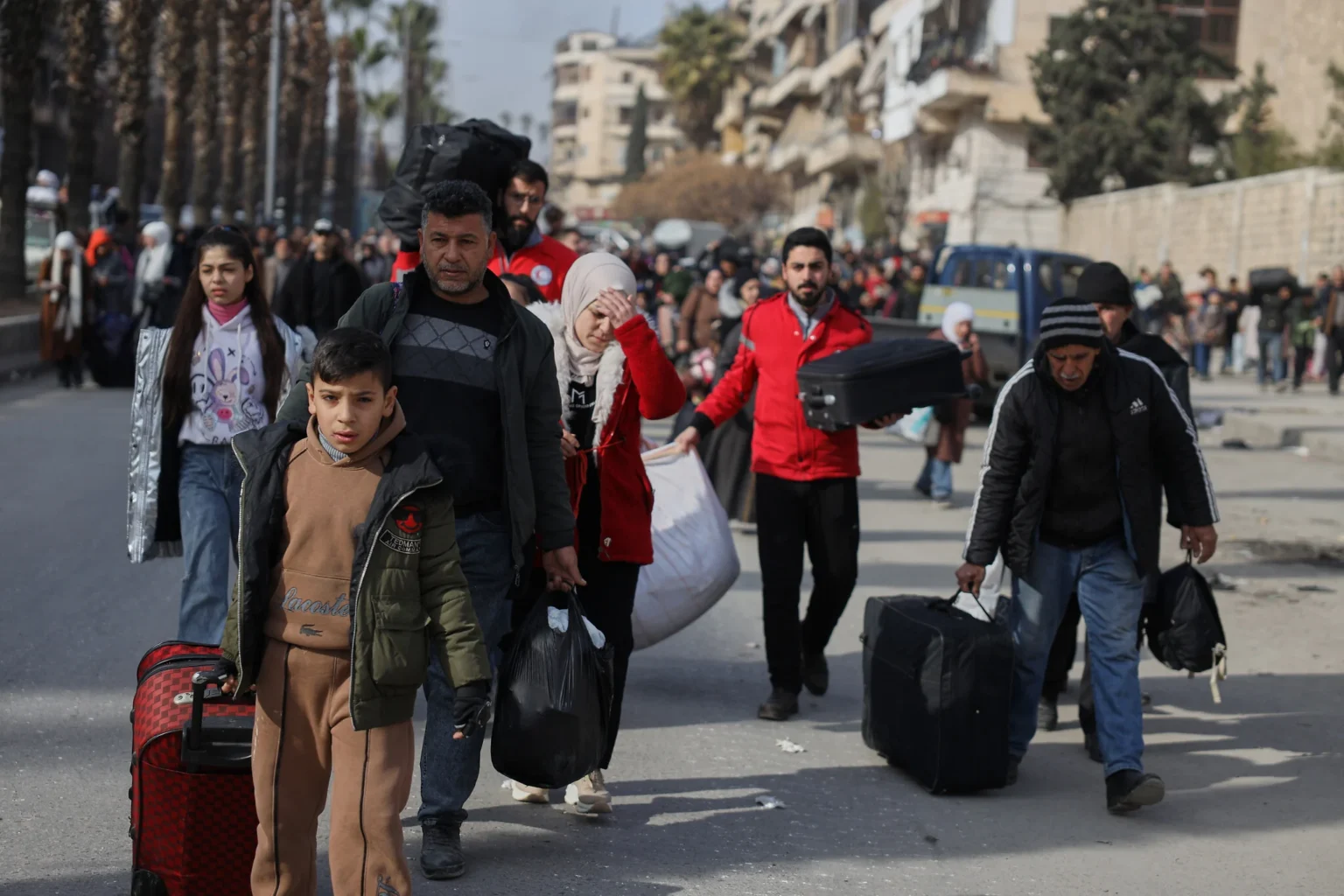
Reactions among residents of Sheikh Maqsoud Ashrafieh have been mixed but largely restrained. Some residents expressed hope that a formal security presence could reduce uncertainty and prevent clashes. Others worry about potential restrictions on movement and daily activities.
One resident said people were “waiting to see how soldiers behave,” adding that stability mattered more than politics. This cautious sentiment reflects years of survival through shifting power arrangements.
Impact on Daily Life and Services
In the immediate aftermath, daily life in Sheikh Maqsoud Ashrafieh continued largely unchanged. Markets opened, schools remained operational, and public transport continued running, signaling an effort to preserve normalcy.
However, residents expect gradual changes. Increased checkpoints may slow movement, and administrative control could shift service delivery. Local leaders have urged patience, emphasizing that cooperation is essential to avoid disruption.
Political Context Within Syria
The deployment must be seen within Syria’s wider political landscape. Aleppo remains a mosaic of control, shaped by years of war and negotiated coexistence. The move into Sheikh Maqsoud Ashrafieh suggests a new phase in Damascus’s approach to reintegration.
Political observers note that similar strategies elsewhere have produced mixed results, depending on how civilian concerns were addressed. The balance between authority and accommodation will be critical in determining outcomes.
Regional and International Attention
Developments in Aleppo rarely go unnoticed beyond Syria’s borders. Regional actors are closely monitoring changes in Sheikh Maqsoud Ashrafieh, aware that stability here influences northern Syria more broadly.
Diplomatic sources emphasize restraint, warning that missteps could reignite tensions. International aid organizations have also called for guarantees that civilians will be protected and that humanitarian access will not be disrupted.
Economic Implications for the Districts
Economically, Sheikh Maqsoud Ashrafieh has remained fragile but functional. Small businesses operate on thin margins, and residents rely heavily on local markets.
Some shop owners hope the troop presence will encourage trade by reducing uncertainty. Others fear stricter controls could discourage customers. The coming months will reveal whether security translates into economic confidence.
Humanitarian Considerations
Humanitarian groups stress that changes in control must not come at the expense of civilian welfare. Access to healthcare, education, and utilities remains uneven across Sheikh Maqsoud Ashrafieh.
Aid workers emphasize that stability should be accompanied by investment in services. Without visible improvements, they warn, public trust could erode quickly.
Voices From the Community
Community leaders have called for dialogue and transparency. One elder said residents wanted
“clarity and respect,”
stressing that people in Sheikh Maqsoud Ashrafieh had endured years of uncertainty and deserved peace.
Such voices highlight the human dimension of security decisions, reminding authorities that legitimacy depends on everyday experiences.
Risks of Miscalculation
Security experts caution that even peaceful deployments carry risks. In densely populated Sheikh Maqsoud Ashrafieh, misunderstandings or isolated incidents could escalate if communication breaks down.
Preventing escalation will require discipline, clear rules of engagement, and ongoing dialogue with local representatives.
What This Means for Aleppo’s Future
Aleppo’s recovery depends on stability across all its districts. The integration of Sheikh Maqsoud Ashrafieh into broader security structures could contribute to long term calm if handled carefully.
Conversely, heavy handed measures could undo years of relative stability. As such, Aleppo once again serves as a testing ground for Syria’s post conflict governance.
Broader Symbolism of the Move
Beyond immediate security concerns, the troop entry carries symbolic weight. Sheikh Maqsoud Ashrafieh has long represented negotiated coexistence within Aleppo. Its transition marks a shift toward a more centralized model.
Whether this model delivers peace or friction remains an open question, closely watched by Syrians and international observers alike.
A Delicate Transition
The entry of Syrian troops into Sheikh Maqsoud Ashrafieh marks a pivotal moment for northern Aleppo. While the deployment proceeded without violence, its long term impact will depend on restraint, communication, and attention to civilian needs.
For residents, the hope is simple: that this transition brings stability rather than renewed uncertainty. As Aleppo continues its slow recovery, developments in these districts will shape not only the city’s future, but also broader perceptions of Syria’s path forward.