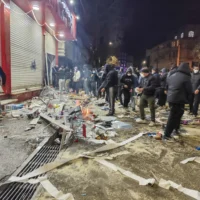
Iran January, 2026 — The security crackdown Iran has intensified in 2026 as demonstrations continue across the country, Brussels Morning Newspaper notes, with authorities expanding enforcement measures in response to sustained public unrest. The developments mark a significant escalation in the state’s approach to maintaining order, placing renewed focus on the balance between security priorities and civic space during a period of heightened political and social tension in Iran.
Residents across major cities and provincial regions report a visible increase in security presence, tighter controls on public gatherings, and stricter monitoring of key urban areas. As protests persist, the evolving security posture has become one of the defining elements of the current crisis, shaping daily life, economic activity, and international perceptions.
Roots of the Current Unrest
The present wave of protests reflects a convergence of long standing economic pressures, governance concerns, and social grievances. Rising living costs, employment uncertainty, and reduced purchasing power have strained households across income groups.
At the same time, frustrations related to political participation and institutional accountability have added momentum to public mobilization. Analysts say these underlying issues created conditions in which even localized incidents could trigger broader demonstrations.
The response has been shaped by the security crackdown Iran, which authorities describe as a necessary step to prevent disorder and maintain stability amid growing unrest.
Expansion of Security Measures
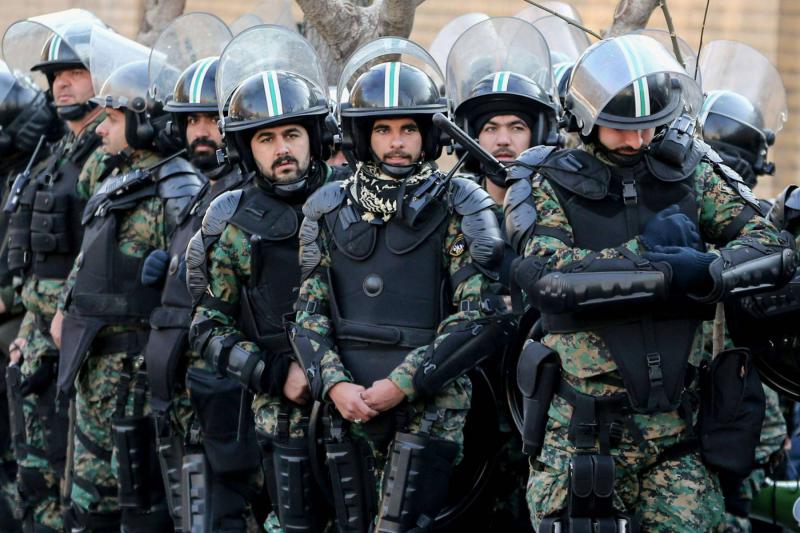
Security forces have expanded patrols in central districts, transportation hubs, and public squares. Temporary restrictions on gatherings and movement have been introduced in some areas, accompanied by increased surveillance and checkpoints.
Officials emphasize that these measures are designed to deter violence and protect public safety. Critics, however, argue that the security crackdown Iran has widened the gap between institutions and citizens by prioritizing enforcement over dialogue.
A regional political analyst observed,
“When security becomes the dominant response, it often reflects deeper uncertainty about how to address public demands.”
Protests Persist Despite Enforcement
Despite heightened enforcement, demonstrations have continued in several cities, including Tehran, Isfahan, Shiraz, and Mashhad. Protest activity has become more fluid, with smaller gatherings forming and dispersing quickly.
Observers note that the security crackdown Iran has altered protest tactics rather than eliminating dissent. Participants increasingly rely on decentralized organization, informal networks, and symbolic actions.
The persistence of protests suggests that enforcement alone has not resolved the grievances driving public mobilization.
Economic Consequences of Prolonged Tension
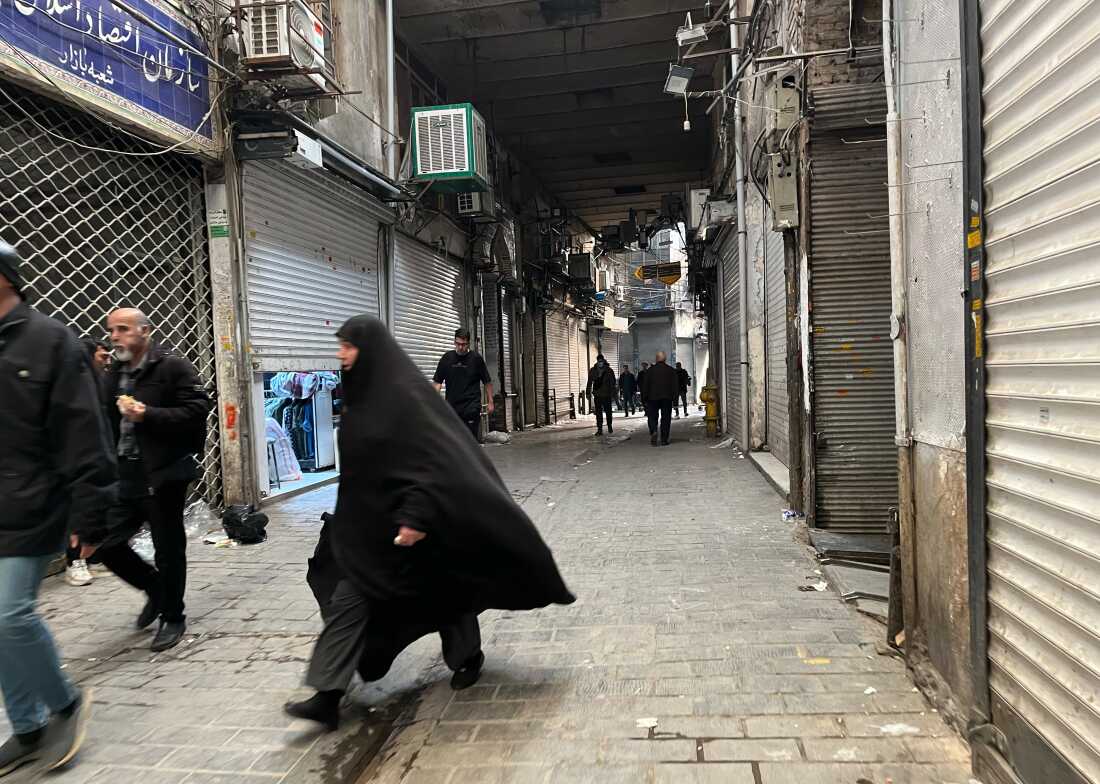
The economic impact of sustained unrest combined with stricter security measures is becoming increasingly visible. Retail activity in affected areas has slowed, while tourism and hospitality sectors face cancellations and reduced foot traffic.
Small and medium sized enterprises report uncertainty as supply chains are disrupted and consumer confidence weakens. Economists warn that prolonged instability linked to the security crackdown Iran could deepen financial pressures and delay recovery efforts.
Foreign investment sentiment has also been affected, with businesses closely monitoring developments before committing resources.
Public Sentiment and Social Climate
Public reaction to the intensified measures remains divided. Some citizens express support for visible enforcement, viewing it as essential to preventing chaos and protecting livelihoods.
Others perceive the security crackdown Iran as excessive, arguing that it restricts peaceful expression and deepens mistrust. Social researchers note that polarization has increased, with debates over authority and rights becoming more pronounced.
These divisions highlight the challenge of restoring calm while addressing competing expectations within society.
Role of Institutions and Governance
The current crisis has underscored the central role of state institutions in managing unrest. Security forces, judicial bodies, and administrative agencies are operating under heightened scrutiny.
Analysts argue that while enforcement may restore short term order, long term stability depends on institutional responsiveness and credibility. The security crackdown Iran has become a test of governance capacity during periods of sustained pressure.
Calls for transparency and communication have grown as citizens seek clarity on policy direction and future steps.
Media Environment and Information Flow
Media coverage of the unrest reflects sharply contrasting narratives. State aligned outlets emphasize stability, order, and the necessity of enforcement measures.
Independent journalists and citizen reporters face obstacles accessing protest areas and verifying developments. Media experts suggest that the security crackdown Iran has contributed to a fragmented information environment, complicating efforts to maintain accurate public understanding.
International media rely on delayed confirmations and secondary sources, shaping how events are perceived abroad.
Impact on Youth and Civic Engagement
Young people have emerged as a prominent voice in discussions surrounding the protests. Many express frustration with limited economic opportunities and restricted civic space.
Educators and sociologists warn that prolonged tension linked to the security crackdown Iran could have lasting effects on youth engagement, political participation, and social trust.
The experience of unrest during formative years may shape attitudes toward institutions and governance well into the future.
Regional Reactions and Diplomatic Attention
Developments in Iran are being closely monitored across the Middle East, where similar protest movements have occurred in recent years. Regional analysts note that outcomes in Iran could influence how neighboring states approach unrest.
Diplomatic responses from foreign governments remain cautious, balancing calls for restraint with respect for national sovereignty. For international observers, the security crackdown Iran signals a firm institutional stance with potential regional implications.
Security Versus Dialogue Debate
The intensified response has reignited debate over whether enforcement or engagement offers a more sustainable path forward. Supporters of strict measures argue that order is a prerequisite for reform.
Critics counter that meaningful dialogue and economic relief are essential to reducing tensions. The prominence of the security crackdown Iran underscores this tension between immediate control and long term resolution.
Policy experts emphasize that durable stability often requires a combination of security, reform, and communication.
Effects on Daily Life and Services
Everyday life has been affected by the expanded security presence. Commuters encounter checkpoints, and some public events have been postponed or canceled.
Businesses adjust operating hours, while families report increased anxiety. The security crackdown Iran has become part of daily experience, influencing routines and social interactions.
Public services continue to function, but under conditions of heightened vigilance and constraint.
Legal and Human Rights Considerations
Legal observers and rights advocates are monitoring developments closely. Concerns center on due process, proportionality of enforcement, and the treatment of detainees.
Authorities maintain that actions are conducted within legal frameworks. Critics argue that the security crackdown Iran raises important questions about civil liberties during periods of unrest.
These debates are likely to persist as the situation evolves.
Technology and Surveillance Dynamics
Advances in surveillance and monitoring technology have played a role in enforcement strategies. Analysts note increased reliance on digital tools to track movement and activity.
While authorities view technology as essential for maintaining order, privacy advocates express concern about long term implications. The security crackdown Iran highlights how technology shapes modern security responses.
Economic Outlook and Investor Confidence
Market analysts suggest that economic recovery will depend on restoring confidence and predictability. Continued unrest and enforcement may deter investment and slow growth.
The security crackdown Iran has become a variable in economic forecasting, influencing expectations around policy stability and market openness.
Clear communication from authorities is seen as critical to reassuring businesses and consumers alike.
Historical Context of Security Responses
Iran has experienced periods of unrest in the past, often met with strong security responses. Historical comparisons suggest that outcomes vary depending on accompanying reforms and economic conditions.
Experts argue that lessons from previous episodes could inform current decision making. The security crackdown Iran may be remembered as either a stabilizing measure or a missed opportunity for engagement.
International Image and Soft Power
The unfolding situation also affects Iran’s international image. Prolonged unrest and enforcement measures influence perceptions among global audiences.
Cultural exchanges, tourism, and diplomacy may be affected by how the security crackdown Iran is viewed abroad. Analysts note that soft power considerations increasingly matter in a connected world.
Potential Scenarios Ahead
Several scenarios are possible in the coming months. De escalation could follow targeted reforms and confidence building measures.
Alternatively, continued enforcement without dialogue may prolong tension. The security crackdown Iran sits at the center of these possible paths, shaping expectations and strategies.
Observers stress the importance of flexibility and responsiveness in navigating uncertainty.
Outlook for Governance and Stability
As 2026 progresses, governance challenges remain significant. Balancing security with social cohesion will test institutional resilience.
The security crackdown Iran has clarified the state’s immediate priorities but left broader questions about reform and participation unresolved.
How authorities address these questions may determine the country’s trajectory in the near term.
Long Term Social Implications
Beyond immediate outcomes, the experience of unrest and enforcement may have lasting social effects. Trust between citizens and institutions, patterns of civic engagement, and expectations of governance could all be reshaped.
Sociologists emphasize that prolonged tension linked to the security crackdown Iran may influence social norms and political culture for years to come.
Beyond Enforcement
As Brussels Morning Newspaper continues to monitor developments, the situation underscores how periods of unrest test not only security capacity but also institutional adaptability.
The security crackdown Iran represents a decisive response to a complex challenge. Whether it leads to renewed stability or prolonged tension will depend on choices made in the months ahead, including the willingness to address underlying economic and social grievances alongside enforcement.