Northern Syria, Syria, January 2026, Brussels Morning Newspaper — Fresh SDF clashes have unsettled northern Syria, reigniting fears of prolonged instability in an area already strained by years of conflict. The fighting erupted after days of mounting tension and quickly spread across several districts, forcing civilians indoors and disrupting fragile security arrangements. Local officials said the escalation unfolded rapidly, underscoring how easily dormant fault lines can reignite.
The latest violence comes at a time when communities were beginning to see tentative signs of recovery. Markets had reopened, and limited reconstruction was under way. The outbreak of hostilities reversed much of that progress, highlighting the enduring volatility of the region.
How Tensions Escalated Into Open Fighting
Accounts from residents indicate that the confrontation began with isolated incidents before spiraling into sustained exchanges. Armed units mobilized on short notice, and clashes soon extended beyond initial hotspots.
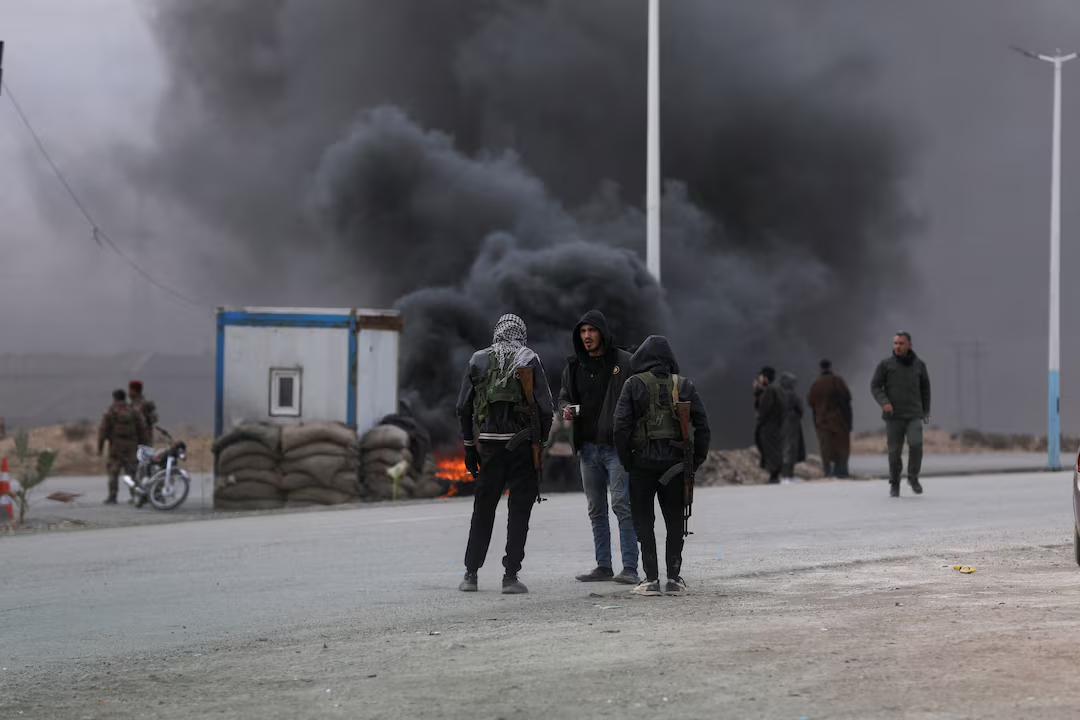
As SDF clashes intensified, the sound of gunfire and explosions echoed across residential neighborhoods. Civilians described hurried efforts to secure homes and evacuate vulnerable family members. The pace of escalation left little opportunity for mediation once violence took hold.

Geographic Spread of the Violence
The fighting affected a mix of urban centers and surrounding rural areas, complicating efforts to contain it. Key roads were temporarily closed, disrupting supply lines and limiting humanitarian access.
Authorities said SDF clashes disrupted daily routines across multiple communities, shutting schools and forcing businesses to close. The widespread nature of the violence magnified its impact, stretching local response capacity.
Civilian Displacement and Human Cost
The humanitarian toll mounted quickly. Families fled neighborhoods caught between opposing forces, often leaving behind homes and possessions. Temporary shelters filled as displacement increased.
Aid workers warned that SDF clashes risk deepening an already severe humanitarian situation. Many displaced residents lack consistent access to clean water, healthcare, and education, compounding long-term social challenges.
Security Measures Introduced After the Fighting
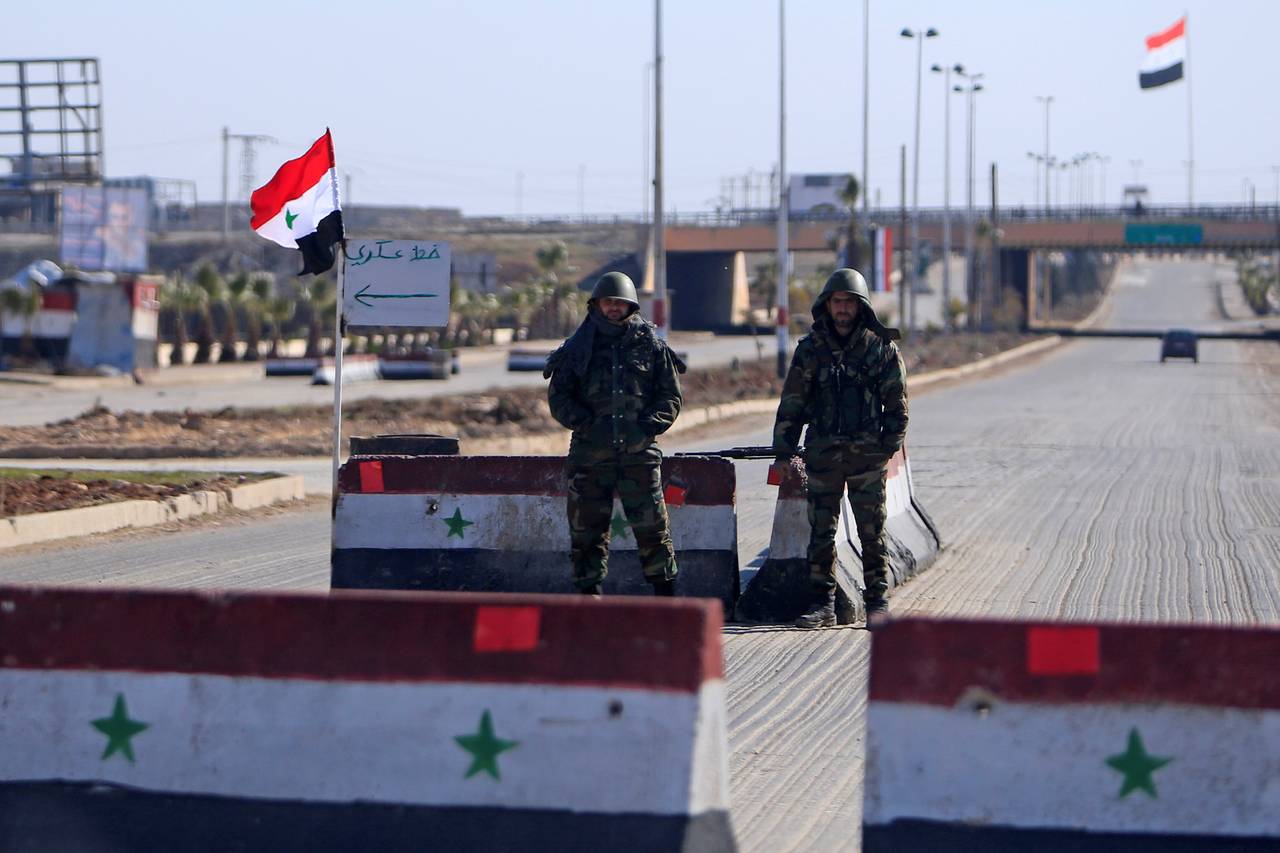
In the aftermath of the most intense confrontations, additional checkpoints and patrols were deployed to deter renewed violence. Authorities said these measures are intended to stabilize contested zones and reassure residents.
Despite these efforts, the legacy of SDF clashes has left communities cautious. Residents expressed concern that calm may prove temporary without broader political solutions.
Military and Political Messaging
Statements from involved actors emphasized control and deterrence, with each side framing events through its own security narrative. Calls for restraint were issued alongside warnings against further escalation.
Analysts note that SDF clashes are often accompanied by competing political messages that harden positions and complicate dialogue. Such rhetoric can prolong tensions even after fighting subsides.
Impact on Local Governance
Local councils faced immediate challenges restoring services and maintaining order. Damage to infrastructure disrupted electricity, water distribution, and communications in some areas.
Officials said governance gaps widened during SDF clashes, revealing how quickly administrative capacity can erode under pressure. Rebuilding trust between authorities and residents will be a gradual process.
Economic Disruption and Livelihood Loss
The violence interrupted fragile economic activity. Shops closed, transport halted, and agricultural work was delayed during a critical period for farmers.
Economists warn that SDF clashes undermine already limited economic opportunities, increasing dependence on aid and informal coping mechanisms. Recovery will require sustained security and investment.
Humanitarian Access and Relief Challenges
Delivering aid during and after the fighting proved difficult. Security concerns limited movement, while damaged roads slowed deliveries.
Relief agencies stressed that ensuring access following SDF clashes is essential to prevent worsening food insecurity and health crises, particularly among children and the elderly.
Regional and Cross-Border Implications
Developments in northern Syria rarely remain confined. Neighboring regions monitored the situation closely, aware that instability can spill across borders.
Observers say SDF clashes may influence regional security calculations, affecting coordination efforts and diplomatic engagement beyond Syria’s immediate borders.
International Attention and Monitoring
The renewed fighting drew attention from international observers concerned about civilian protection. Calls for de-escalation emphasized the need to prioritize humanitarian considerations.
The recurrence of SDF clashes reinforced concerns that without sustained engagement, cycles of violence may continue to disrupt fragile ceasefires.
One Civilian Perspective
One displaced resident said,
“We are exhausted by the fighting and want a future without fear for our children.”
This single voice captures the human cost behind the headlines.
Challenges to Lasting Stability
Even as violence subsides, underlying grievances remain unresolved. Disputes over authority, resources, and representation continue to fuel mistrust.
Experts caution that SDF clashes are symptoms of deeper structural issues that cannot be resolved through security measures alone.
Social Fabric Under Strain
Years of conflict have frayed community ties. The latest fighting deepened divisions and heightened suspicion among neighbors.
Community leaders said rebuilding social cohesion after SDF clashes will require dialogue, accountability, and inclusive governance to prevent renewed unrest.
Youth and Education Disruption
Schools closed during the violence, interrupting education for thousands of children. Teachers expressed concern about long-term learning losses.
Education advocates warn that repeated disruptions linked to SDF clashes risk creating a generation with limited opportunities and heightened vulnerability.
Health Services Under Pressure
Medical facilities struggled to cope with injuries while managing routine care. Shortages of supplies and staff exacerbated the strain.
Health officials said the impact of SDF clashes extends beyond immediate casualties, affecting mental health and chronic care across communities.
Environmental and Infrastructure Damage
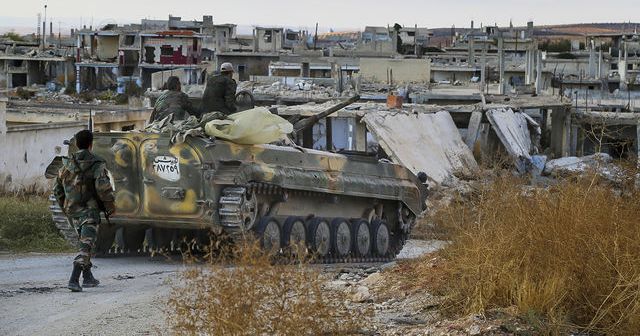
Explosions and heavy equipment damaged roads, buildings, and farmland. Repair efforts face funding and security constraints.
Infrastructure loss linked to SDF clashes compounds existing damage from years of conflict, slowing recovery and increasing costs.
Security Outlook in the Coming Months
Authorities face the challenge of preventing renewed violence while addressing root causes. Confidence-building measures and local engagement are seen as critical.
Analysts suggest that avoiding future SDF clashes will depend on sustained dialogue and economic support alongside security arrangements.
Role of Mediation and Dialogue
Local mediators and community leaders have called for renewed talks to address grievances peacefully. Past experience shows that dialogue can reduce tensions when supported consistently.
Without such efforts, SDF clashes may continue to flare unpredictably, undermining prospects for stability.
Information Environment and Public Trust
Conflicting narratives and misinformation circulated rapidly during the fighting, complicating public understanding.
Restoring trust after SDF clashes will require transparent communication and credible information from authorities and community representatives.
Long-Term Implications for Northern Syria
The latest events underscore how fragile gains remain in northern Syria. Progress toward stability can be reversed quickly without comprehensive solutions.
The persistence of SDF clashes highlights the urgency of addressing governance, security, and humanitarian needs in tandem.
When Local Clashes Shape a Generation
The renewed fighting has left deep marks on communities already burdened by years of uncertainty. Beyond immediate damage, the psychological impact will linger.
How leaders and communities respond after SDF clashes will shape not only the region’s security but also the future prospects of a generation growing up amid conflict.