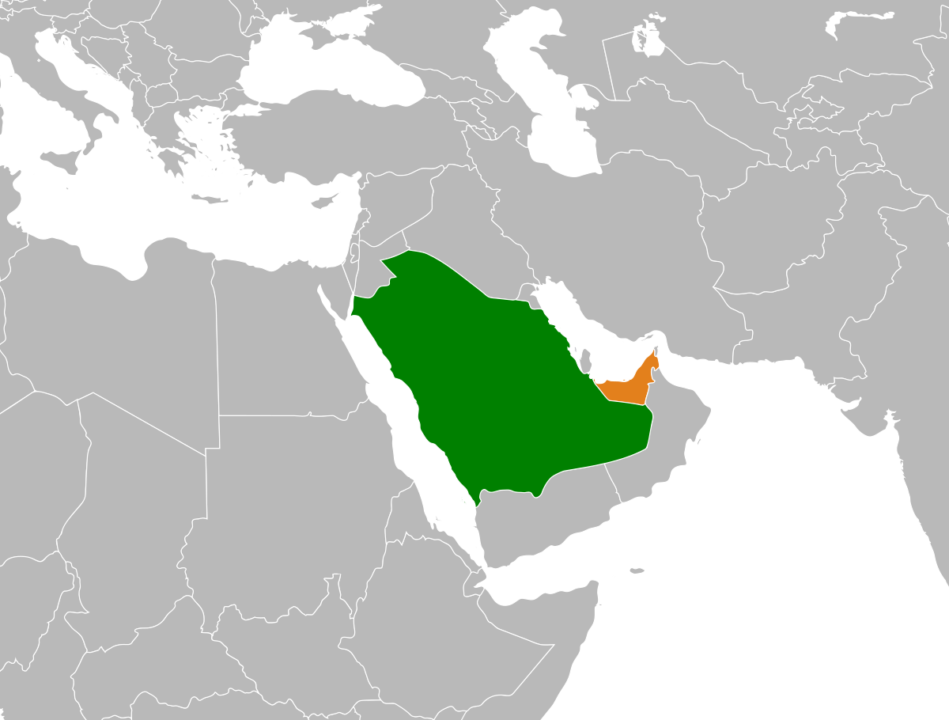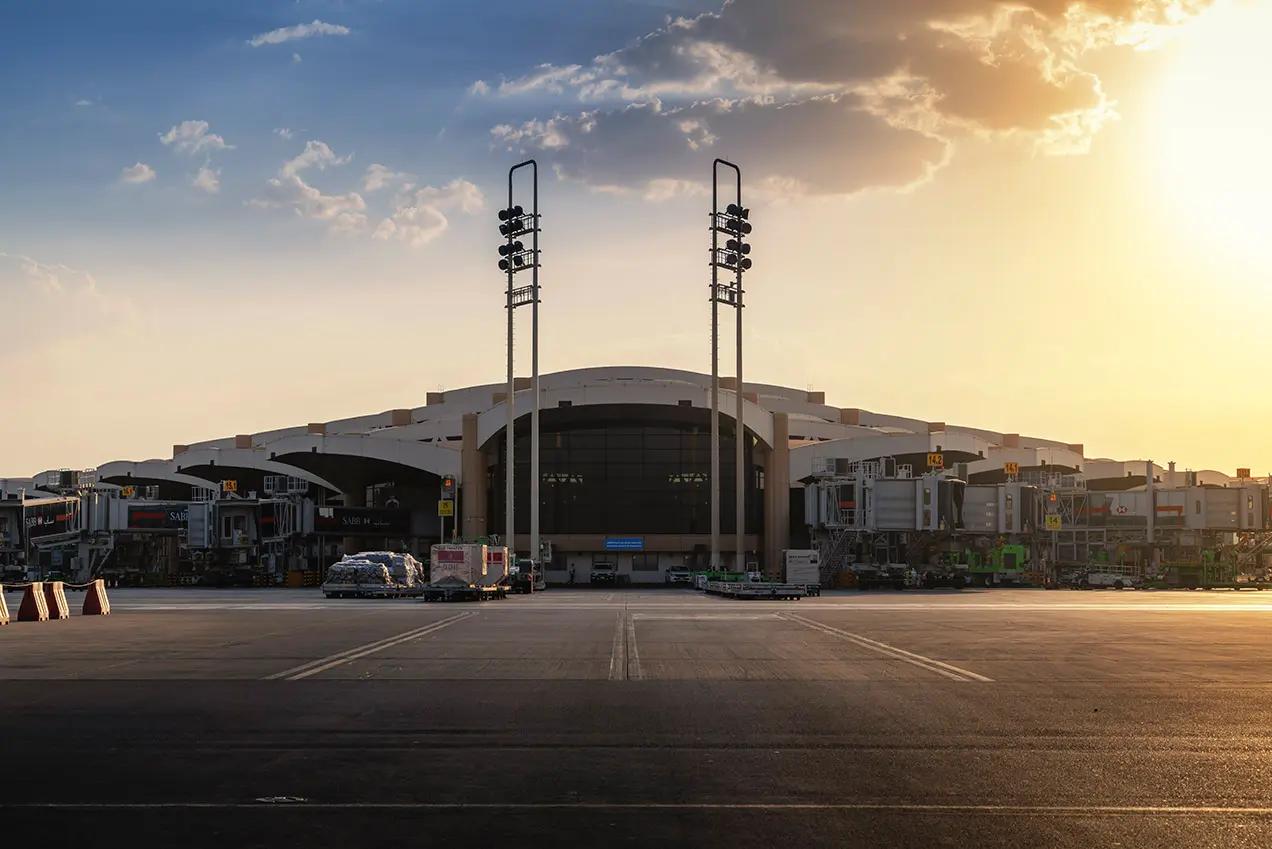
Riyadh, 11 October, (Brussels Morning Newspaper) – A Saudi airport attack has killed 12 people and injured 309 others at King Khalid International Airport in Riyadh, prompting US President Donald Trump to consider military action against Yemen’s Iran-backed Houthi rebels. The deadly strike on Saturday, 10 October, has disrupted international flights and heightened concerns over a wider regional conflict.
Saudi Arabia’s General Authority of Civil Aviation confirmed the casualties early Sunday. A Saudi-led military coalition blamed the Houthis, although responsibility for Saturday’s strike had not been independently established in the initial reports.
Riyadh Airport Attack Leaves Hundreds Injured
Saudi aviation authorities identified the dead as four Saudi citizens, two Bangladeshi nationals and one person each from the United States, Egypt, Jordan, Palestine, Syria and Sudan.
Several injured passengers and airport workers remained in critical condition, while emergency teams transported casualties to hospitals across the capital.
The strike was the third attack targeting King Khalid International Airport within a week. Earlier incidents had already caused fatalities, damaged aviation infrastructure and disrupted airline operations.
According to flight-tracking data reported by The National, approximately 260 flights were cancelled and another 219 delayed on Saturday.
Trump Signals Possible US Military Intervention
President Donald Trump indicated that Washington could join Saudi military operations against Houthi positions in Yemen.
Asked whether American forces might participate, Trump told reporters:
“We may. We’re going to look at it.”
He also described the airport strike as unacceptable and indicated that Washington would consider its response.
US Secretary of State Marco Rubio condemned the attacks and confirmed that an American citizen was among those killed.
The possibility of direct American involvement has increased international attention on the fighting, although no additional US military intervention had been confirmed at the time of reporting.
Yemen Conflict Intensifies Regional Security Crisis
The Saudi airport attack comes amid renewed hostilities between Houthi forces and Saudi-backed Yemeni government troops.
Saudi Arabia intervened militarily in Yemen in 2015, supporting the internationally recognised government after Houthi forces seized the capital, Sanaa.
A United Nations-brokered truce in 2022 reduced fighting, but renewed hostilities in 2026 have intensified cross-border attacks.
Recent clashes near the strategically important Bab el-Mandeb Strait have also raised concerns about shipping security and international trade.
European Aviation and Security Concerns Grow
The escalation carries implications beyond Saudi Arabia.
European airlines operating routes through the Gulf face potential disruption from airport closures, airspace restrictions and changing security conditions.
For Brussels and other European capitals, further instability could complicate diplomatic efforts to contain regional hostilities and protect international transport networks.
The incident also highlights the vulnerability of civilian aviation infrastructure during military confrontations.
What Happens Next for Saudi Arabia and Washington?
Saudi authorities are assessing damage to the airport while medical teams continue treating the injured.
The Saudi-led coalition has pledged a response, but the timing and scale of further military operations remain uncertain.
Washington is considering its options, with Trump leaving open the possibility of American participation in operations against the Houthis.
For now, attention remains focused on airport security, civilian protection and whether diplomatic efforts can prevent another escalation in the Yemen conflict.