Russian Missile Strike on Odesa Kills 8 Amid Peace Talks
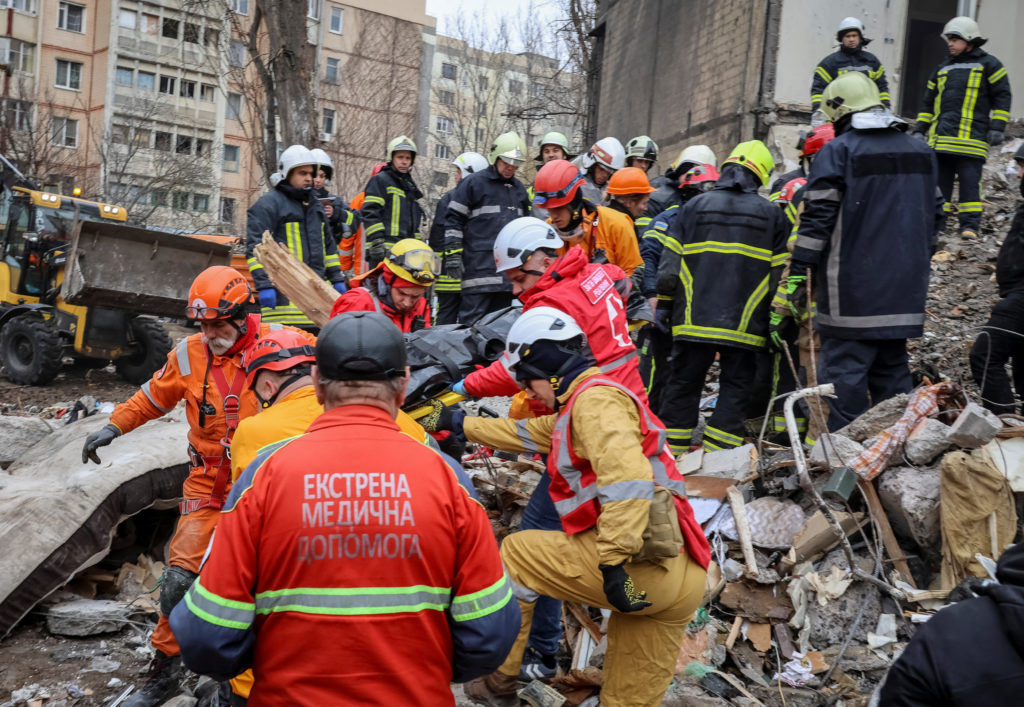
The Russian missile strike on Odesa has once again placed the fragile state of global diplomacy under intense scrutiny. As emergency crews pulled survivors from rubble in the historic Black Sea port city, news broke that the United States was simultaneously hosting a Kremlin envoy for discussions tied to a possible peace framework. The timing shocked observers and reignited debate over whether diplomacy can meaningfully proceed while civilian areas remain under fire.
Odesa, known for its cultural heritage and strategic importance, has endured repeated attacks since the escalation of the conflict. This latest strike, which claimed the lives of at least eight civilians, underscores the persistent human cost of the war and the widening gap between battlefield realities and negotiating tables.
What Happened in Odesa
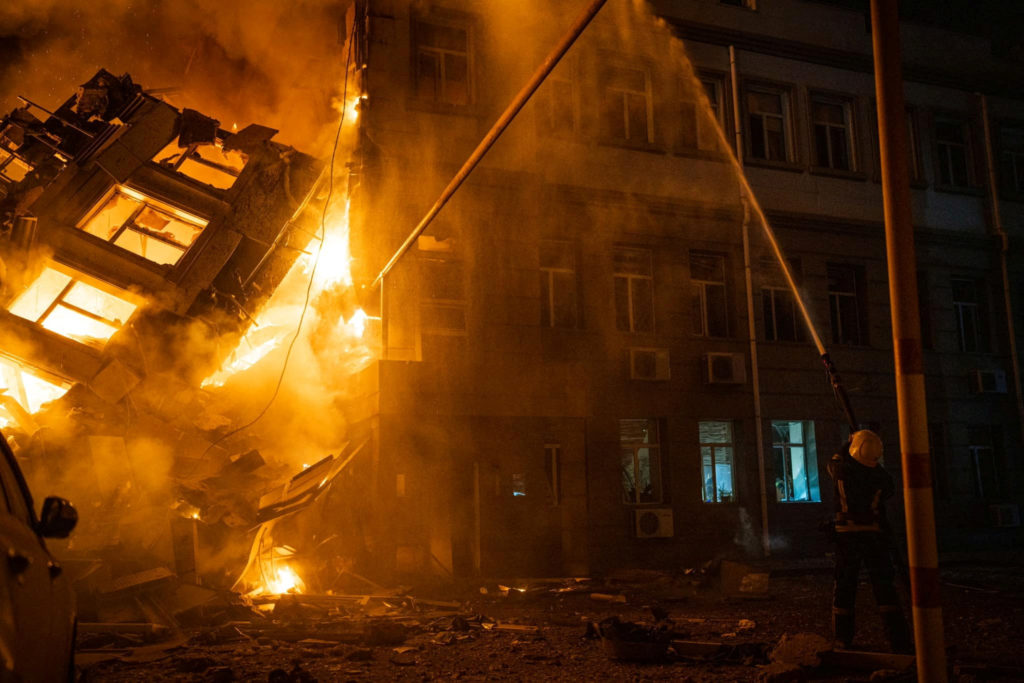
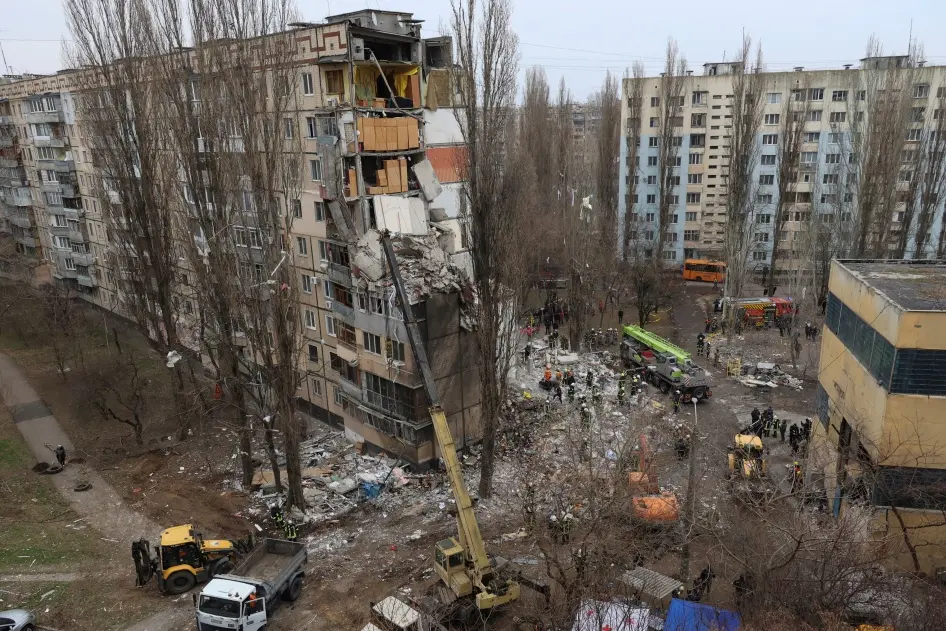
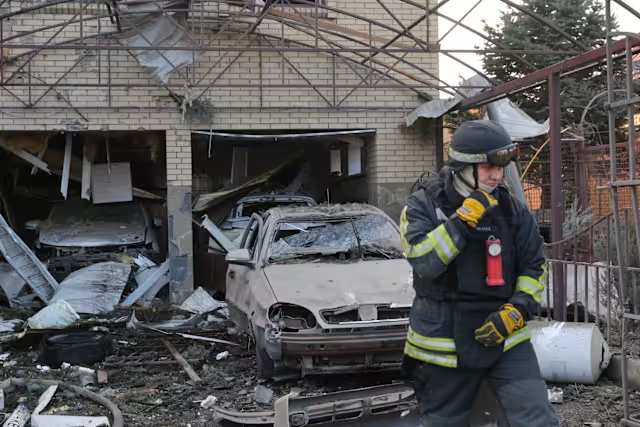
According to local officials, missiles struck residential areas in Odesa during early hours, when many families were still inside their homes. The Russian missile strike on Odesa damaged apartment buildings, shattered windows across several blocks, and left fires burning well into the morning.
Emergency responders described chaotic scenes as neighbors tried to help one another before professional rescue teams arrived. Hospitals were quickly overwhelmed with injured civilians, many suffering from shrapnel wounds and blunt force trauma caused by collapsing structures.
The attack has intensified concerns that urban centers remain primary targets despite repeated international calls to reduce civilian harm.
Civilian Impact and Human Cost
The death toll of eight only tells part of the story. Dozens more were injured, and many families were displaced overnight. For residents of Odesa, the psychological toll of repeated strikes is becoming as severe as the physical destruction.
Schools, local businesses, and cultural sites near the impact zone were also damaged. The Russian missile strike on Odesa disrupted daily life in a city already struggling to maintain normalcy amid ongoing conflict.
Humanitarian organizations warned that continued attacks on major cities increase long-term displacement and deepen the regional refugee crisis, placing pressure on neighboring countries and international aid systems.
Strategic Importance of Odesa
Odesa is not just a cultural center but also a vital economic and logistical hub. Its port plays a key role in Black Sea trade routes, including agricultural exports critical to global food supplies.
Each Russian missile strike on Odesa raises fears about broader disruptions to shipping lanes and energy markets. Analysts note that sustained pressure on port cities could have ripple effects far beyond Ukraine, influencing global prices and supply chains.
This strategic relevance makes Odesa a focal point in both military planning and diplomatic negotiations.
US Hosts Kremlin Envoy for Peace Talks
As news of the strike spread, confirmation emerged that the US was hosting a senior Kremlin envoy for discussions related to a proposed peace plan. The coincidence fueled criticism from those who argue that talks risk legitimizing continued military aggression.
US officials emphasized that diplomacy remains essential, even during periods of heightened violence. They argued that dialogue does not equal endorsement and that communication channels are necessary to prevent further escalation.
Still, the Russian missile strike on Odesa cast a long shadow over the meetings, complicating efforts to present talks as a credible step toward de-escalation.
Diplomatic Tensions and Global Reaction
International reactions were swift. European leaders condemned the attack, calling it a violation of humanitarian norms. Several governments renewed calls for accountability and stronger protective measures for civilians.
The Russian missile strike on Odesa also reignited debates within international institutions about enforcement mechanisms and the effectiveness of existing sanctions.
Meanwhile, Russia defended its actions as part of broader military objectives, a claim widely disputed by independent observers who pointed to the civilian nature of the targets.
Peace Talks Under Pressure
Peace negotiations are inherently fragile, and events like this test their viability. Analysts note that successful talks typically require at least a temporary reduction in hostilities, something absent in this case.
The Russian missile strike on Odesa may harden public opinion in Ukraine against concessions, making political compromise more difficult. Public trust in negotiations erodes when civilians continue to suffer during supposed diplomatic outreach.
For mediators, the challenge lies in balancing engagement with firm consequences for actions that undermine peace efforts.
Media Coverage and Information Warfare
Coverage of the attack spread rapidly across global media platforms. Images from Odesa flooded social networks, shaping public perception and influencing political narratives.
The Russian missile strike on Odesa also highlighted the ongoing information war, with competing narratives emerging almost immediately. Independent verification and transparent reporting remain crucial to counter misinformation and ensure accountability.
For readers worldwide, understanding the broader context behind headlines is essential to grasp the stakes involved.
Broader Implications for the Ukraine Conflict
This incident illustrates a recurring pattern where military escalation coincides with diplomatic engagement. Such contradictions raise questions about strategic intent and negotiation sincerity.
Each Russian missile strike on Odesa reinforces concerns that the conflict may continue to oscillate between talks and violence without meaningful resolution.
Experts warn that without sustained international pressure and unified diplomatic strategies, the cycle is likely to persist.
What Comes Next
In the immediate aftermath, rescue operations and humanitarian assistance remain the priority in Odesa. Longer term, the focus will return to whether peace talks can survive under current conditions.
The Russian missile strike on Odesa serves as a stark reminder that progress toward peace cannot be measured solely by meetings and statements. Conditions on the ground, especially civilian safety, remain the true test.
As global leaders assess next steps, the events in Odesa will likely shape diplomatic calculations in the weeks ahead.
The deadly strike on Odesa and the simultaneous hosting of peace talks reveal the complex and often contradictory nature of modern conflict diplomacy. Civilian lives continue to be lost even as negotiations unfold behind closed doors.
Whether this moment becomes a turning point or another missed opportunity depends on actions taken beyond rhetoric. For now, the people of Odesa bear the immediate cost, while the world watches closely for signs that words will finally translate into lasting peace.