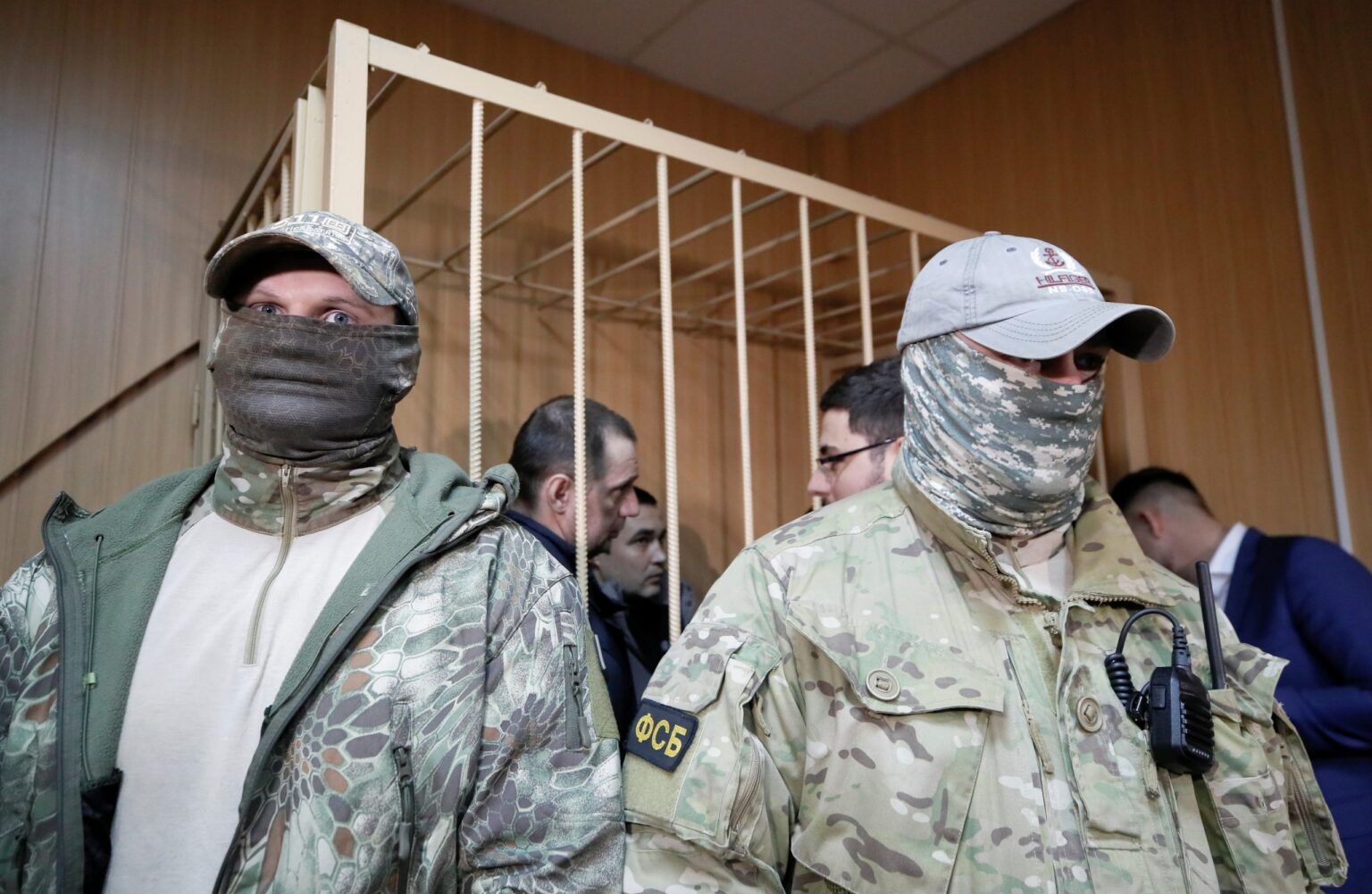
The Russia Ukraine War entered a tense new chapter after a bomb attack inside Russia killed a senior military general, prompting an urgent investigation and intensifying global attention. Russian authorities confirmed the explosion was deliberate and targeted, sparking immediate questions about how the attack was planned and whether it involved external coordination. The killing has heightened fears that the conflict is expanding beyond traditional battlefields into covert and psychological warfare.
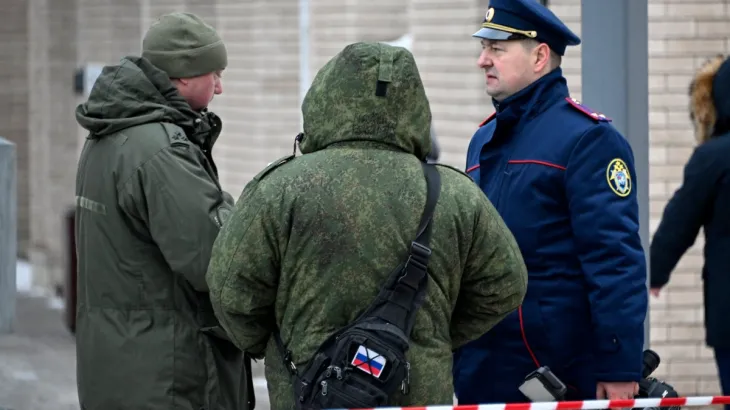
The incident unfolded rapidly, with emergency services sealing off the area and investigators launching a sweeping review of surveillance footage, communications data, and possible accomplices. For Moscow, the attack represents a serious breach of internal security and a direct challenge to military leadership during a highly sensitive phase of the conflict.
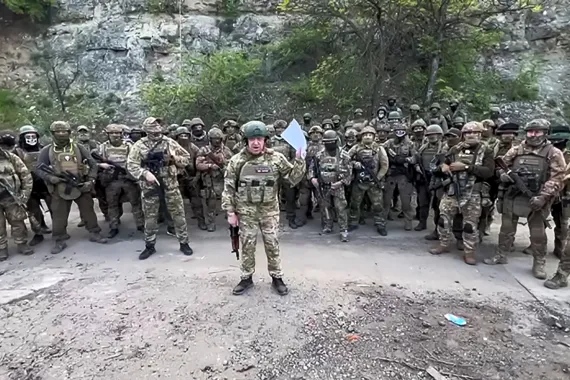
Targeted Attack on Senior Military Leadership
Officials stated that the general held a strategic role within Russia’s military structure, making the bombing especially significant. The device was reportedly sophisticated, suggesting careful preparation and access to intelligence about the victim’s movements. Such precision has intensified scrutiny over how attackers were able to operate undetected.
Within the broader Russia Ukraine War, attacks on high ranking figures carry symbolic and operational consequences. They disrupt command continuity, strain morale, and force immediate reassessment of protective measures for senior officials. Security around military residences and government facilities has since been tightened nationwide.
Moscow Expands the Investigation
Russian investigators have confirmed that multiple scenarios are under review, including the possibility of assistance from networks operating inside the country. While no definitive conclusions have been announced, officials acknowledged that a potential Kyiv link is being examined as part of the inquiry.
From Moscow’s viewpoint, the Russia Ukraine War has increasingly involved sabotage, intelligence operations, and targeted strikes aimed at destabilization. Authorities argue that such actions are designed to apply pressure away from the front lines and undermine confidence in national security.
Kyiv Maintains Strategic Ambiguity
Ukrainian officials have responded cautiously, offering no confirmation or denial regarding the bombing. Statements from Kyiv emphasize that allegations must be supported by verifiable evidence and reiterate Ukraine’s focus on defending its sovereignty.
In modern conflicts, silence can be deliberate. Within the context of the Russia Ukraine War, strategic ambiguity allows room for diplomatic maneuvering while keeping adversaries uncertain. International partners are watching closely, aware that perceptions alone can influence diplomatic and military support.
Military and Security Consequences
The loss of a senior general requires swift internal adjustments. Command duties must be reassigned, and operational plans reviewed for vulnerabilities. Analysts note that leadership disruptions can slow decision making temporarily, though they may also lead to more aggressive postures.
Security experts highlight that the Russia Ukraine War is increasingly shaped by asymmetric tactics. Protecting high value individuals now demands extensive intelligence coordination, layered physical security, and constant threat assessment. Russia’s security services are expected to implement additional measures in response to the attack.
Domestic Political Impact in Russia
Inside Russia, the bombing has intensified calls for stricter security laws and expanded counterterrorism powers. Political figures argue that extraordinary threats justify extraordinary responses, particularly during wartime conditions.
Public reaction reflects a mix of anger, concern, and unease. State media coverage frames the incident as part of the ongoing Russia Ukraine War, emphasizing resilience and national unity. At the same time, some citizens express worry about the conflict encroaching further into civilian life.
International Reaction and Global Stakes
The killing has drawn attention from governments worldwide. Western officials urged restraint and stressed the importance of credible investigations to avoid miscalculation. Diplomatic channels remain active as leaders seek to prevent further escalation.
Global markets responded cautiously, with investors monitoring developments that could affect energy supplies or sanctions policy. The Russia Ukraine War continues to demonstrate how regional events can carry worldwide economic and security implications.
The Rise of Covert Conflict
This bombing underscores the expanding role of covert operations in contemporary warfare. Intelligence agencies, cyber capabilities, and clandestine networks now operate alongside conventional forces. The attack illustrates how the Russia Ukraine War has blurred the line between battlefield engagement and homeland security.
Experts warn that normalization of targeted killings could lead to cycles of retaliation, increasing the risk of rapid escalation. Managing these dynamics presents a growing challenge for all sides involved.
What Happens Next
As the investigation continues, Moscow faces critical choices about its response. Options range from focusing on internal security reforms to pursuing retaliatory measures. Each carries potential consequences for regional stability and international relations.
For observers following the Russia Ukraine War, this incident may prove to be a turning point. Whether it leads to intensified confrontation or recalibrated strategies will depend on decisions made in the coming days.
The bombing that killed a senior Russian general has added a volatile dimension to an already complex conflict. With Moscow probing a possible Kyiv link, tensions remain elevated and uncertainty dominates the outlook. The Russia Ukraine War now encompasses not only front line battles but also covert actions, political pressure, and global concern.
As facts emerge and responses unfold, the world watches closely. How this incident is handled may shape the next phase of the conflict and influence broader discussions about modern warfare and international security.