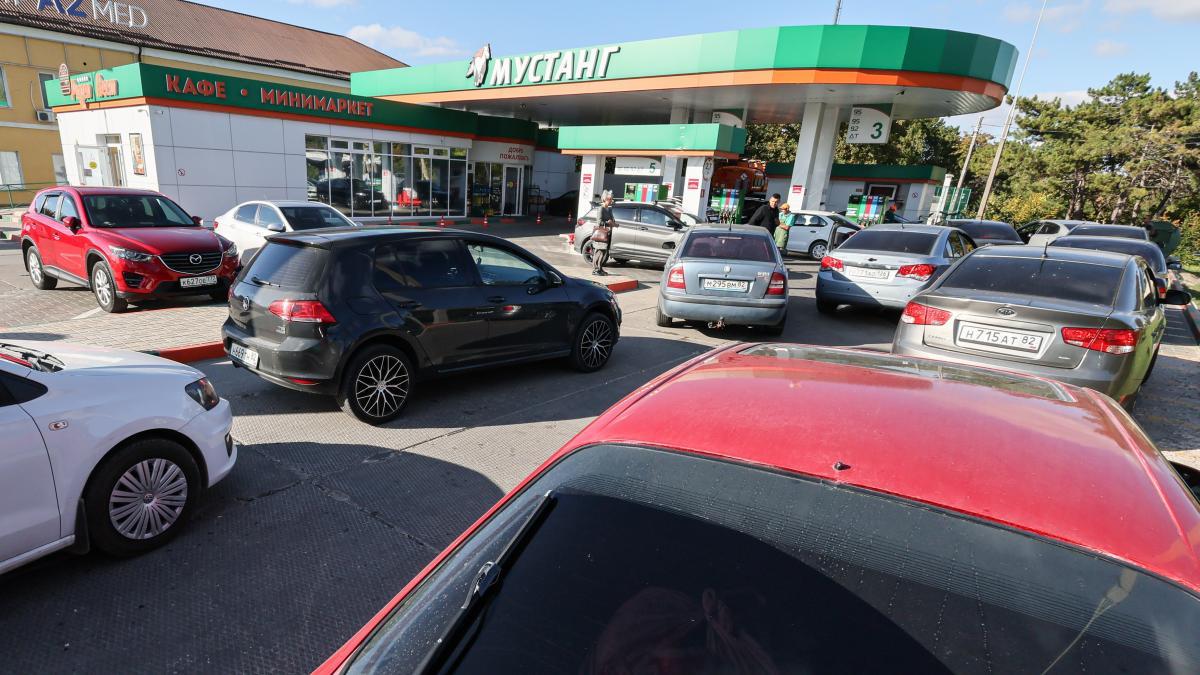
Kyiv/Crimea, June 21 – Brussels Morning Newspaper — Russia Ukraine conflict remained in sharp focus after overnight strikes reportedly killed five people and prompted authorities in Crimea to suspend public fuel sales as emergency services responded to infrastructure damage. Officials said the temporary measure is intended to preserve fuel supplies for emergency responders, medical services, and critical infrastructure while assessments continue following the latest attacks. The developments highlight the ongoing humanitarian and logistical challenges facing both sides as the conflict continues.
Authorities confirmed that emergency teams were deployed to multiple locations where explosions damaged buildings and transportation infrastructure. Rescue crews worked through the night searching affected areas, while hospitals treated several injured civilians. Officials cautioned that casualty figures could change as recovery operations continue.
Regional administrators announced that fuel sales to the general public would be temporarily suspended across parts of Crimea. They said fuel would remain available for ambulances, fire services, law enforcement, utility crews, and other essential operations. Officials also urged residents to avoid panic buying, noting that the restrictions are designed to stabilize supplies rather than signal a shortage.
“Protecting critical infrastructure and ensuring emergency services remain operational is our immediate priority,”
a regional official said during a public briefing.
Transportation networks experienced temporary disruptions following reports of damage near key logistics routes. Some roads were closed while emergency personnel cleared debris and engineers inspected bridges, rail infrastructure, and utility systems. Local authorities advised residents to limit unnecessary travel until safety inspections were completed.
Military analysts said the latest Russia Ukraine conflict developments reflect the continuing effort by both sides to target logistics and infrastructure supporting military operations. While strategic objectives remain central, attacks on transportation and energy facilities often produce wider consequences for civilians by disrupting daily life, fuel availability, and commercial activity.
International observers continue monitoring the situation closely. Governments have renewed calls for the protection of civilians and essential infrastructure while emphasizing the importance of humanitarian access in affected areas. Diplomatic efforts aimed at reducing tensions remain ongoing, although no immediate breakthrough has been announced.
Energy analysts noted that temporary fuel restrictions are often implemented during periods of heightened military activity to ensure uninterrupted support for emergency services. Such measures are generally reviewed as supply chains stabilize and infrastructure inspections are completed.
The latest Russia Ukraine conflict developments underscore how the war continues to affect both military operations and civilian life. With emergency crews still assessing damage and authorities reviewing fuel distribution daily, the situation remains fluid. Officials have encouraged residents to rely on verified government updates while recovery efforts continue, as international attention remains focused on the evolving security landscape.