United Kingdom, 28 November – Brussels Morning Newspaper – The RAF Lakenheath drone incident has raised fresh security concerns after US military forces reportedly used counter-drone technology to repel approximately six unidentified drones over a British airbase hosting American military personnel.
- What Happened at RAF Lakenheath on 13 November?
- British Authorities Confirm Joint Security Response
- Why RAF Lakenheath Is Strategically Important
- Iran Suspicions Remain Unconfirmed
- RAF Fairford and Mildenhall Add to Security Concerns
- Britain Faces Growing Pressure to Strengthen Military Base Security
- What Happens Next?
The incident took place on 13 November at RAF Lakenheath in Suffolk, eastern England, according to a report published by the Financial Times on 28 November. The newspaper, citing people familiar with the matter, reported that US forces successfully deployed counter-drone equipment against the unmanned aircraft.
However, neither British nor American personnel recovered the drones, leaving authorities without direct evidence of their origin, equipment or potential purpose. Iran was reportedly suspected of having a possible connection to the incident, although no publicly established evidence has confirmed that allegation.
The development comes amid heightened security concerns surrounding American military installations in Britain, following several incidents involving suspected threats and unauthorised activity at bases used by US forces.
What Happened at RAF Lakenheath on 13 November?
The RAF Lakenheath drone incident initially became public through reports of suspected unauthorised drone activity and a security response at the American-operated installation.
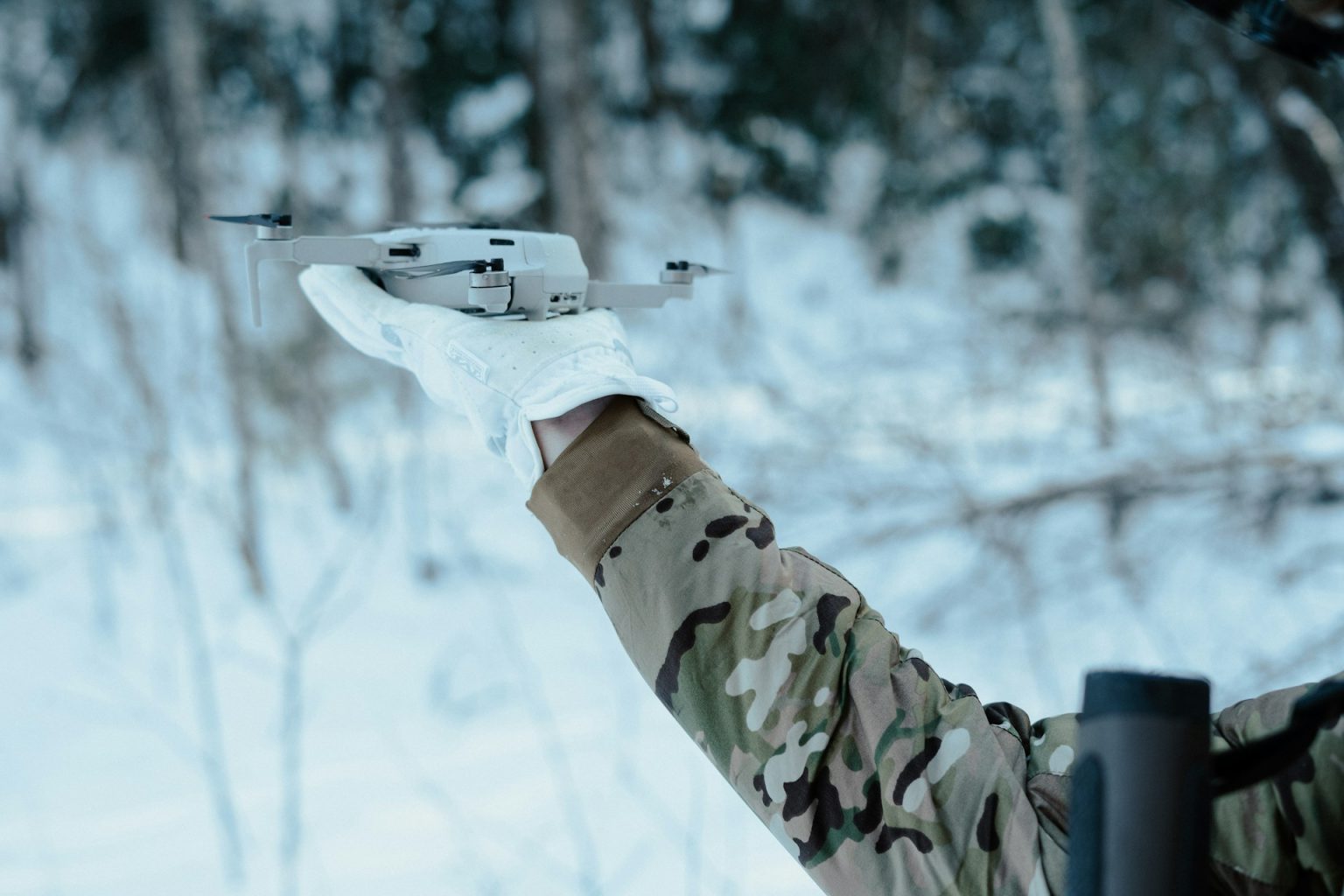
According to the Financial Times report, approximately six unmanned aircraft were seen around the base. US forces reportedly activated counter-drone technology, successfully forcing the aircraft away from the installation.
The reported interception is significant because the drones were not subsequently recovered. Without access to the aircraft, investigators have limited opportunities to examine their construction, navigation systems, communications equipment or possible surveillance capabilities.
Reuters reported the Financial Times findings on Saturday, noting that it could not independently verify the account of the reported interception.
The distinction between the original official confirmation and the subsequent reporting is important. The US Air Force confirmed that security personnel responded to suspected drone activity, but its initial public statement did not confirm that six drones had been intercepted or explain the technology used.
The RAF Lakenheath drone incident therefore remains subject to questions about the aircraft’s operators, objectives and origin.
British Authorities Confirm Joint Security Response
Britain’s Ministry of Defence confirmed that security personnel from several agencies responded to the incident.
A ministry spokesperson told Reuters:
“Ministry of Defence Police and Suffolk Police worked closely with USAF Security Forces to respond to reports of unauthorised drone activity at RAF Lakenheath on 13 November and the situation was quickly resolved, with RAF Lakenheath returning to normal security and force protection measures.”
The statement confirmed cooperation between British police and American military security personnel but did not disclose the identities of those responsible.
The US Air Force had previously confirmed that its security forces responded to suspected unauthorised drone activity.
In its statement, the service said:
“No personnel, aircraft or infrastructure were affected.”
It also stressed its commitment to working with British counterparts to protect American service members, civilians, contractors and their families.
The RAF Lakenheath drone incident did not result in publicly reported damage or injuries, and authorities said normal security arrangements had been restored.
The White House and Pentagon had not immediately responded to Reuters’ requests for comment on the latest Financial Times report.
Why RAF Lakenheath Is Strategically Important
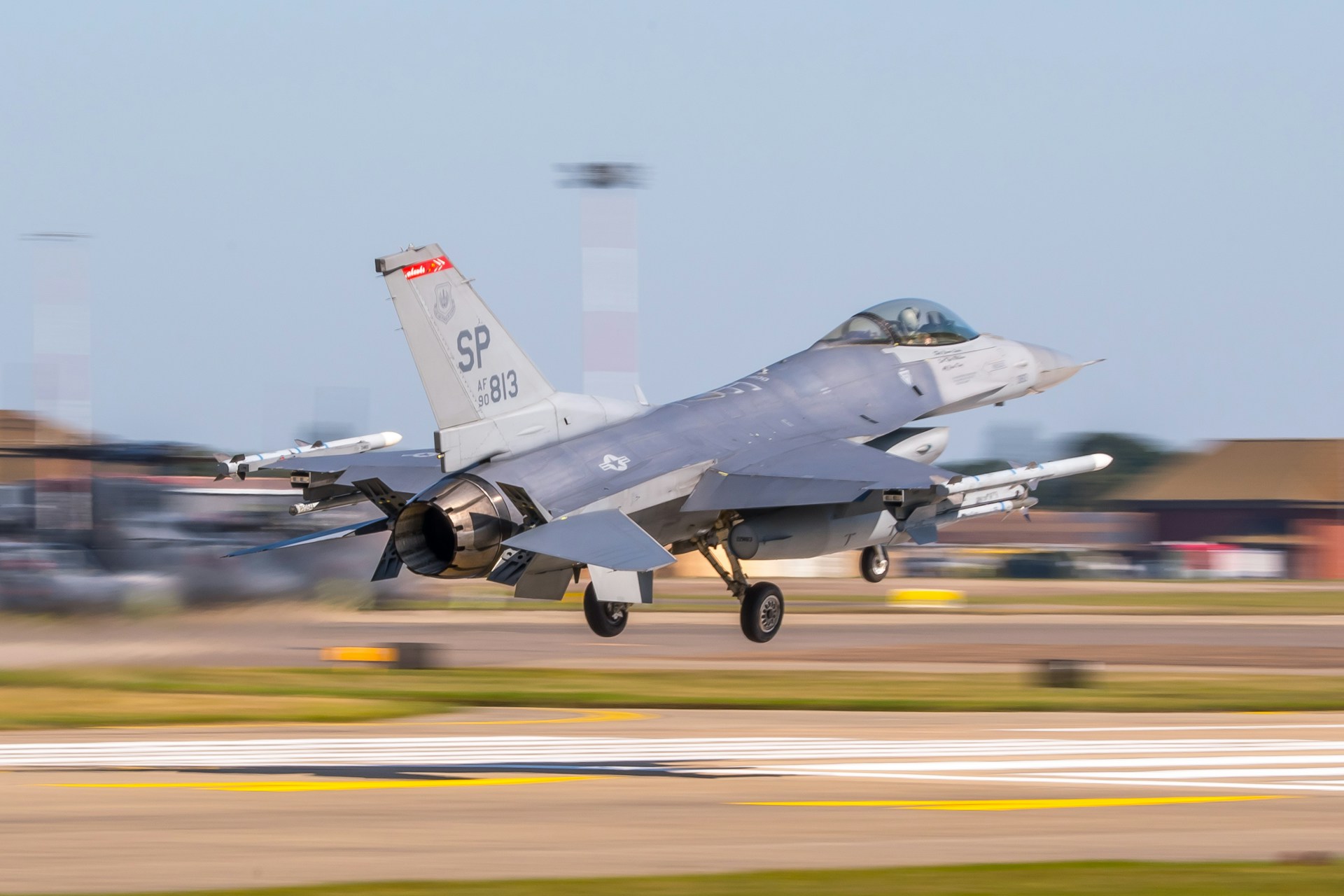
RAF Lakenheath is one of the most strategically important American military installations in the United Kingdom.
Located in Suffolk, eastern England, the base hosts the US Air Force’s 48th Fighter Wing and supports American air operations in Europe.
The installation accommodates thousands of military personnel and associated staff. Its facilities support fighter aircraft operations, training, maintenance and wider military activities.
Its location in Britain also makes it an important part of the security relationship between Washington and London.
The RAF Lakenheath drone incident has therefore attracted attention beyond the immediate security response because an unidentified aircraft operating over such an installation could potentially threaten sensitive military operations.
Drones can be used for several purposes, including aerial observation, intelligence gathering, reconnaissance and, in some circumstances, attacks against infrastructure.
However, there is currently no publicly established evidence that the aircraft involved in this incident were armed or carrying surveillance equipment.
The failure to recover the drones means investigators have not publicly established their technical characteristics or operational purpose.
Iran Suspicions Remain Unconfirmed
One of the most sensitive aspects of the RAF Lakenheath drone incident concerns suspected Iranian involvement.
The Financial Times reported that Iran was suspected of having a connection to the episode, citing people familiar with the matter.
However, this remains an unverified suspicion rather than an established finding by British or American investigators.
No publicly available evidence has demonstrated that the Iranian government, its military or an affiliated organisation operated the drones.
The distinction matters because attributing responsibility for an incident involving military infrastructure can have significant diplomatic and security consequences.
Iran has previously rejected accusations linking it to hostile activities in Britain, including allegations involving suspected plots against dissidents and Israeli and Jewish targets.
The latest drone reports also come against a wider backdrop of tensions involving the United States, Iran and European security interests.
For now, the available information does not establish whether the aircraft were operated by a state, a non-state organisation or independent individuals.
The RAF Lakenheath drone incident should therefore be understood as a security event under investigation, not proof of an Iranian operation.
RAF Fairford and Mildenhall Add to Security Concerns
The latest incident follows other security developments involving American military installations in Britain.
In September, RAF Fairford in Gloucestershire became the focus of security concerns after a suspected threat linked to Iran prompted the removal of American B-1 bombers, according to remarks subsequently made by US President Donald Trump.
Iran has rejected accusations of involvement in the Fairford episode.
RAF Mildenhall, another American-operated installation in Suffolk, also experienced heightened security concerns in November.
More than a dozen aircraft were moved from the base following a reported security threat. US officials described the relocation as a precautionary measure rather than a response to an attack.
The RAF Lakenheath drone incident adds another development to this sequence of events, increasing attention on the security arrangements protecting US military facilities across the UK.
The incidents are not necessarily connected, and there is no publicly established evidence demonstrating that they were coordinated.
Nevertheless, their timing has increased scrutiny of the protection of military aircraft, personnel and sensitive infrastructure.
Britain Faces Growing Pressure to Strengthen Military Base Security
The incidents have highlighted the importance of counter-drone capabilities in protecting military installations.
The Financial Times reported that Britain is spending £470 million on improving security at military sites, including investment in surveillance and counter-drone measures.
Additional protective arrangements are also being considered, including moving aircraft into hangars overnight and potentially installing protective netting.
Such measures reflect the growing difficulty of detecting and responding to relatively small unmanned aircraft.
Traditional military security systems were largely designed to protect installations against conventional threats. Small drones introduce different challenges because they can be inexpensive, difficult to identify and capable of operating close to sensitive facilities.
The RAF Lakenheath drone incident illustrates why military planners increasingly need integrated surveillance, electronic countermeasures and rapid-response capabilities.
For the United Kingdom, protecting American-operated bases is also part of its wider defence relationship with Washington and its commitments to NATO security.
The issue has implications for other European countries as well. Recent drone sightings near military installations and critical infrastructure have prompted governments across the continent to reconsider their airspace protection arrangements.
Brussels Morning has previously reported on British assistance to Belgium following drone incursions and the wider European response to unidentified aerial activity.
What Happens Next?
British and American authorities have not publicly identified the operators of the drones or established their intended purpose.
The absence of recovered aircraft makes the investigation more difficult, particularly when determining whether the devices were designed for surveillance, reconnaissance or another activity.
Further information from the UK Ministry of Defence and US military authorities could help clarify how the aircraft were detected, what counter-drone equipment was deployed and whether investigators have identified any possible links to other security incidents.
For NATO allies, the episode reinforces the need for close intelligence-sharing and coordinated protection of military infrastructure.
The RAF Lakenheath drone incident has ended without publicly reported damage, but important questions remain unanswered. Establishing who operated the drones and whether the incident was part of a wider security threat will be central to determining its significance.