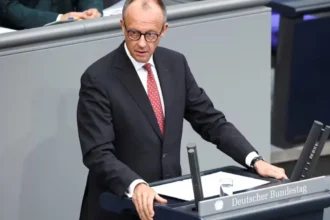
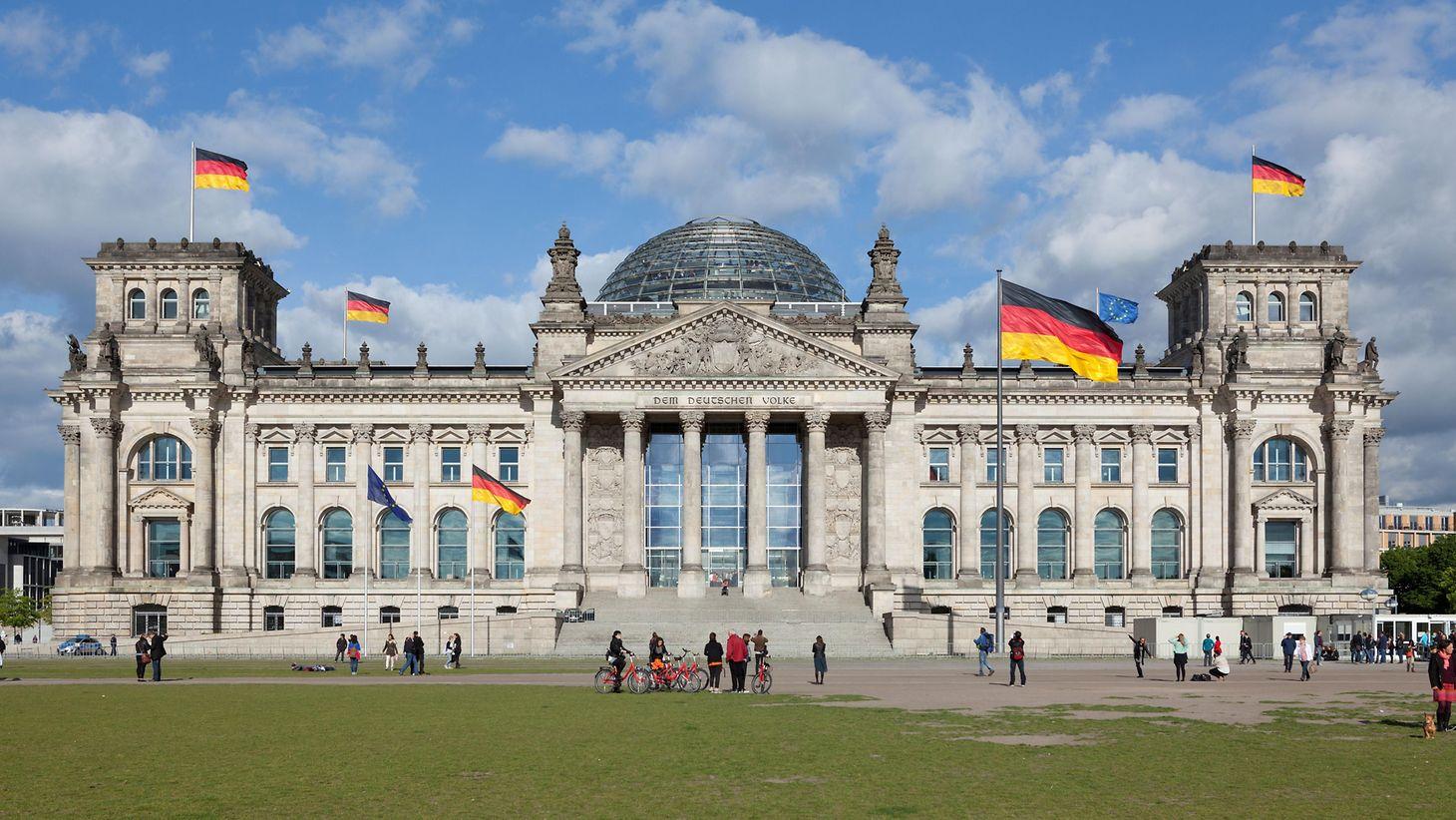
Berlin, Germany, 28 November – Brussels Morning Newspaper – Germany’s 2027 budget will authorise nearly €556 billion in federal spending after the Bundestag approved the government’s financial plan on 27 November, giving defence and infrastructure investment a substantial boost as Europe’s largest economy responds to growing security and economic challenges.
- Germany 2027 budget: What the Bundestag approved
- Defence spending rises to €109.7 billion
- Infrastructure investment receives additional funding
- Germany plans €210.4 billion in new borrowing
- What Germany’s budget means for Europe and NATO
- Political and economic challenges remain
- Implementation becomes the next priority
The Bundestag approved expenditure of €555.94 billion for 2027, representing an increase of €31.4 billion compared with 2026. The final vote was 316 in favour and 260 against, with no abstentions, according to the German parliament.
The Germany 2027 budget includes a significant expansion of military funding, alongside additional resources for transport infrastructure and other public investment. However, the spending increase will also require substantial borrowing, raising questions about Germany’s long-term financial commitments.
The decision comes as European governments seek to strengthen their defence capabilities following Russia’s full-scale invasion of Ukraine and growing concerns about the continent’s security.
Germany 2027 budget: What the Bundestag approved
The approved spending plan represents one of Germany’s largest federal budgets.
Federal expenditure will increase from €524.5 billion in 2026 to €555.94 billion in 2027, an increase of approximately 6%.
The parliamentary approval followed months of negotiations between Chancellor Friedrich Merz’s governing coalition, comprising the Christian Democratic Union (CDU), its Bavarian sister party, the Christian Social Union (CSU), and the Social Democratic Party (SPD).
The final budget passed despite opposition from the Alternative for Germany (AfD), the Greens and the Left Party.
The government intends to use the additional financial resources to address several priorities, including military modernisation, infrastructure improvements and economic resilience.
The spending plan also includes special funds designed to finance investment and defence programmes beyond the regular federal budget.
Defence spending rises to €109.7 billion
Defence is one of the biggest beneficiaries of the Germany 2027 budget.
The regular allocation for the Federal Ministry of Defence will increase to approximately €109.7 billion, compared with €82.7 billion in 2026.
That represents an increase of around €27 billion in a single year.
A further €29.6 billion is allocated through the Bundeswehr special fund, bringing the combined funding through these two channels to approximately €139.3 billion.
The broader defence and security expenditure figure, including support for Ukraine and other security-related commitments, is projected to reach approximately €150.9 billion, according to Reuters.
Military procurement will receive particular attention, with approximately €55.8 billion allocated for equipment purchases within the regular defence budget.
The additional resources are intended to support military modernisation, strengthen operational readiness and address equipment shortages within the German armed forces.
Germany’s increased military investment follows a major shift in its security policy since February 2022, when Russia launched its full-scale invasion of Ukraine.
Berlin has subsequently committed to taking greater responsibility for European security and strengthening its contribution to NATO.
Infrastructure investment receives additional funding
Beyond military expenditure, infrastructure modernisation remains an important priority.
The Germany 2027 budget provides approximately €61.85 billion for investment, compared with €58.35 billion in 2026.
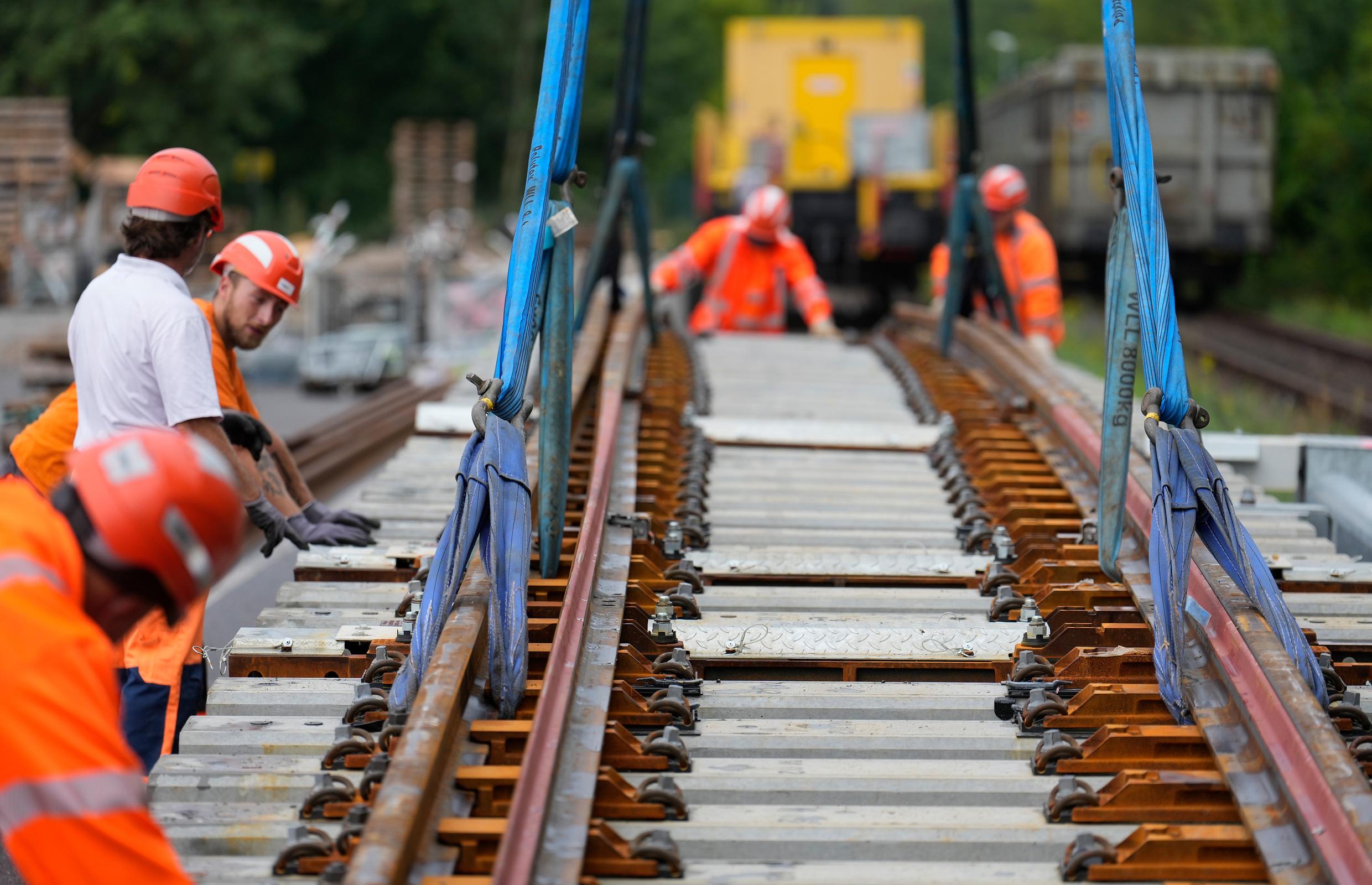
The additional funding is expected to support improvements to transport infrastructure and other areas requiring long-term investment.
Germany has faced persistent concerns about ageing railway infrastructure, transport networks and insufficient public investment.
The government is seeking to address these weaknesses while improving the country’s economic competitiveness.
The special fund for infrastructure and climate neutrality will also contribute to investment programmes.
The approach reflects the government’s intention to combine security-related expenditure with measures aimed at strengthening Germany’s economic foundations.
Germany plans €210.4 billion in new borrowing
The scale of the spending programme comes with considerable financial obligations.
Germany expects total new borrowing to reach approximately €210.4 billion in 2027, making it the second-highest annual borrowing level in the country’s history.
Only the exceptional borrowing undertaken during the COVID-19 pandemic in 2021 was higher.
The projected borrowing includes:
- €123 billion: Core federal budget borrowing.
- €57.8 billion: Infrastructure and climate-neutrality special fund.
- €29.6 billion: Bundeswehr special fund.
The government is using special funding arrangements and constitutional provisions that provide additional borrowing flexibility for defence and infrastructure expenditure.
However, higher borrowing will increase the government’s future debt-servicing obligations.
Interest payments on the core federal budget are projected to reach approximately €41.4 billion in 2027. Reuters reports that the figure could rise to around €81 billion annually by 2030.
These projections highlight the financial challenge facing the government as it attempts to balance military requirements, public investment and fiscal sustainability.
What Germany’s budget means for Europe and NATO
The Germany 2027 budget has implications extending well beyond national economic policy.
As the European Union’s largest economy, Germany plays a central role in the continent’s defence industry, economic performance and security arrangements.
The substantial increase in military spending could strengthen NATO’s European capabilities and support efforts to expand domestic defence production.
Additional procurement spending could also benefit European manufacturers involved in military vehicles, ammunition, aircraft systems and air defence equipment.
For EU partners, Germany’s investment decisions are particularly important as governments seek to reduce capability gaps and improve coordination between national armed forces.
The increase also reinforces Germany’s position as one of the principal contributors to Europe’s evolving defence strategy.
Nevertheless, higher allocations alone will not guarantee immediate improvements in military readiness. Equipment procurement, manufacturing capacity, recruitment and delivery schedules will determine how effectively the additional resources translate into operational capabilities.
Political and economic challenges remain
The passage of the Germany 2027 budget represents an important legislative achievement for Merz’s governing coalition, but the financial challenges are far from over.
Opposition parties have rejected the spending plan, while the scale of borrowing and the government’s long-term financial commitments remain important political issues.
The government must demonstrate that the additional expenditure produces tangible improvements rather than simply increasing public debt.
There are also wider economic considerations. Higher interest payments could limit the government’s flexibility in future budgets, particularly if economic growth or tax revenues fall short of expectations.
The financial outlook will therefore remain an important test of the government’s ability to combine security investment with responsible fiscal management.
Implementation becomes the next priority
With parliamentary approval secured, attention will now turn to implementing the spending plan throughout 2027.
Defence procurement, infrastructure projects and the distribution of funding through special investment programmes will determine how quickly the additional resources produce results.
For European governments, Germany’s spending increase represents a significant development in the continent’s broader security and economic strategy.
The challenge for Berlin will be to turn its record spending commitments into stronger military capabilities, modern infrastructure and sustainable economic growth while managing the long-term consequences of increased borrowing.