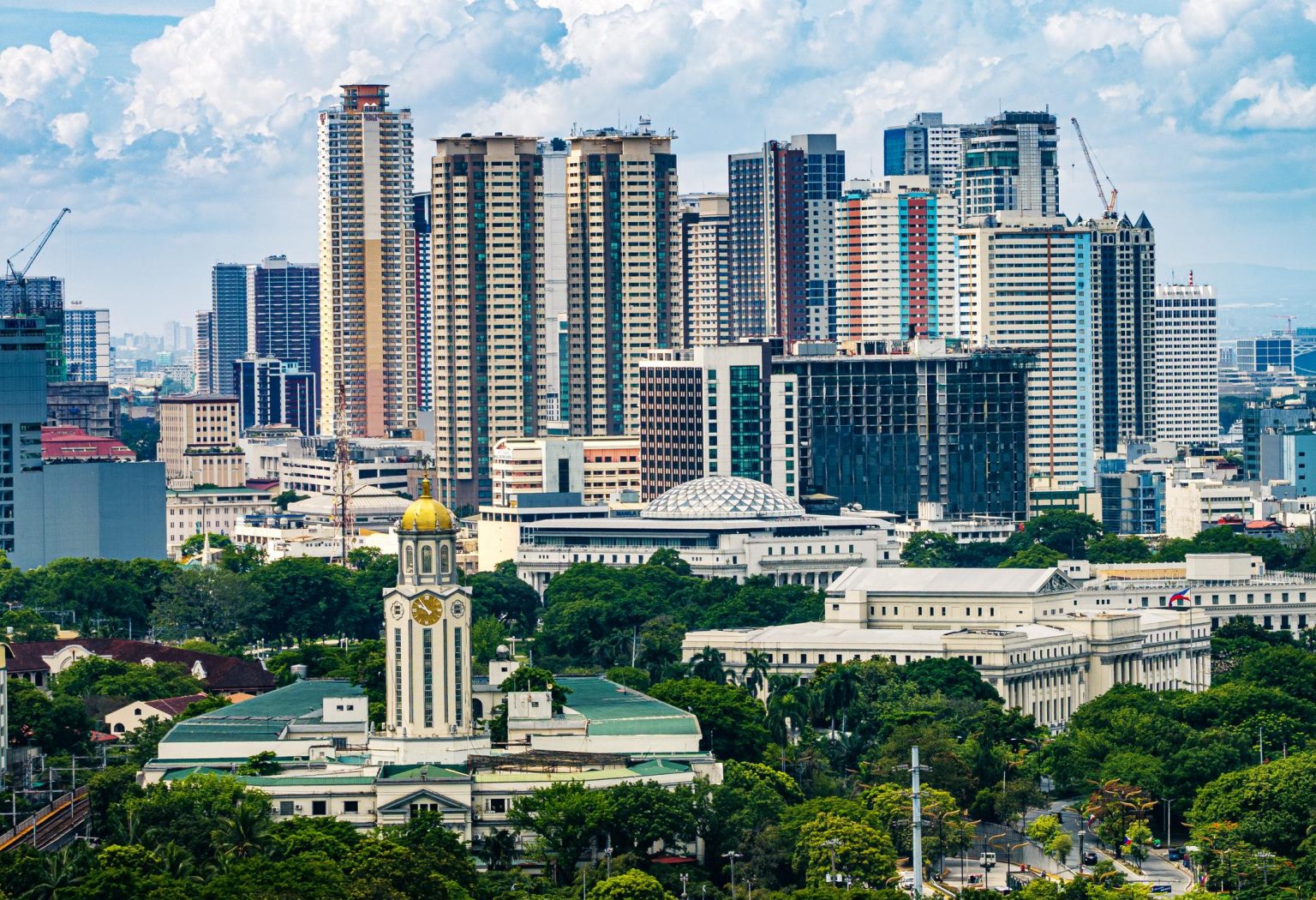
Manila, Philippines – April 29, 2026 — Brussels Morning Newspaper – Philippines political crisis today has intensified following a major development in Congress, where a panel has found probable cause to proceed with impeachment proceedings against the country’s vice president. The decision marks a pivotal moment in Philippine politics, placing the nation at the center of growing political uncertainty and heightened public scrutiny.
- Congressional Panel Confirms Grounds for Impeachment
- Understanding the Impeachment Process
- Political Divisions Widen Across the Country
- Impact on Governance and National Stability
- Public Sentiment and Media Coverage
- International Community Watches Closely
- Possible Outcomes of the Crisis
- A Defining Moment in Philippine Politics
- Philippines Political Crisis Today: Key Takeaways and What Comes Next
The announcement has triggered widespread reactions across political circles, with lawmakers now preparing for a decisive vote that could determine whether the impeachment case moves forward to a full Senate trial.
Congressional Panel Confirms Grounds for Impeachment
The panel assigned to investigate the allegations concluded that sufficient evidence exists to justify further proceedings. While specific details remain partially undisclosed, officials indicated that the findings are based on extensive reviews, hearings, and submitted documentation.
Lawmakers emphasized that the determination of probable cause is not a declaration of guilt, but rather a procedural step required under constitutional guidelines.
“This is a critical step in ensuring accountability. The process must be allowed to move forward based on the evidence,”
one legislator stated.
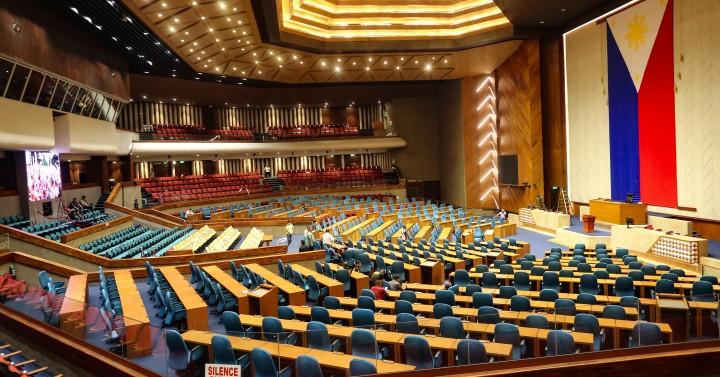
The outcome now rests in the hands of Congress, which is expected to conduct a formal vote in the coming days.
Understanding the Impeachment Process
The Philippines political crisis today revolves around a constitutional process designed to hold top officials accountable. If Congress votes to advance the case, the matter will proceed to the Senate for a formal trial.
During the trial phase, both prosecution and defense will present arguments, evidence, and witnesses. A conviction would require a significant majority vote and could lead to removal from office.
Legal experts note that impeachment is one of the most serious mechanisms in democratic governance, reserved for cases involving alleged misconduct at the highest levels.
Political Divisions Widen Across the Country
The current situation has deepened divisions among political factions. Supporters of the vice president argue that the impeachment effort is politically driven, while critics insist it is necessary to maintain transparency and accountability.
Public demonstrations and debates have emerged in Manila and other regions, reflecting the intensity of national interest.
Government officials have urged restraint, stressing that democratic institutions are functioning as intended.
“Institutions are designed to address these challenges. The focus should remain on due process,”
a spokesperson said.
Impact on Governance and National Stability
The Philippines political crisis today has raised concerns about its potential impact on governance. Legislative priorities may face delays as political attention shifts toward the impeachment proceedings.
Business leaders and economic analysts are also monitoring the situation closely, noting that prolonged political uncertainty can affect investor confidence and economic planning.
However, some observers believe that the process itself demonstrates institutional strength.
“Accountability processes, while disruptive in the short term, can reinforce long-term stability,”
an analyst explained.
Public Sentiment and Media Coverage
Public opinion remains divided, with strong reactions from both supporters and critics of the impeachment process. Social media platforms have amplified the debate, with discussions ranging from legal interpretations to political motivations.
Media coverage has focused on factual developments, highlighting the importance of transparency during a period of heightened tension.
Experts warn that misinformation could complicate public understanding, urging reliance on verified reporting.
International Community Watches Closely
The Philippines political crisis today has attracted attention beyond national borders. Regional and global observers are monitoring developments for their potential implications on diplomatic relations and regional stability.
While foreign governments have largely refrained from direct commentary, analysts suggest that the handling of the impeachment process could influence the country’s international standing.
The Philippines’ adherence to constitutional procedures is seen as a key factor in maintaining global confidence.
Possible Outcomes of the Crisis
Several potential scenarios could unfold in the coming weeks:
- Congress may reject the impeachment, ending the process.
- The case may proceed to a Senate trial, leading to either acquittal or removal.
- Political negotiations could alter the course of proceedings.
Each outcome carries significant implications for the country’s leadership and political direction.
A Defining Moment in Philippine Politics
The unfolding events represent a defining moment for the nation. The Philippines political crisis today highlights the challenges of balancing political accountability with institutional stability.
As lawmakers prepare for the crucial vote, the nation remains focused on the outcome and its broader implications.
“The strength of our democracy lies in how we navigate moments like this,”
a political observer noted.

The Philippines political crisis today has escalated as Congress prepares to vote on the impeachment of the vice president following a probable cause finding. The decision could lead to a Senate trial and significantly impact the country’s political future. With rising tensions, divided public opinion, and global attention, the coming days are expected to shape the direction of Philippine governance and democratic accountability.