
Brussels Morning Newspaper policy briefings across European institutions increasingly return to the same unresolved issue the future of the Palestinian territories. Diplomats analysts and humanitarian organizations now speak less about short term political crises and more about long term structural changes unfolding on the ground. These changes are not defined by a single agreement or declaration but by incremental decisions that collectively reshape geography governance and daily life.
The Palestinian territories, encompassing the West Bank including East Jerusalem and the Gaza Strip, remain at the center of one of the world’s most enduring geopolitical disputes. While global attention often shifts between flare ups of violence and diplomatic statements the physical and administrative realities continue to evolve steadily. Understanding what is changing and how requires looking beyond headlines and examining policy mechanisms infrastructure development and legal frameworks.
Defining the Palestinian Territories
The term Palestinian territories generally refers to areas captured by Israel during the 1967 conflict. These include the West Bank East Jerusalem and the Gaza Strip. International bodies largely regard these areas as occupied territory while Israel disputes aspects of that designation particularly regarding Jerusalem.
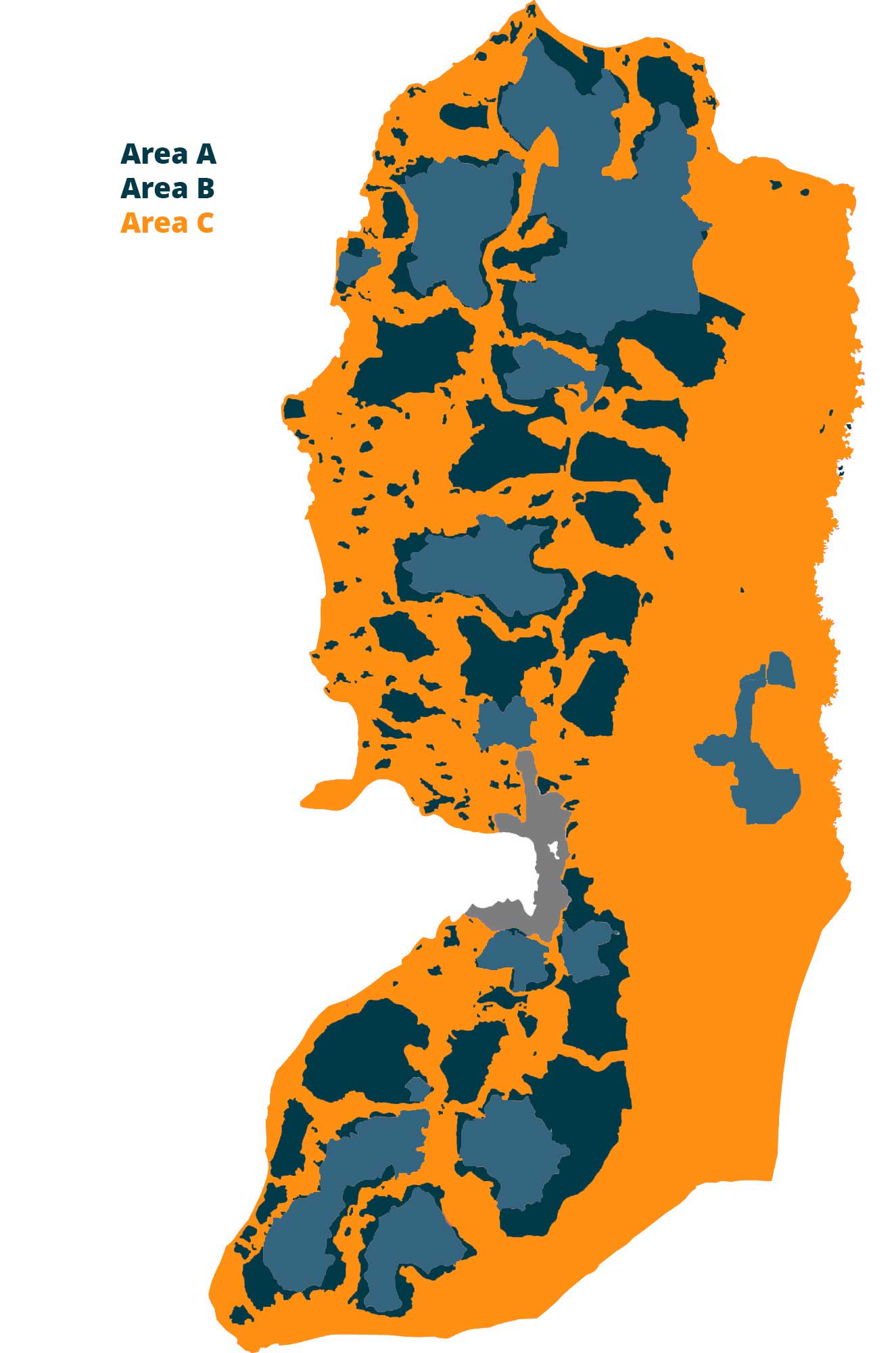
Despite decades of negotiations the final status of the Palestinian territories remains unresolved. Interim agreements divided the West Bank into administrative zones but did not establish permanent borders. This ambiguity has allowed space for evolving interpretations of authority land use and governance that continue to shape realities today.
Historical Foundations of the Current Landscape
Following 1967 Israel established military administration over the West Bank and Gaza. Over time a complex system of governance emerged involving military orders civil administration and limited Palestinian self rule under the Palestinian Authority.
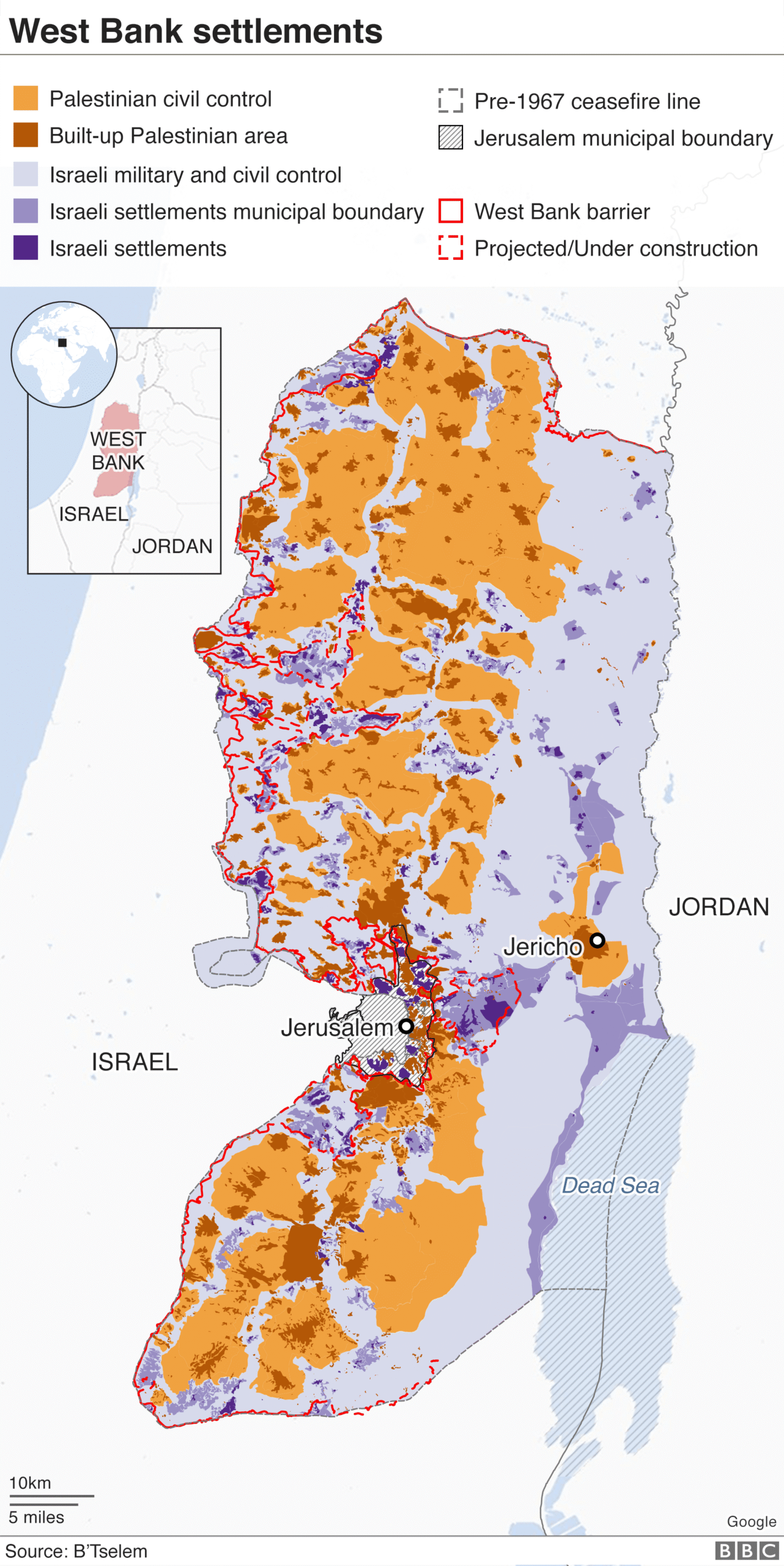
The Oslo Accords of the 1990s introduced a temporary framework dividing the West Bank into Areas A B and C. Area C which comprises the majority of the territory remained under full Israeli control. What was intended as an interim arrangement has persisted for decades significantly influencing development patterns within the Palestinian territories.
Settlement Expansion and Land Allocation
One of the most visible changes within the Palestinian territories is the continued expansion of Israeli settlements in the West Bank. These settlements range from large urban style communities to smaller outposts that later receive formal recognition.
Settlement growth affects land continuity agricultural access and population distribution. While individual projects may appear localized their cumulative effect alters regional geography. Over time settlement blocs create corridors that reshape movement patterns and fragment Palestinian population centers.
Infrastructure and Transportation Networks
Road construction plays a critical role in reshaping control within the Palestinian territories. Many newer roads are designed to connect settlements directly with Israel while bypassing Palestinian towns. These routes prioritize security efficiency and uninterrupted travel.
Such infrastructure effectively integrates parts of the West Bank into Israel’s domestic transportation system. Although borders remain officially undefined the functional reality on the ground increasingly reflects infrastructural alignment rather than diplomatic frameworks.
Administrative Zoning and Planning Authority
Planning and zoning policies significantly affect development within the Palestinian territories. In Area C Palestinian construction permits are rarely approved while settlement expansion proceeds through established planning channels.
Zoning decisions determine access to housing agriculture and industry. Restrictions on building often result in demolitions of unauthorized structures further constraining Palestinian communities. These administrative mechanisms quietly shape long term demographic and economic outcomes.
Security Measures and Spatial Control
Security considerations play a major role in shaping the Palestinian territories. Checkpoints restricted zones and the separation barrier are officially justified as protective measures. Their placement however has lasting spatial consequences.
The route of the separation barrier frequently extends beyond previously recognized boundaries incorporating settlement areas while isolating Palestinian communities. Access to farmland schools and medical facilities is often affected reinforcing patterns of fragmentation.
Legal Systems and Dual Governance
A defining feature of the Palestinian territories is the existence of multiple legal systems operating simultaneously. Israeli settlers are subject to Israeli civil law while Palestinians live under military law.
Court rulings military orders and administrative decisions collectively establish precedents that influence land use and residency rights. Over time these legal frameworks normalize structural disparities within the same geographic space.
Economic Impact on Palestinian Communities
Economic life within the Palestinian territories is deeply influenced by movement restrictions land access limitations and regulatory controls. Agriculture once a major economic driver faces challenges due to restricted access to fields and water resources.
Unemployment particularly among youth remains high. Limited industrial development and export constraints further restrict economic growth. These conditions contribute to dependency on external aid and reduce long term economic resilience.
The Gaza Strip A Distinct Reality
While often discussed alongside the West Bank the Gaza Strip presents a distinct case within the Palestinian territories. Since 2007 Gaza has been under blockade with severe restrictions on movement goods and reconstruction materials.
The humanitarian situation in Gaza remains acute with infrastructure damage limited electricity and high population density. Periodic conflicts exacerbate already fragile living conditions reinforcing Gaza’s isolation from broader regional dynamics.
East Jerusalem and Residency Challenges
East Jerusalem occupies a unique and highly sensitive position within the Palestinian territories. Israel considers the city its undivided capital while Palestinians view East Jerusalem as the capital of a future state.
Residency rights planning restrictions and property disputes significantly affect Palestinian residents. Loss of residency status demolitions and settlement expansion in and around the city reshape demographic balances and access to urban resources.
International Law and Diplomatic Responses
International law bodies including the United Nations continue to affirm that the Palestinian territories are occupied and that settlement activity violates international conventions. Despite repeated resolutions enforcement mechanisms remain limited.
Diplomatic responses range from formal condemnations to symbolic measures. The gap between stated positions and tangible action has allowed incremental changes to proceed with little interruption.
Media Coverage and Public Perception
Media narratives often focus on episodes of violence or high level political negotiations. Structural changes such as zoning decisions infrastructure projects and legal rulings receive less sustained attention.
This episodic coverage can obscure the gradual transformation occurring within the Palestinian territories. Long form analysis and data driven reporting are essential for understanding cumulative impact rather than isolated events.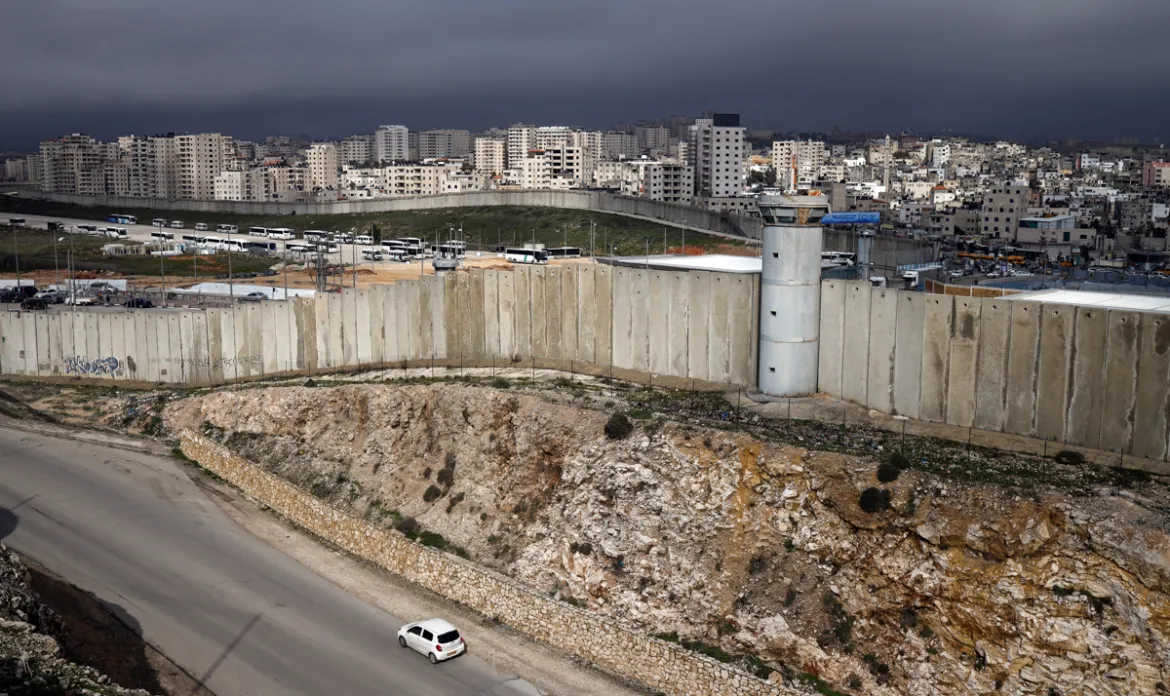
Long Term Political Implications
As physical and administrative changes accumulate future political solutions become more complex. Fragmented geography complicates territorial contiguity while legal and infrastructural integration challenges traditional negotiation models.
Some analysts argue that evolving realities may force a reassessment of long held assumptions about two state or alternative frameworks. The durability of current structures will significantly influence any future settlement.
Why the Palestinian Territories Matter Globally
The situation carries implications beyond regional politics. International legal norms sovereignty principles and conflict resolution frameworks are all tested by developments within the Palestinian territories.
How the international community responds sets precedents for other territorial disputes worldwide. The credibility of multilateral institutions and rule based order is closely linked to consistency in addressing prolonged conflicts.
Humanitarian Perspective and Civil Society
Human rights organizations continue to document conditions affecting civilians including access to water housing healthcare and education. Civil society groups both local and international play a role in advocacy monitoring and service provision.
Their reports provide granular insight into daily life across the Palestinian territories highlighting how policy decisions translate into lived experience.
Looking Ahead to an Uncertain Future
The future of the Palestinian territories remains deeply uncertain. Political leadership changes regional alliances and global priorities will shape the path forward. Yet the physical realities established today will influence options available tomorrow.
Understanding these dynamics requires sustained attention beyond moments of crisis. Structural change unfolds quietly but leaves lasting marks on geography society and opportunity.