
Islamabad, Pakistan, January — Pakistan Nipah virus preparedness measures have been significantly expanded as health authorities intensify surveillance, screening, and hospital readiness across the country. The move comes amid rising regional concern over the deadly virus, prompting officials to reinforce early detection systems to prevent any potential outbreak. Authorities stressed that the steps are precautionary, aimed at strengthening public health defenses before any confirmed domestic cases emerge.
Authorities Move Quickly to Strengthen Health Monitoring
Federal and provincial health departments have rolled out coordinated monitoring strategies across public and private healthcare facilities. Pakistan Nipah virus surveillance now includes updated reporting requirements for patients presenting with neurological symptoms, respiratory distress, or unexplained fever.
Officials say healthcare workers have been advised to maintain heightened alertness and report suspected cases immediately to centralized monitoring units.
Understanding the Nature of the Nipah Virus Threat
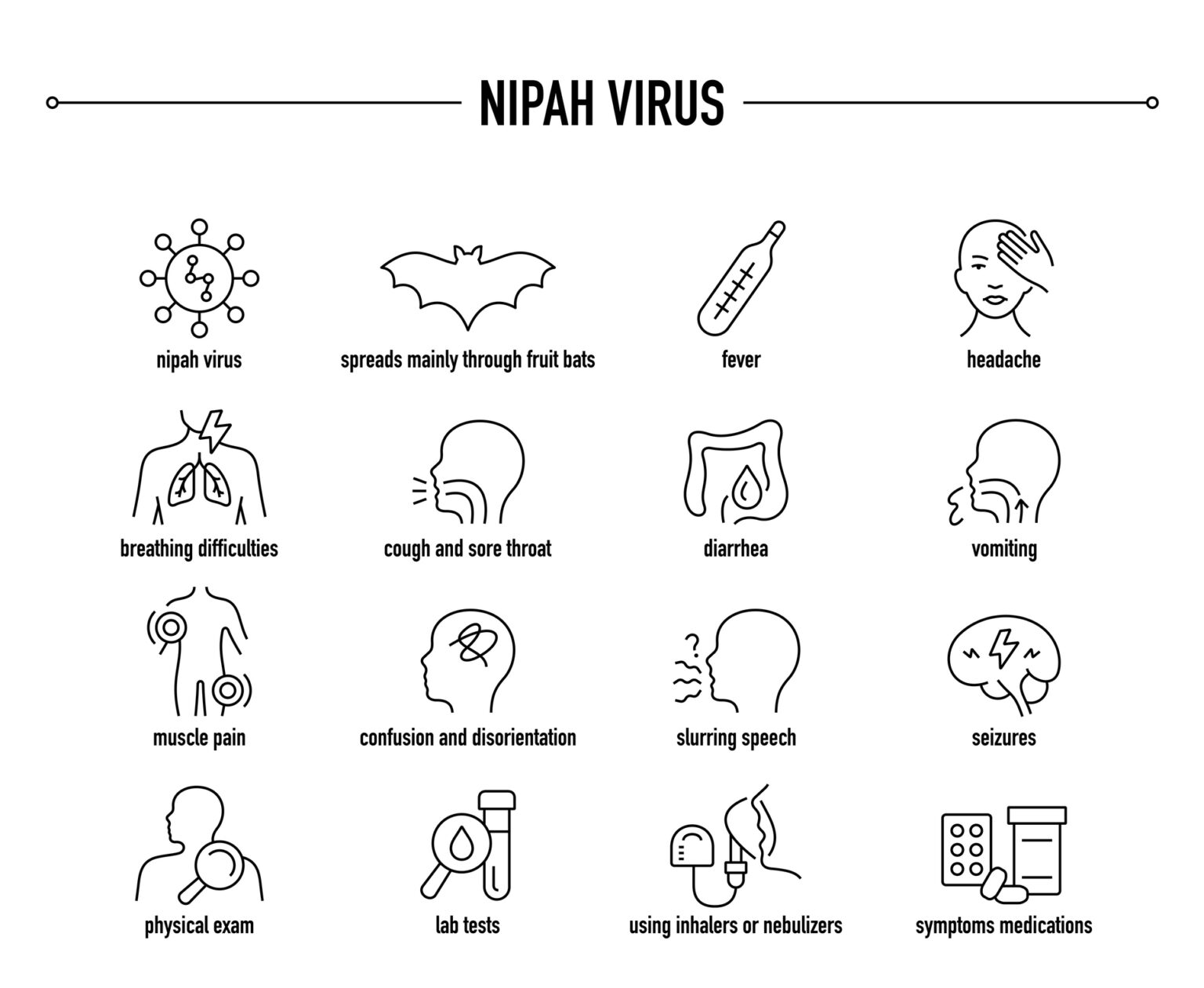
Nipah virus is classified as a zoonotic disease with a high fatality rate. Pakistan Nipah virus planning efforts focus heavily on prevention due to the absence of a specific antiviral treatment.
Medical experts note that the virus can be transmitted through direct contact with infected animals, contaminated food, or close human interaction. Early detection and isolation remain the most effective containment strategies.
Border Controls and Travel Screening Expanded
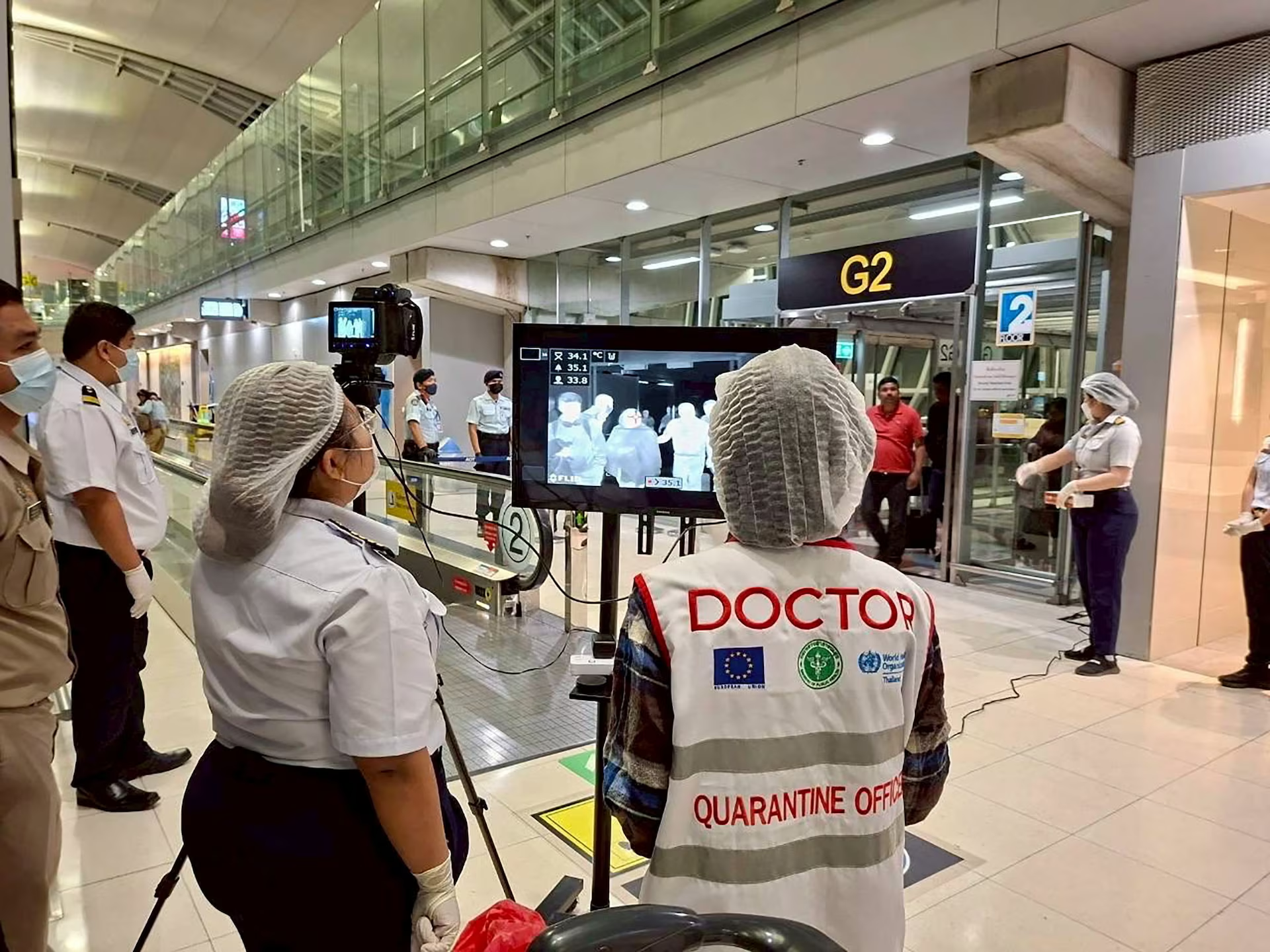
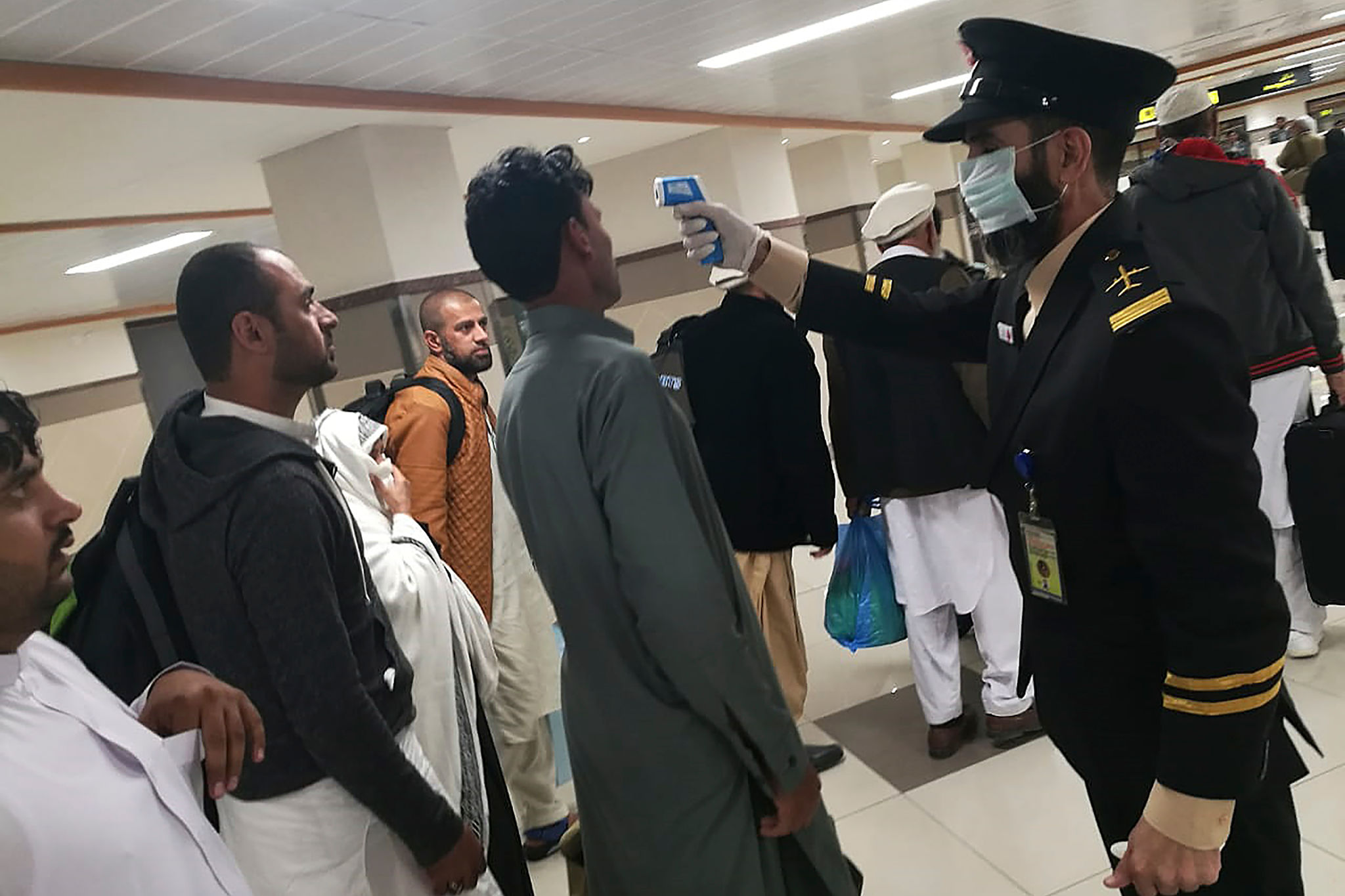
Health screening has been intensified at international airports, seaports, and land border crossings. Pakistan Nipah virus screening protocols include symptom assessments, health declaration forms, and referral systems for further evaluation when needed.
Authorities emphasized that the measures are designed to minimize disruption while ensuring public safety.
Hospitals Implement Updated Clinical Guidelines
Healthcare institutions nationwide have been instructed to revise infection control practices. Pakistan Nipah virus preparedness now includes isolation procedures, protective equipment requirements, and internal response drills.
Training sessions are being conducted to help medical staff recognize symptoms quickly and follow standardized response protocols.
Public Awareness Campaigns Emphasize Prevention
Public education remains a central pillar of the response strategy. Pakistan Nipah virus awareness messages are being disseminated through healthcare centers, media outlets, and digital platforms.
Officials are encouraging citizens to seek medical advice promptly if symptoms appear while avoiding unnecessary panic.
Regional Health Developments Drive Caution
Recent outbreaks reported in parts of Asia have influenced preparedness efforts. Pakistan Nipah virus monitoring has been expanded in response to these developments, reflecting lessons learned from past regional health emergencies.
Health authorities are coordinating closely with international health organizations to stay updated on evolving risk assessments.
Economic Stability Considered in Health Planning
Government officials say the current approach balances public health protection with economic continuity. Pakistan Nipah virus measures are precautionary and do not involve travel restrictions or trade disruptions at this stage.
Authorities believe early action helps avoid more severe economic consequences later.
Laboratories Strengthen Diagnostic Readiness
Diagnostic laboratories have been placed on high alert to ensure rapid testing capability. Pakistan Nipah virus detection depends on efficient laboratory coordination and timely reporting.
Investments are being made to enhance testing capacity and streamline communication between hospitals and laboratories.
One Expert View on Preparedness
One senior infectious disease specialist said,
“Preparedness is most effective when systems are strengthened before the first case appears, not after.”
Coordination Across Federal and Provincial Levels
Federal health agencies are working closely with provincial departments to ensure consistency. Pakistan Nipah virus response planning includes data sharing, emergency simulations, and standardized reporting mechanisms.
This coordinated approach is intended to avoid gaps in response capacity across regions.
Monitoring Animal and Environmental Risk Factors
Health authorities are also focusing on potential animal-to-human transmission pathways. Pakistan Nipah virus surveillance includes collaboration with agricultural and wildlife departments to identify early warning signs.
Preventive guidance is being shared with farming communities as part of broader risk mitigation efforts.
Communication Strategy Focused on Transparency
Clear and consistent communication remains a priority. Pakistan Nipah virus updates are being shared regularly to maintain public trust and counter misinformation.
Officials stress that transparency is essential for public cooperation during health monitoring phases.
Health System Capacity Under Review
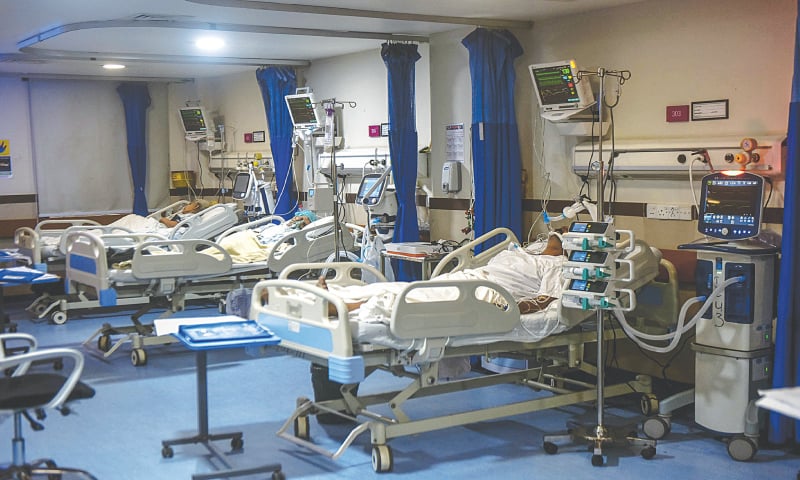
Hospitals are reviewing bed capacity, staffing levels, and emergency preparedness. Pakistan Nipah virus planning includes ensuring sufficient protective equipment and trained personnel in key facilities.
Authorities say readiness assessments will continue throughout the year.
Learning From Past Global Health Crises
Health experts note that early surveillance proved critical during previous outbreaks worldwide. Pakistan Nipah virus preparedness reflects these lessons, emphasizing early intervention rather than reactive measures.
Officials believe institutional readiness reduces uncertainty and improves outcomes.
Global Health Cooperation Shapes Strategy
International health guidance continues to inform national planning. Pakistan Nipah virus response aligns with global best practices on surveillance, reporting, and public engagement.
Cross-border information sharing remains a key element of preparedness.
Managing Public Concern Without Alarm
Authorities are urging calm as monitoring expands. Pakistan Nipah virus measures are preventive, and officials stress that no domestic outbreak has been confirmed.
Public cooperation is being encouraged through accurate information and reassurance.
Long-Term Integration Into Public Health Policy
Preparedness efforts are being integrated into long-term health planning frameworks. Pakistan Nipah virus monitoring is not viewed as a temporary initiative but part of broader disease surveillance strategy.
Officials say sustained vigilance is essential in an interconnected world.
The Role of Technology in Disease Monitoring
Digital health tools are being used to track reports and analyze trends. Pakistan Nipah virus monitoring benefits from real-time data collection and centralized reporting systems.
Technology is helping reduce response times and improve coordination.
Training and Capacity Building Continue
Healthcare workers across the country are receiving updated training. Pakistan Nipah virus preparedness includes refresher courses on infection control and emergency response.
Authorities say workforce readiness is critical to effective containment.
Community Engagement as a Preventive Tool
Community outreach programs are helping spread awareness. Pakistan Nipah virus prevention efforts rely on cooperation at the local level.
Health officials are working with community leaders to reinforce trust and participation.
Preparedness in a Changing Health Landscape
Emerging diseases continue to challenge health systems globally. Pakistan Nipah virus planning reflects a broader shift toward proactive health governance.
Authorities say adaptability will be key as risks evolve.
Assessing Risk Without Disruption
Officials emphasize that preparedness does not equal crisis. Pakistan Nipah virus monitoring is intended to safeguard public health while maintaining normal daily life.
Risk assessments will continue to guide policy decisions.
Strengthening Trust Through Science-Based Action
Evidence-based decision-making underpins current efforts. Pakistan Nipah virus response relies on scientific guidance rather than speculation.
Officials believe this approach builds credibility and public confidence.
A Coordinated National Effort Takes Shape
Health agencies, hospitals, laboratories, and communities are aligned in their response. Pakistan Nipah virus preparedness highlights the importance of coordination across sectors.
This unity strengthens national resilience against health threats.
Why Vigilance Matters in 2026
The current health landscape remains unpredictable. Pakistan Nipah virus monitoring underscores the need for constant vigilance in disease prevention.
Early action remains the most effective defense.
Preparedness Today Shapes Health Security Tomorrow
As surveillance continues, authorities remain focused on prevention. Pakistan Nipah virus measures demonstrate a proactive approach aimed at protecting lives and maintaining stability.
Beyond Surveillance: Building a Resilient Health System
This phase highlights the importance of long-term investment in health infrastructure. Pakistan Nipah virus preparedness contributes to broader efforts to strengthen national health security.
Final Perspective on National Readiness
With systems in place and coordination underway, authorities say Pakistan is better prepared to respond to emerging health threats. Pakistan Nipah virus precautions reflect a commitment to early action, transparency, and public safety.
A Defining Moment for Preventive Health Policy
This period marks a shift toward proactive health governance. Pakistan Nipah virus preparedness serves as a reminder that prevention remains the most powerful tool in protecting public health.