Brussels, 9 October, (Brussels Morning Newspaper) – Oil prices fall in international markets on Friday after US President Donald Trump signalled progress in discussions with Iran, easing immediate concerns about Middle Eastern energy supplies. The development offers cautious hope for Brussels and other European economies struggling with high fuel costs, although continuing regional tensions threaten to keep prices volatile.
Brent crude declined as traders reassessed the possibility of further military escalation and disruption to shipments through the strategically important Strait of Hormuz. However, no final agreement has been announced, and significant supply risks remain.
Global Oil Prices Decline After Diplomatic Signals
Brent crude futures dropped by 72 cents, or 0.7%, to $103.53 per barrel at 02:20 GMT on Friday, according to Reuters.
US West Texas Intermediate crude futures fell by 52 cents, or 0.6%, to $90.97 per barrel.
The decline followed a sharp increase on Thursday, when Brent settled more than 4% higher amid growing concerns about attacks on oil shipments leaving the Middle East.
Despite Friday’s retreat, Brent remained on course for a weekly gain, demonstrating the continued sensitivity of energy markets to geopolitical developments.
Trump Signals Progress in Iran Negotiations
President Trump said on Thursday that Washington was holding “productive discussions” with Iran and indicated that the United States would not launch attacks against the country before the 3 November congressional elections.
His remarks followed reports suggesting that further American military action was being considered.
Iranian Foreign Minister Abbas Araqchi also indicated, according to Iran’s Tasnim news agency as reported by Reuters, that Tehran was reviewing an American response to its proposal concerning the reopening of the Strait of Hormuz within seven days.
The statements suggest diplomatic engagement is continuing, although they do not establish that a ceasefire or permanent settlement has been reached.
Washington has maintained economic pressure on Tehran, introducing further sanctions targeting networks and vessels associated with Iranian petroleum shipments.
Brussels and Europe Could Benefit From Lower Energy Costs
For Belgium and the wider European Union, sustained reductions in international crude prices could help ease pressure on businesses and households.
Transport operators, logistics companies, manufacturers and other energy-intensive industries remain particularly vulnerable to elevated petroleum costs.
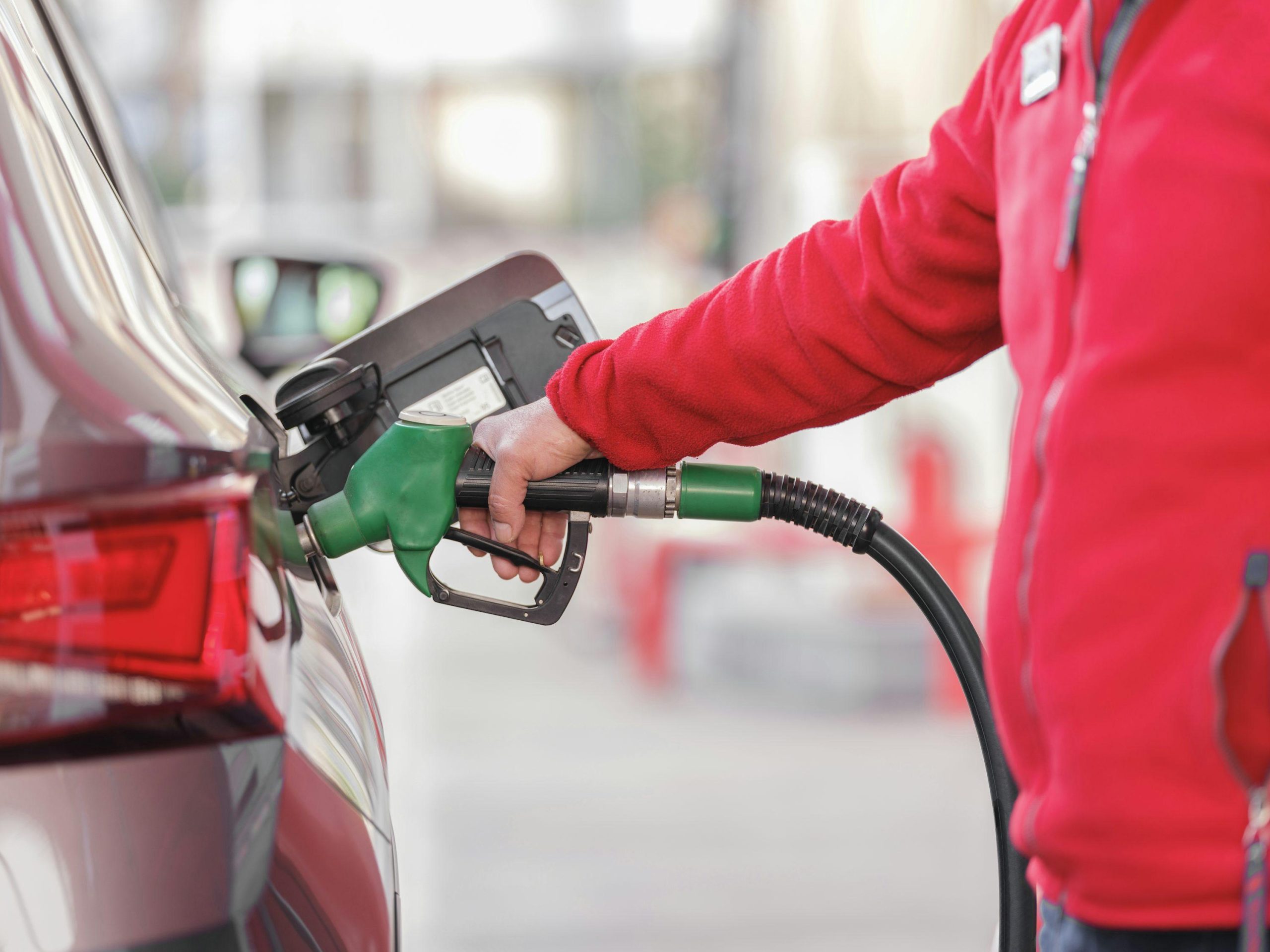
Lower wholesale oil prices could eventually influence petrol and diesel prices across European markets, although retail fuel costs also depend on taxation, refining expenses and currency movements.
Any sustained decline could also reduce inflationary pressure, an important consideration for European policymakers and central banks.
However, Friday’s market movement does not guarantee immediate reductions in Belgian pump prices.
Strait of Hormuz Remains a Major Supply Risk
The Strait of Hormuz remains a central concern for international energy security.
Before the current conflict, oil and fuel shipments passing through the waterway represented approximately 20% of global trade in those products, according to Reuters.
Recent attacks and threats against commercial shipping have increased uncertainty surrounding deliveries and transportation costs.
Meanwhile, Hurricane Isaias has disrupted American offshore production in the Gulf of Mexico, adding pressure to an already unsettled global market.
These developments illustrate why diplomatic progress alone may not produce lasting stability.
What Happens Next for European Energy Markets?
Oil prices fall as diplomatic signals reduce immediate fears, but attention will remain focused on whether Washington and Tehran can reach an agreement that improves shipping conditions.
European businesses and policymakers will be watching subsequent crude-price movements and developments affecting the Strait of Hormuz.
For Brussels, the immediate significance lies in the possibility of easing energy costs rather than any confirmed improvement in consumer fuel prices.
A sustained recovery in oil supplies and maritime security would provide stronger grounds for longer-term market stability.