
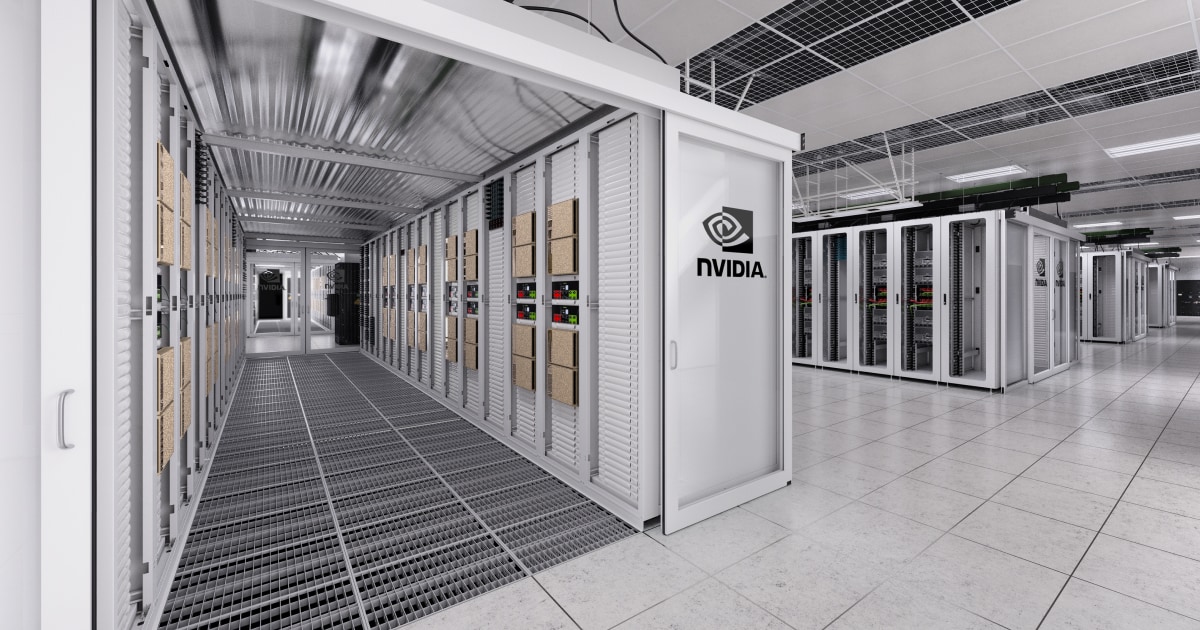
Beijing, January 2026: Chinese authorities have approved controlled purchases of Nvidia H200 chips by major domestic technology companies, according to multiple industry sources. The decision represents a pivotal development in China’s artificial intelligence strategy, as regulators seek to encourage innovation while navigating ongoing global restrictions on advanced semiconductors. Officials indicated the approval is intended to strengthen essential AI infrastructure while ensuring continued regulatory oversight of high end technology use.
The move quickly attracted attention from global financial markets and technology analysts, who interpret it as a clear signal that China aims to preserve momentum in artificial intelligence research, cloud computing, and data driven services amid heightened geopolitical sensitivities.
Context Behind the Approval
China’s technology sector has faced mounting challenges in recent years due to restrictions on access to advanced semiconductors. Despite rapid domestic progress the gap between global frontier hardware and locally produced alternatives remains a concern for companies operating large scale AI systems.
By allowing purchases of Nvidia H200 chips regulators appear to be prioritizing continuity in high performance computing especially for applications that underpin economic growth digital services and industrial automation. Sources describe the decision as targeted rather than broad with approvals tied to specific use cases and compliance requirements.

Why Advanced AI Hardware Remains Essential
Artificial intelligence models continue to grow in size complexity and resource demand. Training large language models recommendation engines and generative systems requires vast computational capacity efficient memory handling and reliable power management.
The Nvidia H200 chips are designed to address these demands offering improved bandwidth performance and energy efficiency for data center environments. Analysts say access to such hardware allows Chinese firms to remain competitive globally while continuing to experiment with new AI driven products.
Major Beneficiaries in the Technology Sector
Sources familiar with the matter indicate that ByteDance, Alibaba, and Tencent are among the primary beneficiaries. These companies operate extensive cloud and AI infrastructures supporting billions of users and enterprise clients.
Their ability to deploy Nvidia H200 chips is expected to enhance processing efficiency improve service reliability and enable faster deployment of new AI features across platforms.
ByteDance Expands AI Driven Content Systems
ByteDance has invested heavily in artificial intelligence to support short video platforms content moderation and advertising technologies. Access to Nvidia H200 chips enables the company to train more sophisticated models capable of real time analysis personalization and creative generation.
Industry observers note that improved computing power allows ByteDance to refine recommendation algorithms while reducing latency and operational costs across global data centers.
Alibaba Strengthens Cloud Computing and Enterprise AI
Alibaba’s cloud division plays a central role in China’s digital economy serving startups corporations and public sector clients. The integration of Nvidia H200 chips into its infrastructure supports advanced analytics machine learning services and AI powered business tools.
Enterprises increasingly rely on cloud based AI for logistics optimization fraud detection and customer engagement making hardware performance a key competitive factor in the market.

Tencent Focuses on Scalable AI Infrastructure
Tencent’s strategy centers on embedding artificial intelligence across gaming social media and financial technology. The approval allows the company to deploy Nvidia H200 chips for simulation graphics rendering and intelligent automation.
Executives say enhanced hardware capacity will help Tencent scale services efficiently while meeting rising demand for immersive digital experiences and AI assisted financial products.
Regulatory Balance Between Growth and Control
China’s technology regulators have emphasized the need to foster innovation while safeguarding national interests. The selective approval of Nvidia H200 chips reflects this dual objective enabling progress without relinquishing oversight.
Authorities are reportedly monitoring deployment closely ensuring chips are used for approved applications and aligned with national development priorities.
Global Market and Supply Chain Reactions
The decision was closely watched by global semiconductor markets. For Nvidia continued access to Chinese demand supports revenue stability and reinforces its leadership in AI accelerators.
Supply chain analysts suggest the move could influence future licensing decisions and encourage dialogue around controlled technology cooperation amid broader tensions.

China’s Domestic Semiconductor Ambitions
While access to foreign hardware remains important China continues to invest heavily in domestic chip development. Government backed initiatives aim to reduce long term reliance on external suppliers by advancing design manufacturing and software ecosystems.
However experts say bridging the performance gap will take time making interim access to Nvidia H200 chips strategically valuable for maintaining research continuity and commercial competitiveness.
Economic Impact and Employment Considerations
AI driven industries contribute significantly to economic growth and employment. Cloud services digital platforms and smart manufacturing depend on reliable computing infrastructure to scale operations.
The approval supports stability in these sectors allowing companies to continue hiring investing and expanding AI applications across healthcare transportation and finance.
Innovation Ecosystem and Academic Research
Beyond commercial use advanced hardware plays a role in academic research and public interest projects. Universities and research institutes often collaborate with large technology firms to train models addressing language climate and urban planning challenges.
Improved access to Nvidia H200 chips enhances the capacity of such partnerships supporting innovation beyond purely commercial objectives.
Security and Data Governance Considerations
Regulators have underscored the importance of data security and governance alongside hardware approvals. Companies receiving permission must adhere to strict guidelines on data usage storage and cross border transfers.
Officials say technological advancement must proceed alongside robust safeguards to protect user information and national security interests.
One Analyst Perspective
One senior technology analyst said
“This decision shows that China is choosing practical continuity over disruption ensuring AI development stays on track while domestic capabilities continue to evolve.”
Long Term Strategic Implications
The 2026 approval fits within China’s broader strategy to position artificial intelligence as a pillar of modernization. By enabling controlled access to advanced hardware the country aims to sustain progress while nurturing local innovation.
As AI becomes embedded across industries the importance of such calibrated policy decisions is likely to grow.
How 2026 Could Shape the Next Decade
Looking ahead analysts believe the 2026 Beijing decision could influence how nations approach technology governance in an interconnected world. Rather than complete decoupling selective engagement may define the next phase of global innovation.
By approving Nvidia H200 chips under defined conditions China signals its intent to remain an active participant in the global AI ecosystem while shaping its own technological destiny.