Syria | January 2026 — northern Aleppo violence intensified sharply this week as renewed shelling and armed clashes struck residential districts, deepening fears for civilian safety. According to Brussels Morning Newspaper, the escalation marks one of the most serious deteriorations in security seen in the city in recent months, with families once again caught in the crossfire of shifting frontlines.
Residents across northern neighbourhoods reported heavy explosions, structural damage, and prolonged periods of fear as the sound of artillery echoed through densely populated areas.
Shelling Impacts Residential Districts
Local sources confirmed that several northern districts were hit during overnight bombardments, damaging homes, shops, and basic infrastructure. Emergency responders struggled to access some areas due to ongoing fire and debris-strewn streets.
Observers say the scale of northern Aleppo violence has disrupted daily life, forcing residents to remain indoors or seek shelter in basements and improvised safe spaces as fighting continued intermittently.
Strategic Importance of Northern Aleppo
Northern Aleppo has long been a focal point in the wider Syrian conflict due to its location, population density, and proximity to contested zones. Control over these districts carries both military and symbolic significance.
Analysts note that whenever northern Aleppo violence flares, the humanitarian risks are amplified because escape routes are limited and civilian infrastructure is tightly packed.
Security Forces and Armed Groups Involved
The renewed clashes involve multiple armed actors operating in and around the city. While exact details remain fluid, reports indicate exchanges of fire between government forces and opposition-linked groups, with civilians bearing the brunt of the confrontation.
The Syrian Democratic Forces warned that the situation in northern districts remains unstable, urging civilians to exercise extreme caution amid the ongoing northern Aleppo violence.
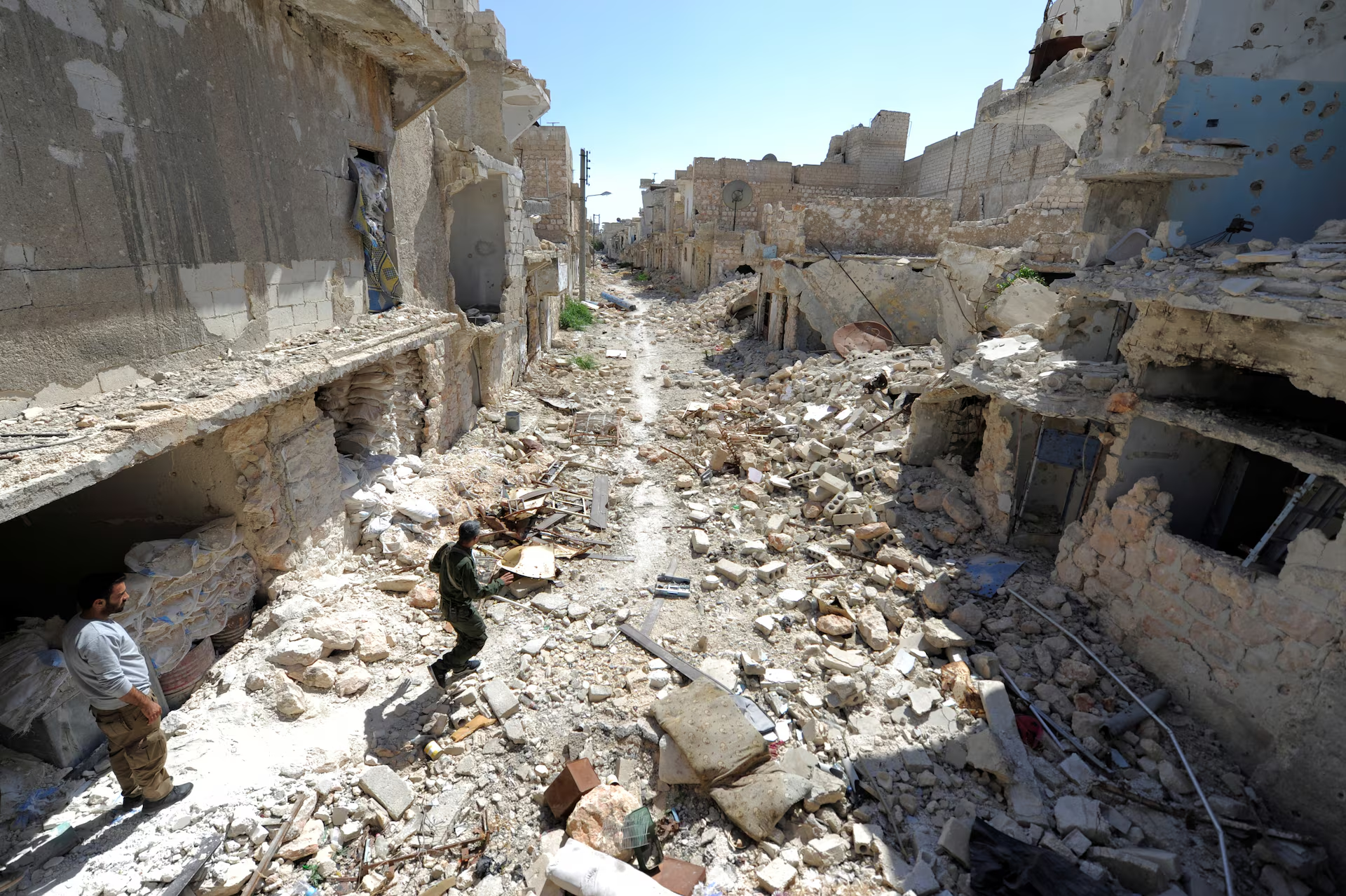
Civilians Shelter Amid Constant Fear
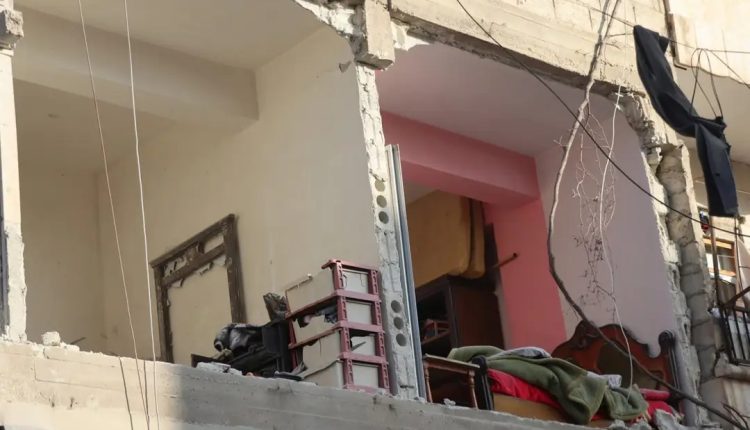
Residents described harrowing scenes as shells landed close to apartment buildings. Families gathered in interior rooms, attempting to shield children from the noise and shockwaves.
For many, the reality of northern Aleppo violence means enduring hours without electricity or water while waiting for bombardments to subside. Parents said children were struggling to sleep as explosions continued into the night.
Damage to Infrastructure and Services
Preliminary assessments indicate that water pipelines, power lines, and road networks have been damaged in several neighbourhoods. Repair crews have been unable to operate safely due to ongoing shelling.
Humanitarian observers warn that prolonged northern Aleppo violence could leave large sections of the city without essential services, compounding existing hardships faced by residents.
Displacement Fears Grow
As security conditions worsen, some families have attempted to flee affected areas. However, damaged roads and security checkpoints have complicated movement, leaving many residents trapped.
Aid groups say that if northern Aleppo violence continues at its current intensity, displacement numbers could rise sharply, placing further strain on overcrowded shelters elsewhere in the city.
Humanitarian Response Under Pressure
Local medical facilities are operating under strain as they prepare for potential casualties. Supplies of medicine and emergency equipment are limited, and staff shortages persist.
The escalation of northern Aleppo violence has prompted humanitarian organisations to call for safe access corridors to allow aid delivery and evacuation of the injured.
One Voice From the Ground
One resident who remained sheltering with family members said
“The shelling comes without warning, and every blast feels closer than the last.”
This single account captures the fear and uncertainty gripping civilians as the violence continues.
Psychological Toll on Communities
Beyond physical damage, the mental health impact of sustained insecurity is profound. Repeated exposure to explosions and displacement has left many residents experiencing anxiety and trauma.
Mental health workers note that prolonged northern Aleppo violence erodes community resilience, particularly among children who have grown up amid repeated cycles of conflict.
Economic Life Comes to a Halt
Markets, workshops, and transport services in northern Aleppo have largely shut down due to safety concerns. Workers report lost income, while prices for basic goods have risen due to disrupted supply chains.
The persistence of northern Aleppo violence threatens to deepen economic hardship in neighbourhoods already struggling with unemployment and inflation.
Regional Implications of the Fighting
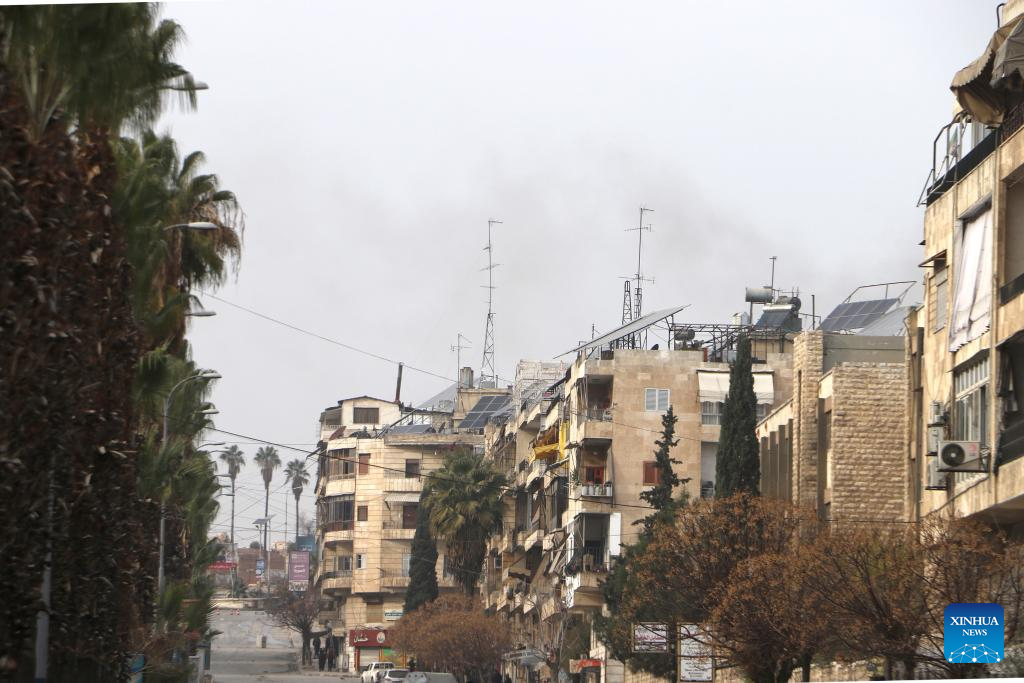
Developments in Aleppo resonate beyond the city itself. Nearby towns have raised alert levels, and traffic routes connecting northern Syria to other regions have been affected.
Analysts warn that renewed northern Aleppo violence could destabilise surrounding areas if fighting spreads or triggers new displacement waves.
International Monitoring and Calls for Restraint
International observers and rights organisations are closely tracking the situation, urging all parties to respect international humanitarian law. They stress the need to avoid targeting civilian areas and infrastructure.
Reports of northern Aleppo violence have renewed diplomatic calls for de-escalation and protection of non-combatants.
Historical Pattern of Escalation
Aleppo has experienced multiple cycles of calm and conflict over the past decade. Each resurgence of fighting underscores the fragility of security arrangements and the challenges of sustaining long-term stability.
Experts say the current northern Aleppo violence reflects unresolved tensions that periodically resurface despite previous ceasefires and negotiations.
Challenges Facing Emergency Services
Firefighters, medical teams, and civil defence units face significant risks as they respond to incidents under fire. Limited resources and damaged equipment hamper their ability to operate effectively.
The continuation of northern Aleppo violence places emergency responders in constant danger, raising concerns about their capacity to meet growing needs.
Education Disrupted Once Again
Schools in affected districts have suspended classes as a precaution. Parents worry about the long-term impact of repeated disruptions on children’s education.
Within the context of northern Aleppo violence, education has become a secondary concern as families prioritise safety and survival.
Uncertain Outlook for De-escalation
It remains unclear whether the current escalation will subside or intensify further. Residents and aid workers alike fear that without intervention, conditions could worsen rapidly.
The persistence of northern Aleppo violence has left communities bracing for further instability in the days ahead.
A City Caught Between Fear and Survival
For many in Aleppo, daily life has become a balance between caution and necessity. Trips for food or water are calculated risks, while nights are spent listening for incoming fire.
As northern Aleppo violence continues, the city’s residents cling to hope that calm will return before further loss of life and homes.
When Urban Neighbourhoods Become Frontlines
The latest escalation highlights the devastating impact of urban warfare, where civilian neighbourhoods can transform into battlegrounds overnight. The cost is borne primarily by ordinary families with nowhere else to go.
Aleppo’s experience serves as a stark reminder of how fragile peace remains in conflict zones where political solutions have yet to take hold.
A Critical Moment for Civilian Protection
The events unfolding in Aleppo underscore the urgent need for measures that prioritise civilian protection above all else. Humanitarian access, restraint, and dialogue remain essential to preventing further catastrophe.
As the situation evolves, the fate of northern Aleppo will depend on whether violence is contained or allowed to spiral further, shaping the city’s future once again.