

Nike Shares Down as China Sales Slide and Tariffs Pressure Profits
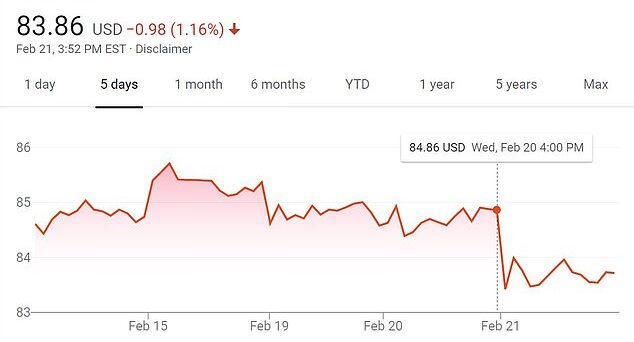
Nike shares down sharply in pre market trading has sent a wave of concern through global markets, reminding investors that even the most powerful consumer brands are vulnerable to economic shifts and geopolitical pressure. The stock fell roughly 10 percent ahead of the opening bell after Nike warned that weakening sales in China and rising tariff related costs are weighing heavily on profits.
For years, Nike was seen as a reliable growth story built on global demand, brand loyalty, and premium pricing. Now, Nike shares down has become a headline that reflects deeper structural challenges rather than a single disappointing quarter. Slowing international growth, trade barriers, and cautious consumers are reshaping expectations for the athletic apparel giant.
This moment represents more than short term volatility. It raises important questions about Nike’s strategy, its reliance on China, and its ability to protect margins in a more fragmented global economy.
Why Nike Shares Down Triggered a Sharp Market Reaction
Nike shares down did not occur in isolation. Investors responded to a combination of earnings guidance, forward looking commentary, and broader macroeconomic signals. The market reaction highlights how sensitive valuations have become when companies acknowledge uncertainty.
Several factors contributed to the sell off:
- China revenue declined more than anticipated
- Tariff costs increased pressure on margins
- Profit outlook was revised lower
- Management signaled caution on near term growth
When a company of Nike’s size resets expectations, markets tend to react swiftly. Nike shares down reflects investor concern that the challenges may persist longer than previously assumed.
China Sales Slump Undermines Growth Narrative
One of the most significant drivers behind Nike shares down is the sharp slowdown in China sales. China has been a cornerstone of Nike’s international expansion strategy, contributing both volume and long term growth potential.
However, recent trends show mounting headwinds:
- Slower economic growth has weakened consumer confidence
- Domestic Chinese sportswear brands are gaining market share
- Consumers are prioritizing value over premium branding
- Political and regulatory tensions affect foreign companies
Nike shares down reflects a reassessment of how quickly, or even whether, growth in China can return to previous levels. Without strong momentum in that market, Nike’s global growth story becomes more difficult to sustain.
Tariffs Continue to Hit Profits
Tariffs remain a central reason why Nike shares down has captured investor attention. Global trade policies have reshaped supply chains and increased costs for multinational manufacturers.
Nike faces tariff related challenges such as:
- Higher import duties on footwear and apparel
- Increased manufacturing and logistics costs
- Reduced pricing flexibility in competitive markets
- Pressure on operating and gross margins
While Nike has taken steps to diversify production and renegotiate supplier relationships, these adjustments take time. Until then, tariffs continue to act as a drag on profitability, reinforcing why Nike shares down has become a persistent concern.
Margin Pressure Signals a Tougher Operating Environment
Margins are a key metric for investors, and Nike shares down reflects growing concern that margin compression may last longer than expected. Rising costs, combined with promotional activity to stimulate demand, limit Nike’s ability to protect profitability.
Key margin challenges include:
- Higher production and shipping expenses
- Increased discounting to clear inventory
- Slower sell through in international markets
- Limited ability to pass costs to consumers
Nike’s premium positioning historically allowed it to absorb cost pressures more easily. Today’s environment is testing that advantage.
Consumer Demand Shows Signs of Fatigue
Beyond China and tariffs, Nike shares down also mirrors broader concerns about consumer spending. Inflation, interest rates, and economic uncertainty have made households more cautious with discretionary purchases.
Indicators of softer demand include:
- Slower growth in premium footwear
- Increased price sensitivity among consumers
- Retail partners placing more conservative orders
- Inventory management becoming a priority
Even strong brands face limits when consumers focus on essentials. Nike shares down reflects recognition that demand growth may be uneven across regions and product categories.
Competition Intensifies Across Global Markets
Nike no longer competes in a static environment. Nike shares down also highlights rising competitive pressure from both global and local brands.
In China, domestic companies are resonating with consumers through local design, pricing, and cultural relevance. Globally, competitors are sharpening their focus on performance niches, sustainability, and direct to consumer engagement.
Competitive pressures include:
- Stronger local brand loyalty in Asia
- Aggressive pricing from emerging brands
- Innovation cycles accelerating across the industry
- Digital marketing lowering barriers to entry
As competition intensifies, Nike must invest more aggressively in innovation and marketing, adding further cost pressure.
Supply Chain Complexity Adds Risk
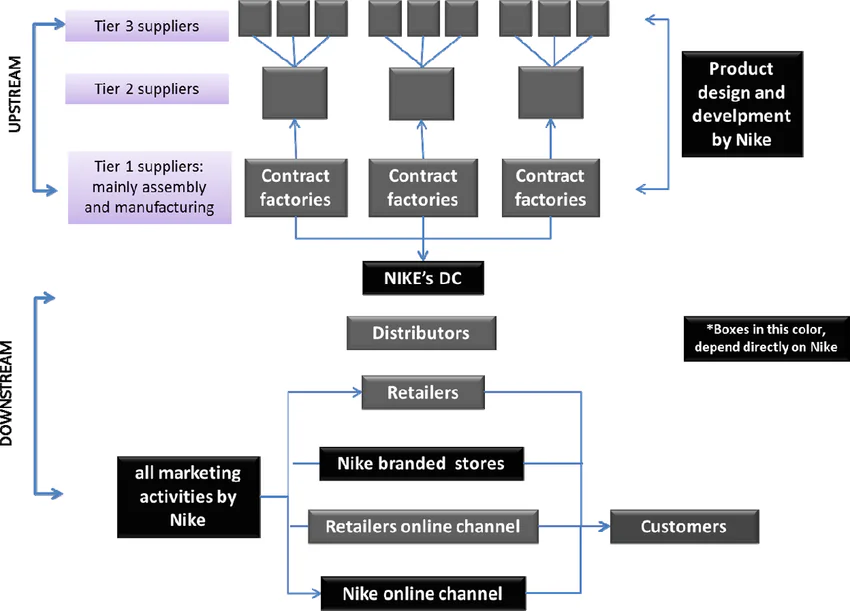
Nike’s global supply chain has long been an advantage, but it is also a source of vulnerability. Nike shares down reflects investor concern that complexity increases exposure to tariffs, logistics disruptions, and regulatory changes.
Challenges include:
- Shifting production across regions
- Maintaining quality and consistency
- Managing labor and compliance standards
- Balancing cost efficiency with speed
While Nike continues to adapt, supply chain transformation is not immediate. The market is pricing in execution risk as these changes unfold.
Investor Sentiment and Market Psychology
Nike shares down demonstrates how investor psychology can amplify market moves. Pre market trading often reflects institutional positioning, and in this case, it leaned defensive.
Large investors responded by:
- Reducing exposure to consumer discretionary stocks
- Reallocating capital toward defensive sectors
- Repricing global growth assumptions
Once momentum turns negative, it can become self reinforcing, especially in volatile market conditions.
Long Term Strengths Still Matter
Despite the current pressure, Nike retains significant long term strengths that should not be ignored even as Nike shares down dominates headlines.
These include:
- One of the most recognized brands worldwide
- Strong direct to consumer and digital platforms
- Enduring relationships with athletes and leagues
- Global marketing reach and scale
These advantages provide Nike with tools to adapt and recover. However, investors are demanding evidence that these strengths can offset current headwinds.
What Nike Shares Down Means for Investors
For short term traders, Nike shares down introduces volatility and risk. Sharp declines can lead to technical rebounds, but also expose positions to further downside.
For long term investors, the situation raises deeper questions:
- How sustainable is Nike’s China strategy
- Will tariffs remain a long term cost burden
- Can margins recover without damaging demand
- Is global growth being structurally reset
Answers to these questions will shape sentiment going forward.
Broader Implications for Global Brands
Nike shares down may also serve as a broader signal for multinational consumer brands. Exposure to geopolitics, trade policy, and shifting consumer preferences is increasingly difficult to manage.
The situation suggests:
- International growth assumptions may need revision
- Supply chain resilience is becoming a valuation factor
- Pricing power is not guaranteed, even for premium brands
- Global diversification carries both opportunity and risk
Nike’s experience may influence how investors view similar companies.
Outlook for Nike Moving Forward
Whether Nike shares down represents a temporary setback or a longer adjustment depends on execution and external conditions. Management will need to stabilize margins, rebuild momentum in China, and navigate tariffs with greater precision.
Key indicators to watch include:
- China sales trends in upcoming quarters
- Gross margin performance
- Inventory levels and discounting activity
- Updated guidance on tariffs and sourcing
Until clarity improves, caution is likely to persist.
Nike shares down by roughly 10 percent reflects more than a single earnings reaction. It captures a moment where global growth, tariffs, and consumer behavior intersect to challenge even the strongest brands. Nike remains a powerful company with deep competitive advantages, but the current environment is forcing a reset in expectations.
How Nike responds will determine whether this decline becomes a buying opportunity or a warning sign of longer term change.