
Brussels Morning Newspaper policy briefings and early international news updates are increasingly focused on a growing crisis within the humanitarian sector. Across regions affected by conflict, poverty, and natural disasters, NGO funding shortfalls are reshaping how aid organizations operate and whom they are able to serve. Experts warn that while funding challenges are not new, the scale and persistence of current gaps are placing unprecedented pressure on frontline operations.
Non-governmental organizations have long served as critical lifelines for vulnerable populations, providing healthcare, food assistance, education, and emergency relief. Today, however, shrinking budgets and rising demand are forcing difficult decisions that directly affect millions of people worldwide.
Understanding the Scale of the Funding Gap
Humanitarian needs have expanded dramatically in recent years due to conflicts, climate-related disasters, and economic instability. At the same time, donor fatigue and shifting political priorities have constrained available resources. The result is widening NGO funding shortfalls that leave organizations struggling to meet even basic operational costs.
Aid analysts note that funding gaps are not evenly distributed. Smaller organizations and those operating in protracted crises often face the greatest challenges, as they lack diversified donor bases or reserve funds to absorb prolonged shortfalls.
How NGOs Are Affected Operationally
When funding declines, NGOs must reassess every aspect of their work. Staffing levels are often reduced, limiting outreach and program monitoring. Administrative costs, while essential for accountability and safety, are scrutinized heavily, sometimes undermining effectiveness.
These operational pressures mean fewer services delivered to fewer people. In many regions, NGO funding shortfalls translate into shorter project timelines, reduced geographic coverage, and delayed emergency responses.
Impact on Healthcare Services
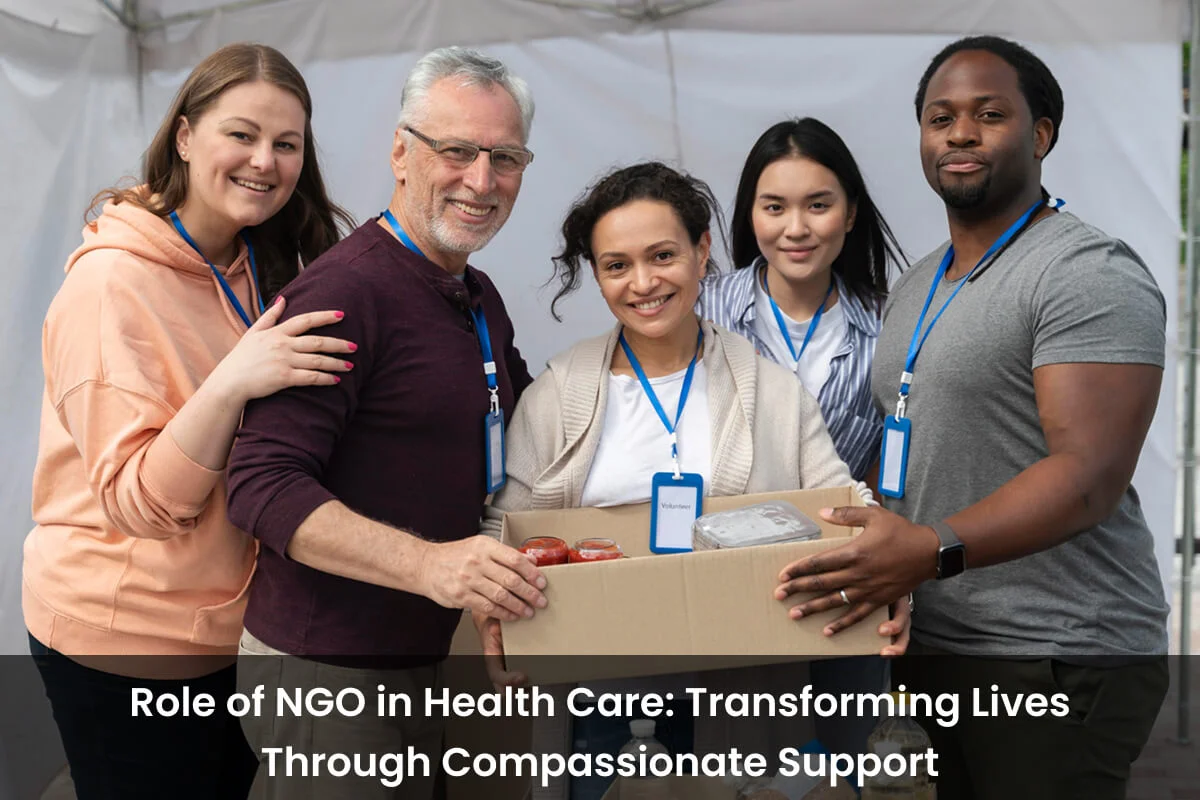
Healthcare programs are among the most vulnerable to budget reductions. Clinics supported by NGOs frequently operate in areas with limited government services, making them essential providers of primary care, maternal health, and disease prevention.
Funding gaps can result in medicine shortages, reduced clinic hours, or complete closures. Health workers report having to prioritize the most urgent cases while turning others away. Such outcomes demonstrate how NGO funding shortfalls can quickly become public health concerns.
Food Security and Nutrition at Risk
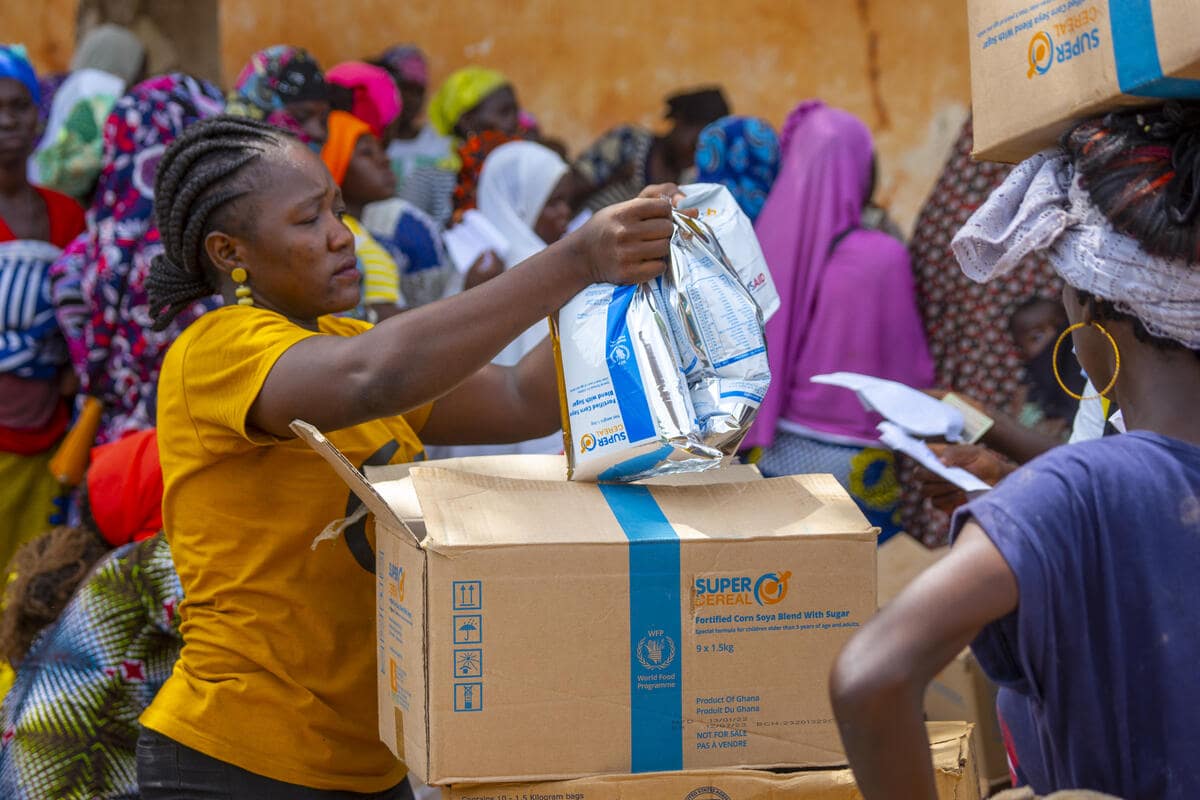
Food assistance programs are another critical area affected by declining resources. In food-insecure regions, NGOs play a central role in distributing emergency rations and supporting nutrition initiatives for children and pregnant women.
As budgets tighten, ration sizes are reduced or distributions become less frequent. Experts warn that malnutrition rates rise rapidly under these conditions, highlighting the human cost of NGO funding shortfalls in already fragile environments.
Refugees and Displaced Populations
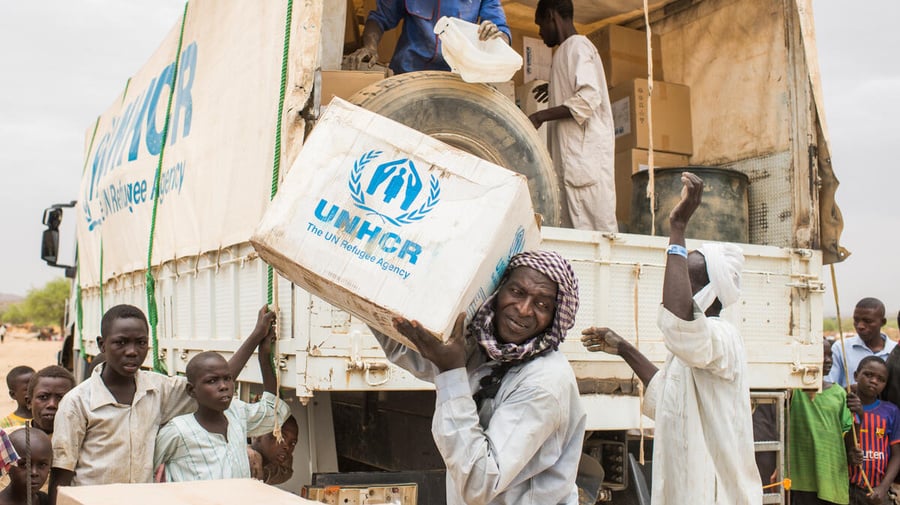
Refugees and internally displaced people rely heavily on NGO-provided services for shelter, sanitation, education, and protection. Funding reductions often hit these populations hardest, as alternative support systems are limited.
Education programs may be suspended, sanitation infrastructure may deteriorate, and protection services may be scaled back. For displaced communities, NGO funding shortfalls compound existing trauma and uncertainty.
Rising Demand Meets Limited Resources
One of the most challenging aspects of the current situation is that funding declines coincide with rising humanitarian needs. Climate events, conflict escalation, and economic shocks are increasing the number of people requiring assistance.
Aid workers describe the strain of responding to emergencies while existing programs are already underfunded. This mismatch between demand and capacity underscores why NGO funding shortfalls are viewed as a systemic crisis rather than a temporary setback.
Economic and Social Consequences
The effects of funding gaps extend beyond immediate aid delivery. Local economies can suffer when NGO programs that provide employment or support small-scale livelihoods are reduced.
Communities that lose access to education, healthcare, or food assistance face long-term consequences, including reduced economic resilience and increased migration pressures. These broader impacts show how NGO funding shortfalls influence social stability as well as humanitarian outcomes.
Accountability and Donor Expectations
NGOs operate under strict accountability requirements, ensuring transparency and effective use of funds. While essential, these requirements also increase administrative costs, which become harder to cover during funding downturns.
Balancing accountability with operational survival is a persistent challenge. Many organizations emphasize that predictable, multi-year funding is crucial to mitigating NGO funding shortfalls and maintaining program quality.
Innovation and Adaptation Strategies
In response to financial pressure, NGOs are exploring innovative approaches, including digital fundraising, partnerships with the private sector, and community-led programming. While these strategies offer promise, they are not quick fixes.
Innovation requires upfront investment and time to scale, both of which are constrained by NGO funding shortfalls. As a result, adaptation efforts often run parallel to, rather than replacing, traditional funding needs.
Regional Disparities in Funding
Funding challenges vary by region. High-profile crises may attract more attention and resources, while long-running emergencies struggle to maintain donor interest. This uneven distribution leaves some communities chronically underfunded.
Experts argue that addressing NGO funding shortfalls requires a more equitable approach to resource allocation that considers both acute emergencies and sustained humanitarian needs.
The Role of Governments and Institutions
Governments and international institutions remain key donors for many NGOs. Policy shifts, budget reallocations, and geopolitical considerations all influence funding flows.
Aid experts stress that predictable government support is essential to reducing NGO funding shortfalls, particularly for large-scale programs that cannot rely solely on private donations.
Media Coverage and Public Awareness
Public awareness plays a significant role in shaping donor behavior. Media coverage of humanitarian crises can drive short-term funding surges but often fades quickly.
Sustained reporting on the realities of NGO funding shortfalls helps keep attention on less visible crises and the ongoing needs of affected populations.
Long-Term Risks to Humanitarian Capacity
Prolonged funding gaps risk eroding institutional capacity. Skilled staff may leave the sector, and infrastructure investments may be lost. Rebuilding this capacity can take years, even if funding improves later.
These risks highlight why experts view NGO funding shortfalls as a threat to the future effectiveness of humanitarian response, not just current operations.
Looking Ahead
As global needs continue to rise, the challenge of securing adequate funding for NGOs remains unresolved. Analysts emphasize the importance of coordinated international efforts, diversified funding sources, and long-term planning.
Without meaningful change, NGO funding shortfalls are likely to persist, shaping humanitarian outcomes for years to come.
Humanitarian organizations stand at the front lines of global crises, yet many are operating under severe financial strain. NGO funding shortfalls are affecting healthcare, food security, education, and emergency response in communities that can least afford to lose support.
As policymakers, donors, and the public consider the future of international aid, understanding the real-world consequences of funding gaps is essential. The sustainability of humanitarian assistance depends on closing those gaps before they become irreversible.