A powerful New York winter storm is driving officials to take urgent action as forecasts warn of heavy snowfall, strong winds, and dangerous cold across large portions of the state. With conditions expected to worsen rapidly, authorities moved early to declare a state of emergency, signaling the seriousness of the threat and the need for public cooperation.
Residents from upstate communities to densely populated urban corridors are being urged to prepare for potential disruptions that could last several days. Emergency planners emphasize that early awareness and responsible behavior can significantly reduce risks to life, property, and critical infrastructure as the storm system approaches.
Why State Leaders Declared a State of Emergency
A state of emergency allows government agencies to act without delay when severe weather threatens public safety. During a New York winter storm, this declaration enables faster coordination between state agencies, local governments, utility providers, and emergency responders.
The move also allows the state to pre position snow removal equipment, activate emergency response teams, and temporarily suspend certain transportation regulations so fuel, food, and medical supplies can move where they are needed most. Officials stress that this proactive approach is designed to prevent chaos rather than react to it.
Weather Forecast and Snowfall Expectations
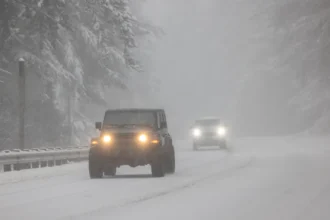
Meteorologists report that the incoming system could produce snowfall totals measured in feet in some regions, especially across upstate and western New York. Strong winds are expected to create near whiteout conditions, significantly reducing visibility and making travel extremely hazardous.
In downstate areas, the New York winter storm may bring a complex mix of snow, sleet, and freezing rain. This combination increases the likelihood of icy roads, downed trees, and damaged power lines. Rapid snowfall rates could overwhelm plowing operations, particularly during peak overnight hours.
Transportation and Travel Disruption
Transportation officials are warning that major highways, local roads, and bridges may become impassable as conditions deteriorate. Public transit systems are preparing for service interruptions, while airports across the state anticipate widespread flight delays and cancellations.
During a New York winter storm, even short trips can become dangerous due to sudden visibility loss and slick surfaces. Authorities strongly advise residents to avoid unnecessary travel and to follow official road closure announcements to prevent accidents and allow emergency crews to operate safely.
Power Outages and Infrastructure Risks
Heavy snow accumulation combined with strong wind gusts poses a serious threat to electrical infrastructure. Downed power lines and falling tree limbs can lead to prolonged outages, especially in rural and suburban areas.
Utility companies have staged crews and equipment in advance, but officials caution that restoration efforts may take time if conditions remain severe. During a New York winter storm, residents are encouraged to prepare for possible power loss by charging devices, securing flashlights, and using only safe alternative heating sources indoors.
Emergency Response and Public Safety Measures
State police, local law enforcement, fire departments, and emergency medical teams are operating under heightened readiness. Shelters and warming centers are being prepared to support residents who lose heat or electricity.
The emergency declaration ensures that resources can be deployed quickly and without bureaucratic delay. A New York winter storm places enormous pressure on emergency services, which is why officials emphasize limiting travel and reserving emergency calls for true emergencies.
Lessons from Past Winter Storms
New York has endured several historic winter storms over the past decades, some resulting in extended power outages, major economic losses, and tragic loss of life. These events have shaped how emergency management agencies plan for severe weather today.
When a New York winter storm of this scale is forecast, officials rely on lessons learned to act earlier, communicate more clearly, and prioritize prevention. Early declarations and consistent messaging have proven effective in reducing storm related injuries and fatalities.
How Residents Can Prepare at Home
Emergency management officials recommend that households prepare at least three to five days of essential supplies. This includes nonperishable food, drinking water, prescription medications, and necessary medical equipment.
Before the New York winter storm arrives, residents should also check heating systems, insulate exposed pipes, and ensure smoke and carbon monoxide detectors are working properly. Vehicles should be fueled, and emergency kits stocked with blankets, food, and communication tools.
Impact on Schools, Businesses, and Daily Life
School districts across the state are closely monitoring forecasts and may cancel in person classes or shift to remote learning. Childcare services, government offices, and community programs could also experience delays or closures.
Businesses that depend on transportation, deliveries, or foot traffic may face temporary shutdowns. A New York winter storm can disrupt economic activity, but officials stress that prioritizing safety helps avoid more severe long term consequences caused by accidents or infrastructure damage.
Community Responsibility and Cooperation
Authorities emphasize that individual actions play a major role in overall safety outcomes. Checking on elderly neighbors, avoiding unnecessary travel, and following official advisories can make a meaningful difference during extreme weather.
During a New York winter storm, community cooperation reduces strain on emergency services and speeds recovery efforts once conditions improve. Officials remind residents that preparation and patience are key components of resilience.
Advances in Weather Forecasting
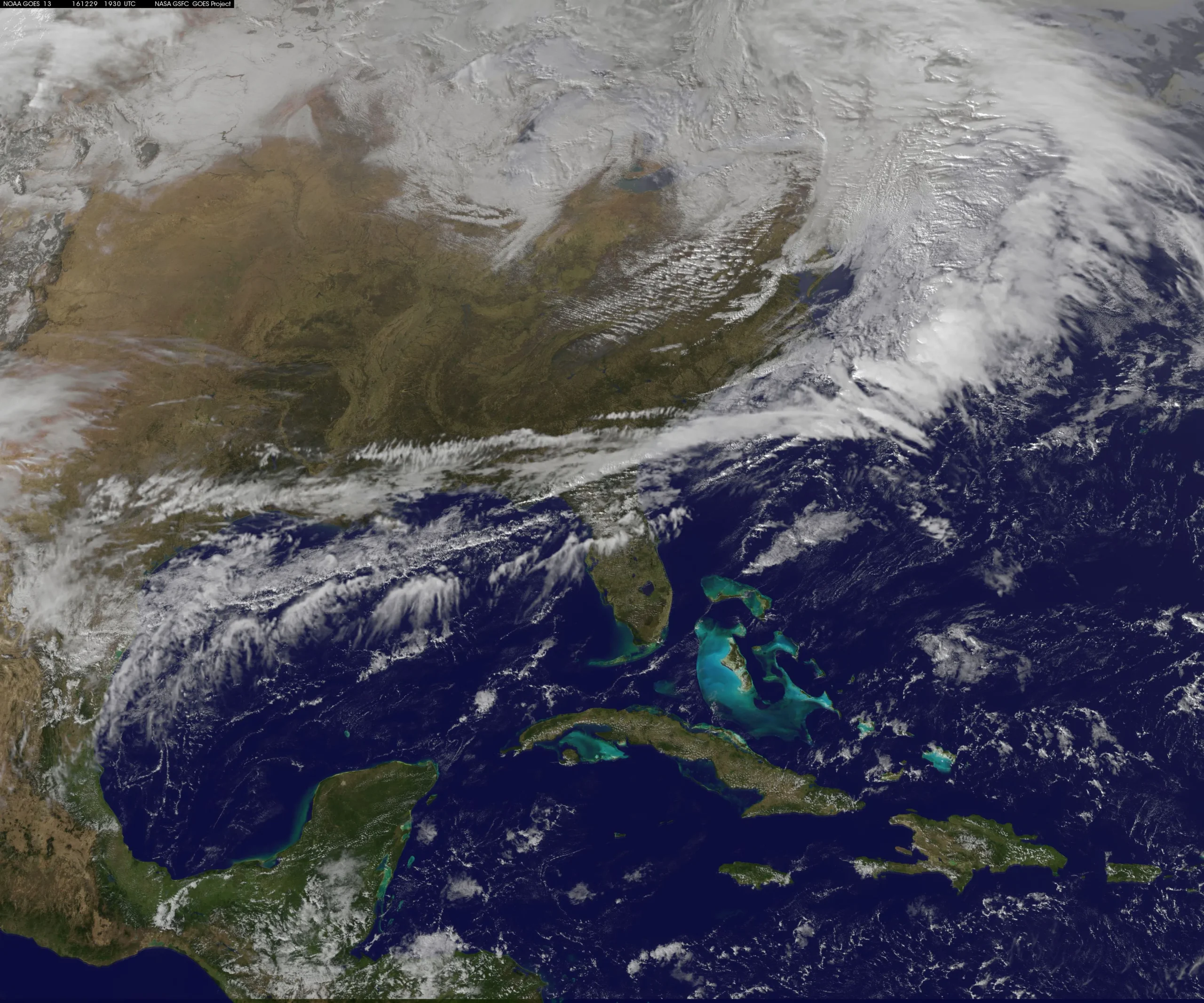
Modern forecasting tools allow meteorologists to track storms with remarkable accuracy. Satellite imagery, radar systems, and advanced computer models help predict snowfall totals, wind speeds, and impact zones days in advance.
Despite these advancements, uncertainty remains. This is why emergency declarations are issued proactively when models indicate significant risk. A New York winter storm can still change course or intensify rapidly, making early preparedness essential.
Recovery and Cleanup After the Storm
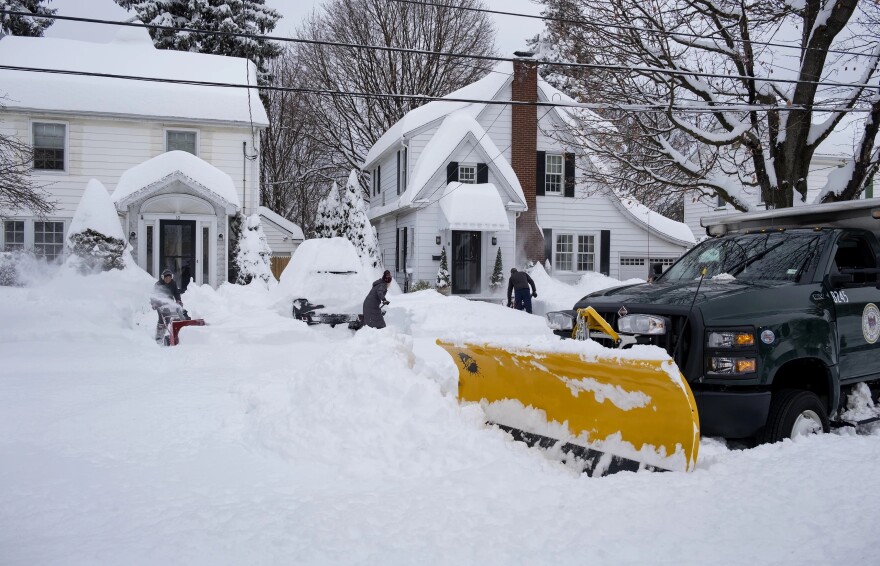
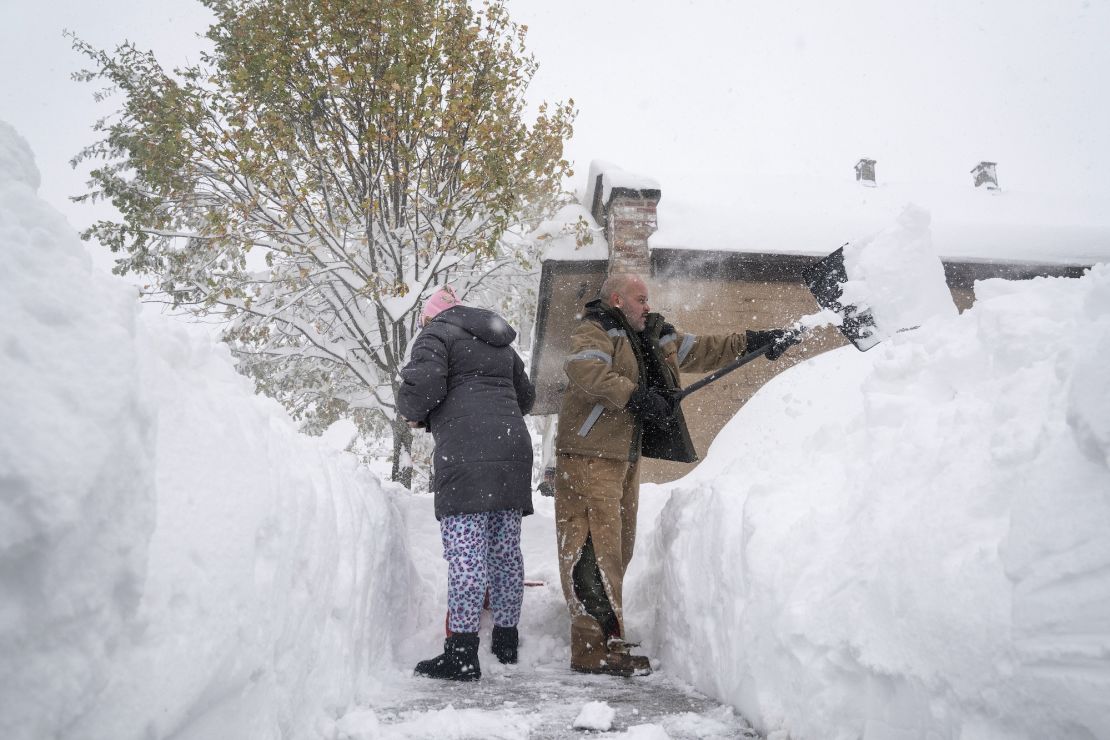
Once snowfall ends and winds subside, recovery efforts will focus on clearing roads, restoring power, and assessing infrastructure damage. Snow removal crews will work around the clock, prioritizing major routes, hospitals, and emergency facilities.
The aftermath of a New York winter storm can last days or even weeks in the hardest hit regions. Residents are urged to remain cautious during cleanup, as icy conditions and hidden hazards often persist after the storm passes.
The approaching New York winter storm represents one of the most serious winter weather threats the state has faced in years. With a state of emergency in place, officials are taking decisive steps to protect lives, infrastructure, and essential services.
By preparing early, staying informed, and following official guidance, residents can reduce risks and help their communities recover more quickly. As conditions evolve, state and local agencies will continue to provide updates to ensure public safety remains the top priority.