

Belgium, a vibrant and diverse country at the crossroads of Europe, offers a wide array of housing options suited to its multicultural population and economic landscape. Whether you are an expat moving to Belgium for work or study, a local looking to settle down, or an investor exploring property markets, understanding the types of housing available—and how the market functions—is essential.
- Overview of Housing in Belgium
- Common Types of Housing in Belgium
- Housing in Belgium for Foreigners: Renting vs Buying
- What Is the 30% Ruling?
- Understanding Belgian Rental Laws
- Buying Property in Belgium: Process and Considerations
- Costs Associated with Home Purchase
- Mortgages in Belgium
- Finding Housing: Resources and Practical Tips
Overview of Housing in Belgium
Housing in Belgium is characterized by a mix of property ownership and rental arrangements, with a uniquely strong tenant protection system that makes renting a secure and attractive option.
According to Eurostat, approximately 40% of Belgians live in semi-detached houses, reflecting the country’s emphasis on family homes with modest gardens. Additionally, the OECD notes that a large portion of the population owns property with outstanding mortgages, indicating a balanced market between ownership and renting.
Compared to neighboring countries, Belgium’s housing is generally more affordable, although transaction costs such as registration fees and notary charges can elevate the total expense of buying property. Expats often find renting an easier entry point, avoiding the complexities of buying in a foreign market with region-specific regulations.
Common Types of Housing in Belgium
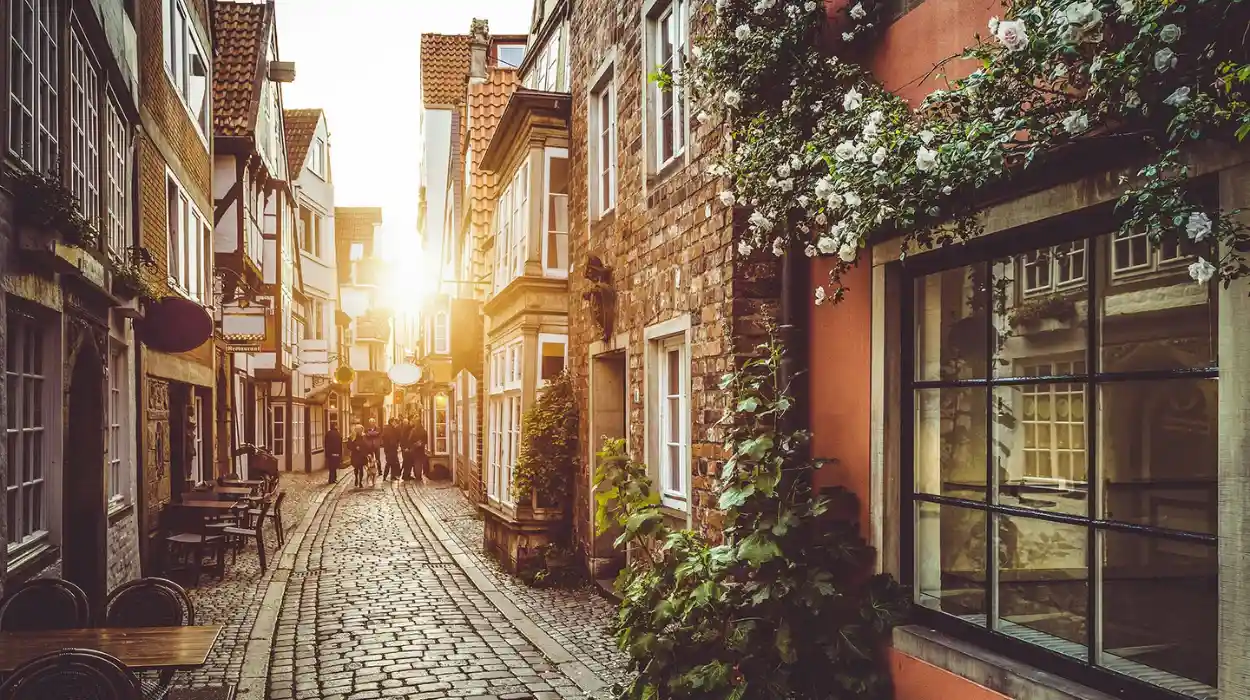
Belgium offers a variety of housing types that cater to different lifestyles, family sizes, and budgets. Here’s a detailed look at the most prevalent options:
1. Apartments and Flats
Apartments (flats) are common in urban and suburban areas and range from studio units to multi-bedroom dwellings. Many older cities feature historic buildings converted into apartments, while newer developments offer modern, energy-efficient designs.
Renting or purchasing an apartment is popular among young professionals, singles, and small families, especially in cities like Brussels, Antwerp, and Ghent.
2. Semi-Detached Houses
Semi-detached homes, sharing a common wall with one neighboring house, are the most widespread housing type in Belgium. These homes typically provide a private garden or yard, making them attractive to families who want a balance of space and affordability.
These houses can be found both within city limits and in the periphery, offering diverse neighborhood environments.
3. Detached Houses
Detached houses stand alone without shared walls and usually offer more extensive outdoor space and privacy. These homes are common in rural and suburban areas and appeal to residents seeking more significant investments in their property.
Detached homes tend to be pricier and entail higher maintenance responsibilities.
4. Terraced Houses (Row Houses)
These are a string of identical or mirrored houses sharing side walls, prevalent in working-class neighborhoods and some urban centers. Terraced houses maximize space efficiency and community living, with varying styles ranging from historic to contemporary.
5. Social Housing
Belgium also provides social housing, which is subsidized accommodation aimed at individuals and families on lower incomes. These housing units can be apartments or houses maintained by social housing associations and offered at reduced rent.
Availability varies by region, and eligibility requires meeting specific income and residency criteria.
Housing in Belgium for Foreigners: Renting vs Buying
Foreign residents have access to all forms of housing in Belgium without restrictions on property ownership, regardless of residency status. Renting is often preferred by expats who value flexibility and wish to avoid the upfront costs and obligations of home buying.
Renting markets are generally stable with well-regulated contracts that offer tenants considerable protections against eviction.
When renting, typical requirements include proof of identity, residence permits if applicable, and financial solvency. Payment of a security deposit, usually equivalent to two or three months’ rent, is standard, and leases are typically concluded for nine years, though shorter agreements can be made.
Buying property is feasible for foreigners but requires understanding regional legal nuances. For example, transaction fees—covering registration taxes, notary fees, and agency commissions—can add 11 to 15% to the purchase price, significantly impacting the overall cost. Buyers should be prepared to stay in the property for several years to offset these initial expenses and benefit from property capital appreciation.
What Is the 30% Ruling?
The “30% ruling” is a tax benefit specific to expatriates moving to Belgium for professional reasons. This ruling allows qualified foreign workers to receive 30% of their gross salary tax-free, compensating for extra costs associated with relocating abroad.
While the 30% ruling is primarily a fiscal advantage, its presence indirectly affects housing choices. Expats benefiting from this regime might find increased affordability, allowing them to consider purchasing property or securing higher-end rental accommodation.
However, eligibility criteria are strict, and applicants must meet conditions such as possessing specific expertise not readily available in Belgium and relocating from abroad for professional purposes.
Understanding Belgian Rental Laws
Belgian rental laws are well-known for their strong tenant protections, creating a rental market where tenants benefit from long-term security and clearly defined rights. For instance, landlords are required to provide a minimum of six months’ notice before terminating a lease, and they must have valid reasons such as personal use of the property or major renovation plans.
Tenants also have the right to request lease extensions, with any disputes typically settled through tribunals or with the help of tenant associations serving as mediators.
Regarding property maintenance, tenants are generally responsible for the upkeep specified in their tenancy agreements, which often includes minor repairs and cosmetic tasks, while landlords handle structural repairs. Security deposits are regulated and capped at a maximum of three months’ rent.
Furthermore, tenant insurance is mandatory in the regions of Flanders and Wallonia, and although it is not legally required in Brussels, some landlords may include it as a condition in the rental contract. Together, these regulations establish a balanced rental environment that protects tenants while also respecting landlord interests.
Buying Property in Belgium: Process and Considerations
Buying a home in Belgium involves several important stages. Initially, the buyer makes a written offer known as the commitment to buy, which can still be withdrawn without penalty; this stage sometimes involves paying a small holding deposit.
Following this, a sale agreement—referred to as the compromis de vente or verkoopcompromis—is signed, legally binding both buyer and seller and usually requiring a 10% deposit.
After this agreement, the buyer typically has four months to arrange financing, such as securing a mortgage. The final stage is the notarized deed, or acte notarié, which is signed before a notary and officially transfers ownership of the property to the buyer, thus completing the sale.
It is important to note that regional variations can influence some details of this process, so most buyers work closely with estate agents and notaries to navigate these complexities smoothly..
Costs Associated with Home Purchase
While Belgium offers relatively affordable housing prices compared to many EU peers, additional costs are significant:
- Registration taxes apply on resale properties and vary by region.
- VAT is applied on new builds or properties under two years old.
- Notary fees and administrative costs typically range from 0.2% to 4% of the purchase price.
- Estate agent fees, usually between 0.2% and 0.6%, may also apply.
Prospective buyers must budget for these to accurately understand total expenditure.
Mortgages in Belgium
Obtaining a mortgage in Belgium is open to foreigners without major restrictions. Lenders generally require that monthly repayments do not exceed 35% of the borrower’s income. Mortgages typically come in three forms:
- Fixed-rate mortgages provide payment stability with fixed interest rates over the loan term.
- Variable-rate mortgages fluctuate with market conditions and may offer lower initial payments.
- Combined-rate mortgages mix both fixed and variable components but often include conditions such as banking relationships.
Mortgage applicants might need a property valuation by an approved surveyor as part of lender requirements.
Finding Housing: Resources and Practical Tips
Several online portals and agencies, such as Spotahome, Immoweb, HousingAnywhere, and BBF Apartments, assist both residents and foreigners in searching for homes across Belgium, offering a wide range of listings that include rental apartments, family houses, and new developments.
When house hunting, it is advisable to view properties multiple times before deciding to ensure they meet your needs and expectations. Understanding tenant rights and responsibilities is also crucial to avoid disputes and ensure a smooth rental experience.
Additionally, seeking the help of bilingual estate agents can be beneficial in navigating the language barriers and legal complexities often encountered in the Belgian housing market.
Finally, prospective tenants or buyers should take time to investigate the surrounding neighborhood communities to determine whether they align with their desired lifestyle and living preferences.
Belgium’s diverse housing market, blending affordable family homes with urban apartments and social housing, creates ample opportunities for residents and foreigners alike. Securing a home in Belgium involves understanding regional legal frameworks, knowing one’s rights in rental agreements, and being aware of purchase processes and costs.
For expats, the 30% ruling offers significant financial relief, indirectly easing the quest for accommodation. Whether choosing to rent or buy, investing time in research and engaging professional advice pays off by ensuring a smooth transition into Belgian life.
With a structured approach to housing, newcomers and locals can find properties that suit their lifestyle and preferences, contributing to a satisfying living experience in this culturally rich European nation.
Dear reader,
Opinions expressed in the op-ed section are solely those of the individual author and do not represent the official stance of our newspaper. We believe in providing a platform for a wide range of voices and perspectives, even those that may challenge or differ from our own. We remain committed to providing our readers with high-quality, fair, and balanced journalism. Thank you for your continued support.