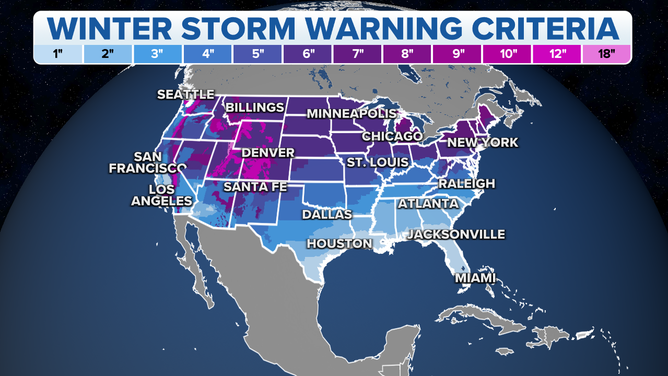
United States, January, 2026: Brussels Morning Newspaper notes that federal and state authorities have placed vast sections of the country under a winter storm warning as a powerful and expansive cold-weather system advances eastward, threatening widespread disruption to transportation networks, energy infrastructure, economic activity, and public safety across multiple regions.
- A Weather System Unfolding at National Scale
- Transportation Networks Under Severe Pressure
- Extreme Cold Elevates Public Health Risks
- Energy Infrastructure Faces Mounting Strain
- Economic Activity Slows Across Multiple Sectors
- Schools and Public Institutions Shift Operations
- Emergency Response Efforts Expand Nationwide
- Climate Patterns Contribute to Storm Intensity
- Rural Communities Face Distinct Challenges
- Urban Centers Manage Snow and Ice Control
- Digital Connectivity Softens Some Disruption
- Information Accuracy Becomes a Safety Priority
- Household Preparedness Remains Central
- Recovery Planning Begins Before the Storm Ends
- When Winter Weather Tests National Readiness
A Weather System Unfolding at National Scale
Meteorologists describe the developing storm as one of the most geographically extensive winter events of the season. The system stretches from the central Plains into the Midwest and Northeast, while southern regions experience freezing rain and rapidly falling temperatures. Officials say the winter storm warning reflects the convergence of multiple hazardous elements rather than a single isolated threat.
Weather models indicate that Arctic air moving southward has collided with moisture-rich systems from the Pacific and Gulf regions. This interaction has intensified snowfall rates and expanded ice formation zones, particularly across densely populated corridors where infrastructure demand is highest.
Transportation Networks Under Severe Pressure
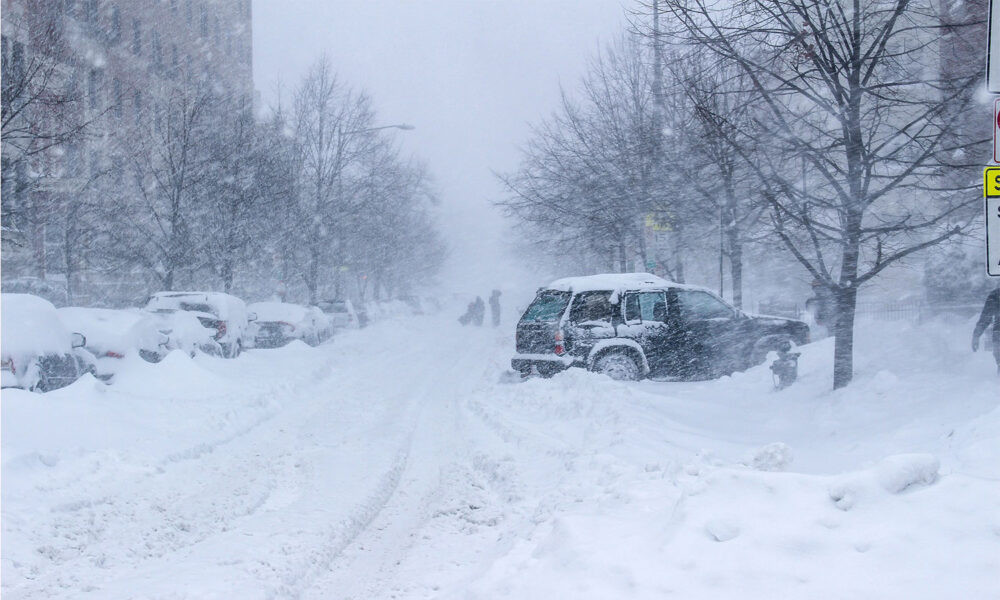
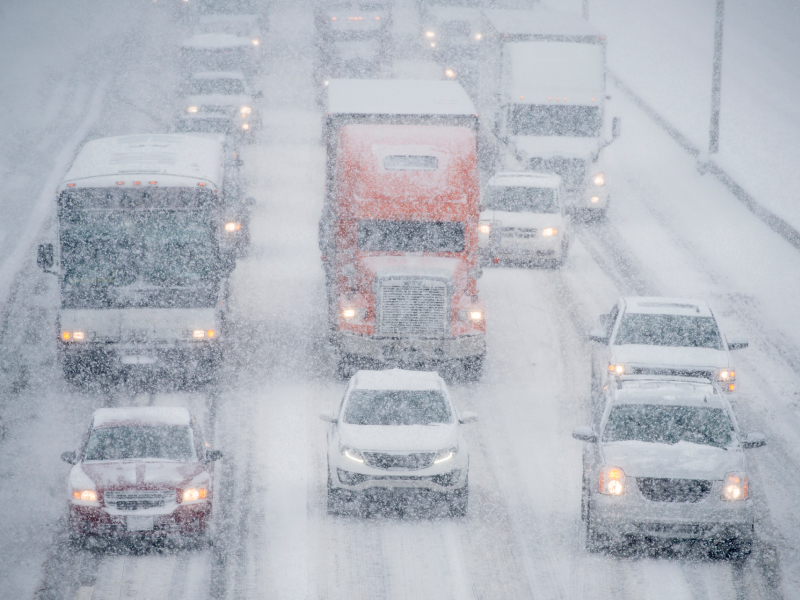
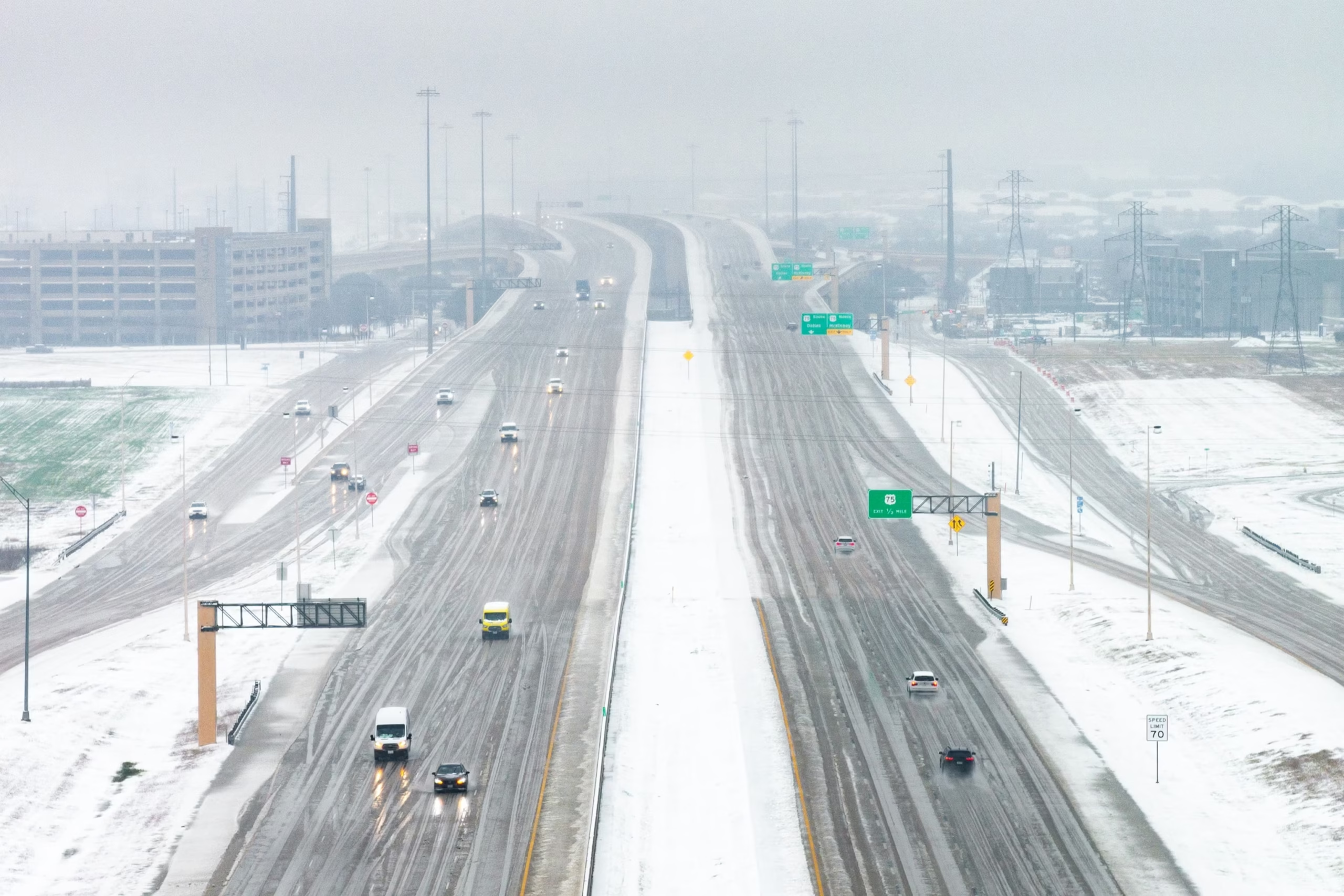
Roadways across several states are becoming increasingly dangerous as snow and ice accumulate faster than crews can clear them. Transportation agencies are urging motorists to delay nonessential travel, warning that stalled vehicles and accidents could quickly overwhelm emergency services. The winter storm warning has already led to widespread highway closures and restrictions on freight movement.
Air travel has been heavily affected, with major airports experiencing cancellations and long delays. Runway icing, low visibility, and staffing constraints are forcing airlines to reduce operations. Rail services have also scaled back, particularly in regions where ice threatens power supply lines and track safety.
Extreme Cold Elevates Public Health Risks
Beyond snowfall, plunging temperatures present a serious threat to human health. Forecasts show wind chills dropping to levels capable of causing frostbite within minutes. Health officials warn that prolonged exposure during a winter storm warning significantly increases the likelihood of hypothermia, especially among older adults, children, and individuals without stable housing.
Emergency departments are preparing for a rise in cold-related injuries, including falls on icy surfaces. Outreach efforts are intensifying to ensure vulnerable populations have access to warming centers and medical assistance.
Energy Infrastructure Faces Mounting Strain
Electric utilities are bracing for widespread power disruptions as ice accumulation weighs down transmission lines and high winds damage equipment. Restoration efforts may be slowed by hazardous conditions, limiting access for repair crews. Officials caution that outages during a winter storm warning can last longer than typical winter disruptions.
Residents are being advised to conserve energy where possible and to use heating devices safely. Authorities continue to warn against indoor use of generators or open flames, which pose serious fire and carbon monoxide risks.
Economic Activity Slows Across Multiple Sectors
The storm’s reach is already affecting business operations nationwide. Manufacturing plants, distribution centers, and retail stores are adjusting schedules or temporarily closing to protect workers and inventory. Analysts note that compliance with a winter storm warning often results in short-term economic slowdown but helps prevent more severe losses linked to accidents and infrastructure damage.
Supply chains reliant on trucking are particularly vulnerable, as icy roads delay deliveries of food, fuel, and medical supplies. Some regions are experiencing temporary shortages as logistics networks struggle to adapt.
Schools and Public Institutions Shift Operations
Educational institutions across affected states are announcing closures, delayed openings, or transitions to remote learning. Government offices are implementing emergency staffing plans to maintain essential services. Officials emphasize that adherence to guidance during a winter storm warning reduces strain on emergency responders.
Parents and caregivers are encouraged to follow local announcements and avoid unnecessary travel during peak storm conditions.
Emergency Response Efforts Expand Nationwide
Federal, state, and local emergency management agencies are coordinating resources as conditions worsen. Warming shelters have opened in cities and rural areas alike, while outreach teams work to reach isolated communities. During a winter storm warning, coordination between agencies is critical to ensuring timely response and resource allocation.
One senior emergency official said,
“Preparedness at the household and community level remains the most effective way to reduce harm during severe winter conditions.”
Climate Patterns Contribute to Storm Intensity
Climate researchers point to broader atmospheric trends that have increased the severity of winter systems. Shifts in jet stream behavior and rising atmospheric moisture have amplified snowfall potential. While winter storms are seasonal, the scale of the current winter storm warning aligns with patterns of growing climate variability observed over recent years.
Experts stress that adapting infrastructure to withstand more frequent extremes will be essential in the decades ahead.
Rural Communities Face Distinct Challenges
In rural regions, the storm presents unique risks. Livestock protection, frozen water supplies, and limited access to emergency services complicate response efforts. Communities under a winter storm warning may experience longer recovery times due to distance from repair crews and supply hubs.
Agricultural agencies are advising farmers to secure feed supplies, protect equipment, and monitor animal health closely.
Urban Centers Manage Snow and Ice Control
Major cities are deploying snowplows, de-icing equipment, and emergency crews around the clock. Priority is being given to hospitals, fire stations, and transit corridors. Officials acknowledge that the scale of the winter storm warning may temporarily exceed municipal capacity despite extensive preparation.
Residents are urged to comply with snow-removal regulations and avoid obstructing emergency routes.
Digital Connectivity Softens Some Disruption
Remote work and digital services have reduced the economic impact for some sectors. Financial institutions and technology firms report stable operations despite the winter storm warning, underscoring how digital infrastructure has reshaped resilience during weather emergencies.
However, essential workers in healthcare, transportation, and utilities remain exposed to hazardous conditions.
Information Accuracy Becomes a Safety Priority
Authorities emphasize the importance of relying on verified forecasts and official alerts. Misinformation during a winter storm warning can lead to unnecessary travel and increased risk. Emergency managers urge residents to follow government agencies and local broadcasters for updates.
Clear communication remains a critical tool for public safety.
Household Preparedness Remains Central
Emergency agencies continue urging households to maintain supplies including food, water, medications, batteries, and flashlights. Vehicles should be winterized, and travel postponed until conditions improve. Following guidance associated with a winter storm warning significantly reduces emergency call volumes and injury rates.
Preparedness messaging is being reinforced across multiple platforms.
Recovery Planning Begins Before the Storm Ends
Even as the storm advances, planning for recovery is underway. Damage assessments, infrastructure repairs, and community assistance programs will extend beyond the immediate weather event. Lessons from the current winter storm warning are expected to shape future emergency planning and investment.
Long-term resilience remains a national focus.
When Winter Weather Tests National Readiness
As severe winter conditions continue to grip large parts of the country, the coming days will test the strength of infrastructure, coordination, and public awareness. The response to this storm underscores how preparation, cooperation, and timely information remain the strongest defenses against nature’s most demanding challenges.