Middle East – January 2026, According to Brussels Morning Newspaper that the debate over military strike consequences has intensified as regional tensions and global power rivalries intersect in increasingly volatile ways.policymakers, military planners, and humanitarian agencies are reassessing how even limited uses of force can generate outcomes far beyond initial objectives. From political destabilization to economic shock waves, the impact of modern warfare now extends well beyond the battlefield.
What distinguishes the current environment is not only the frequency of military action but the speed at which its effects spread. In an interconnected world, a single strike can influence alliances, markets, and public opinion within hours, reshaping strategic calculations across continents.
The Strategic Landscape of 2026
The Middle East in 2026 remains a region marked by unresolved conflicts, fragile ceasefires, and overlapping security interests. Within this environment, military strike consequences are no longer viewed as secondary considerations but as central factors in strategic decision making. Defense officials acknowledge that actions taken for immediate tactical advantage may produce strategic costs that outweigh short-term gains.
Analysts point out that the density of actors operating in close proximity increases the risk that one incident will trigger a cascade of responses. This reality has prompted renewed emphasis on restraint and scenario planning at the highest levels of government.
Evolution of Modern Warfare
Advances in technology have fundamentally altered how conflicts unfold. Precision-guided munitions, drones, and cyber capabilities allow strikes to be executed rapidly and with apparent accuracy. However, these same tools amplify military strike consequences by reducing reaction times and increasing the likelihood of misinterpretation.
Military historians note that while technology has improved targeting, it has not eliminated uncertainty. Instead, it has compressed decision windows, forcing leaders to act under intense pressure with incomplete information.
Civilian Exposure and Urban Conflict
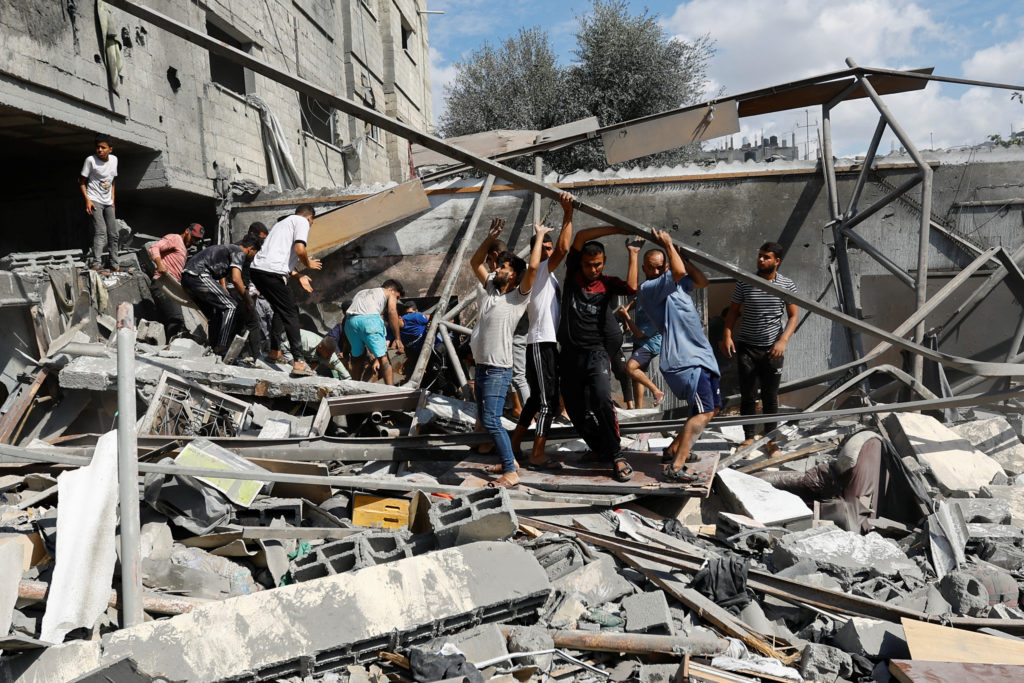
One of the most visible aspects of military strike consequences is the heightened risk to civilian populations. Modern conflicts increasingly occur in or near urban centers, where infrastructure and residential areas are tightly interwoven. Damage to power grids, water systems, and transportation networks can disrupt daily life long after hostilities subside.
Humanitarian organizations operating in the Middle East report that civilian harm often extends beyond immediate casualties. Displacement, loss of livelihoods, and limited access to essential services create enduring social challenges that persist for years.
Regional Escalation Risks
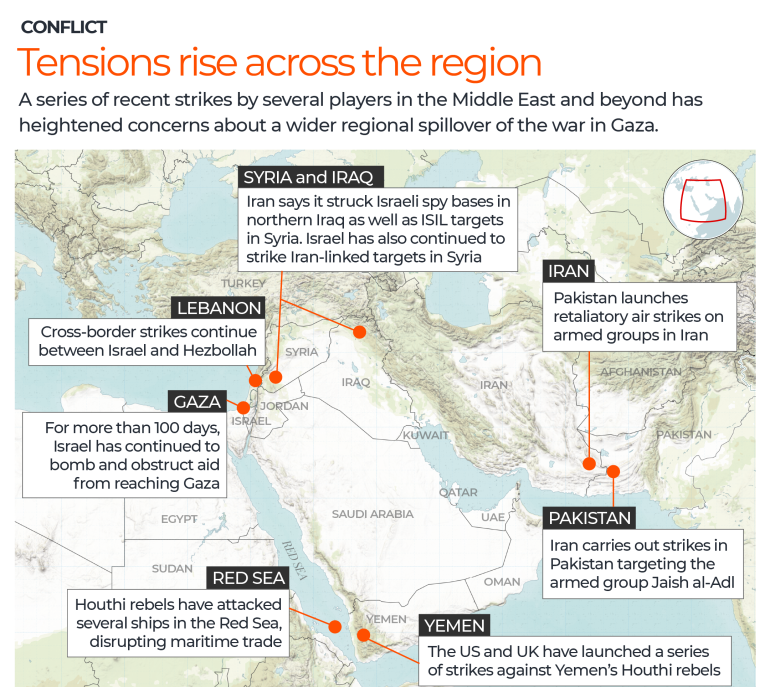
Regional escalation remains a core concern when assessing military strike consequences. A strike intended as a warning can be perceived as an opening move, prompting retaliation by state or non-state actors. In regions with complex alliance structures, such reactions may draw in additional parties.
Security experts emphasize that escalation is frequently driven by obligation rather than intent. Allies may feel compelled to respond to maintain credibility, even if they seek to avoid broader conflict.
Economic and Energy Implications
The economic dimension of military strike consequences reaches far beyond conflict zones. The Middle East’s role in global energy markets means that instability can affect oil and gas prices worldwide. In 2026, markets remain highly sensitive to geopolitical signals, with even brief escalations triggering volatility.
Economists warn that uncertainty alone can slow investment and disrupt trade. Shipping routes, insurance costs, and supply chains all respond quickly to perceived risk, amplifying the economic impact of military action.
Diplomatic Fallout and Trust Deficits
Diplomatic relationships are often strained by military strike consequences. Strikes can derail negotiations, harden positions, and reduce trust between parties. Even allies may disagree over proportionality and timing, complicating coalition management.
Diplomats argue that rebuilding trust after military action is significantly harder than preserving it beforehand. This reality underscores the importance of sustained dialogue even during periods of tension.
Legal and Normative Challenges
International law provides a framework for evaluating military strike consequences, focusing on necessity, proportionality, and civilian protection. Allegations of violations can lead to international condemnation, legal proceedings, and reputational damage.
Legal scholars note that legitimacy plays a crucial role in shaping international responses. Actions perceived as unlawful or excessive can isolate states and weaken their diplomatic standing.
Information Warfare and Public Opinion
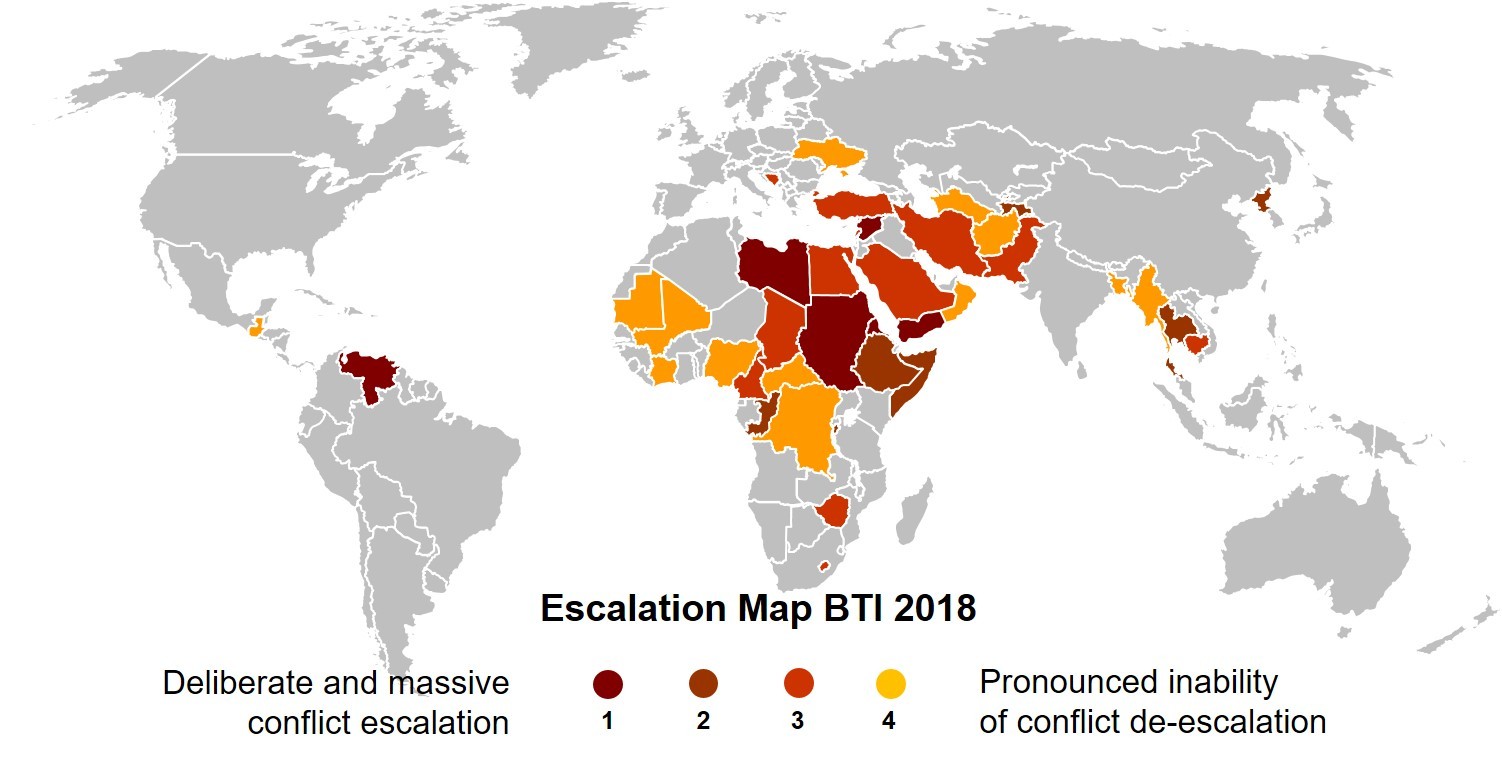
In the digital age, military strike consequences are magnified by information flows. Images, videos, and narratives spread rapidly through social media and global news outlets, shaping public perception before investigations are complete.
Media analysts caution that misinformation can escalate tensions by inflaming public sentiment. Governments face pressure to respond quickly, sometimes at the expense of careful deliberation.
Military Doctrine Under Reassessment
Defense institutions are revisiting doctrine in light of evolving military strike consequences. Traditional assumptions about deterrence and limited force are being questioned as outcomes grow less predictable. Planners increasingly advocate integrated approaches that combine military readiness with diplomatic engagement and economic tools.
Strategists argue that success in modern conflicts depends as much on managing aftermaths as on executing strikes.
Expert Assessment on Strategic Risk
One senior regional security analyst observed,
“In today’s interconnected environment, the consequences of a single strike can cascade across political, economic, and humanitarian domains faster than any plan anticipates.”
This assessment reflects a growing consensus among experts that restraint can be a strategic advantage.
Alliance Dynamics and Collective Response
Alliances play a significant role in shaping military strike consequences. Collective defense arrangements enhance deterrence but also constrain unilateral decision making. Member states must consult and coordinate, which can slow responses or complicate crisis management.
Alliance officials stress the importance of consultation mechanisms to prevent misunderstandings and unintended escalation.
Humanitarian Access and Long-Term Recovery
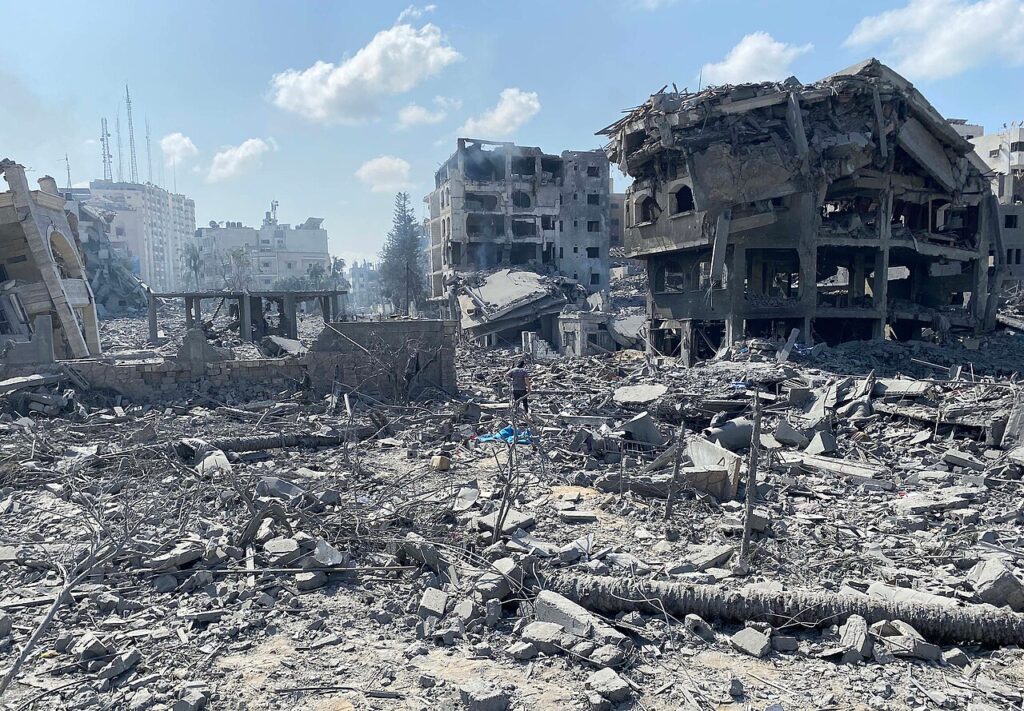
Humanitarian access is often restricted by military strike consequences. Insecurity, damaged infrastructure, and political barriers can limit aid delivery. Civilians frequently face prolonged hardship as reconstruction lags behind immediate relief.
Aid agencies emphasize the need for protected corridors and sustained funding to address long-term recovery needs.
Technology, Automation, and Escalation
Automation introduces new dimensions to military strike consequences. Automated defense systems and rapid response platforms can reduce human error but also increase the risk of accidental escalation. Human oversight remains essential to prevent unintended outcomes.
Technology experts warn that reliance on automation without safeguards can magnify mistakes during high-pressure situations.
Preventive Diplomacy and Risk Reduction
Preventing severe military strike consequences requires proactive diplomacy. Confidence-building measures, communication hotlines, and arms control initiatives can reduce the risk of miscalculation. While less visible than military action, such efforts are often more effective in preserving stability.
Diplomats argue that prevention should be treated as a core component of security policy rather than an afterthought.
Global Security Architecture
At the global level, repeated military strike consequences influence the broader security architecture. Normalization of force as a policy tool weakens international norms and increases acceptance of coercion. Over time, this trend erodes collective security frameworks.
International organizations warn that unchecked escalation risks creating a more fragmented and unstable world order.
Lessons Emerging in 2026
As 2026 unfolds, policymakers increasingly recognize that understanding military strike consequences is essential for effective governance. Lessons from recent conflicts highlight the need for comprehensive impact assessments before authorizing force.
Analysts stress that learning from past miscalculations is critical to avoiding repetition.
When Power Decisions Echo Beyond the Battlefield
The evolving security environment demonstrates that force rarely ends where it begins. In the Middle East and beyond, military strike consequences continue to shape politics, economies, and societies in ways that challenge traditional notions of control. Managing these realities may define the effectiveness of global leadership in the years ahead.