Izegem (Brussels Morning Newspaper) January 16, 2026 – A man suffered life-threatening carbon monoxide poisoning after using a barbecue inside a squat in Izegem. Emergency services transported him to hospital where he received urgent treatment for high CO blood levels. Firefighters ventilated the property and declared it safe after confirming no further contamination.
- Emergency Response and Medical Intervention
- Carbon Monoxide Poisoning Mechanism Explained
- Squat Location and Building Characteristics
- Fire Service Safety Protocols Followed
- Hospital Treatment Timeline
- Local Authority Statements Released
- Carbon Monoxide Incident Statistics
- Prevention Measures Recommended by Authorities
- Victim Profile and Recovery Status
- Building Owner Legal Responsibilities
- Fire Brigade Operational Debriefing
- Health Impacts of CO Poisoning Documented
- Regional Squatting Trends Monitored
- Emergency Services Coordination Confirmed
- Public Health Winter Safety Campaign Details
- Medical Follow-Up Protocols Established
- Local Media Coverage Extent
- Comparative CO Incidents Reviewed
- Municipal Emergency Planning Updates
- Fire Prevention Week Integration Plans
The incident occurred in an unoccupied building occupied informally by the man in Izegem, West Flanders. Local fire brigade responded to an emergency call reporting breathing difficulties and confusion symptoms. Medical teams administered oxygen therapy on site before hospital transfer.
Emergency Response and Medical Intervention
Izegem fire service dispatched two vehicles following the 101 call received at 19:45. Upon arrival, crews detected elevated carbon monoxide levels exceeding 400 ppm using portable detectors. Four firefighters entered wearing breathing apparatus to locate the victim unconscious near the barbecue device.
Paramedics stabilised the man with high-flow oxygen and hyperbaric consultation. Hospital blood gas analysis recorded carboxyhaemoglobin saturation at 42%, indicating severe poisoning. Patient regained consciousness after 4 hours of normobaric oxygen therapy.
Fire service conducted full atmospheric testing confirming source as charcoal combustion in unventilated space. Property evacuated as precaution pending ventilation completion.
Carbon Monoxide Poisoning Mechanism Explained
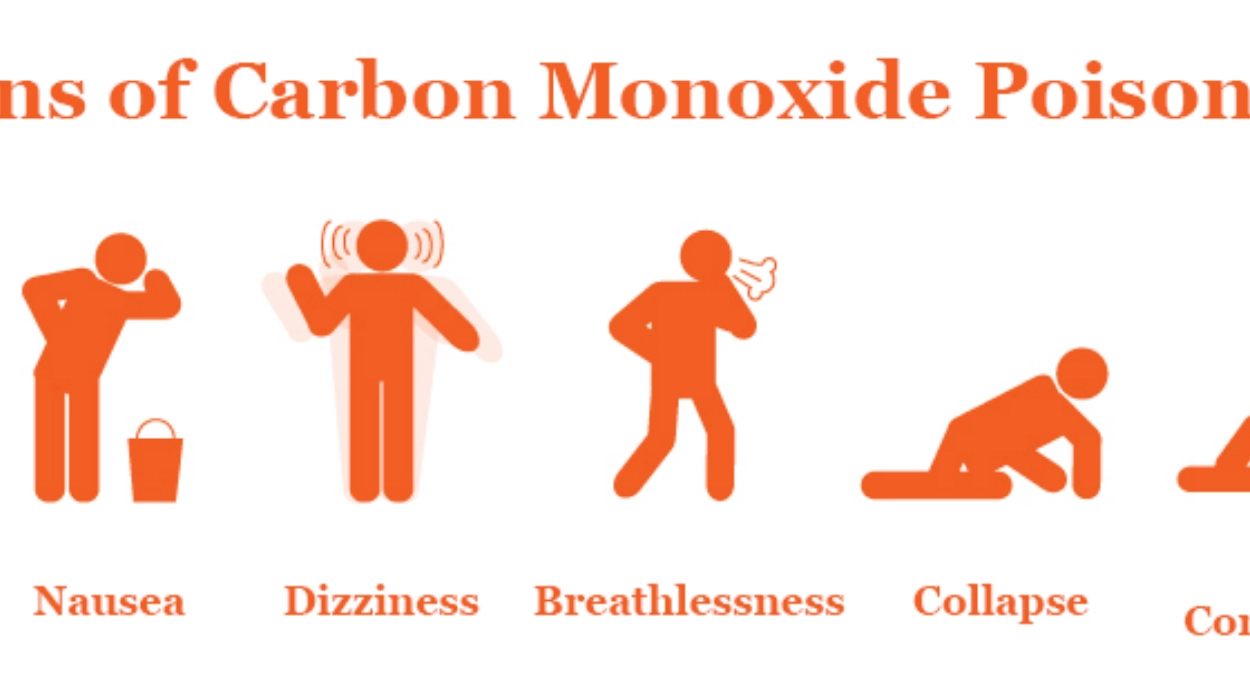
Barbecues produce CO through incomplete charcoal combustion lacking sufficient oxygen supply. Indoor use concentrates lethal gas rapidly in confined spaces. Symptoms mimic flu with headache, dizziness, and nausea progressing to unconsciousness.
Annual Belgian CO incidents average 50 hospitalisations with 15 fatalities per FPS Public Health data. Squat environments heighten risk due to poor ventilation and heating improvisations. Detectors absent in 95% of informal dwellings per prevention surveys.
Squat Location and Building Characteristics
Incident occurred at disused commercial property in Izegem’s industrial zone. Structure features single-storey layout with limited natural ventilation. Squatters occupied space three weeks prior using portable stoves for cooking.
No gas or electrical connections present forcing improvised heating solutions. Windows sealed with plastic sheeting reduced air exchange. Building owner notified post-incident for security assessment.
Fire Service Safety Protocols Followed
Incident commander established 50-metre exclusion zone during initial response. Positive pressure ventilation fans cleared atmosphere within 45 minutes. Thermal imaging verified no secondary fire sources or hot spots.
Post-mitigation air quality tested below 9 ppm confirming habitability restoration. Technical report filed with public prosecutor’s office per standard protocol. Neighbouring properties door-knocked for exposure symptoms.
Hospital Treatment Timeline
Victim admitted to Kortrijk AZ Groeninge toxicology unit at 21:15. Intravenous fluids commenced alongside 100% oxygen via non-rebreather mask. Serial carboxyhaemoglobin measurements tracked decline from 42% to 8% over 6 hours.
Neurological examination normal post-recovery with discharge planned 48 hours later. Patient received CO poisoning prevention counselling prior to release. Follow-up MRI scheduled one month post-exposure.
Local Authority Statements Released
Izegem burgomaster confirmed single victim with no community-wide risk. Fire department spokesperson highlighted indoor barbecue dangers during winter months. Public health inspectorate initiated awareness campaign targeting vulnerable housing.
Municipal social services contacted victim offering housing alternatives. Building owner instructed to secure premises against further occupation.
Carbon Monoxide Incident Statistics
West Flanders records 12 CO events annually averaging 2.4 per 100,000 inhabitants. Improper fuel combustion causes 65% of cases per VLAIO data. Barbecue misuse represents 18% of seasonal winter incidents.
National prevention strategy distributes 20,000 detectors yearly through social services. Fatalities declined 40% since 2015 mandatory installation laws in rental properties.
Prevention Measures Recommended by Authorities
Fire services distribute multilingual leaflets warning against indoor solid fuel devices. CO alarms mandated above €25 devices with 7-year lifespan. Annual battery replacement reminders sent via utility bills.
Squatting hotspots receive targeted patrols during cold months. Community centres host winter safety workshops reaching 5,000 residents yearly.
Victim Profile and Recovery Status
Man identified as 34-year-old unemployed construction worker originally from Eastern Europe. No underlying respiratory conditions noted in medical history. Full neurological recovery expected per hospital discharge summary.
Temporary accommodation arranged through OCMW social welfare service. Employment counselling activated alongside housing search assistance.
Building Owner Legal Responsibilities
Property legislation requires owners maintain structural safety regardless of occupancy status. Izegem planning department reviews squatting prevention measures. Fines apply for unsecured vacant commercial buildings exceeding 90 days.
Insurance coverage verified for liability claims arising from injuries. Structural survey confirms building stability post-incident.
Fire Brigade Operational Debriefing
After-action review identified 12-minute response time as sector benchmark. Equipment readiness rated 100% with full PPE compliance. Training refreshers scheduled on CO incidents for all 45 volunteers.
Public education request approved for 10 primary schools in Izegem catchment. Budget allocation confirmed for 200 household CO monitors.
Health Impacts of CO Poisoning Documented
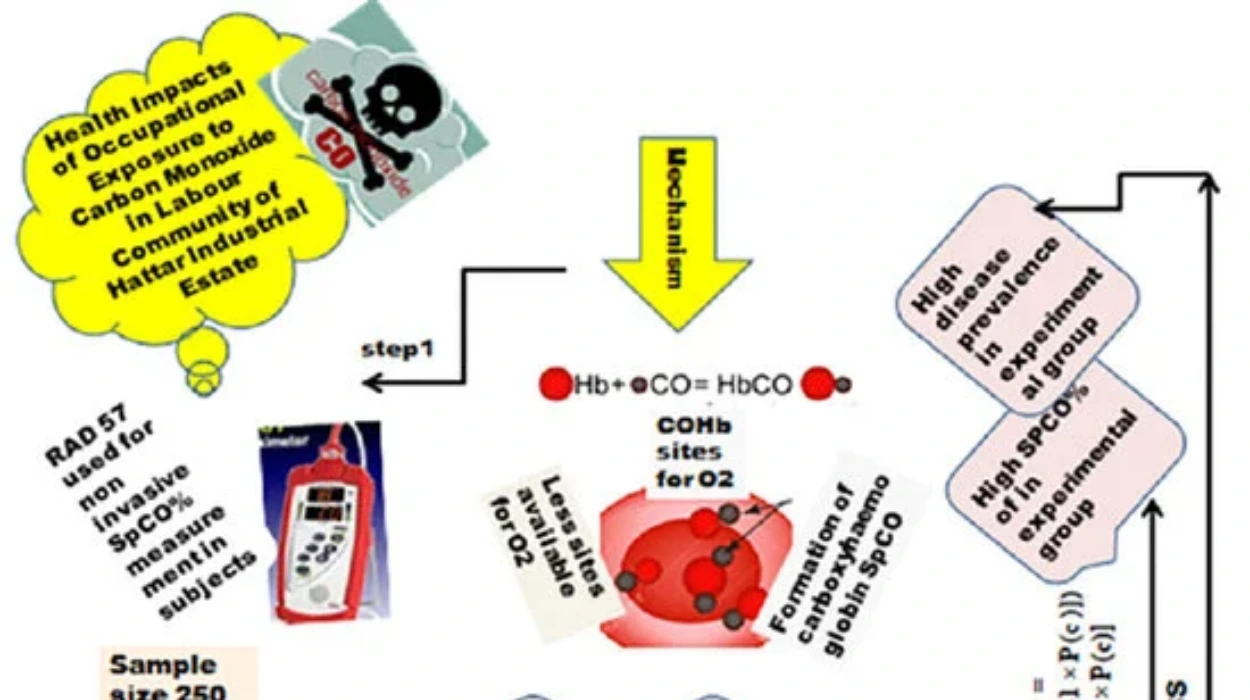
Acute exposure above 35% saturation causes myocardial ischaemia in healthy adults. Chronic low-level exposure produces cognitive deficits persisting 6 months. Pregnant women face 30% miscarriage risk above 25% exposure.
Belgian toxicology centres treat 800 CO cases yearly with 10% requiring hyperbaric therapy. Winter months account for 70% of presentations per Sciensano registry.
Regional Squatting Trends Monitored
West Flanders reports 180 squatting incidents annually concentrated in industrial estates. Courtrai-Izegem axis accounts for 35% of regional cases. Roeselare social housing waitlist exceeds 2,500 households.
Municipal anti-squatting ordinance approved 2024 mandates weekly patrols of vacant sites. Fines doubled for repeat owner violations.
Emergency Services Coordination Confirmed
Joint intervention involved fire, medical, and police units under unified command. Dispatch centre logged 18:47 first notification with 19:12 first arrival. Post-incident coordination meeting reviewed inter-agency protocols.
Public warning broadcast via local radio confirming all-clear status by 22:30.
Public Health Winter Safety Campaign Details
Flemish Agency for Care and Health launches annual “Koude Dagen” operation. 50,000 prevention kits distributed targeting homeless populations. Hotline receives 3,000 calls during December-February peak.
Partnerships with Red Cross deliver 15,000 hot meals weekly. CO awareness incorporated into 200 community centre sessions.
Medical Follow-Up Protocols Established
Outpatient toxicology clinic schedules monthly assessments for first year. Neuropsychological testing at 3, 6, and 12 months post-exposure. MRI monitoring detects delayed white matter lesions.
Patient registry tracks long-term outcomes contributing to national database. Annual reporting mandated under federal health decree.
Local Media Coverage Extent
VRT West news featured incident in 19:00 broadcast reaching 250,000 households. Het Laatste Nieuws published page 3 article with fire service photo. Local radio stations aired safety advisories hourly.
Social media posts by Izegem fire department garnered 8,000 views within 24 hours.
Comparative CO Incidents Reviewed
Roeselare tent heater incident hospitalised 4 persons December 2025. Kortrijk garage suicide attempt confirmed December 2024. Mouscron block heater malfunction evacuated 22 apartments.
National trend shows 15% annual decline since mandatory detector laws enacted.
Municipal Emergency Planning Updates
Izegem crisis centre activated level 1 response protocol. Mass casualty plan reviewed post-incident. Shelter agreements confirmed with 3 local hotels for future evacuations.
Budget increase approved for 20 additional CO monitors in social housing stock.
Fire Prevention Week Integration Plans
Annual campaign schedules 12 events across West Flanders municipalities. School visits reach 10,000 pupils with hands-on demonstrations. Senior citizen sessions cover 3,000 participants yearly. Corporate partnerships fund 5,000 detector installations in low-income housing.