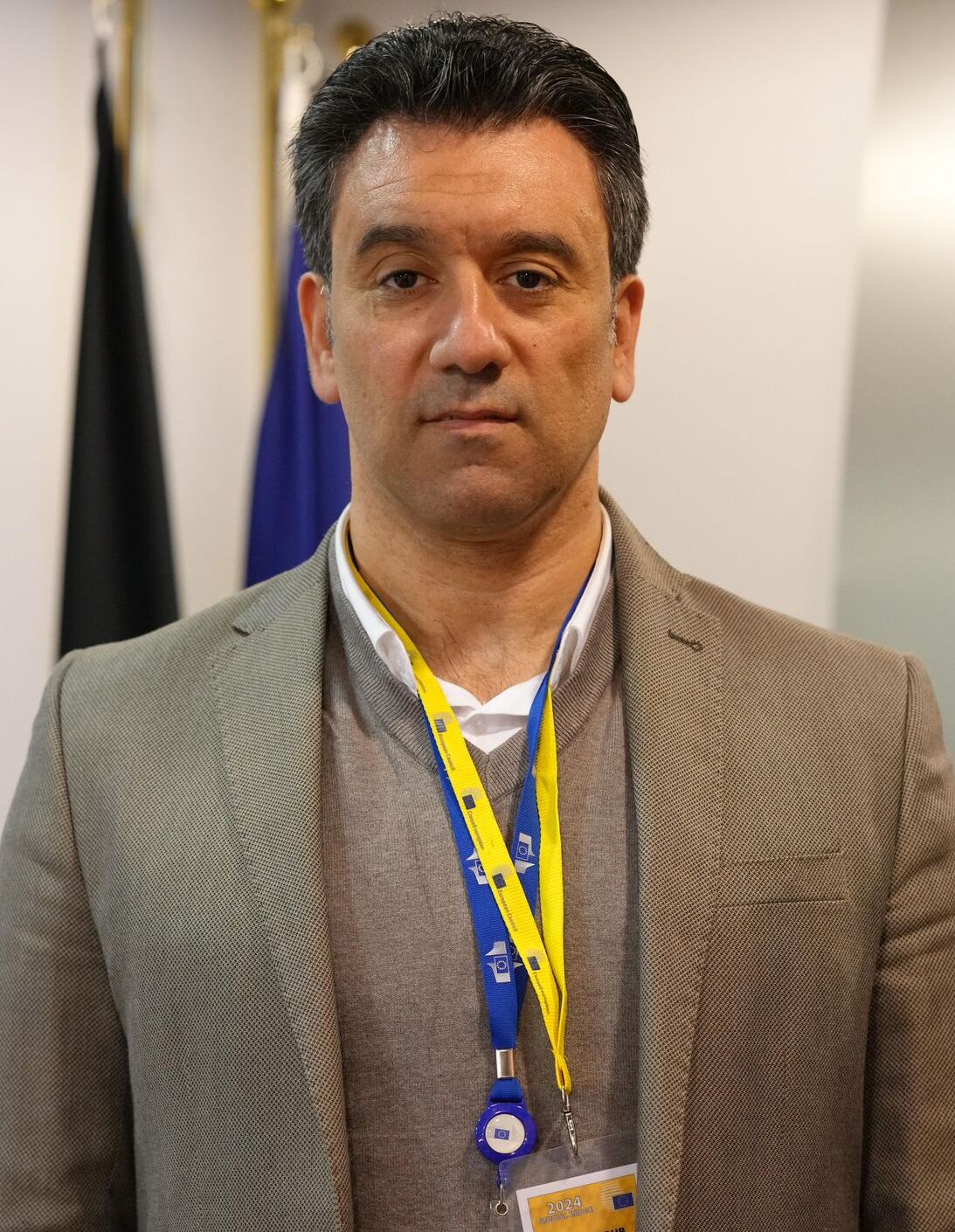
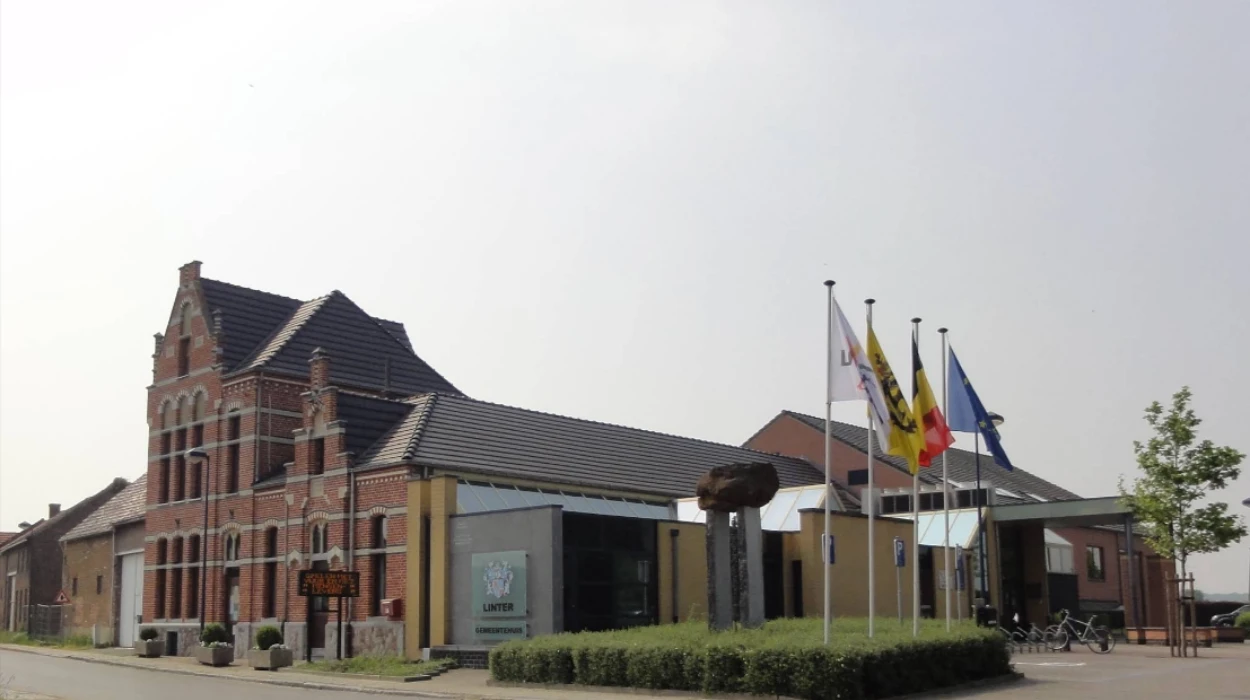
Linter (Brussels Morning Newspaper) – January 19, 2026 – Opposition leader in Linter has threatened to personally film city council meetings after the local authority refused requests to implement video streaming. The politician stated that “the image is unforgiving,” highlighting concerns over transparency in decision-making processes. This development underscores ongoing debates about public access to local governance in Belgium.
The main opposition figure in Linter, a municipality in Flemish Brabant, announced plans to record council sessions independently following the council’s rejection of proposals for official live streaming. This decision came during a recent meeting where councillors debated the logistical and financial implications of introducing video broadcasts. Residents and opposition members have called for greater openness, arguing that visual records would enhance accountability.
Background to the Streaming Dispute
Linter’s city council has operated without video streaming for years, relying on written minutes and occasional audio recordings. Requests for live broadcasts gained momentum in late 2025 amid broader discussions on digital transparency in Flemish municipalities. The opposition submitted formal proposals citing examples from nearby towns like Tienen and Sint-Truiden, where streaming has been implemented successfully.
Councillors in favour of streaming pointed to public interest in observing debates on local issues such as infrastructure, budgeting, and environmental policies. However, the majority expressed concerns over costs, privacy for participants, and potential misuse of footage on social media. No specific budget allocation was approved, leading to the formal refusal.
The opposition leader emphasised that physical presence at meetings limits public engagement, particularly for working residents or those in remote areas. “Video streaming would allow real-time participation and archiving for future reference,” the leader stated in a public address.
Opposition’s Filming Threat Detailed
In response to the refusal, the opposition politician declared intentions to attend meetings with personal recording equipment. “If the council will not provide transparency, we will ensure the public sees what happens,” the leader said, adding, “The image is unforgiving – it captures every word and gesture without alteration.” This approach mirrors tactics used in other European local councils facing similar transparency hurdles.
The threat has sparked discussions on legal permissibility under Belgian law. Article 14 of the Flemish Parliament’s open government decree permits recording of public meetings unless explicitly prohibited for security reasons. Linter council has not issued a ban on private filming but has warned of potential disruptions.
Local media reported that the opposition plans to upload footage to a dedicated online platform, ensuring free access for residents. This move aims to pressure the council into reconsidering its stance ahead of the next budget cycle.
Council’s Stated Reasons for Refusal
The city council justified its decision based on practical challenges. Estimated setup costs for cameras, streaming software, and maintenance exceed €15,000 annually, according to financial reports presented during deliberations. Technical staff shortages were also cited, with the municipality relying on a small administrative team.
Privacy concerns featured prominently, particularly for councillors discussing sensitive matters like social services or personnel issues. One councillor noted that live streams could expose personal details inadvertently, potentially violating GDPR regulations. Archiving footage raises additional data protection questions, requiring secure storage compliant with EU standards.
Proponents of the status quo argued that existing minutes and public attendance suffice for transparency. The council committed to improving written summaries and exploring audio enhancements as cost-effective alternatives.
Public and Political Reactions
Residents’ groups in Linter welcomed the opposition’s initiative, viewing it as a step toward modern governance. A petition supporting streaming garnered over 500 signatures in recent weeks, focusing on issues like road repairs and school funding. Community forums highlighted frustration with limited access, especially for elderly or mobility-impaired individuals.
Flemish regional officials have monitored the situation, as similar disputes arise across municipalities. In 2025, the Flemish government issued guidelines encouraging digital tools for local councils, though implementation remains voluntary. Linter’s case may influence future policy directions.
Opposition allies in neighbouring areas pledged support, offering technical assistance for independent filming. The council majority dismissed the threat as political posturing, urging focus on substantive issues rather than media spectacles.
Legal Framework Governing Recordings
Belgian legislation supports public access to local government proceedings. The 1999 Law on Public Access to Administrative Documents mandates openness for council meetings, with exceptions for confidentiality. Private recordings are generally allowed in public spaces, as affirmed by Court of Cassation rulings.
However, councils can impose reasonable restrictions to maintain order. Linter officials indicated they would review rules if disruptions occur. Legal experts advise obtaining consent for close-up shots to avoid privacy claims.
The European Charter of Local Self-Government, ratified by Belgium, reinforces transparency obligations. Non-compliance could prompt oversight from the Flemish Ombudsman.
Comparative Practices in Flemish Municipalities
Several Flemish towns have adopted streaming successfully. Leuven streams all council meetings live on its website, attracting thousands of views per session. Hasselt integrates interactive features, allowing resident questions during broadcasts.
Smaller municipalities like Linter face scaled challenges, but pilot programmes in Diest demonstrate feasibility on modest budgets. A 2025 survey by the Association of Flemish Cities and Municipalities found 60% of respondents favour video access, driving adoption trends.
Linter’s refusal positions it among a minority, potentially affecting public trust metrics tracked by regional authorities.
Implications for Upcoming Council Agenda
The next Linter council meeting, scheduled for February 2026, will address budget priorities including streaming reconsideration. Opposition motions demand a feasibility study with cost projections under €10,000 through partnerships with local media.
Residents anticipate heightened attendance and independent recordings, amplifying scrutiny on key votes. The dispute highlights tensions between tradition and digital expectations in local democracy.
Stakeholders await clarification on filming protocols to ensure smooth proceedings. The opposition’s resolve signals potential escalation if demands remain unmet.