The Kosovo snap election marks a decisive moment for a country struggling to overcome a prolonged period of political paralysis. After more than a year of stalled governance, repeated coalition failures, and legislative gridlock, voters are being asked to deliver a clear mandate that can restore stability and direction. For many citizens, the election represents a critical opportunity to reset a system that has failed to meet expectations.
Public frustration has grown steadily as economic challenges, institutional delays, and political infighting dominated headlines. The vote is widely viewed as a turning point that could either unlock progress or prolong uncertainty, depending on how decisively the electorate responds.
Origins of the Political Deadlock
Kosovo’s political deadlock developed gradually as coalition governments collapsed under internal disagreements. Parties struggled to align on leadership roles, policy priorities, and long term strategy, leading to fragile alliances that could not survive sustained pressure.
As parliamentary sessions became increasingly unproductive, confidence in governance declined. The Kosovo snap election was ultimately triggered when negotiations failed to produce a workable majority, leaving early elections as the only viable solution to institutional stagnation.
Why Early Elections Became Inevitable
In parliamentary democracies, snap elections are often called when governing coalitions lose legitimacy or functionality. Kosovo reached that point after months of negotiations yielded no durable agreement capable of passing budgets or reforms.
The decision to hold a Kosovo snap election reflected recognition across the political spectrum that continuing under the existing arrangement would only deepen instability. Leaders acknowledged that a fresh vote was necessary to restore democratic credibility.
Voter Sentiment and Public Expectations
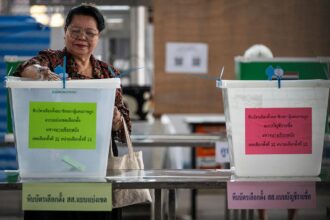
Across urban and rural areas, voters express a mixture of hope and skepticism. Many citizens believe the election offers a rare chance to demand accountability from leaders who presided over political stagnation.
At the same time, concerns remain that entrenched rivalries could once again fragment parliament. The outcome of the Kosovo snap election will depend heavily on whether voters prioritize stability or remain divided along traditional party lines.
Economic Pressures Shaping the Vote
Economic hardship has played a central role in shaping voter attitudes. High unemployment, rising living costs, and limited job opportunities have left many households struggling.
Political parties have placed economic reform at the center of their campaigns, promising growth, investment, and social support. The Kosovo snap election is therefore closely linked to expectations that a stable government could finally address economic stagnation.
Governance and Rule of Law Issues
Beyond economics, governance and corruption concerns loom large. Transparency, judicial independence, and public sector reform are recurring themes in political debates.
Many voters see the Kosovo snap election as a test of whether reform rhetoric will translate into real change. Failure to deliver tangible improvements could further erode trust in democratic institutions.
Parliamentary Dynamics and Coalition Politics
Kosovo’s fragmented party landscape makes coalition building unavoidable. No single party has consistently secured a clear majority, resulting in complex negotiations after every election.
The hope surrounding the Kosovo snap election is that results will simplify parliamentary arithmetic and enable the formation of a more stable governing coalition. Without that clarity, political uncertainty could persist.
International Interest and Regional Context
Kosovo’s political stability is closely monitored by international partners, particularly within Europe. Prolonged deadlock complicates reform efforts and slows progress toward closer integration with European institutions.
Observers see the Kosovo snap election as an important signal of democratic resilience. A credible and orderly vote could strengthen Kosovo’s standing on the regional and international stage.

Impact of Deadlock on Daily Life
Political paralysis has had real consequences for ordinary citizens. Delayed budgets affect public services, infrastructure projects stall, and social programs face uncertainty.
Many people view the Kosovo snap election as a necessary step toward restoring functionality in government and improving daily life through more effective policymaking.
Youth Engagement and Turnout
Young voters represent a significant portion of Kosovo’s population. While politically aware, many young people are disillusioned by repeated cycles of instability.
The Kosovo snap election offers an opportunity to reengage younger citizens and encourage participation in shaping the country’s future. Youth turnout could play a decisive role in determining results.
Media Coverage and Electoral Transparency
Media organizations and election observers are closely monitoring the process to ensure fairness and transparency. Coverage has focused on campaign promises, debates, and voter mobilization efforts.
A credible Kosovo snap election is essential for rebuilding trust in democratic processes. Any irregularities could undermine confidence and prolong political divisions.
Campaign Strategies and Party Messaging
Political parties have tailored their messaging to address public frustration. Stability, reform, and economic recovery dominate campaign platforms, though skepticism remains regarding implementation.
The Kosovo snap election has pushed parties to clarify their positions and present concrete plans, as voters demand more than slogans after years of deadlock.
Possible Post Election Outcomes
Once votes are counted, Kosovo faces several possible scenarios. A clear majority could allow swift government formation, while fragmented results may require renewed coalition talks.
Analysts warn that even after the Kosovo snap election, compromise will be essential. Without cooperation, the risk of returning to paralysis remains high.

Long Term Implications for Democracy
Beyond immediate governance, the election carries long term implications for democratic norms. Successful cooperation could strengthen institutions and public confidence.
Failure to stabilize after the Kosovo snap election would deepen cynicism and weaken Kosovo’s democratic trajectory at a critical stage of development.
Role of Civil Society
Civil society organizations have played an active role in encouraging voter participation and accountability. Their engagement helps ensure that public concerns remain visible.
The Kosovo snap election has mobilized advocacy groups seeking reforms that extend beyond party politics, emphasizing citizen driven change.
Regional Stability Considerations
Kosovo’s internal stability affects the broader Balkan region. Political uncertainty can spill over into diplomatic tensions and slow regional cooperation.
International stakeholders view the Kosovo snap election as an opportunity to reinforce stability and reduce regional uncertainty through effective governance.
Challenges Facing the Next Government
Whoever forms the next government will face immediate challenges, including economic recovery, institutional reform, and restoring public trust.
The mandate emerging from the Kosovo snap election will determine how effectively leaders can address these priorities and avoid repeating past failures.
Public Trust and Political Accountability
Restoring trust remains one of the most difficult tasks for Kosovo’s leaders. Years of deadlock have left many citizens doubtful about political promises.
The Kosovo snap election is a chance to reset expectations and reestablish accountability through clearer mandates and performance based governance
The Kosovo snap election stands as a critical test of the country’s ability to overcome prolonged political deadlock and restore effective governance. After a year of uncertainty, voters are being asked to chart a new course that prioritizes stability, reform, and accountability.
Whether this election delivers lasting change will depend not only on the results, but on the willingness of political leaders to cooperate in the national interest. The stakes are high, and the outcome will shape Kosovo’s political and democratic future for years to come.