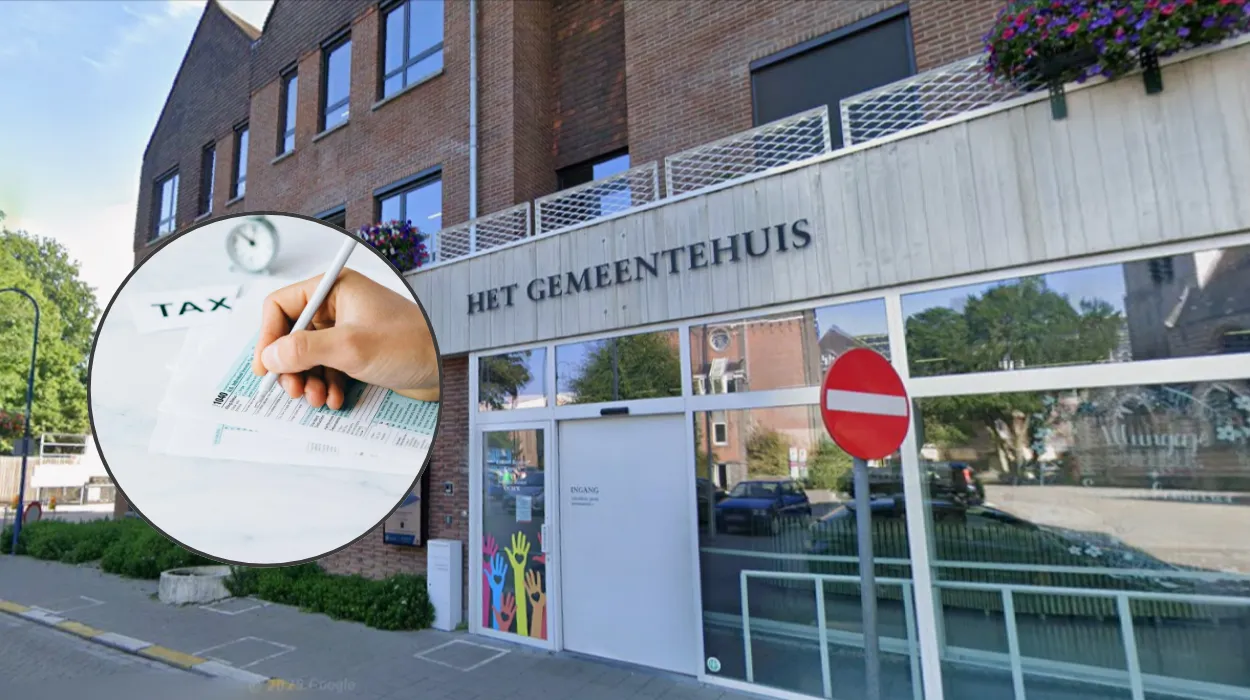
Kontich (Brussels Morning Newspaper) – Kontich raises property tax to €860–€980 from 2026, cuts personnel costs, abolishes €45 environmental tax, keeps 5.7% income tax, and plans €38 million investments, says Alderman Scholiers.
As VRT News reported, Kontich’s municipal council, in the province of Antwerp, Belgium, has approved a rise in the property tax surcharge.
“Since 2019, municipalities have been able to apply a differentiation in the additional tax. We only had one rate, 690, and haven’t adjusted the additional tax since 2007,”
Scholiers explains.
The new amounts will range from €860 to €980 starting next year. The measure is meant to stabilise the town’s finances as costs continue to increase. According to the alderman, most homeowners fall into the lowest category and will therefore face the smallest adjustment. The council says the higher surcharge is needed to keep services operating and to support ongoing projects during a period of financial pressure.
What is Kontich doing about taxes, spending cuts, and €38M investments?
The municipality will also reduce its own spending to help balance the budget. A large part of the cuts will focus on personnel costs, which form a major share of local expenses. The alderman says the administration aims to manage the process carefully by reviewing tasks, reorganising teams, and relying on natural departures where possible.
“We want to make the right choices so that we can keep the number of forced redundancies low.”
Peter Scholiers, Alderman for Finance (N-VA)
The municipality has announced that it will abolish several local taxes in the coming years. One of the main measures is the end of the environmental tax for families on January 1, 2026, a fee of €45 per household each year. Officials say this step will ease the financial load on residents.
The supplementary personal income tax will remain fixed at 5.7%, ensuring a steady flow of revenue for the town.
“This still puts us in the top 20 cheapest municipalities in Flanders. We will not be raising personal income taxes, as they are based on income. We do not want to tax them any further,”
says Scholiers.
“Our necessary reforms are a solution for the coming years, so we can continue to invest in the future of our municipality.”
Alongside these changes, the municipality plans to invest around €38 million over the next 6 years. The money will support infrastructure, public facilities, and long-term projects that the local administration considers essential to future development.
“We’re investing in infrastructure and making our buildings more sustainable, among other things.”
A large number of Belgian municipalities are changing their local tax systems due to the increased cost of living. The increase in living costs can largely be attributed to the rapid increases in the price of energy during 2022 and 2023, as well as wage indexation increases.
In 2023 and 2024, municipalities from all over Flanders will be reviewing their financial plans and writing multi-year budgets from 2025 to 2030. These budgets will take into account changes in taxes, as well as estimated savings from within the municipality, to ensure enough money is available to support the municipality’s long-term budget.