Israeli Raids West Bank Gaza Deepen Crisis Across Region
The Middle East is facing a dangerous convergence of conflict and environmental disaster as Israeli raids West Bank Gaza unfold amid Gaza’s struggle to recover from a powerful storm. The simultaneous pressure of military operations and natural destruction has pushed civilian life in both territories into deeper instability. Families already living with uncertainty are now confronting damaged homes, disrupted services, and renewed security fears.
This layered crisis highlights how conflict magnifies vulnerability. When military actions coincide with environmental emergencies, the humanitarian toll expands rapidly. Across Gaza and the West Bank, ordinary people are bearing the brunt of forces far beyond their control, struggling to preserve safety, dignity, and basic stability.
Intensifying Military Operations in the West Bank
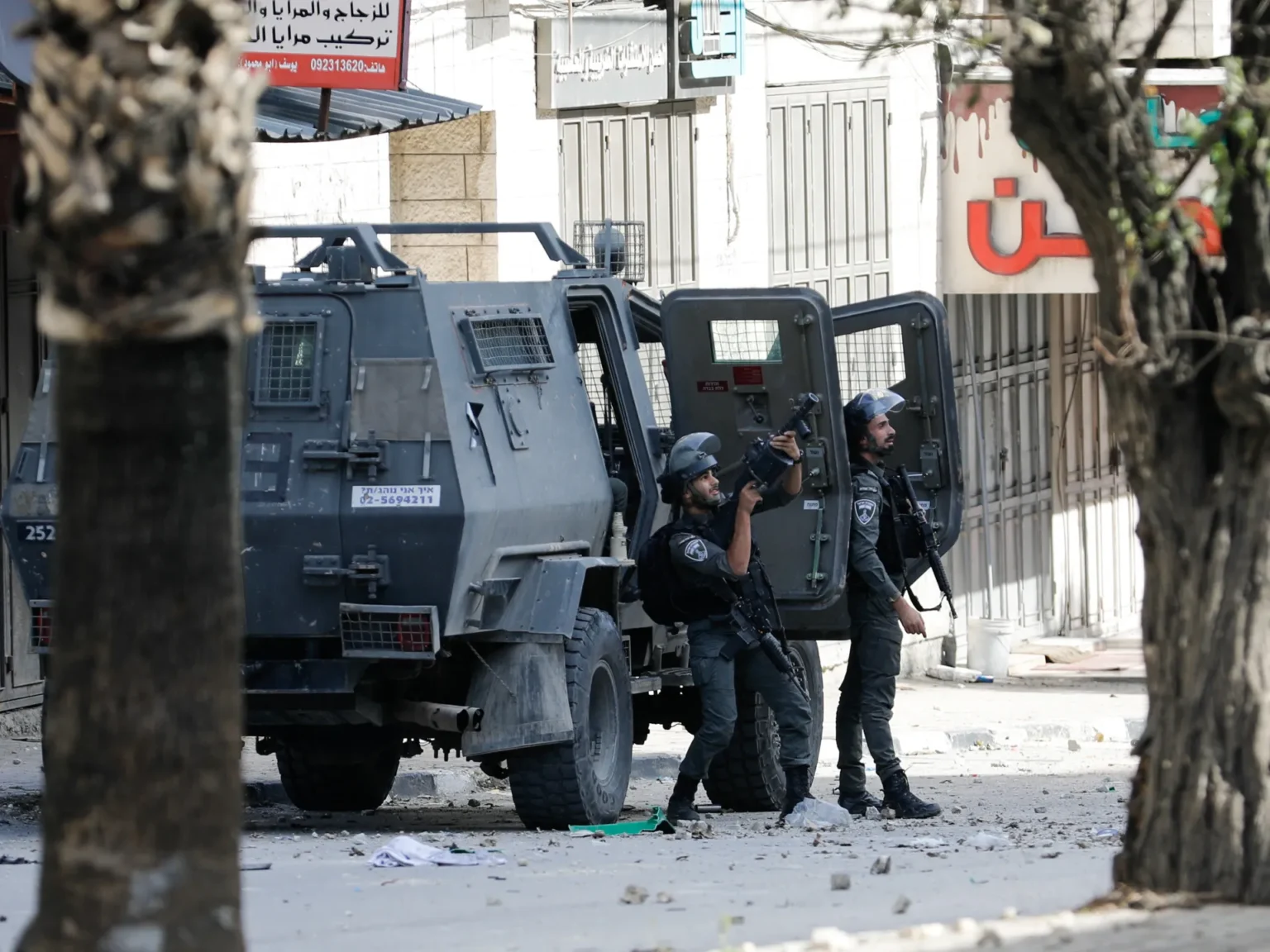
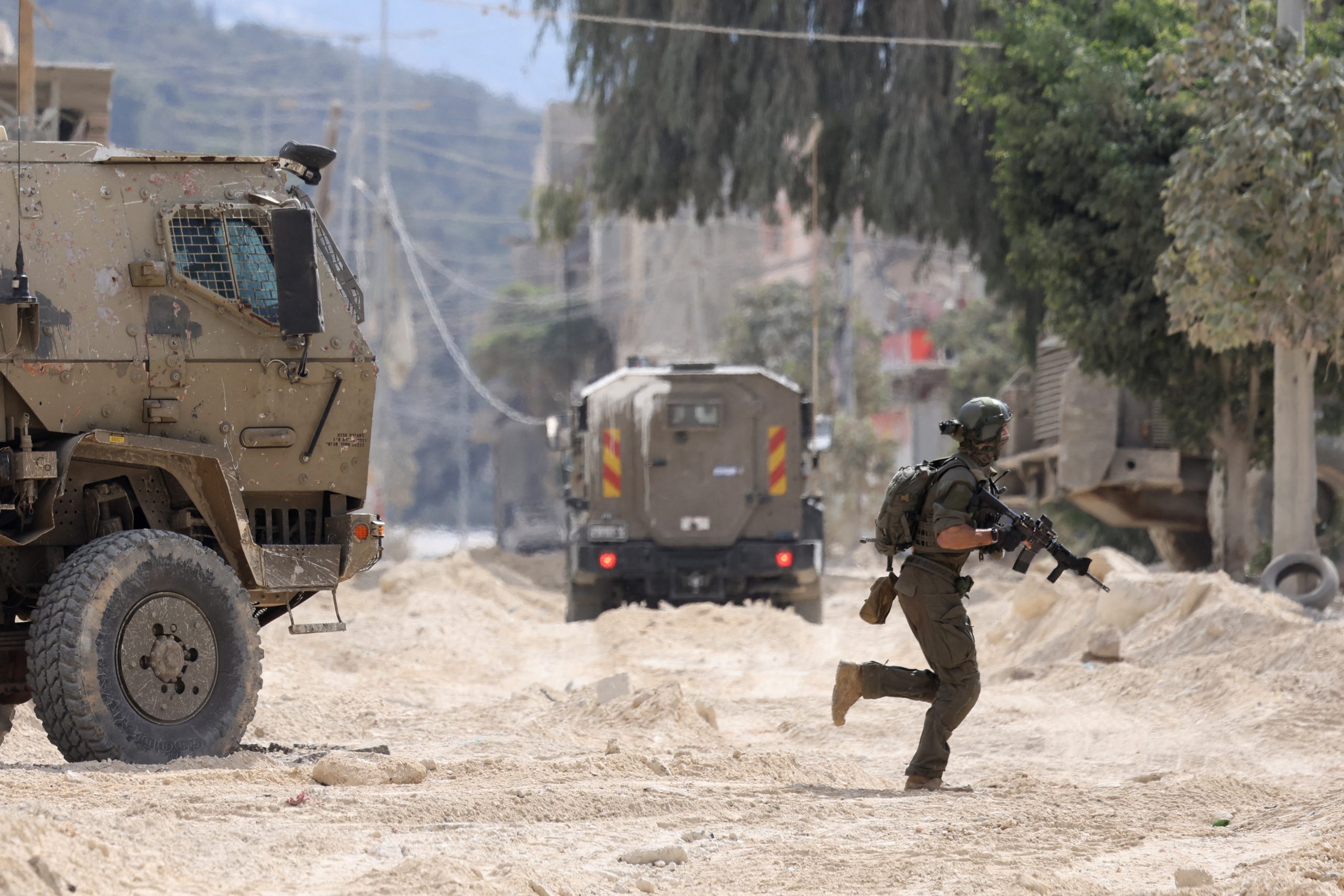
Security activity has increased across multiple West Bank cities and refugee camps as Israeli raids West Bank Gaza developments continue to dominate regional news. These operations often include overnight raids, arrests, roadblocks, and temporary lockdowns. While authorities frame them as security driven actions, their effect on civilian life is immediate and disruptive.
Residents report frequent interruptions to daily routines. Businesses close unexpectedly, public transportation halts, and families remain indoors for extended periods. For workers paid daily wages, even a single day of disruption can mean the loss of essential income. Over time, repeated raids erode economic resilience and community stability.
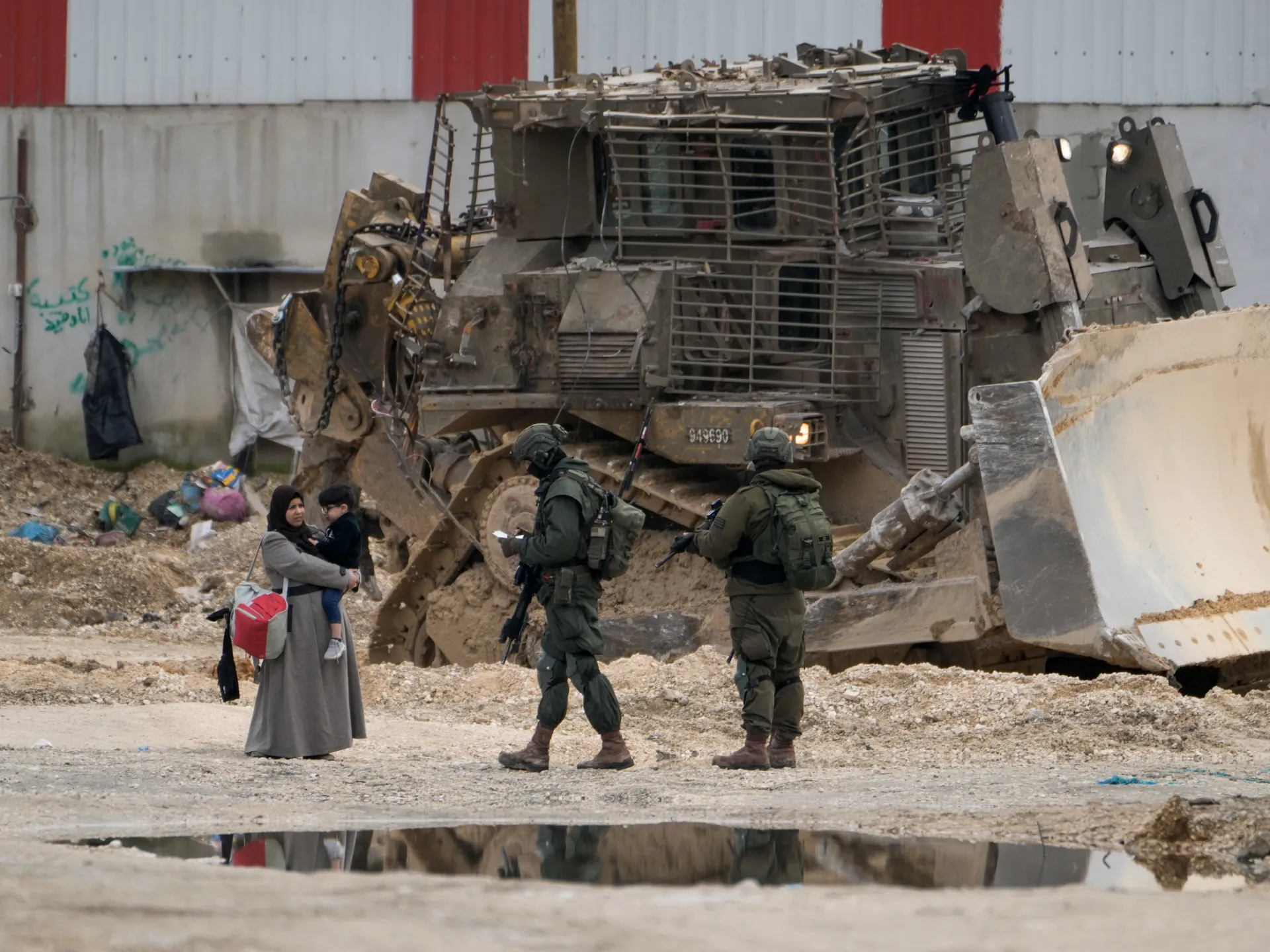
Local leaders and humanitarian groups stress that civilians are not shielded from the impact of these operations. Homes are searched, neighborhoods sealed, and movement restricted, creating a constant sense of tension that affects mental and emotional well being.
Gaza Storm Aftermath Exposes Fragile Infrastructure
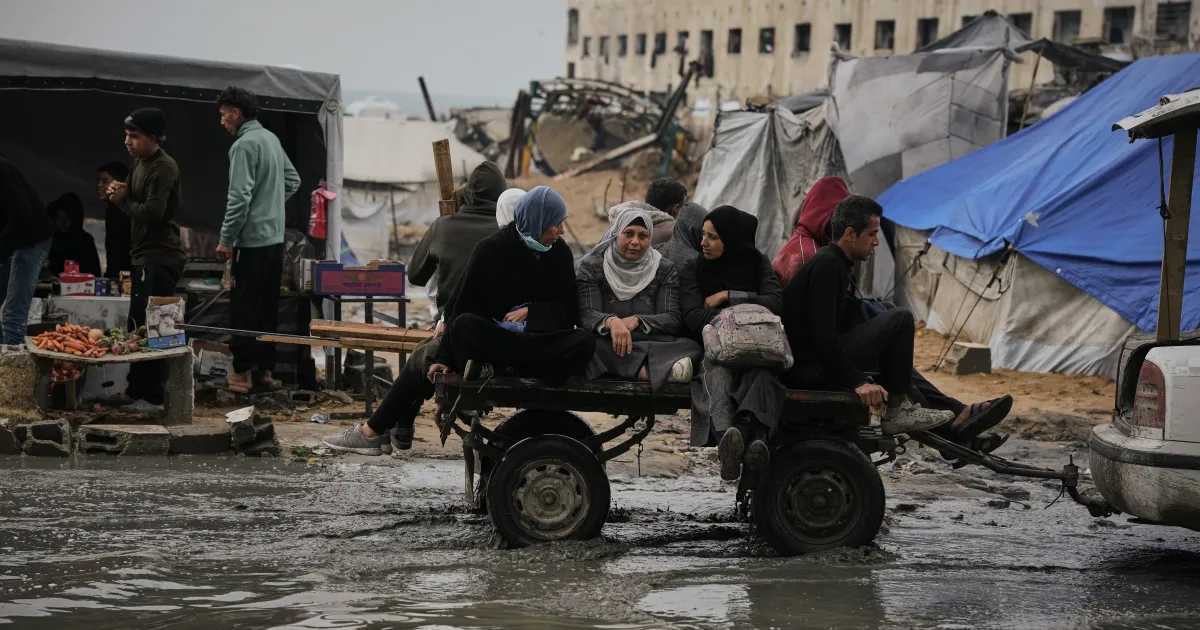
While the West Bank experiences heightened military activity, Gaza is dealing with the aftermath of a severe storm that caused widespread damage. Heavy rainfall and strong winds flooded streets, damaged housing, and overwhelmed drainage systems. As Israeli raids West Bank Gaza continue elsewhere, Gaza’s ability to recover has been limited by existing infrastructure weaknesses.
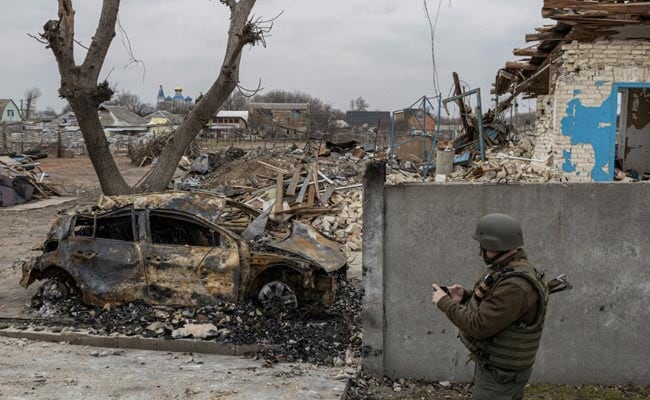
Years of conflict and restricted access to materials have left Gaza’s buildings and utilities vulnerable. Flooded homes forced families to seek temporary shelter, while power outages disrupted hospitals, water treatment facilities, and communications. Emergency crews struggled to respond quickly due to damaged roads and fuel shortages.
For many residents, the storm was not just a weather event but another crisis layered onto an already fragile reality. Recovery remains slow, with limited resources and growing humanitarian needs.
Civilians Caught Between Conflict and Disaster
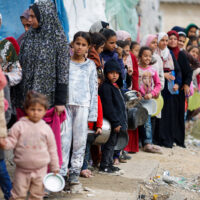
The human cost of Israeli raids West Bank Gaza is most visible among civilians who face overlapping threats. In the West Bank, families experience fear during raids and uncertainty about movement and access to services. In Gaza, storm damage has displaced households already living under extreme conditions.
Children are especially affected. School closures, trauma from loud explosions or flooding, and limited access to healthcare threaten long term development. Parents describe children struggling with anxiety and disrupted routines, adding emotional strain to already difficult circumstances.
Healthcare systems are under intense pressure. Clinics in the West Bank face access challenges during operations, while Gaza hospitals operate with limited electricity and supplies. These constraints reduce the ability to respond to emergencies and chronic medical needs.
Economic Impact Across Both Territories
Economic hardship has deepened as Israeli raids West Bank Gaza continue to disrupt normal life. In the West Bank, checkpoints and closures restrict trade routes and worker mobility. Many residents depend on movement for employment, and disruptions lead to rising unemployment and debt.
In Gaza, the storm damaged markets, fishing boats, and agricultural land. Small business owners reported losses of inventory and equipment, while farmers faced flooded fields and ruined crops. With limited access to external markets, recovery options remain scarce.
These economic pressures increase reliance on humanitarian assistance, yet funding gaps and logistical barriers limit how much aid can reach those in need.
Humanitarian Aid Efforts Under Strain
Humanitarian organizations are working in extremely challenging conditions as Israeli raids West Bank Gaza complicate access and logistics. In Gaza, emergency aid focuses on shelter repair, clean water, and food distribution following the storm. In the West Bank, aid groups must navigate security restrictions to reach affected communities.
International agencies warn that short term relief is insufficient. Long term recovery requires rebuilding infrastructure, restoring livelihoods, and addressing psychological trauma. Without sustained funding and access, humanitarian efforts risk falling short of growing needs.
Despite obstacles, community solidarity remains strong. Local volunteers, charities, and neighborhood groups have mobilized to provide immediate assistance, demonstrating resilience even in the face of repeated crises.
International and Regional Reactions
The escalation linked to Israeli raids West Bank Gaza has drawn international attention and concern. Governments and global organizations have called for restraint, protection of civilians, and expanded humanitarian access. Diplomatic discussions emphasize the need to prevent further escalation while addressing urgent needs.
However, political divisions often limit concrete action. Statements of concern are frequent, but meaningful progress remains slow. For civilians on the ground, international responses can feel distant from daily struggles.
Regional instability also raises broader security concerns. Prolonged unrest risks spillover effects that could destabilize neighboring areas and complicate future peace efforts.
Climate and Conflict Intersect in Gaza
The storm in Gaza highlights how environmental risks worsen conflict driven crises. As Israeli raids West Bank Gaza continue, climate related events such as flooding add another layer of vulnerability. Experts warn that without resilient infrastructure, future storms will cause even greater humanitarian damage.
In conflict zones, environmental disasters magnify suffering, disrupt recovery, and prolong instability. Addressing climate resilience is increasingly seen as essential to long term humanitarian planning.
The Psychological Toll on Communities
Beyond physical damage, the psychological impact of Israeli raids West Bank Gaza is profound. Constant uncertainty, fear of violence, and repeated displacement contribute to widespread stress and trauma. Mental health services are limited, leaving many without adequate support.
Community leaders emphasize the importance of psychosocial care, particularly for children and young adults. Without intervention, long term mental health challenges could shape an entire generation’s outlook and opportunities.
Paths Toward Stability and Recovery
Resolving the challenges tied to Israeli raids West Bank Gaza requires coordinated action beyond emergency responses. Sustainable solutions must balance security needs with civilian protection and humanitarian access.
Rebuilding Gaza’s infrastructure, supporting economic recovery in the West Bank, and renewing diplomatic engagement are critical steps. Environmental resilience, healthcare access, and education must also be prioritized to break cycles of crisis.
Without comprehensive strategies, communities will continue to face repeated disruptions that undermine stability and hope.
The convergence of Israeli raids West Bank Gaza and Gaza’s storm aftermath has created a complex humanitarian emergency. Military operations, environmental damage, and economic hardship together shape a reality defined by resilience amid suffering. As civilians endure overlapping crises, the urgency for meaningful action grows stronger.
The future of the region depends on solutions that prioritize human dignity, protect civilians, and address both conflict and climate challenges. Until then, families across Gaza and the West Bank continue to navigate uncertainty with strength and determination.